





 Portuguese
  English
  Spanish
  6 min of reading
  0 comments


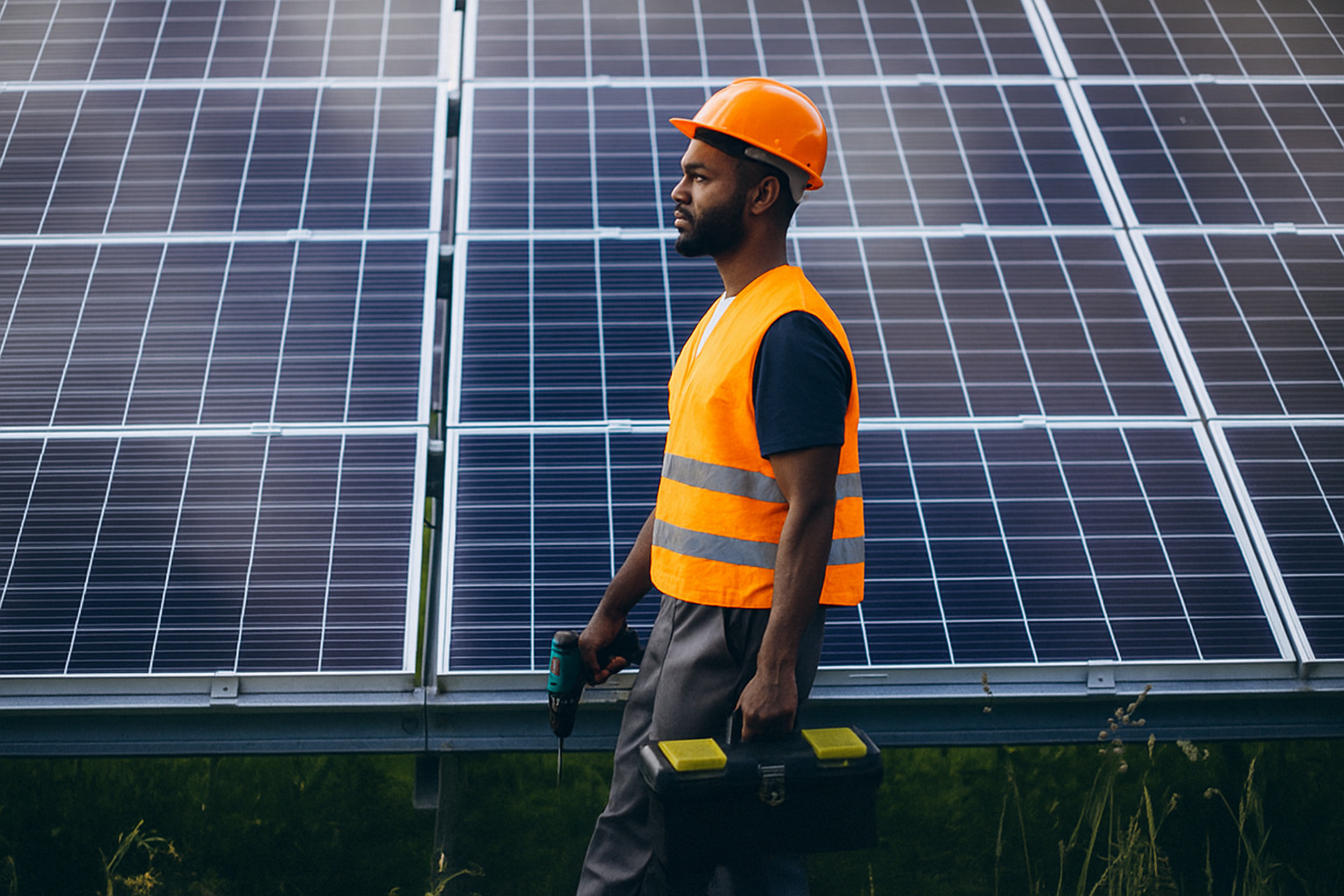
Discover How Solar Energy as a Solution Helps Families Reduce Costs and Have Predictability in Their Electricity Bills.
The continuous increase in electricity rates has led many Brazilian families to seek more economical and sustainable alternatives. Consequently, among these solutions, solar energy stands out as a viable option, capable of reducing costs and bringing predictability to household budgets. Historically, electricity has always been an essential good.
On the other hand, the rising costs have made the search for energy autonomy a priority for families and small business owners.
In Brazil, interest in solar energy started more timidly, mainly in rural properties and large industries, which sought to reduce costs and guarantee energy supply in remote regions. However, in the last two decades, photovoltaic technology has become popular, driven by public incentive policies, a decrease in equipment prices, and greater access to credit lines.
-
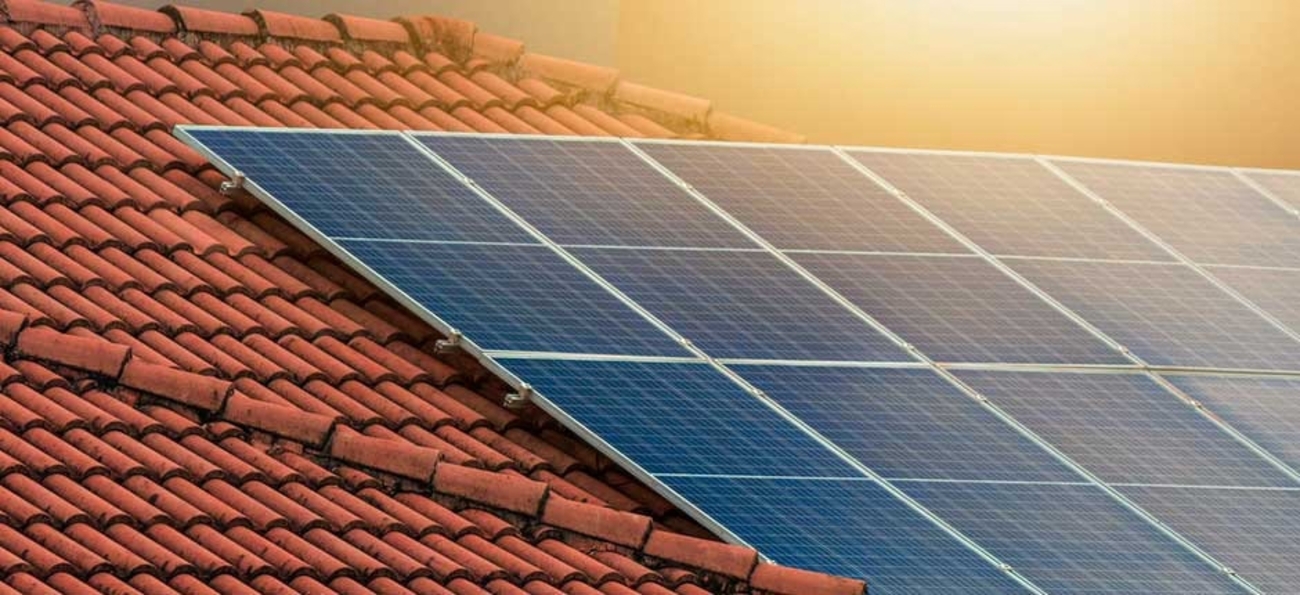
Roraima bets on the sun to escape high tariffs: Amid the energy crisis and price hikes, solar energy is growing in Roraima and transforming consumption in the North region.
-
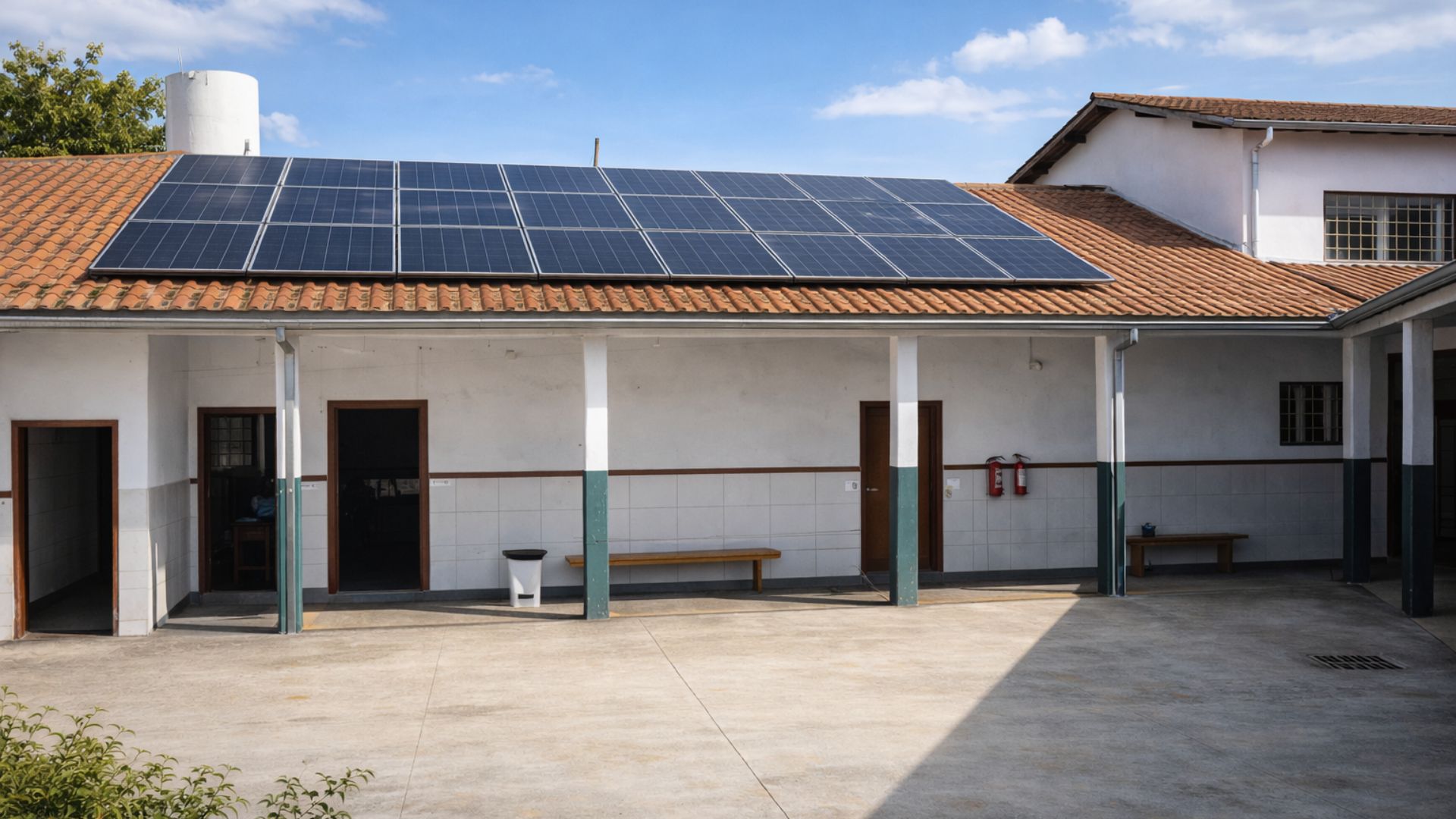
Copel boosts solar energy in Paraná and brings innovation to public schools, promoting savings on electricity bills, energy efficiency, and a direct impact on the quality of education.
-
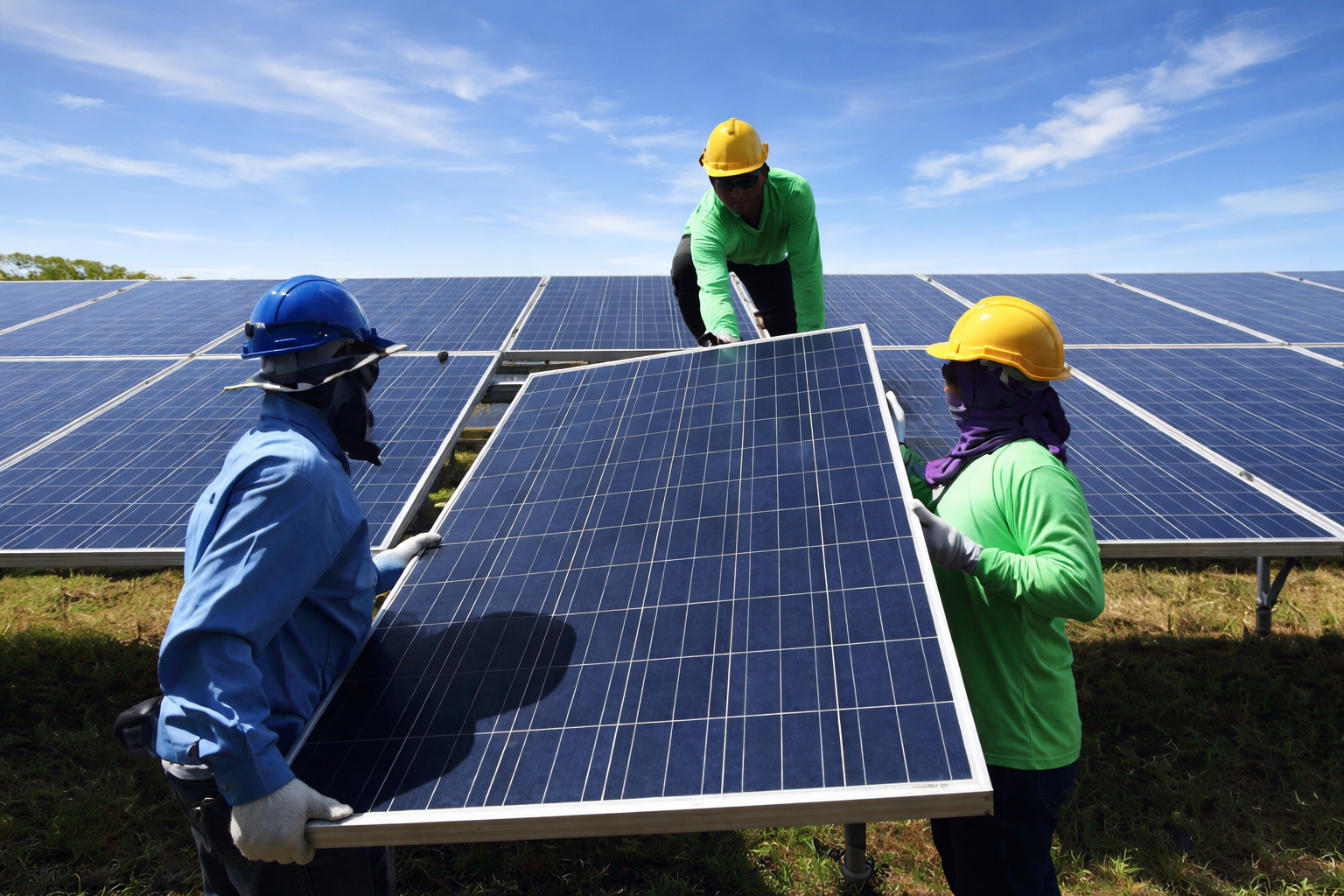
Brazil reaches historic milestone in solar energy: Sector surpasses 2 million accumulated green jobs and generates billions in the national economy even under market pressure.
-
Minas Gerais takes the lead in renewable energy: State surpasses historic mark of 14 GW in solar energy generation in MG and consolidates dominance in the Brazilian electric sector.
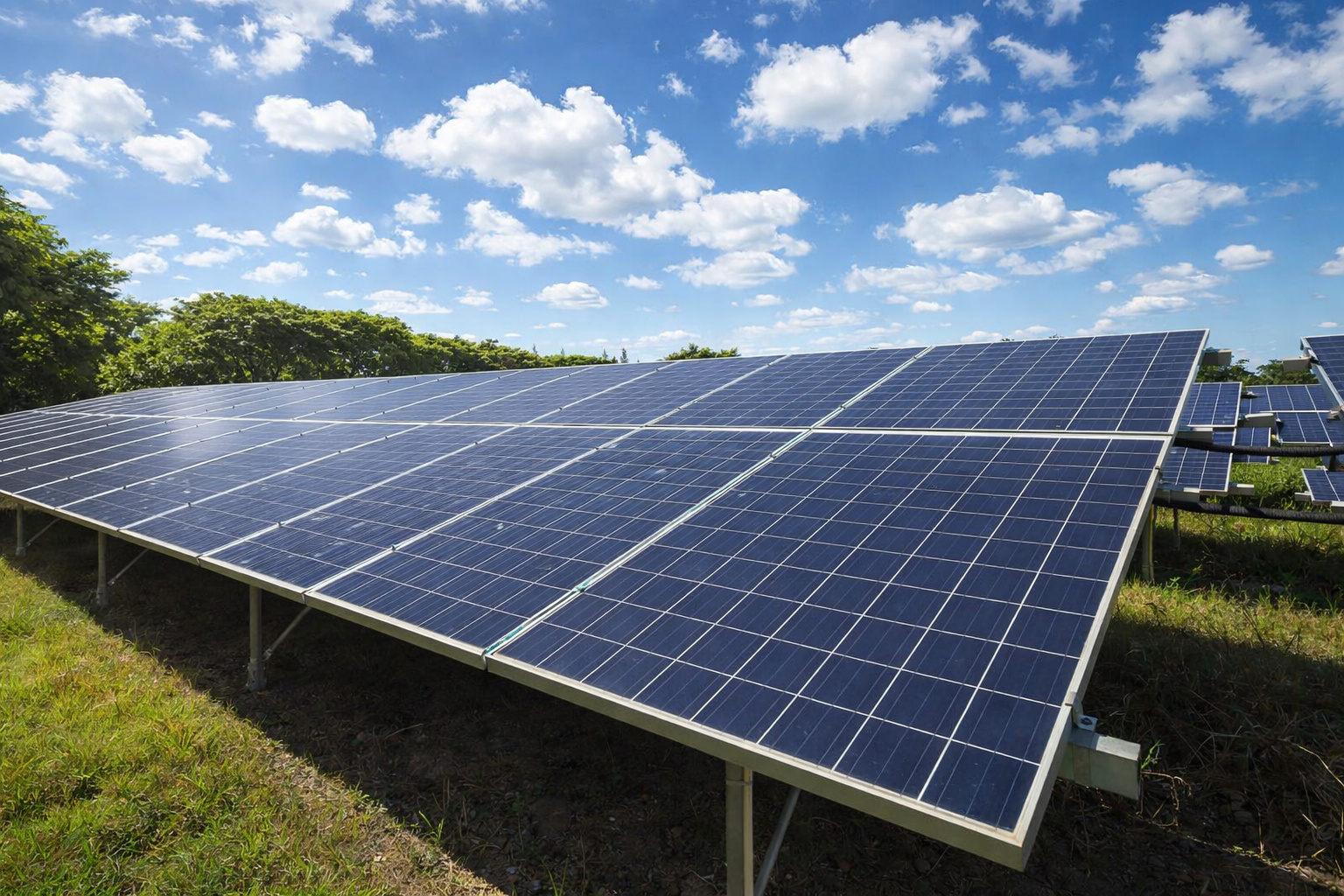

Currently, families that spend over R$ 600 on their electricity bills see solar energy as a practical and financially intelligent alternative.
Besides the financial aspect, adopting solar energy also reflects a cultural shift in energy consumption. Additionally, Brazilian families are becoming increasingly aware of the importance of adopting sustainable practices, aligning economy and environmental responsibility.
This trend aligns with international movements promoting renewable energy and reducing greenhouse gas emissions. Thus, the relevance of solar energy in the global energy landscape is reinforced.
Profile of Families Adopting Solar Energy
A survey by 77Sol, a company specializing in solar energy solutions, showed that 31% of consumers who opted for the technology have bills around R$ 600 per month. While 13% have bills between R$ 720 and R$ 950, and 11% correspond to families with expenditures reaching R$ 1,800.
Therefore, this data reveals that the adoption of solar energy is not limited to large properties. It has become a financial planning tool for the middle class, seeking to reduce expenses and maintain stability in the face of tariff volatility.
According to Luca Milani, CEO of 77Sol, the perception of solar energy has changed significantly in recent years. “Today, it is at the center of Brazilian families’ financial decisions. People no longer see it as a luxury, but as a concrete way to reduce costs and ensure predictability in a scenario of rising expenses,” he states.
Indeed, this change in perception accompanies a global movement valuing sustainability and energy efficiency. And consumers are adopting more conscious and strategic solutions.
Although the market remains predominantly residential, small and medium-sized business owners are also investing in solar energy as a solution to contain operational costs. Commercial establishments, small industries, and rural properties have realized that solar energy is not just an environmental investment. It is also a tool to increase competitiveness, reduce waste, and better plan their expenses.
Moreover, many consumers emphasize the importance of predictability in household budgets. With the instability of electricity rates, relying on one’s energy source helps plan expenses more efficiently and avoid surprises at the end of the month.
Consequently, this financial benefit, combined with the reduction of environmental impact, motivates the growing adoption of solar energy.
Sector Overview and Implementation Costs
The sector overview shows that the average ticket for a photovoltaic system is around R$ 12,000 for 8 kWp kits, including modules, inverters, and mounting structures.
However, this value varies depending on the selected equipment, the type of financing, and the specifics of each project.
For this reason, this growing accessibility, along with facilitated credit lines, contributes to market expansion and enables more families and businesses to adopt solar energy as a long-term solution.
Among the states, Mato Grosso do Sul leads in the number of completed projects, driven by agribusiness and local industry. Pará stands out in remote regions, where energy autonomy is especially valued.
São Paulo remains the largest consumer market in the country, with a strong presence in the residential and commercial segments. Thus, this scenario reflects a national trend: solar energy has ceased to be merely a sporadic resource and has become part of financial management, energy efficiency, and sustainability strategies.
Historically, Brazil has always had great solar potential, but only recently has this resource begun to be systematically explored and made more accessible.
In the initial years of technology implementation, solar energy required large investments and technical knowledge. However, over time, technological advancements, cost reductions, and public incentive policies transformed the landscape, making solar energy a viable alternative for families of different profiles and regions in the country.
Furthermore, the sector’s growth has stimulated the emergence of small companies specialized in the installation and maintenance of photovoltaic systems, generating jobs and strengthening the local economy.
The professionalization of the sector has also increased consumer trust, making investment in solar energy safer and more accessible.
New Technologies and Growing Demands
Another relevant point is the growing demand for systems that integrate solar batteries and vehicle chargers, driven by the expansion of the electric vehicle fleet in Brazil. These devices allow for energy storage for later use and increase the efficiency of photovoltaic systems.
Thus, solar energy is not just a solution to reduce costs, but also a strategic resource for the country’s energy future. Additionally, hybrid inverters, which allow greater integration between grid-connected systems and batteries, are gaining prominence, showing the market’s evolution and consumers’ interest in more complete solutions.
The Brazilian consumer, increasingly informed, seeks efficiency and autonomy. Installing solar panels has ceased to be just a sustainable gesture; it has become a conscious financial decision.
This choice reflects planning, investment return studies, and concern for predictability in energy bills. Therefore, this transformation accompanies the global energy transition, where renewable sources gain ground and intelligent consumption becomes a priority.
November, historically, records a larger sales volume in the solar energy sector, influenced by factors such as fiscal planning, year-end promotions, and regulatory changes. Thus, these moments reinforce the importance of well-structured financial strategies and market knowledge, enabling families and businesses to seize opportunities to invest in sustainable and economically advantageous solutions.
The growing popularization of solar energy also allows entire communities in remote areas to achieve energy autonomy. Consequently, this reduces reliance on fossil fuel-powered generators, decreases transportation costs for energy, and improves local quality of life.
Thus, solar energy as a solution impacts not only individual families but also society more broadly.
Environmental and Social Benefits
The adoption of solar energy as a solution also brings social and environmental effects. Therefore, reducing dependence on fossil sources decreases greenhouse gas emissions, preserves the environment, and strengthens the country’s energy security.
Moreover, the sector’s growth generates jobs, fosters the technology industry, and promotes innovation, showing that solar energy benefits far beyond family budgets.
In summary, solar energy has solidified as a practical, accessible, and strategic alternative for families spending above R$ 600 on electricity. Thus, the technology offers cost reduction, predictability, energy autonomy, and environmental benefits while accompanying the historical evolution of the sector and changing perceptions of Brazilian consumers.
Each installation represents not only a financial investment but a step towards more intelligent, sustainable consumption aligned with global trends in clean energy.
Therefore, adopting solar energy as a solution has ceased to be an option limited to large properties or companies and has become a real strategy for families and small business owners looking to control their expenses, contribute to the environment, and plan for a safer and more sustainable energy future.










Seja o primeiro a reagir!