





 English
  Francês
  Alemão
  Italiano
  Japonês
  Norueguês
  Portuguese
  Spanish
  3 min of reading
  7 comments


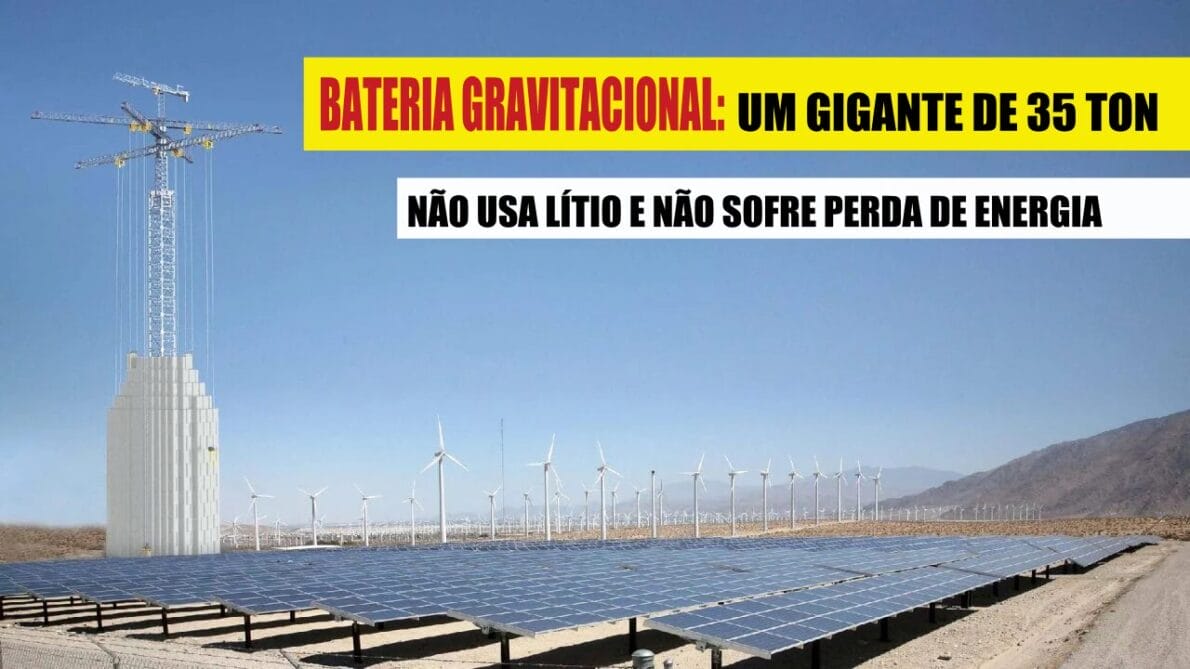


The Key To This Massive Block Of 35,000 Kilograms Is Its Ability To Generate Energy While It Descends, Triggering Electric Generators, Just Like In Hydroelectric Plants With Water And Turbines
Renewable energies are an excellent way to generate energy without polluting the planet. However, to free ourselves from fossil fuels, it is essential to find effective methods for storing renewable energy when it is not available. The latest major revolution could be represented by 35-ton batteries, which do not require the use of lithium. These gravitational batteries could even be integrated into the facades of buildings and could be made from wind turbine blades.
With the increasing demand for clean energy, integrating these gravitational batteries into urban structures would not only provide an efficient storage solution but also help reduce carbon footprints. Additionally, reusing wind turbine blades highlights the importance of the circular economy in the transition to renewable energy sources. This innovation promises to revolutionize how we harness and store energy, paving the way for a more sustainable and emission-free future.
See How The First Gravity Energy Storage System Works
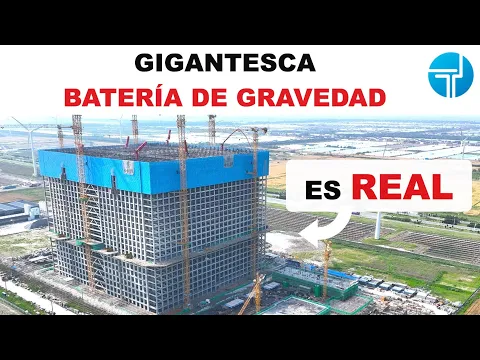

A Battery That Is Actually A 35-Ton Block
A battery that actually resembles more a 35-ton block. Unlike conventional batteries, this one does not rely on a chemical energy storage system involving lithium ions. The latter system presents several limitations, including high cost, difficulty of recycling, and performance loss over time, along with the inability to store energy long-term.
-
With 160,000 m² of collectors, an area larger than 20 football fields, Silkeborg, in Denmark, hosts a solar thermal plant that heats 19,500 homes and could become the largest solar heating plant in the world.

-
A study reveals the expansion of renewable energy procurement in Brazil and shows how companies are taking advantage of opportunities to reduce expenses, ensure energy efficiency, and strengthen strategic environmental commitments.

-
Mato Grosso do Sul excels in the sugar-energy sector: the state reaches a milestone of 22 operating mills and accelerates the production of clean energy in MS with a focus on sustainability.

-
National energy dilemma: Brazilians support clean energy but reject increases in tariff costs to finance the sustainable transition.

A 35-ton block does not lose energy, regardless of how much time passes, maintaining all the stored energy intact. But how can a simple 35-ton block serve as a battery?
A Gravitational Battery
A gravitational battery: this 35-ton block stands out as an innovative way to store energy, functioning similarly to a battery due to gravity. As the saying goes, “what goes up must come down.” The key to this massive block of 35,000 kilograms is its ability to generate energy while it descends, triggering electric generators, just like in hydroelectric plants with water and turbines.
The excess energy, coming from renewable sources and not used when fed into the power grid, is directed to lift this giant block to a certain height, where it finds a stable position and remains without consuming additional energy. When there is demand for energy, simply allow the block to descend, causing the generators to produce electricity.
It is important to note that it will always require more energy to lift the block than what is generated when it descends. However, this solution not only avoids the energy losses associated with battery storage but also the costs and environmental issues related to those batteries, such as materials and other inconveniences.
35-Ton Batteries Made From Wind Turbine Blades
35-ton batteries, made from wind turbine blades, are being developed by the Swiss company Energy Vault. This energy storage project is already a reality in some regions of China, where it is being tested under the name EVx. While giant concrete blocks are currently being used, the company plans to utilize wind turbine blades, which are difficult to recycle due to the resinous plastic composite used in their manufacturing. However, these blades can be reused in other projects, such as prefabricated bridges or structures for solar panels.
Although the system resembles the pumping in hydroelectric plants, the great advantage is the possibility of integration into urban areas without relying on large water installations. For example, these blocks could be incorporated into the facades of buildings, functioning similarly to movable elevators.










Resumindo: Transforma-se energia elétrica obtida de meios solares e/ou eólicos em Energia Potencial, que pode voltar a se transformar em energia elétrica!
35 toneladas correspondem a mais ou menos 10m³ de concreto, ou seja o volume de 10 blocos de 1m de lado. Acho que o correto é 35.000 toneladas.
Quando se perde a elegância, não resta mais nada.
Aí, parece simples demais para ter uma patente. Seria só copiar!