





 Portuguese
  English
  Spanish
  4 min of reading
  3 comments


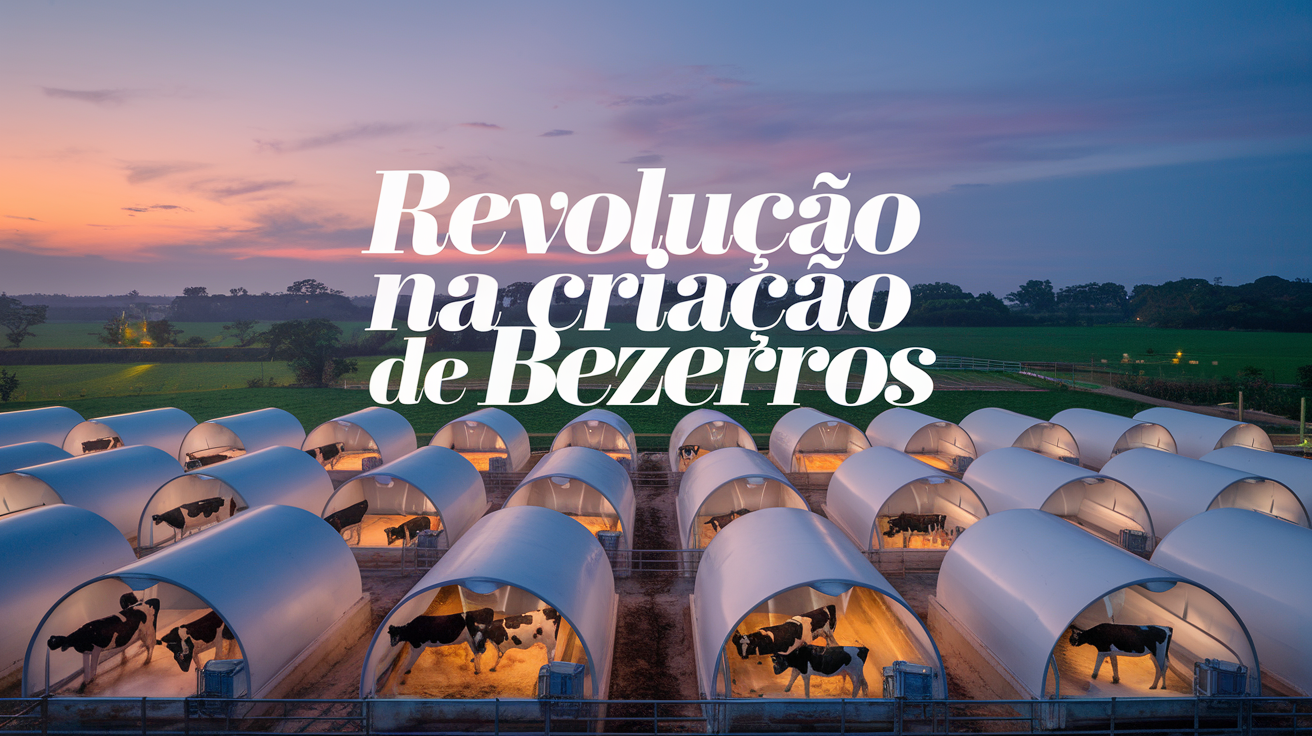


Producers Transform Calf Rearing with Individual Cabins, Merging Technology and Animal Health. The Farm Houses Over 3,300 Calves, Showcasing How Innovation Boosts Productivity in Milk Production. This Sustainable Model is a Global Inspiration for Producers Seeking Efficiency and Animal Welfare.
In a scenario where technology and innovation dictate the future of global agriculture, a colossal farm in Brazil has been attracting attention for raising over 3,300 calves in individual cabins.
This method not only raises productivity standards but also transforms animal health management into a model to be followed by dairy producers around the globe.
What makes this practice so revolutionary? The answer might surprise you.
-
A new Brazilian shopping center worth R$ 400 million will be built in an area equivalent to more than 4 football fields, featuring 90 stores, 5 cinemas, a supermarket, a college, and parking for 1,700 cars, potentially generating 3,000 jobs.

-
A couple buys an old chalet, breaks the kitchen floor for renovation, and finds over a thousand coins of gold and silver hidden since the English Civil War over 4 centuries ago.

-
Rigid bags with their days numbered: new trend prioritizes comfort in 2026.

-
A rural producer from Urubici cries as he shows 50 tons of plums thrown on the ground because no one wanted to buy them, and in desperation, he records a video asking anyone to come to the property to pick the fruits before they rot.

At Milk Source LLC, one of the largest dairy operations in the United States, located in Wisconsin, calves are raised in individual shelters from their very first days of life.
This innovative system, illustrated by striking images from photographer George Steinmetz (@geosteinmetz), allows for strict health control of the animals and is key to preventing the spread of diseases.
With over 3,300 plastic cabins meticulously distributed, the farm surpasses the number of calves compared to the total herds of various large Brazilian properties.

The Importance of Individual Cabins in Calf Rearing
According to the portal Compre Rural, the use of individualized plastic cabins is a fundamental practice at Milk Source.
They provide thermal comfort and protection against adverse weather, such as extreme cold, excessive heat, and humidity.
Additionally, the plastic material offers advantages over alternatives like steel or wood. Being lightweight, easy to sanitize, and thermally efficient, these cabins ensure a hygienic and safe environment for the calves.
This individual housing facilitates detailed monitoring of each animal’s health and nutrition.
Any sign of illness, such as diarrhea or loss of appetite, is quickly identified and treated, preventing outbreaks within the herd.
After weaning, when the calves have a more robust immune system, they are transferred to group pens, optimizing space and resources on the property.
Another crucial aspect highlighted by Compre Rural is the cost-effectiveness. Plastic cabins are more affordable compared to fixed structures and offer greater flexibility in management.
Furthermore, their portability allows them to be moved to clean areas, maintaining a healthy environment and minimizing contamination risks.
Wisconsin: The Cradle of American Dairy Production
Wisconsin has established itself as one of the largest dairy production hubs in the United States, with over 30 billion pounds of milk produced annually.
However, the sector has undergone significant changes in recent decades.
About 40,000 small farms have closed their doors, making way for mega-operations like Milk Source, which combines cutting-edge technology with high productivity.
The company manages several units, including:
- Tidy View Dairy
- Omro Dairy
- Rosendale Dairy
- Chester Dairy
Additionally, the Calf Source unit is dedicated exclusively to calf rearing, while Milk Source Genetics works on genetic improvement of the Holstein breed, widely used in global milk production.

Other Success Stories
The Milk Source model is not an isolated case. Turkey Creek Dairy, owned by Riverview, LLP, in Arizona, also adopts similar practices.
The property houses 17,000 white plastic cabins and maintains pens for up to 130,000 heifers and dairy cows.
Like Milk Source, Riverview started as a family farm and evolved into a large-scale corporation funded by investors.
Social Impacts and Challenges
Despite technological advances and increased productivity, the expansion of mega dairy farms generates debate.
One of the main concerns raised is the impact on the local economy, as the concentration of production in large properties contributes to the closure of small family farms. This raises questions about the economic sustainability of rural communities.
However, companies like Milk Source are seeking to mitigate these effects with social initiatives.
The Dairy Cares of Wisconsin program, for example, raises funds for children’s hospitals and promotes the training of local workers.
These actions demonstrate that it is possible to combine productive efficiency with socially responsible practices.
Conclusion: A Model for the Future
Milk Source exemplifies the future of large-scale dairy production, merging technology, innovation, and sustainable practices.
Its approach to calf rearing in individual cabins stands out as a global reference, inspiring producers who seek to maximize productivity without compromising animal welfare and environmental sustainability.
And you, do you think the individual cabin model should be adopted on a large scale in Brazil? Share your opinion in the comments!







Sei se adapta aqui, condições totalmente distintas, no Wisconsin os invejosa são extremamente frios com ocorrência de neve .
Tudo que e inovação tecnológica e visa redução de custos e benefícios sociais e exemplo a ser copiado e seguido. A criação de bezerros em cabanas individuais e uma experiência que vem dando certo. Vale a pena copiar o modelo.
Muito bom, só que a fazenda é americana- não brasileira, como dito no começo da reportagem