





 Portuguese
  English
  Spanish
 2 min of reading
  0 comments


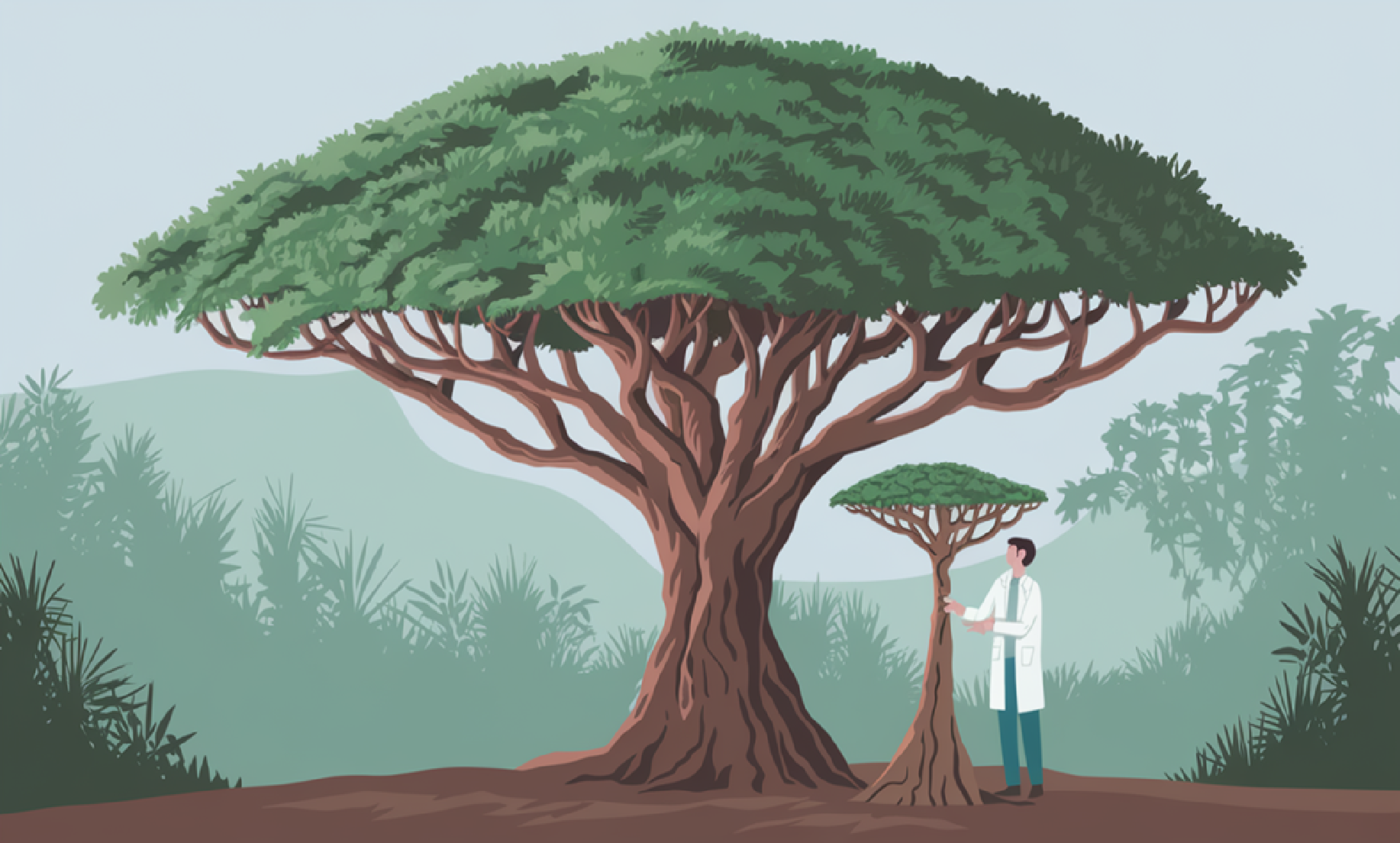
Innovative Cloning Technique Used Preserves DNA of Giant Tree and Paves the Way for Genetic Conservation
An impressive scientific discovery has just been made in Paraná! Researchers from Embrapa Florestas managed to clone a 700-year-old araucaria, the largest ever recorded in the state, which had been downed for a time. The pioneering project resulted in the production of genetically identical seedlings, ensuring the preservation of this natural heritage, according to the Itatiaia website.
How Was the Cloning Done?
The method used for this historic achievement was grafting, which consists of joining a fragment of the original plant to a young seedling. Thus, the new tree retains exactly the same DNA as the original.
✅ Generated from the trunk of the fallen araucaria
✅ These fragments were grafted onto healthy seedlings
✅ The new plants grew with the same characteristics as the mother tree
-
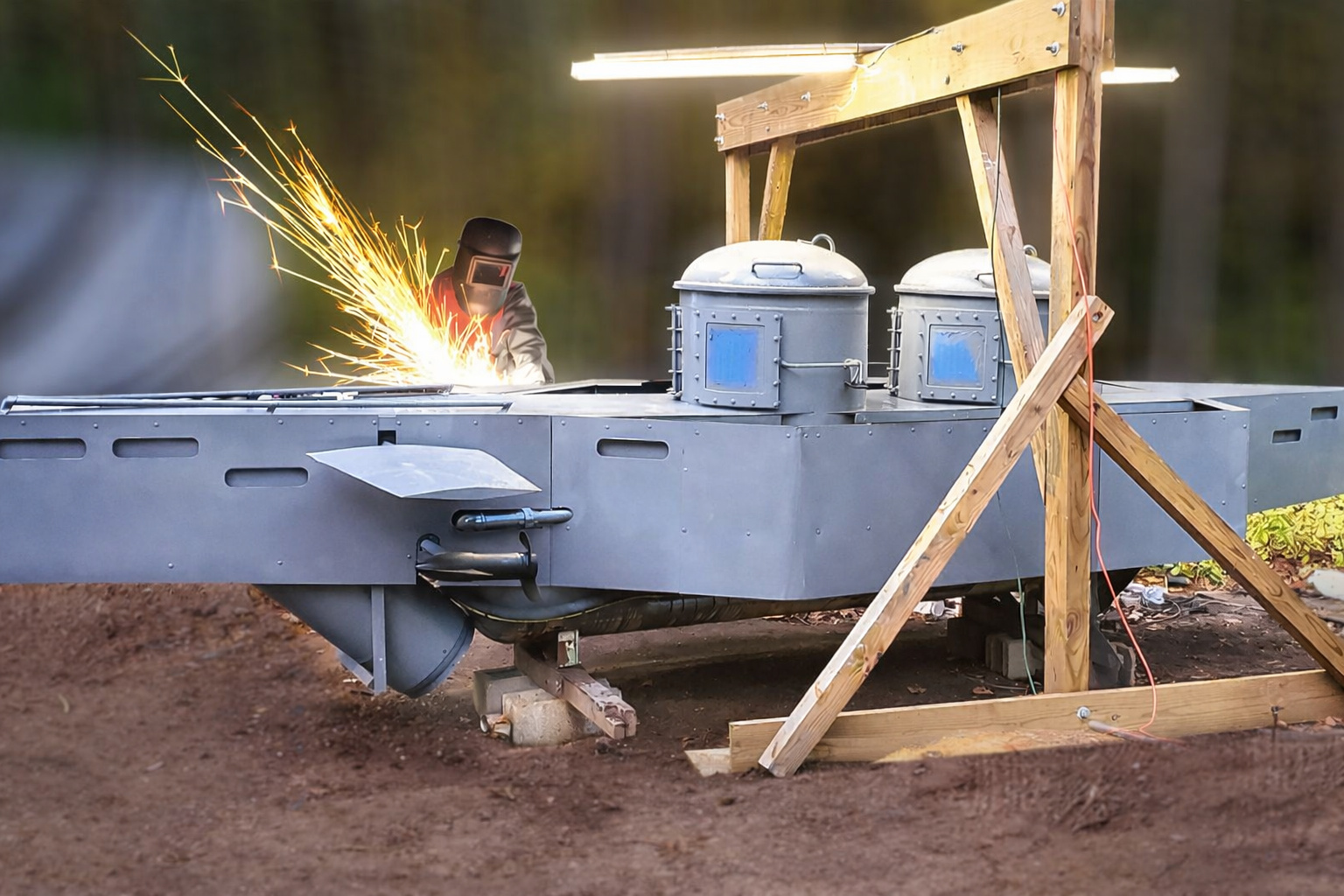
Man builds functional 5-meter submarine in his garage using gas cylinders, PVC pipes, and a refrigerator motor, and navigates with the vessel on a lake in Colombia.
-
Millions of people have been eating yam for centuries without knowing that this humble tuber contains a compound called diosgenin, which scientists have now discovered can improve memory and help control blood sugar levels.

-
Scientists from an international project drill 1,800 meters of ice in Antarctica using hot water and discover details about one of the most intriguing places on planet Earth.

-
Seen from space, a colossal volcano nearly 5,000 meters high in Russia has released 1,600 km of smoke over the Pacific, forming “devil’s horns” of lava and revealing the brutal force of the Ring of Fire.


Researcher Ivar Wendling from Embrapa explains that the procedure was requested, as such old trees have low regeneration capacity. “Rescuing such an old araucaria and successfully cloning it is a scientific achievement,” he celebrates.
Where Were the Seedlings Planted?
The cloned seedlings have already been replanted in two special locations:
- On the rural property where the original tree was, owned by Terezinha Wrubleski. She shares that the araucaria has been part of the family’s history for over 70 years and can now show its “daughter” to future generations.
- At the Agricultural College of Cruz Machado, during a symbolic event with students, teachers, and local authorities.

Additionally, another seedling will be preserved in Embrapa’s genetic collection, while a fourth will be donated to the Government of the State of Paraná.
Why Is This Cloning So Important?
- Genetic Conservation: The tree had unique DNA, and the study could reveal the secret of its resistance.
- Accelerated Production of Pine Nuts: The new trees grow smaller, but the production of pine nuts is earlier than a conventional araucaria.
- Environmental Preservation: This technology paves the way to save other century-old and threatened trees.







Seja o primeiro a reagir!