





 English
  Francês
  Alemão
  Italiano
  Japonês
  Norueguês
  Portuguese
  Spanish
  4 min of reading
  0 comments



A Blackout In Europe Affected Spain And Portugal On Monday (28), And The Surprising Cause Was A Rare Atmospheric Vibration Linked To Oscillations In High-Voltage Lines.
Imagine being in the middle of the day, under a storm-free sky, and suddenly everything goes dark: lights, subways, airports, telecommunications, as if the Iberian Peninsula had been unplugged. That’s exactly what happened to Spain and Portugal during the great blackout in Europe, resulting from a phenomenon so rare that it seemed to have come out of a science fiction movie: the so-called induced atmospheric vibration. Just a few hours were enough to turn two modern nations into true labyrinths without power.
Portugal’s electric operator, REN (Redes Energéticas Nacionais), and Spain’s Red Electrica rushed to understand and disclose the causes of the disruption. According to experts, anomalous oscillations in ultra-high voltage lines, exacerbated by extreme temperature variations, triggered the rare phenomenon, destabilizing the power grid from end to end. The initial forecast was that full recovery of the system could take up to a week, depending on weather conditions and the coordinated effort of technical teams.
What Happened In Spain And Portugal During The Blackout In Europe
The blackout in Europe began abruptly shortly after 12:30 PM in Madrid and at 11:30 AM in Lisbon, affecting vast regions of the Iberian Peninsula. Spain and Portugal experienced widespread power outages that, although temporary in some areas, were enough to paralyze critical transport systems and public services. In the Basque Country, the outages were brief, but in larger cities such as Madrid and Lisbon, the situation lasted for hours and left millions of people without adequate communication and safe transportation.
-
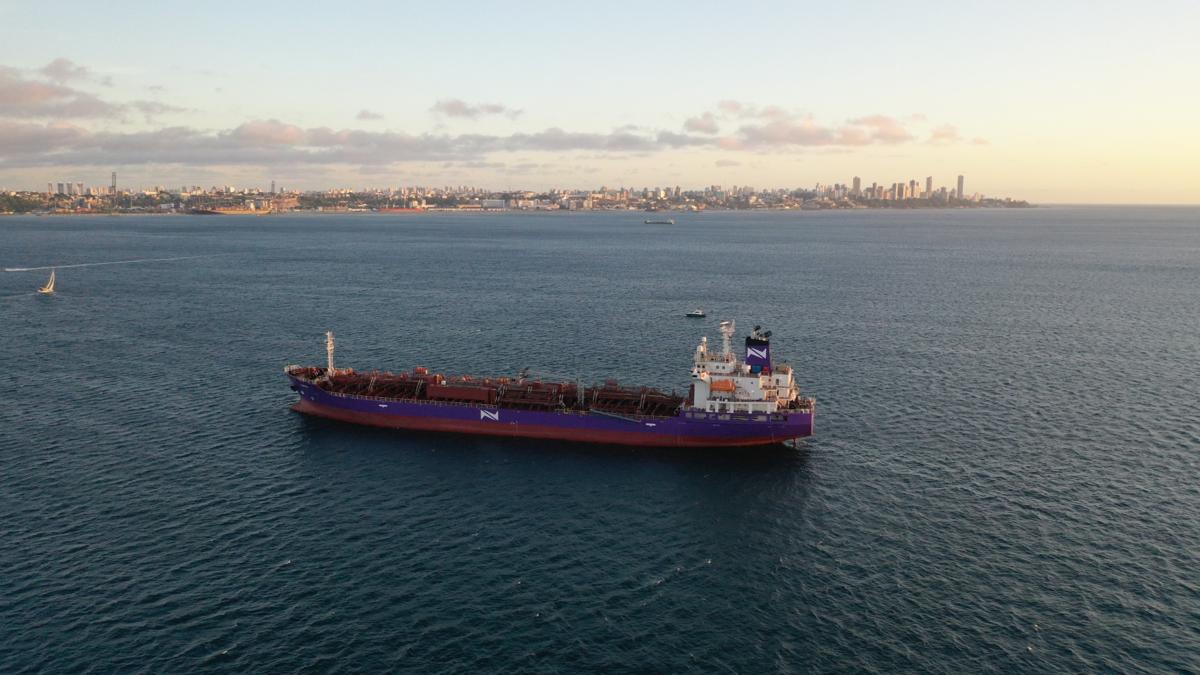
Norsul achieves CAP 1 classification with the chemical ship Taruca after dry docking and reinforces operational excellence in maritime transport.
-
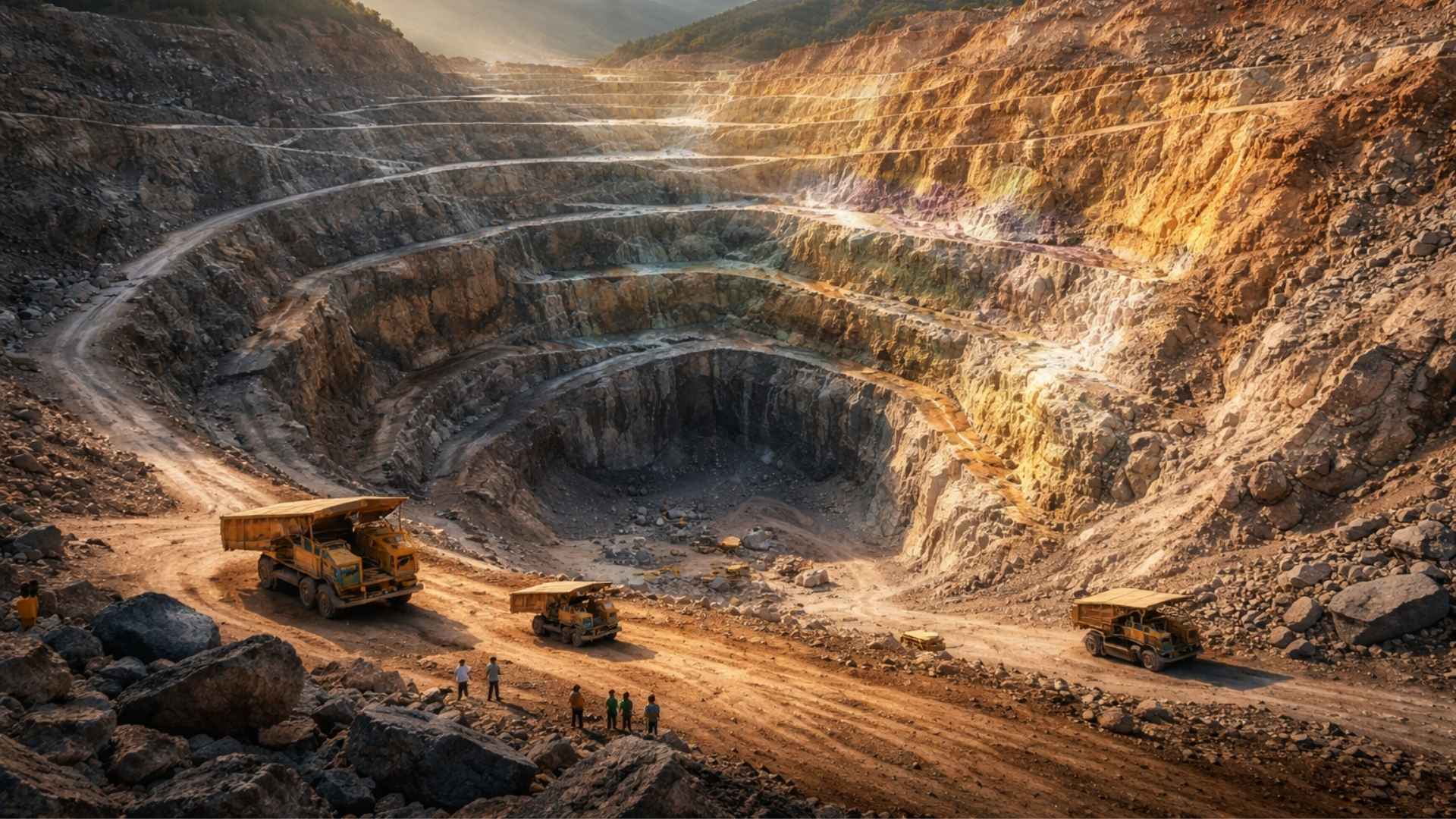
China discovers a mega reserve with 10.4 million tons of rare earths and could redefine global dominance in technology, clean energy, and the military industry with 27.1 million tons of fluorite and 37.2 million tons of barite.
-
China began working on 6G in 2019 when commercial 5G barely existed and now leads the world in patents for a technology that promises speeds 100 times greater, and no country wants to be left out.
-
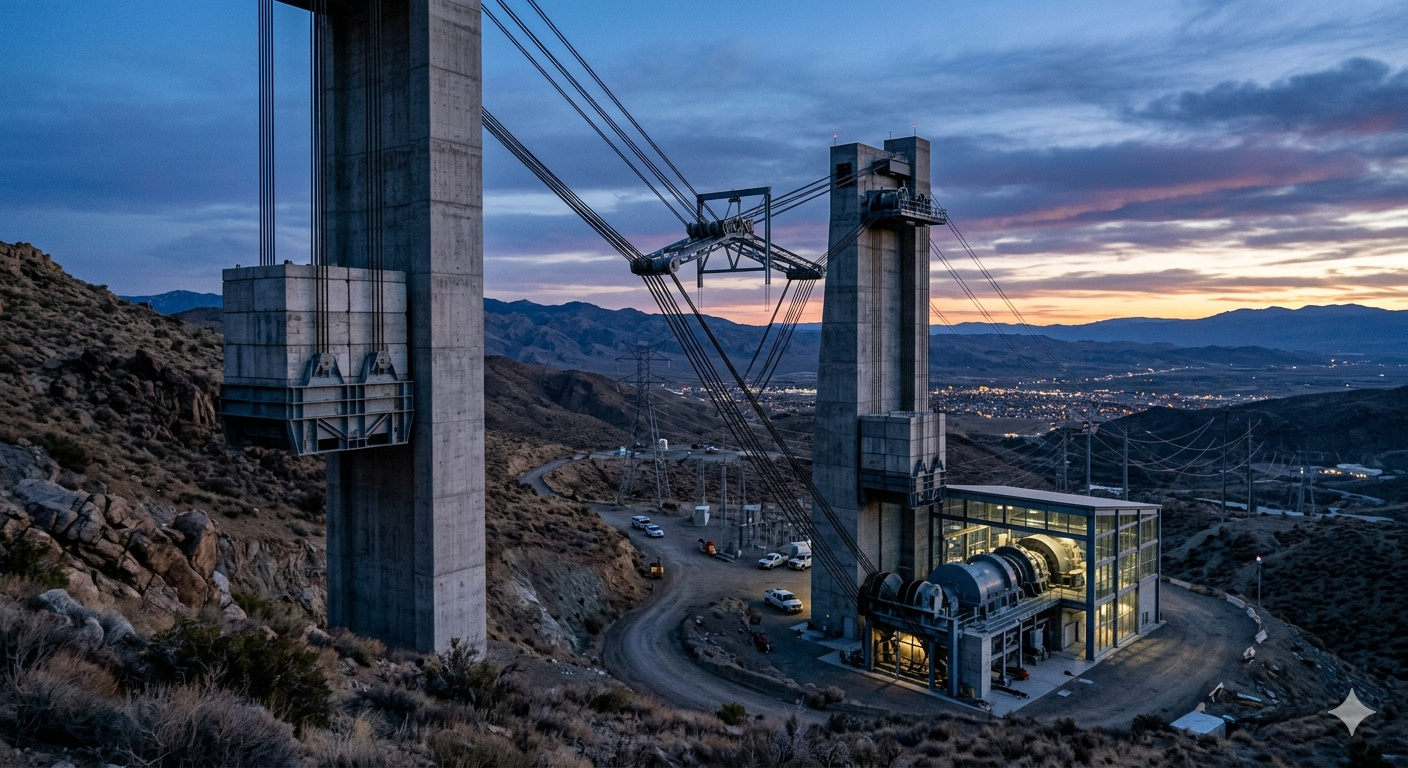
Around 500,000 abandoned coal mines could be turned into giant batteries using only sand and gravity, studies indicate a potential of up to 70 TWh of storage, with China, India, and the USA concentrating enough capacity to power entire cities without needing to build anything new.

Spanish and Portuguese authorities quickly activated emergency plans, advising the public to avoid travel and requesting that calls to emergency services be made only in extreme cases. Additionally, major airports, such as Barajas in Madrid and Humberto Delgado in Lisbon, faced flight delays, while ground traffic became a real chaos due to non-functioning traffic lights.
What Is Induced Atmospheric Vibration And Why Did It Cause The Blackout
Induced atmospheric vibration is an extremely rare phenomenon that occurs when low-frequency oscillations (between 0.1 and 10 Hz) affect power transmission lines. Contrary to what one might think, it’s not strong winds or storms that cause this instability, but a complex interaction between the electric field of the conductors and the ionization of the air caused by high humidity or imperfections in the cables. The result is a silent vibration, but strong enough to compromise the stability of the power grid.
These anomalous oscillations arose primarily due to the extreme temperatures recorded in the interior of Spain. According to MetSul Meteorologia, small electrical discharges formed, generating pressure waves in the air that made the cables and components of the grid “vibrate” to the point of affecting large-scale power transmission. For specialists, the rarity of the phenomenon lies precisely in the fact that it does not depend on direct mechanical atmospheric forces, like wind or rain, but on an unusual alignment of electrical and climatic conditions.
Impacts Of The Blackout In Europe On Transport And Essential Services
The abrupt power loss caused a real domino effect in Spain and Portugal. Rail services were suspended in both capitals, with Renfe, the Spanish operator, and the Metro de Lisboa reporting total halts on urban lines. Dark traffic lights increased the risk of traffic accidents, and road authorities urged drivers to exercise extra caution.
Telecommunications also suffered: phone calls faced widespread instability, and messaging apps like WhatsApp operated slowly. In many locations, ATMs and card payment systems were down, forcing businesses to temporarily suspend their operations. The blackout in Europe revealed the fragility of urban systems in the face of unexpected climatic phenomena that escape traditional risk forecasts.
Power Restoration: Forecast And Official Recommendations
Red Electrica, Spain’s main transmission operator, announced that restoring power for all customers could take six to ten hours in the least affected areas. REN in Portugal warned that the complete normalization process of the grid could take up to a week, depending on the condition of the ultra-high voltage lines (400 kV). Both companies stated they were employing all available technical resources to expedite the recovery.
Meanwhile, governments advised the public to limit travel, especially in urban areas where traffic lights remain out. The Portuguese police urged drivers to avoid unnecessary trips and pay special attention when crossing intersections without active signage. Airlines such as TAP Air requested that passengers not go to airports without prior flight confirmation, in order to avoid congestion and further disruptions.
A Rare Phenomenon That Left Europe On Alert
The blackout in Europe Caused By Induced Atmospheric Vibration served as a warning about the vulnerability of modern energy infrastructures to phenomena that are still poorly understood. Spain and Portugal were caught off guard by an unusual scenario: absence of severe storms, but with consequences as serious as a hurricane, due solely to invisible electrical fluctuations.
Although power is being progressively restored, experts are already discussing the need for new strategies to protect the power grid against extreme weather events and unexpected temperature variations. The rarity of the phenomenon does not diminish the urgency to rethink transmission systems to make them more resilient. After all, as this episode demonstrated, it only takes a small invisible vibration to literally plunge entire countries into darkness.
Source: CNN







Seja o primeiro a reagir!