





 Portuguese
  English
  Spanish
 5 min of reading
  0 comments


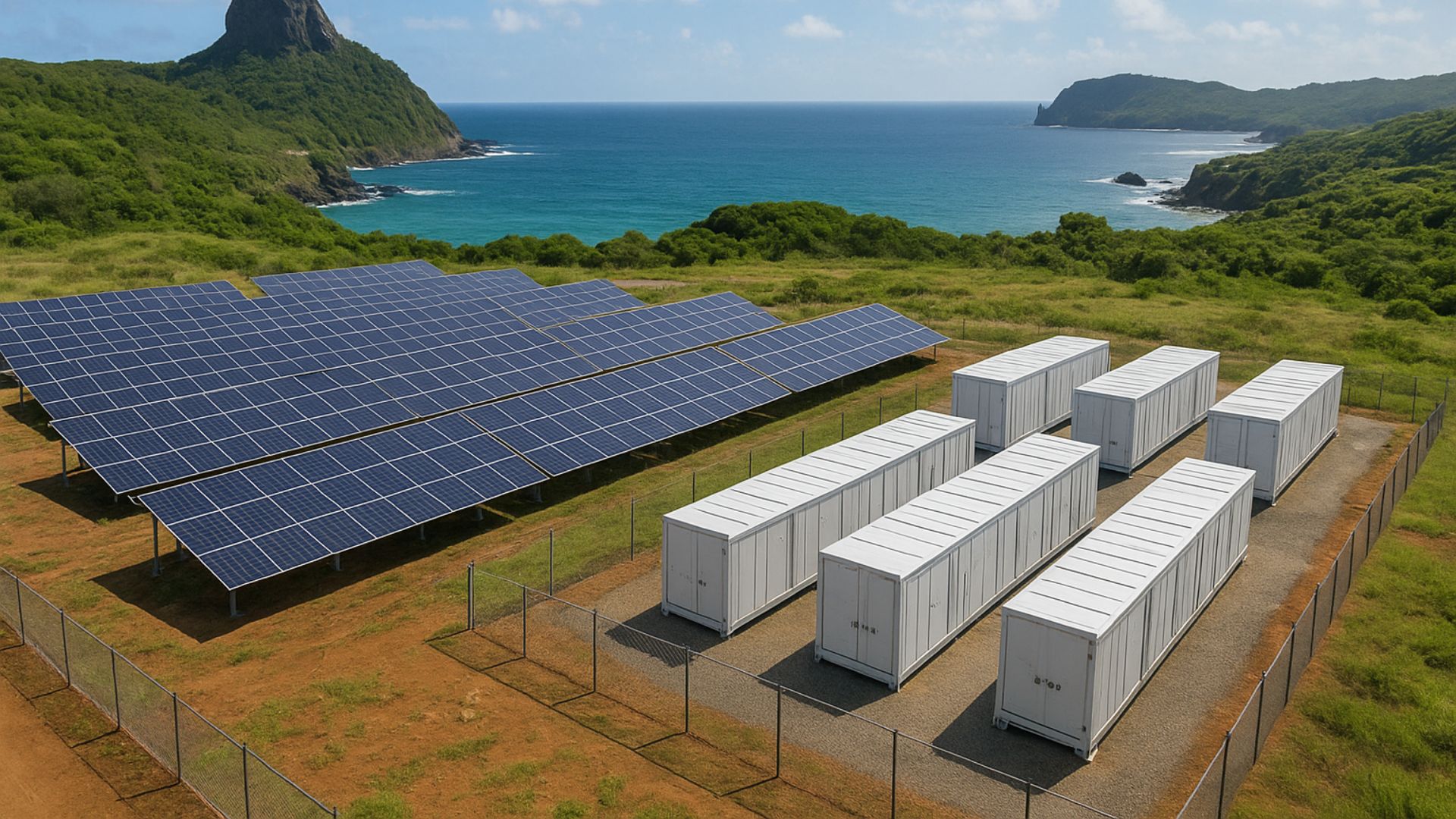
Neoenergia Started the Construction of a Hybrid Solar Energy and Battery System in Fernando de Noronha That Promises to Reduce Diesel Use and Accelerate Brazil’s Energy Transition
Neoenergia inaugurated on November 8, 2025, the construction of a hybrid solar energy and battery system in Fernando de Noronha, marking a milestone in the pursuit of a sustainable energy transition in Brazil.
The project, developed in partnership with the government of Pernambuco and the Pernambuco Electric Company (Celpe), is called Usina Solar Noronha Verde and will have a capacity of 22.8 megawatts (MW) and storage of 49 megawatt-hours (MWh), combining photovoltaic generation and large-scale storage technology.
Hybrid Solar Energy and Battery Project Will Transform Island Into Sustainable Model
The project will be executed in two phases: the first is expected to be completed by May 2026, while the second should be finished by September 2027. With this initiative, the island will reduce its dependence on fossil fuels and move closer to the goal of neutralizing carbon emissions by 2030, reinforcing the national commitment to decarbonization and technological innovation.
-
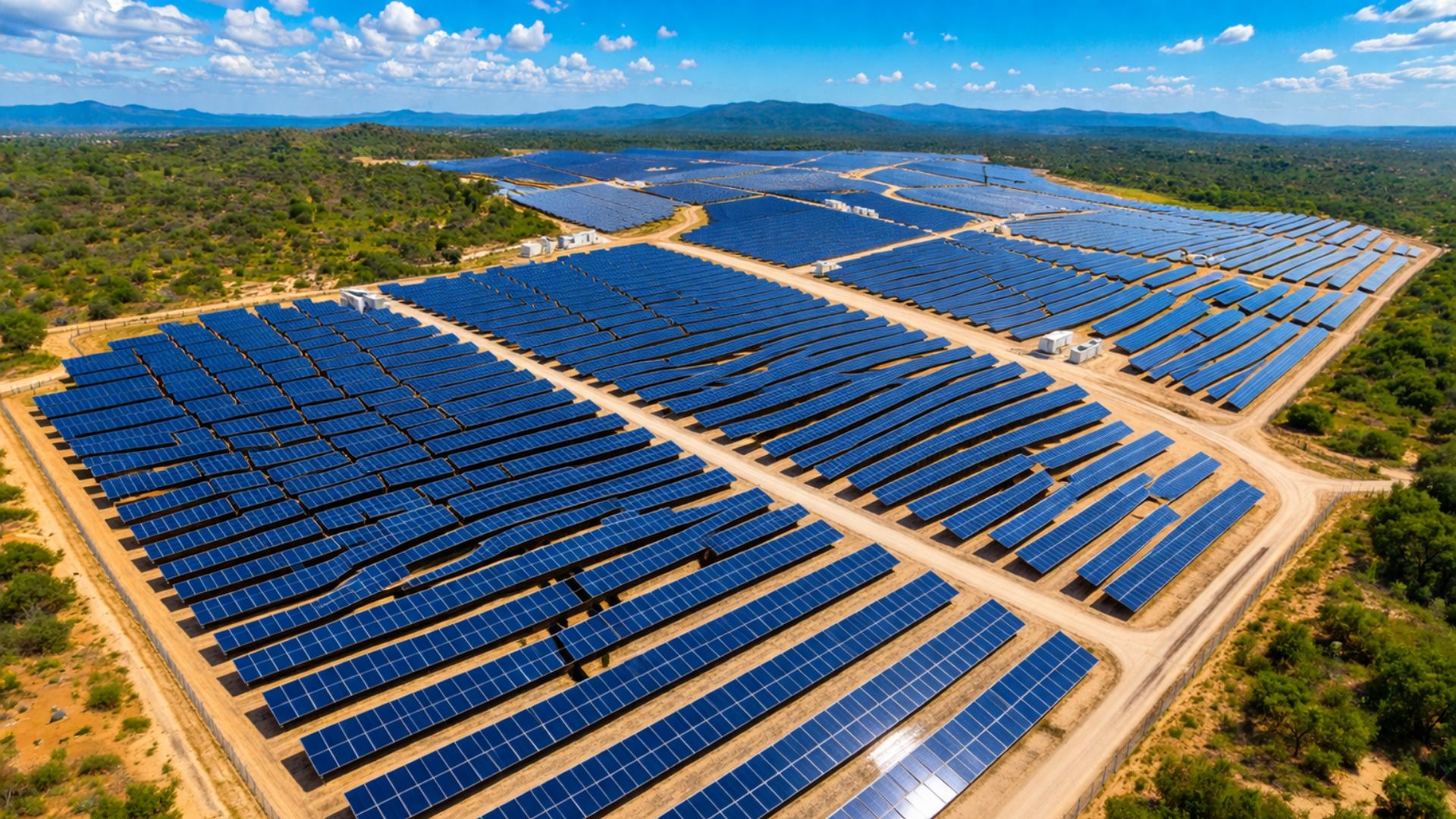
The Sol do Agreste Photovoltaic Complex begins operations in Pernambuco and accelerates the expansion of solar energy in Brazil, directly impacting the reduction of emissions and strengthening the sustainable energy matrix.
-
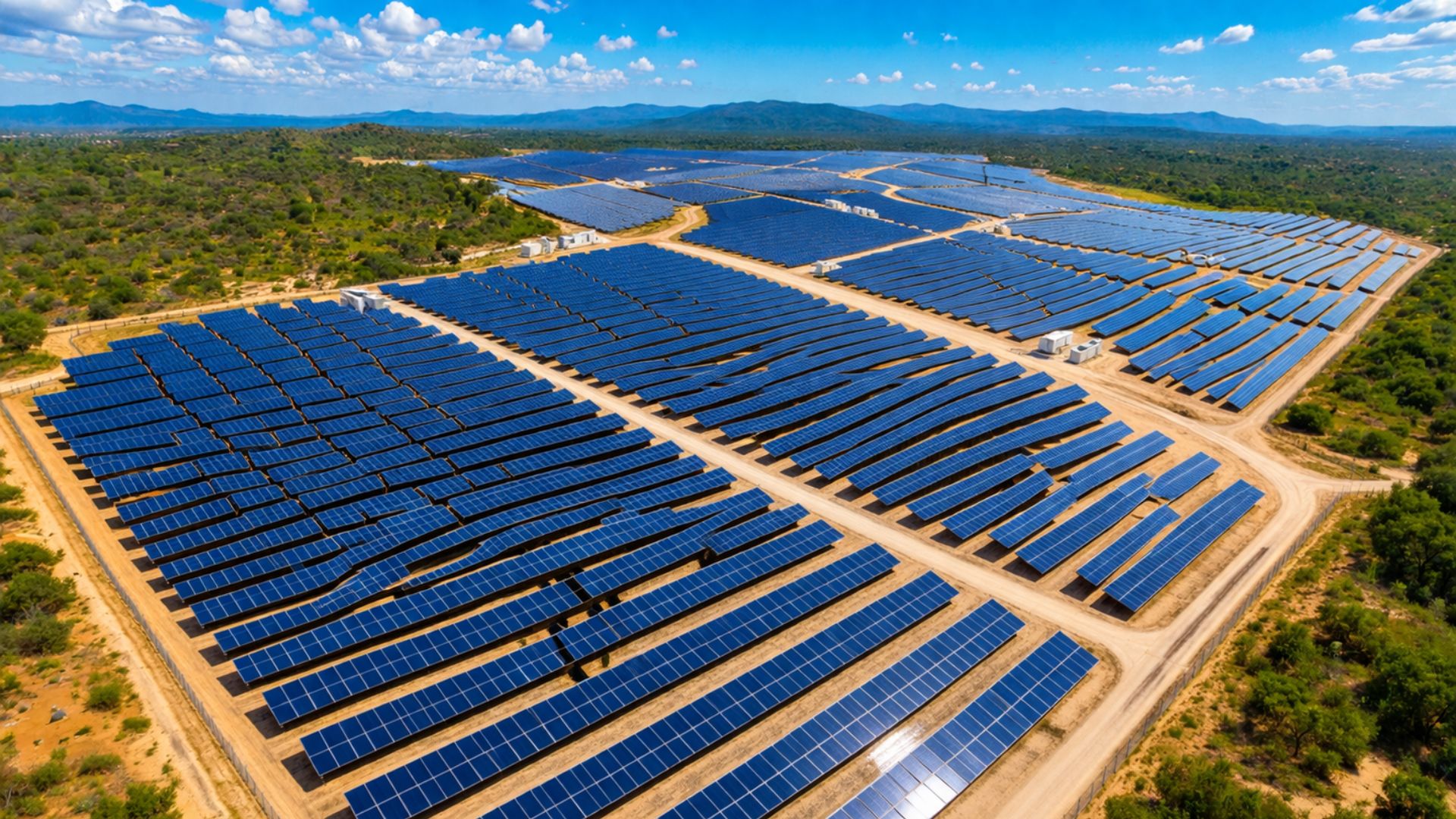
The Sol do Agreste Photovoltaic Complex begins operations in Pernambuco and accelerates the expansion of solar energy in Brazil, directly impacting the reduction of emissions and strengthening the sustainable energy matrix.
-
Roraima bets on the sun to escape high tariffs: Amid the energy crisis and price hikes, solar energy is growing in Roraima and transforming consumption in the North region.
-
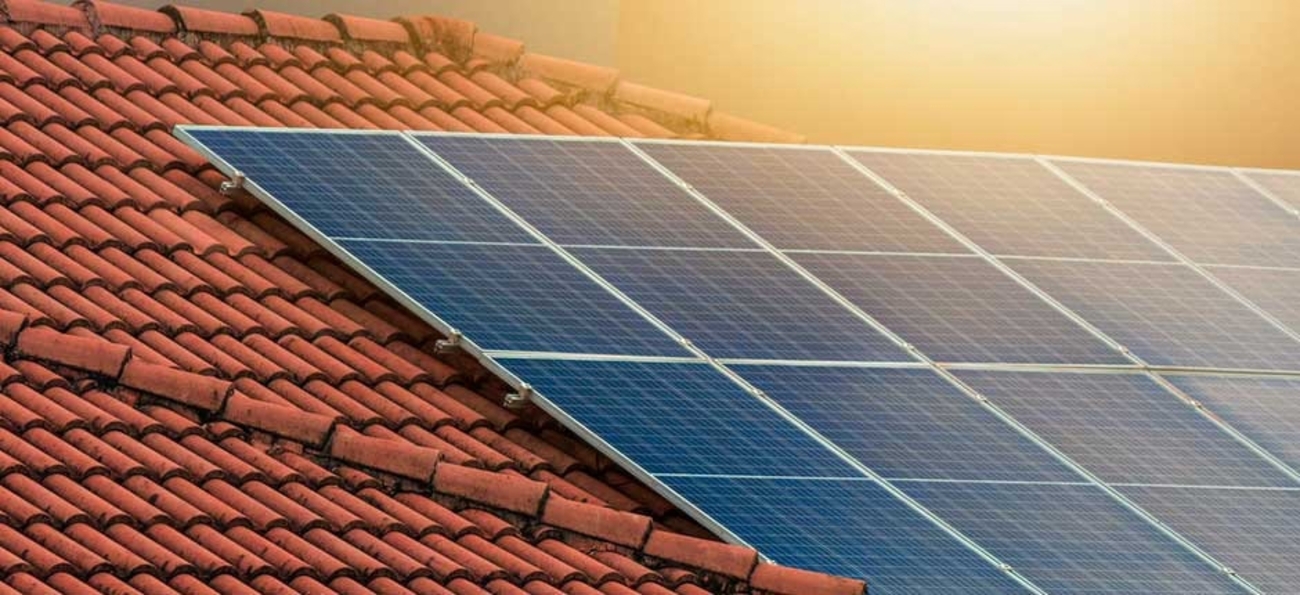
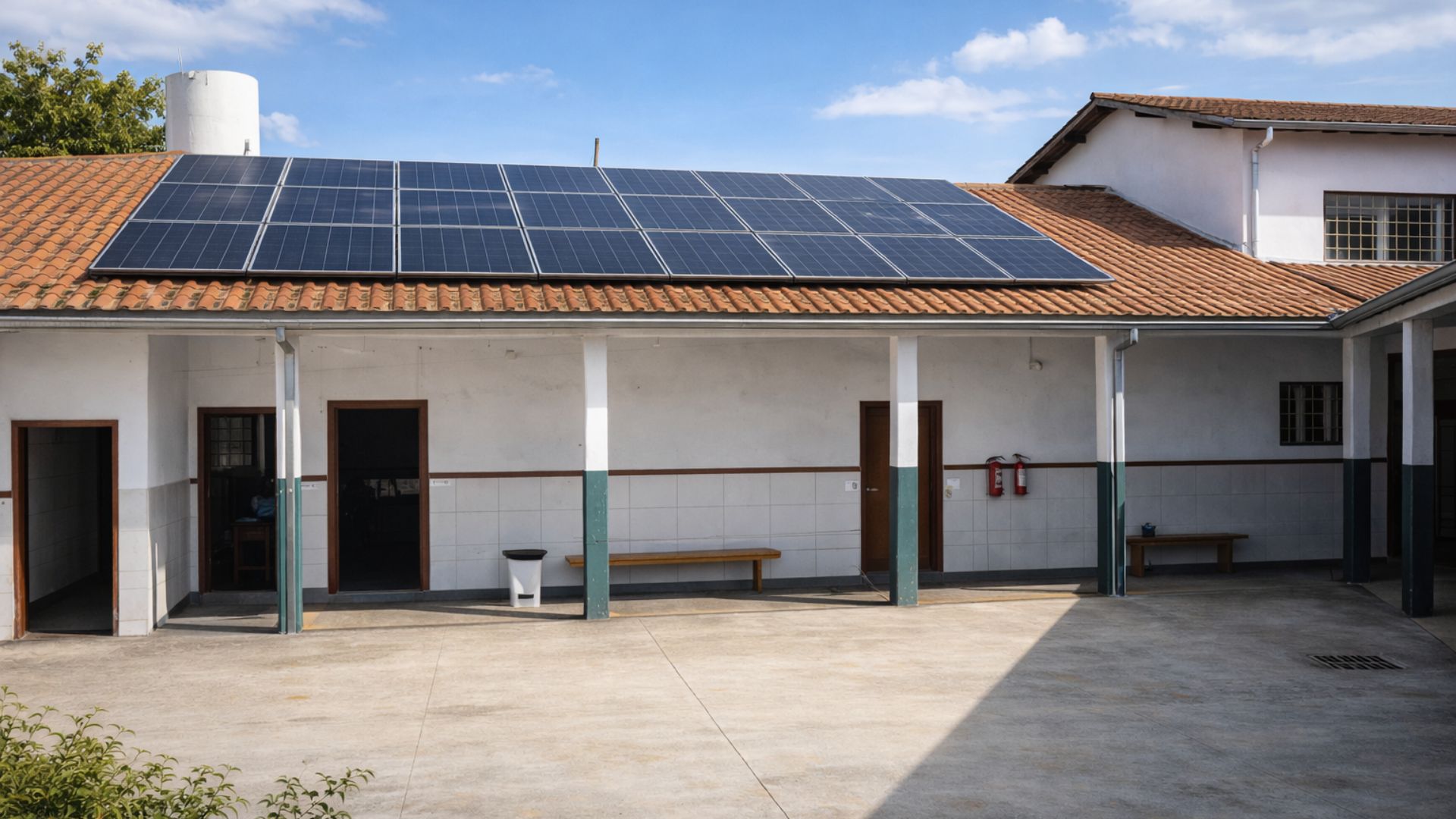
Copel boosts solar energy in Paraná and brings innovation to public schools, promoting savings on electricity bills, energy efficiency, and a direct impact on the quality of education.

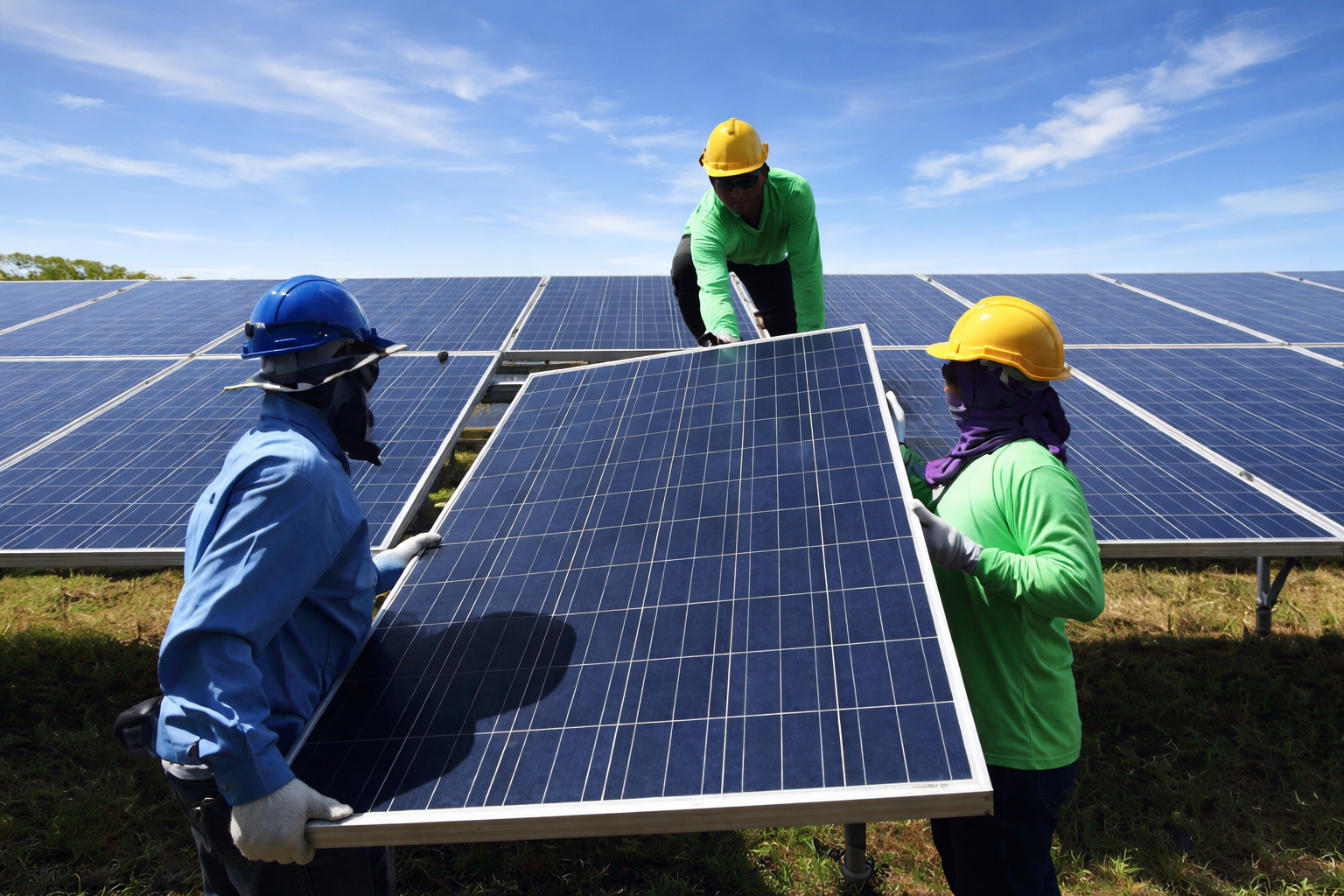
The new system will combine high-efficiency solar panels with state-of-the-art lithium-ion batteries, capable of storing energy during the day to be used at night or during periods of low solar irradiation.
The installation will occupy a carefully planned area to minimize environmental impacts and preserve the ecosystem of Fernando de Noronha, one of the most protected and sensitive regions in the country.
The system will have the potential to meet a significant part of the island’s electrical demand with renewable sources, significantly reducing diesel consumption at the local thermoelectric plant. The hybrid model ensures greater energy stability, supply security, and lower greenhouse gas emissions.
Neoenergia Initiative: Reducing Diesel Use
Currently, Fernando de Noronha relies on maritime transport to receive fossil fuel for electricity generation, which represents high operational costs and a significant environmental impact.
With the new system, the expectation is to eliminate annual tons of diesel use, as well as avoid the emission of hundreds of tons of CO₂ per year, according to sector data.
This change aligns with the Noronha Carbon Zero program, launched by the government of Pernambuco, which aims to make the island a national reference in sustainability.
The Neoenergia project is an essential pillar of this strategy, contributing to reducing emissions and strengthening the energy transition in the archipelago.
Neoenergia’s Cutting-Edge Technology Drives Energy Transition
The hybrid system will use large-scale batteries and smart inverters, responsible for balancing the electrical grid and ensuring stable energy supply, even during demand peaks. This technology is essential in isolated locations like Fernando de Noronha, which are not connected to the National Interconnected System (SIN).
The project will also include real-time digital monitoring, allowing operators to automatically adjust energy storage and consumption according to weather conditions and daily population use. This automation reduces waste, increases operational efficiency, and extends equipment lifespan.
According to Eduardo Capelastegui, CEO of Neoenergia, the decarbonization process of Fernando de Noronha’s electrical matrix has been in development for several years.
Since the company began operating electricity supply on the island, it has maintained a continuous commitment to energy transition. The diesel system, which for a long time was the only viable alternative, is gradually being replaced by a more sustainable and innovative model.
Solar Energy and Environmental Education Go Hand in Hand on the Island
One of the project’s distinguishing features is the direct engagement of the local community. In addition to the infrastructure for solar energy and batteries, Neoenergia conducts educational activities and workshops on conscious consumption, energy efficiency, and environmental preservation. The goal is to expand knowledge about clean sources and encourage sustainable practices among residents and visitors.
These activities are part of the Noronha Carbon Zero program, which transforms the island into a living laboratory of innovation and sustainability. Local schools receive training to include renewable energy in their curricula, and awareness campaigns are carried out in partnership with environmental and tourism organizations.
Fernando de Noronha as a National Reference in Clean Energy
The start of construction positions Fernando de Noronha as a reference in energy transition and sustainable innovation. Currently, about 95% of the energy consumed in Fernando de Noronha is supplied by the Tubarão Thermoelectric Plant, powered by diesel oil.
The unit has 11 generators, with a total installed capacity of approximately 10 MW, sufficient to meet the average demand of 4.5 MW from the island, with peaks of up to 6.5 MW during the summer. Thus, the combination of solar energy and batteries will provide energy security, cost reduction, and mitigation of environmental impacts, especially in remote areas.
Experts indicate that the experience in Noronha can accelerate the implementation of similar systems in riverside communities in the Amazon, coastal islands, and semi-arid northeastern regions.
In addition to the positive environmental impact, the adoption of hybrid solar energy stimulates local economic development, creating job opportunities in maintenance, technology, and sustainable tourism.
Investments by Neoenergia Reinforce Commitment to Sustainability
Between 2024 and 2025, Neoenergia allocated millions to innovation, renewable energy, and large-scale storage projects. The investment includes the expansion of solar and wind parks in several states, as well as pilot projects focused on green hydrogen, electric mobility, and smart grids.
The group, part of the Spanish conglomerate Iberdrola, operates in 18 Brazilian states and maintains one of the largest clean generation portfolios in Latin America. The project in Fernando de Noronha reinforces this leadership and demonstrates Brazil’s potential to advance in the decarbonization of its electrical matrix.
According to company executives, the goal is to integrate complementary technologies — such as storage and distributed generation — to ensure energy stability and economic sustainability in the long term.
Clean Energy and Innovation Define the Future of Fernando de Noronha
The hybrid solar and battery energy system implemented by Neoenergia in Fernando de Noronha symbolizes a profound transformation in how isolated communities can generate and consume energy. With 22.8 MW of power and 49 MWh of storage, the project will combine technological efficiency, environmental preservation, and energy autonomy.
The initiative will reduce costs, emissions, and boost sustainable tourism, strengthening the island’s image as one of the most advanced ecological destinations in the world.
More than an infrastructure project, it is a model of modern energy policy, uniting innovation, social responsibility, and environmental commitment.
The example of Fernando de Noronha demonstrates that it is possible to balance economic development and environmental preservation, inspiring other regions of Brazil to adopt clean energy solutions and accelerate their energy transition.







Seja o primeiro a reagir!