





 Portuguese
  English
  Spanish
  4 min of reading
  1 comment


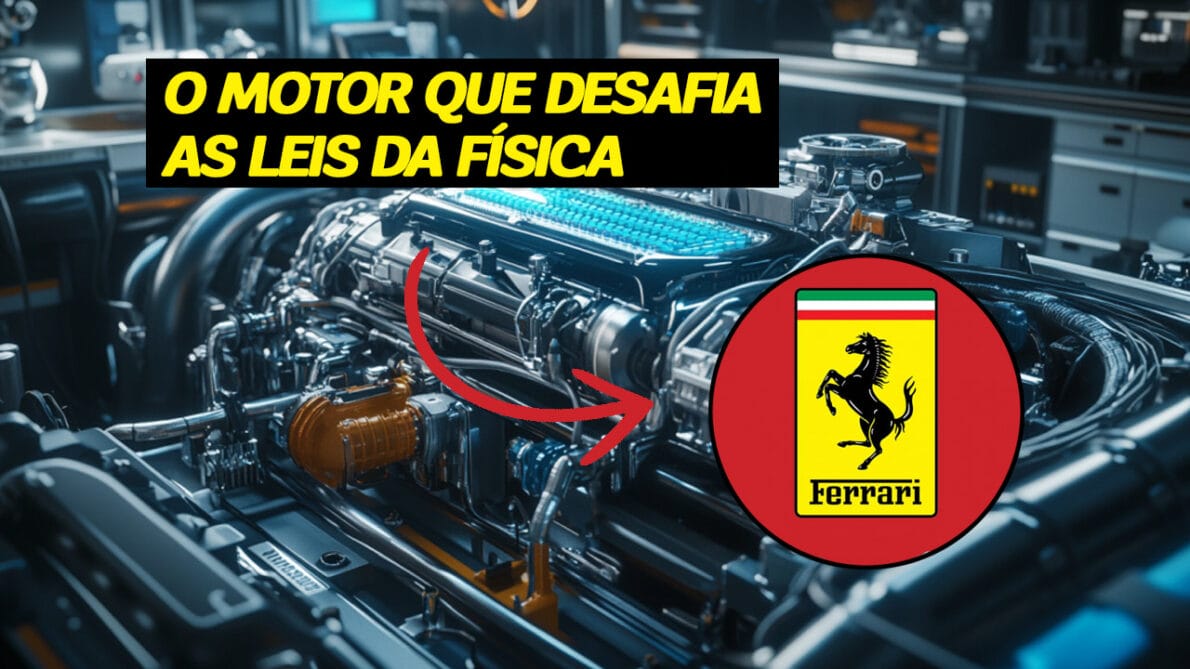

Ferrari Unveils Hydrogen-Powered Engine That Promises to Change the Future of Sustainable Mobility. Is This Innovation the Beginning of a New Era for Zero-Emission Vehicles?
At a time when sustainability is one of the biggest global concerns, a renowned Italian brand has just revealed a technological innovation capable of shocking the entire world.
The announcement caught the automotive industry by surprise, generating doubts and curiosity regarding the future of combustion engines.
Could it be possible that one of the greatest symbols of motorsport is at the forefront of the revolution for hydrogen-powered cars? And more: has Ferrari finally created an engine that can truly burn water instead of gasoline?
-
For R$ 32,000, a brand new Hyundai car is a rival to the Kwid with a 1.2 engine producing 82 hp, 6 airbags as standard, multimedia with wireless Android Auto, up to 391 liters in the trunk, and a refreshed look for 2026 in India.

-
He bought a new car in 1983, locked it in the barn in 1988, and no one opened the door for 38 years until the family discovered what was stored inside and realized it looked like something out of a movie.

-
A 250cc motorcycle that can reach 560 km with a 14-liter tank, features disc brakes on both wheels and is among the most well-known in Brazil.

-
Man finds over 200 rare cars abandoned on a lot and tries to do the impossible in 8 hours with a surprise at the end.


According to the portal Econews, Ferrari has fully entered the race for sustainable mobility.
The manufacturer revealed a new and impressive hydrogen-powered engine, an advancement that promises to dramatically reduce pollutant emissions.
The goal is clear: revolutionize the automotive sector, maintaining the performance of conventional engines but without the harmful effects of fossil fuels.
A Hydrogen Engine That Promises True Sustainability
Ferrari, one of the most recognized brands in the world, unveiled its hydrogen-powered engine, an alternative to electric and zero-emission internal combustion engines.
The innovation arises as a direct response to increasing environmental concerns, especially with the rise in carbon dioxide (CO2) emissions.
According to experts, using hydrogen as fuel could neutralize the environmental impact caused by gasoline-powered vehicles, reducing CO2 and NOx emissions, as well as minimizing global air pollution.
The Econews highlights that this technology can not only reduce pollution but also represents a milestone in the development of cleaner and more efficient vehicles, potentially serving as inspiration for other automakers.
Major automotive companies are already moving to explore this new hydrogen engine model.
The Unique Structure of the Ferrari Engine
In addition to promising a cleaner future, this new engine from Ferrari maintains features that are essential for speed enthusiasts.
One of the highlights is the retention of the traditional combustion engine sound, a characteristic that enthusiasts will surely appreciate.
The new model eliminates the use of heavy batteries, common in electric cars, significantly reducing the vehicle’s weight and maintaining the characteristic agility of sports cars.
One of the most curious and intriguing aspects of this engine lies in its inverted design system, which challenges traditional automotive engine approaches.
The cylinder head and its valves are at the bottom, while the crankshaft is positioned at the top.
According to Econews reports, this format is considered radical, and while it offers performance benefits, it also raises concerns about proper lubrication and the durability of the system.
Challenges and Potential Future of the Innovation
Although the hydrogen engine from Ferrari is a potential revolution, it is not without challenges.
The lack of a traditional lubrication system could compromise long-term performance, requiring manufacturers to invest time and resources in refining this technology before it is widely adopted.
The use of a dry and pressurized sump, with specialized oil pumps, is an attempt to address this problem, but it is a path that requires ongoing testing and improvements.
According to the analysis from Econews, automotive companies are keeping an eye on this innovation, as it could shape the future of zero-emission vehicles, while also driving a race for even more efficient and sustainable solutions.
Hydrogen: The Fuel of the Future?
The supercharging of the engine also deserves attention, made possible by electrically powered centrifugal compressors.
This ensures the energy efficiency of the engine, which can receive support from an electric motor on the front axle or even from a standalone turbocharger.
These innovations are extremely relevant in the context of the global energy transition.
The search for alternative fuels and zero-emission technologies is a priority for automakers, and solutions like Ferrari’s hydrogen engine are fundamental to this change.
Experts say the demand for less polluting vehicles is growing, and Ferrari may be at the forefront of this new era.
What to Expect from This New Automotive Era?
The introduction of this hydrogen engine from Ferrari raises a series of questions about the future of sustainable mobility.
Is the Italian company truly ready to lead a green revolution in the automotive industry?
Will this technology be viable on a large scale, and, more importantly, will consumers be willing to invest in hydrogen-powered vehicles?
What we know so far is that Ferrari, with this bold initiative, challenges the status quo and brings new perspectives to a sector that seeks to reduce its environmental impact.
After all, will hydrogen be the definitive fuel of the future, or will we see other alternatives emerge in the coming years?
Will this radical innovation from Ferrari truly lead the future of sustainable cars? Is hydrogen technology a viable solution to combat climate change, or do you think electric cars still have an advantage?









Em primeiro lugar o motor DB600 usado no Messerschmitt BF109 era um motor invertido já nos anos 1930. Em segundo lugar usar hidrogênio para fazer energia elétrica não é nada parecido a ‘queimar água “. Sugiro menos sensacionalismo e mais objetividade