





 Portuguese
  English
  Spanish
  4 min of reading
  9 comments


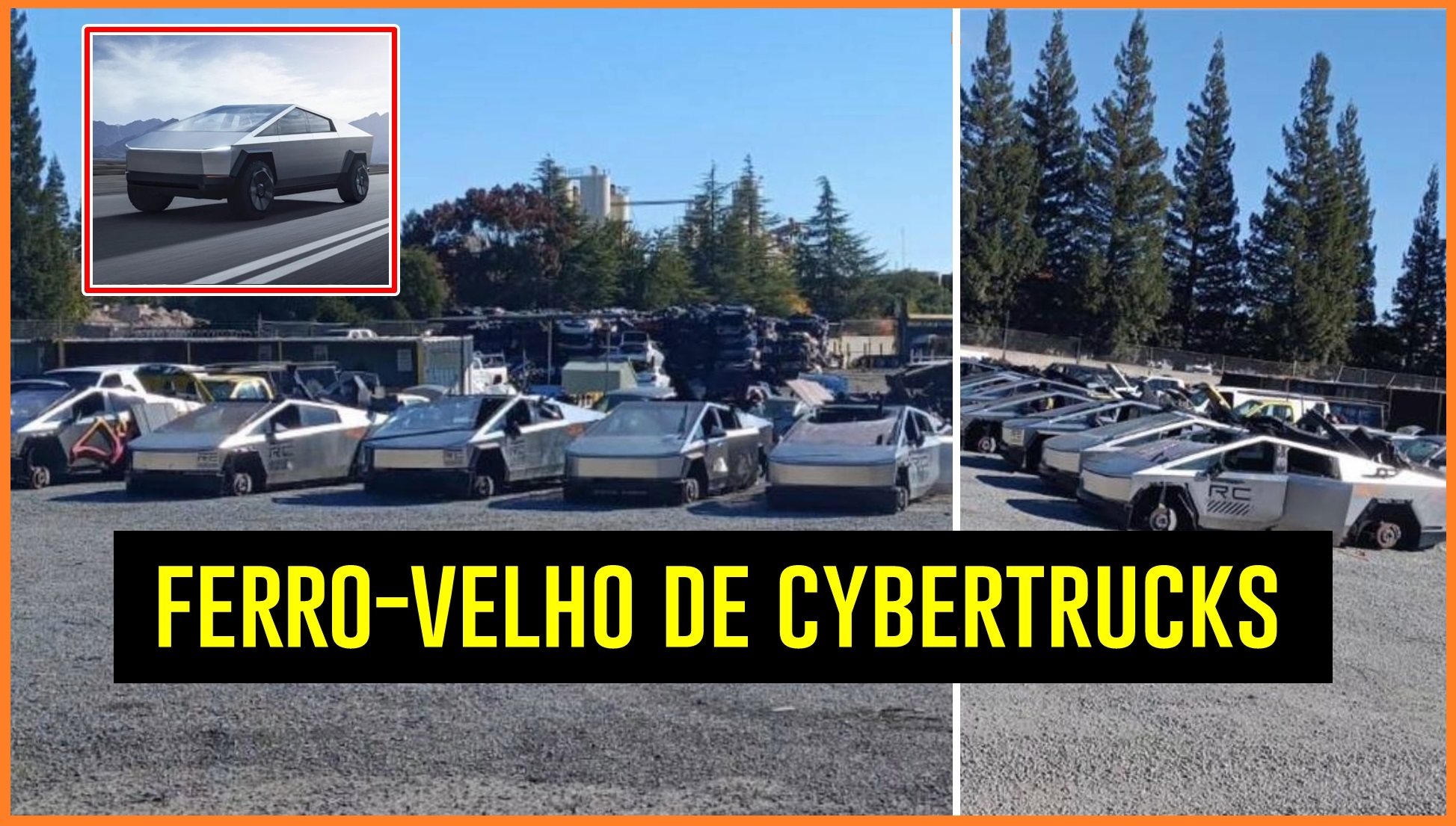

American Junkyard Specializing in Tesla Cybertrucks Has Dozens of Vehicles Destined for Crushing
When we think of a dream car, we imagine adventures, trips, and memorable moments. But what happens when the lifespan of these vehicles comes to an end? Recently, we saw a sad example with Tesla’s Cybertrucks: dozens of prototypes, including pre-release vehicles, stored in a junkyard, waiting to be destroyed.
The image stirred the community of fans and sparked discussions: why can’t these vehicles have a second chance? Some even suggested a “Cadillac Ranch” style exhibition. But in the end, the fate was already sealed. The reality is relentless, and even for unique and iconic cars, the end in a junkyard seems inevitable.
-
For R$ 32,000, a brand new Hyundai car is a rival to the Kwid with a 1.2 engine producing 82 hp, 6 airbags as standard, multimedia with wireless Android Auto, up to 391 liters in the trunk, and a refreshed look for 2026 in India.

-
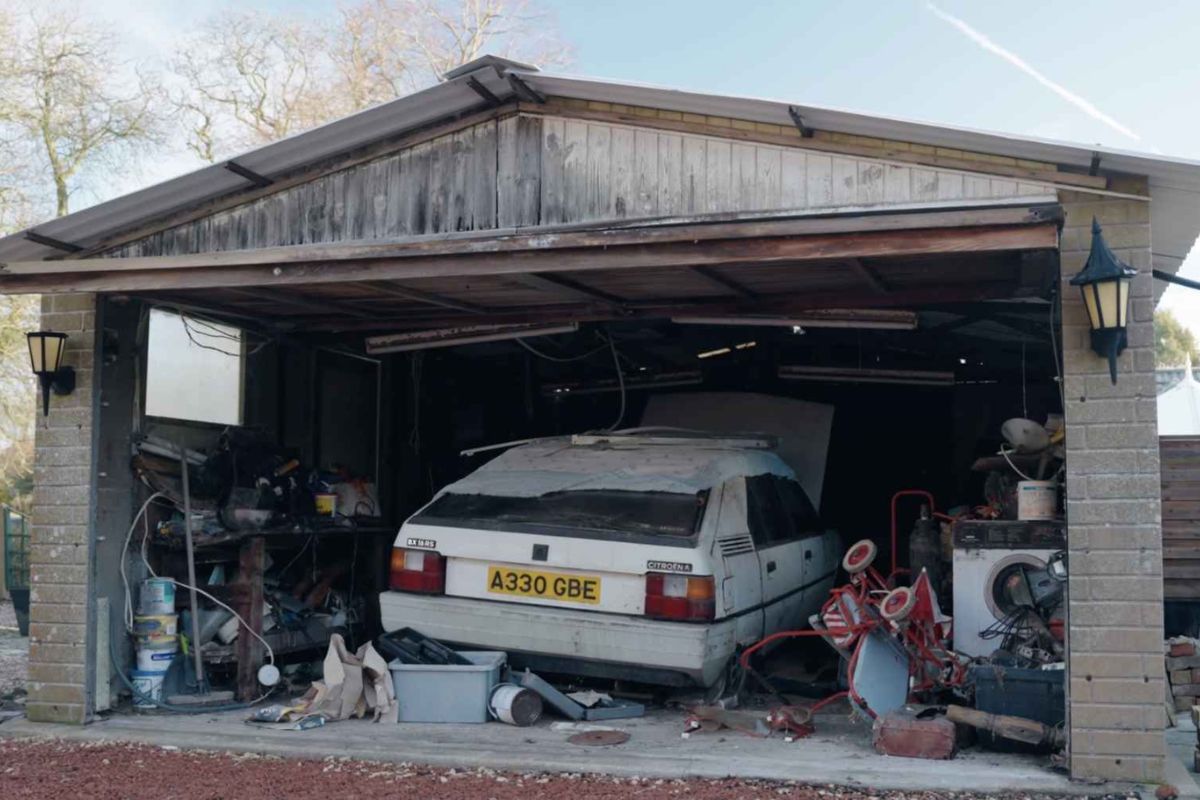
He bought a new car in 1983, locked it in the barn in 1988, and no one opened the door for 38 years until the family discovered what was stored inside and realized it looked like something out of a movie.
-
A 250cc motorcycle that can reach 560 km with a 14-liter tank, features disc brakes on both wheels and is among the most well-known in Brazil.
-
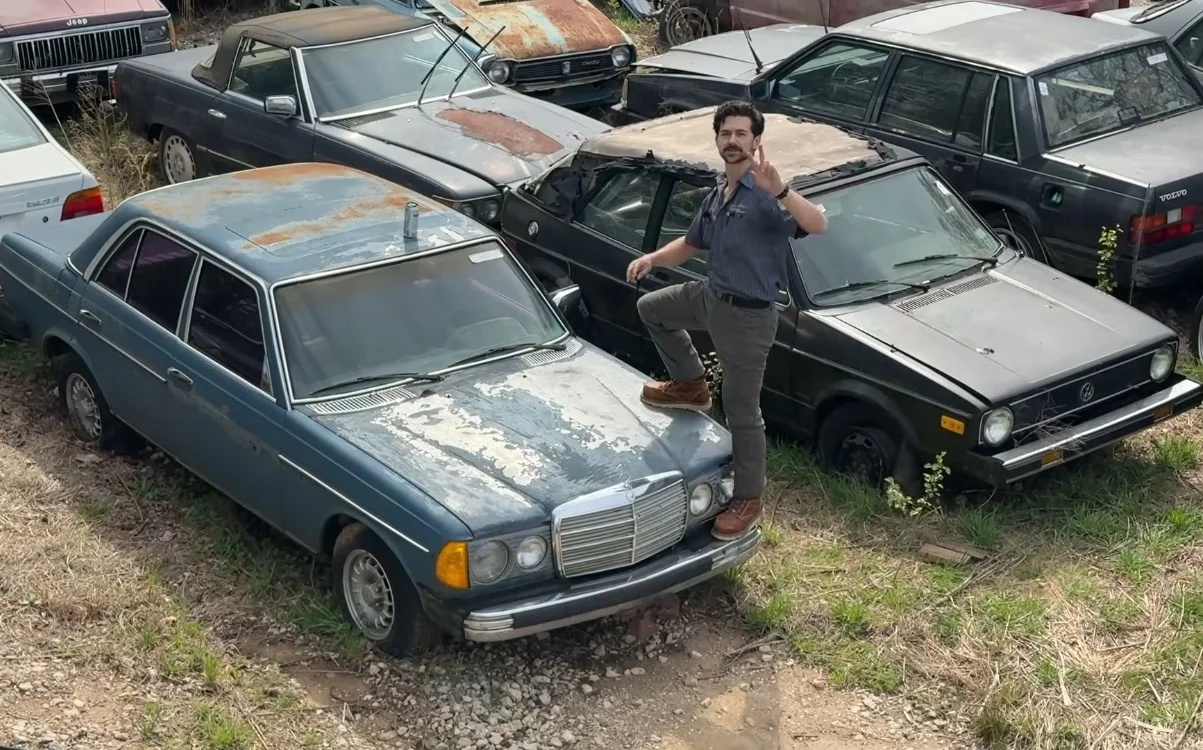
Man finds over 200 rare cars abandoned on a lot and tries to do the impossible in 8 hours with a surprise at the end.
For car enthusiasts, whether it’s a classic model or a supercar, the idea of seeing them in a junkyard is painful. Some even name their cars and treat them as family members. In some cases, these “relics on wheels” are passed down from generation to generation, and the story of each vehicle remains alive, full of memories and sentimental value.

But this is the exception, not the rule. Most cars have a more common fate: they are bought, used, and eventually discarded when their owners decide to upgrade to a more modern or efficient model.
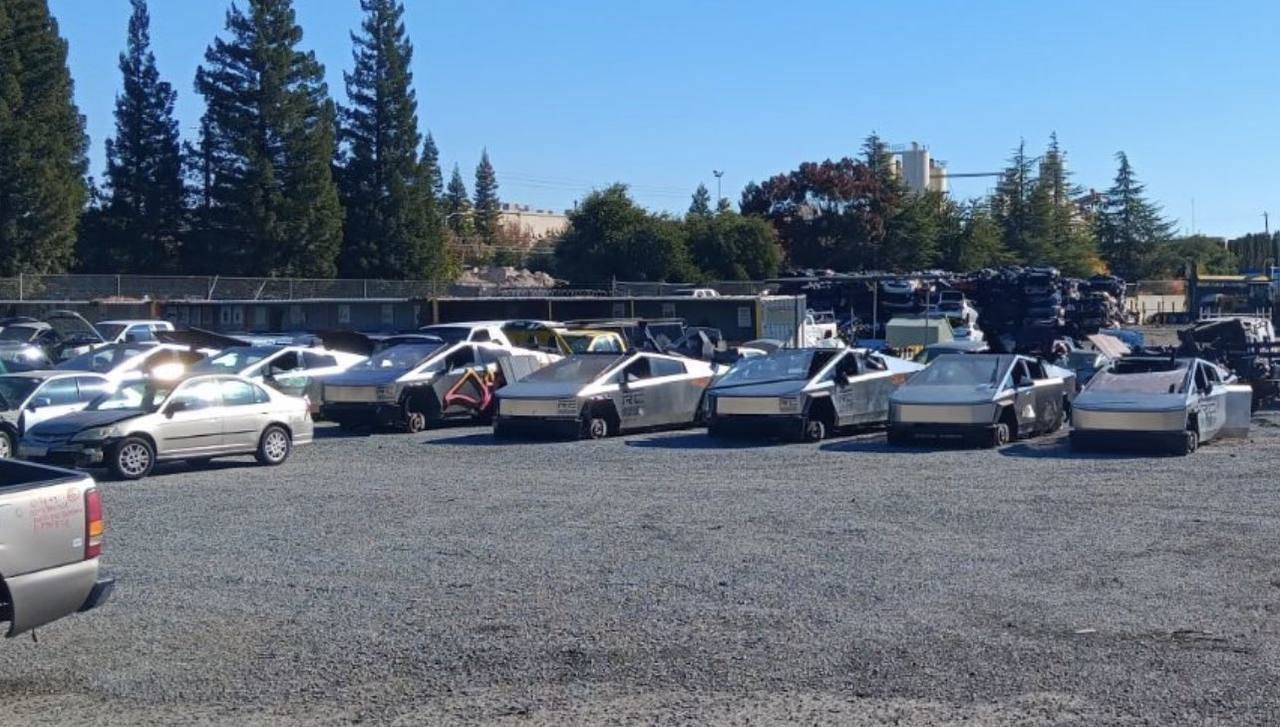
Reality of Junkyards with Cybertrucks
Junkyards are part of the life cycle of most vehicles, even if it’s one of the saddest parts. No matter how valuable a car is to someone, it will eventually succumb to the wear of time and market laws.
And this is not a recent situation. In fact, there are emblematic cases in the past that remind us of what happened with the Cybertrucks. The GM EV1, for example, is one of the most famous cases.
This electric vehicle was considered revolutionary, but due to commercial issues and market pressures, almost all were sent to be destroyed. There were protests and attempts to save them, but no effort was sufficient to prevent the tragic fate of the EV1s, which led to a series of conspiracy theories and fan protests.
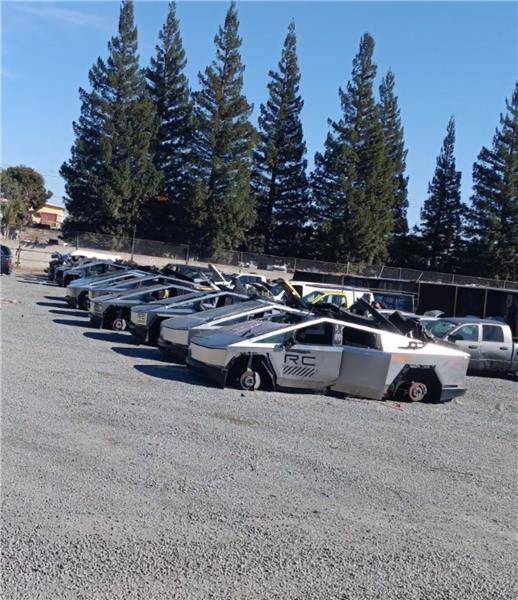
When the Fate of a Car Is Sealed
The same fate is being shared by many other iconic vehicles over the years. In 2021, more than a hundred Corvette C8s, which were being produced at GM’s factory in Kentucky, were destroyed due to damage caused by a tornado.
The Corvette C8, at the time, was a rare and highly sought-after vehicle, as factories were facing supply chain issues following the 2020 pandemic. However, even though they were desired, the decision to destroy them was firm. This shows that, for automakers, these vehicles, no matter how unique they may seem, represent only a stage in a process.
Another more recent example involves the prototypes of Tesla’s Cybertrucks. In 2023, these vehicles were in the spotlight while Tesla conducted extreme durability tests with them in Baja, Mexico.
It was during this occasion that Tesla fans saw, for the first time, the Cybertrucks with graffiti and the characteristic lightbar. It was a spectacular and exciting sight for enthusiasts, who could finally see the vehicle in action and imagine the possibilities it would bring to the market.
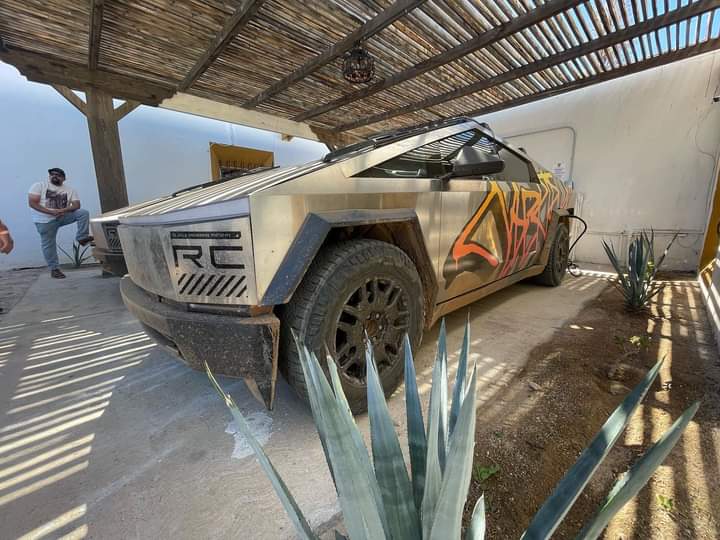
A Farewell Without Honor
However, now these Cybertrucks are dismantled, without wheels, batteries, or engines, waiting for their destruction. For many fans, it’s one of the saddest moments in the brief history of the Cybertruck. Seeing these vehicles, which carry the spirit of innovation, being prepared for their end is a shock.
These prototypes served their purpose: they were tested to the limit so that the final model would be safe, efficient, and functional for consumers. But, due to legal and safety issues, they cannot be kept or sold. Each destroyed prototype must have its end documented to ensure that, should anything go wrong in the future, there is no additional liability for the automaker.
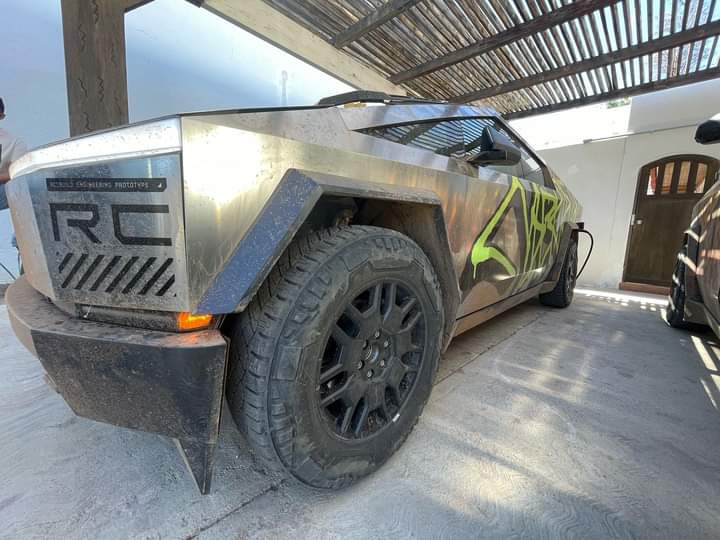
There is also an intriguing question: are the crushing machines really capable of destroying the stainless steel of the Cybertrucks? This doubt sparks a morbid curiosity about the final fate of these vehicles.
But in the end, like other prototypes, they will find oblivion among piles of twisted metal, reduced to fragments of a dream that one day will grace the roads.







É esse moço mesmo o Leonardo de Cáprio. Devemos todos repudiar esse povo holywodiano que se diz preocupado com o meio ambiente e ganham rios de dinheiro arrecadando dinheiro de ONG fake.
No comentário anterior os asteriscos querem dizer, “… veículos de ****…”. Bom é na China que não tem ministério do meio ambiente.
É bom essa revista dar a informação que conduza à matéria; quem ler a manchete acha que são milhares de Cyber Trucks e são pouquíssimos, inclusive de ****. Não é o que ocorre na China. Por essa e outras, embora até eu tenha defendido está revista noutra época, tenho negado receber notificação de um bocado de revistas assim, inclusive desta.