





 Portuguese
  English
  Spanish
  4 min of reading
  7 comments


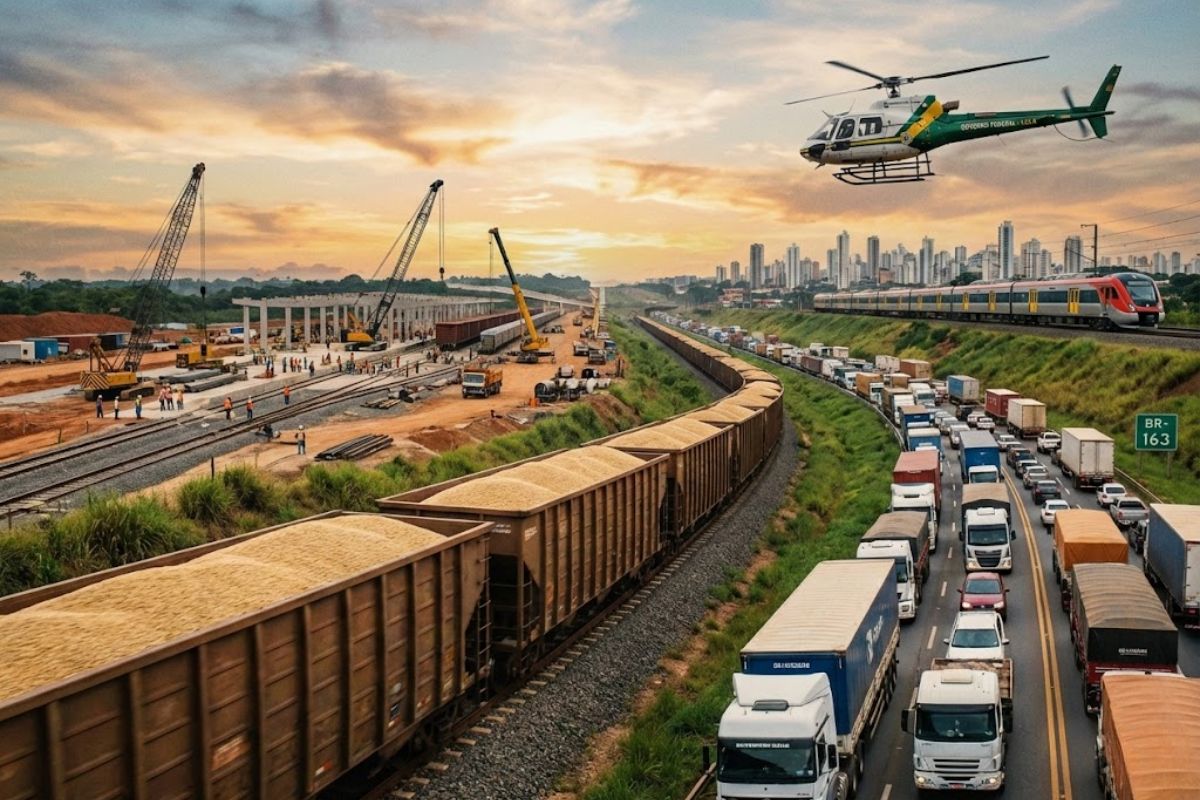


With Ferrogrão Studies Approved by ANTT and Sent to TCU, Lula’s Government Accelerates the Granting of 933 Kilometers Between Sinop and Miritituba to Transport Soybeans, Reduce Trucks on BR 163, Cut Emissions, Integrate the Southeast Railway Ring, and Unlock US$ 4.6 Billion in Logistics Investments Across the Producing Region.
Last week, the Ministry of Transport approved the updated technical studies of Ferrogrão (EF-170), reopening the path for the concession of 933 kilometers of tracks between Sinop, in Mato Grosso, and Miritituba, in Pará, within the package of railway projects planned until 2026.
With the studies already validated by the National Land Transport Agency and now sent to the Federal Court of Accounts, Lula’s government is trying to accelerate the shift of soybeans and other grains from BR 163 to the tracks, promising fewer trucks, fewer accidents, and more competitive freight heading to the ports of the North Arc.
Ferrogrão Unlocks Soy Corridor Between Sinop and Miritituba
Designed as an alternative corridor for the agribusiness of the Midwest, the Ferrogrão connects the producing region of Sinop, in northern Mato Grosso, to the Miritituba terminal, in Pará.
-
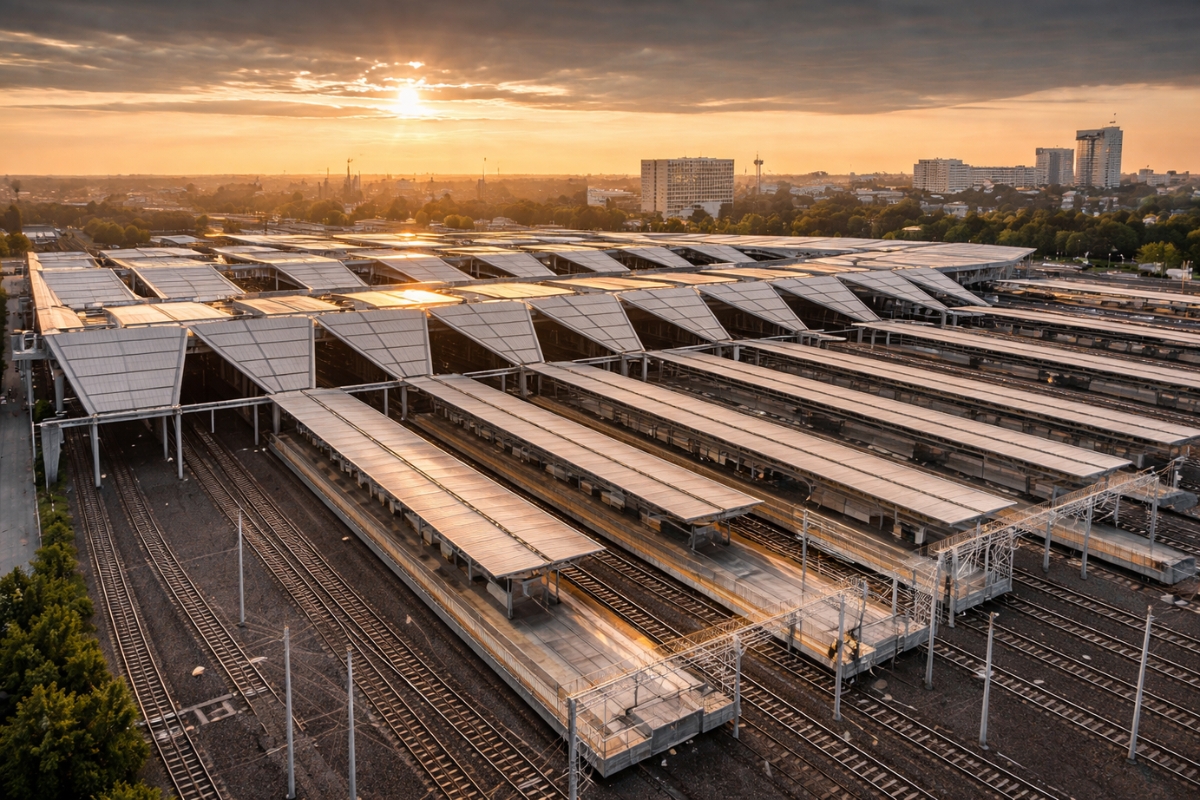
In A European City, The Country’s Largest Railway Junction Was Modernized Without Closing Its Doors, Kept Trains Running During Years Of Construction, Now Serves Up To 60,000 Passengers Per Day, And Installed Solar Panels That Generate About 30% Of Its Energy
-
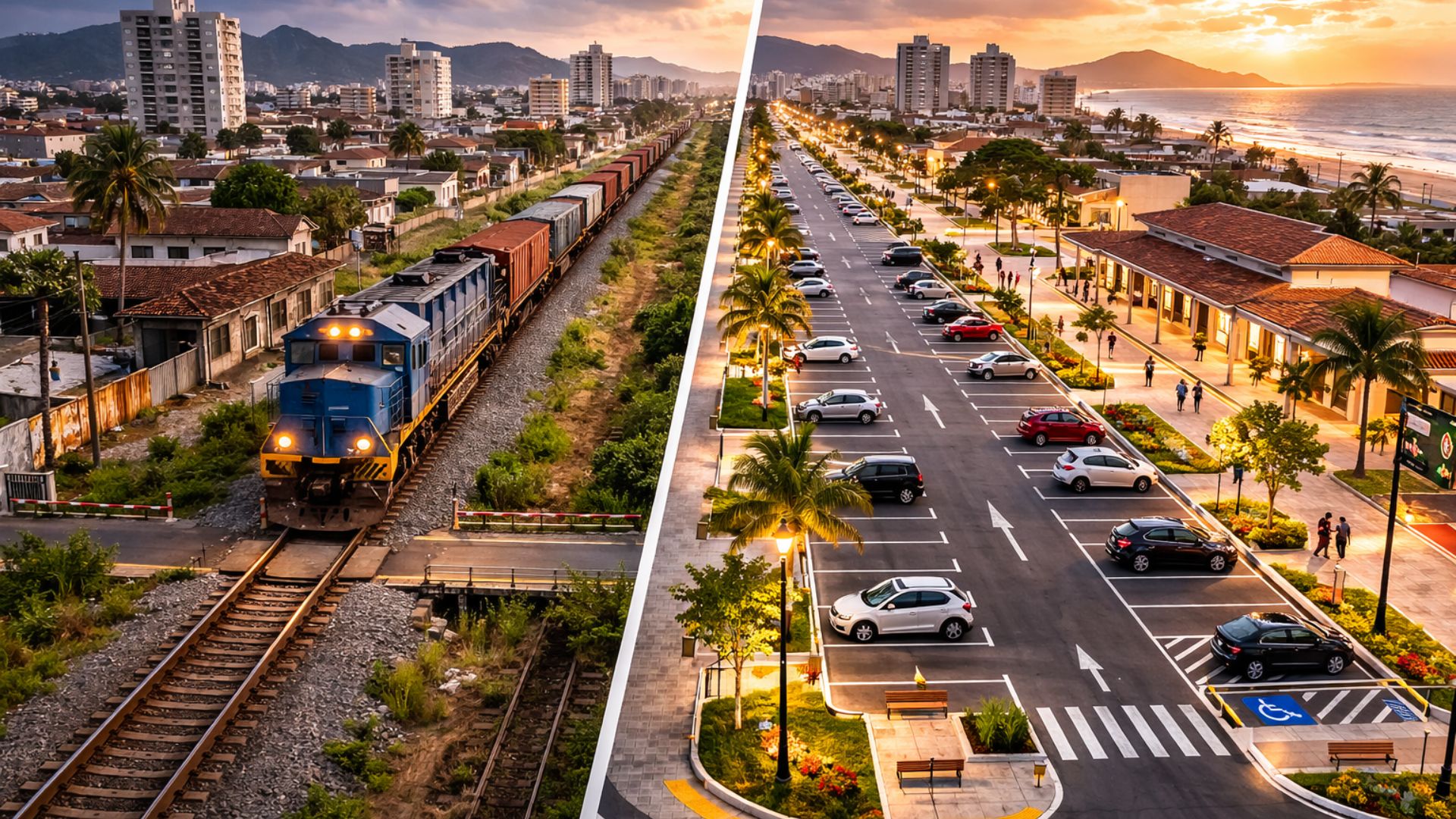
Famous Brazilian Railway May Become a Parking Lot
-
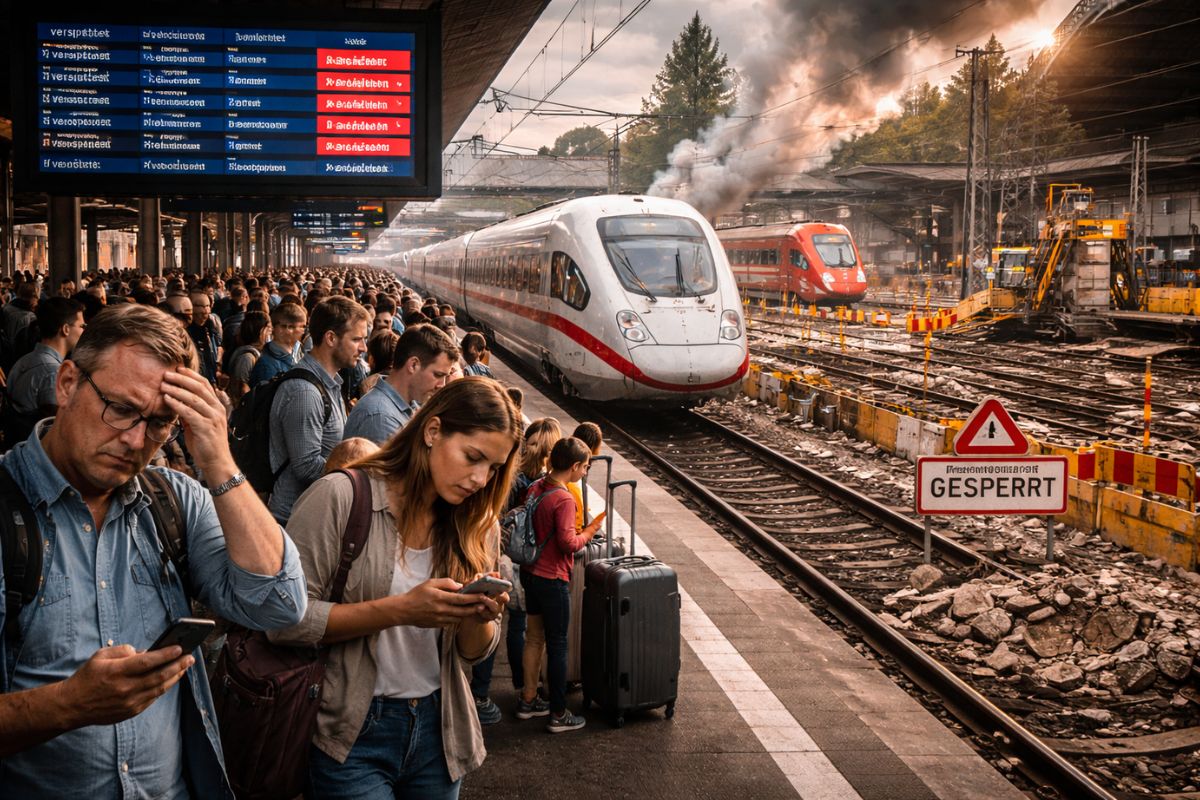
The Country of “Punctual As a Train” Admits It Has Lost Control: High-Speed Trains Delay, Stop, Disappear from the Map and Turn 6-Hour Trips into 10, While Deutsche Bahn Promises Restructuring in 2026 But Faces 19th Century Infrastructure, Staff Shortages and Sections Closed for Months
-
With an Investment of R$ 700 Million in One of the Country’s Main Rail Networks, VLI Reinforces Infrastructure, Receives 8 New Locomotives, and Expands the Corridor Connecting 7 States, Boosting Jobs and the Transportation of Grains, Ore, and Oil Products to the Port of Santos
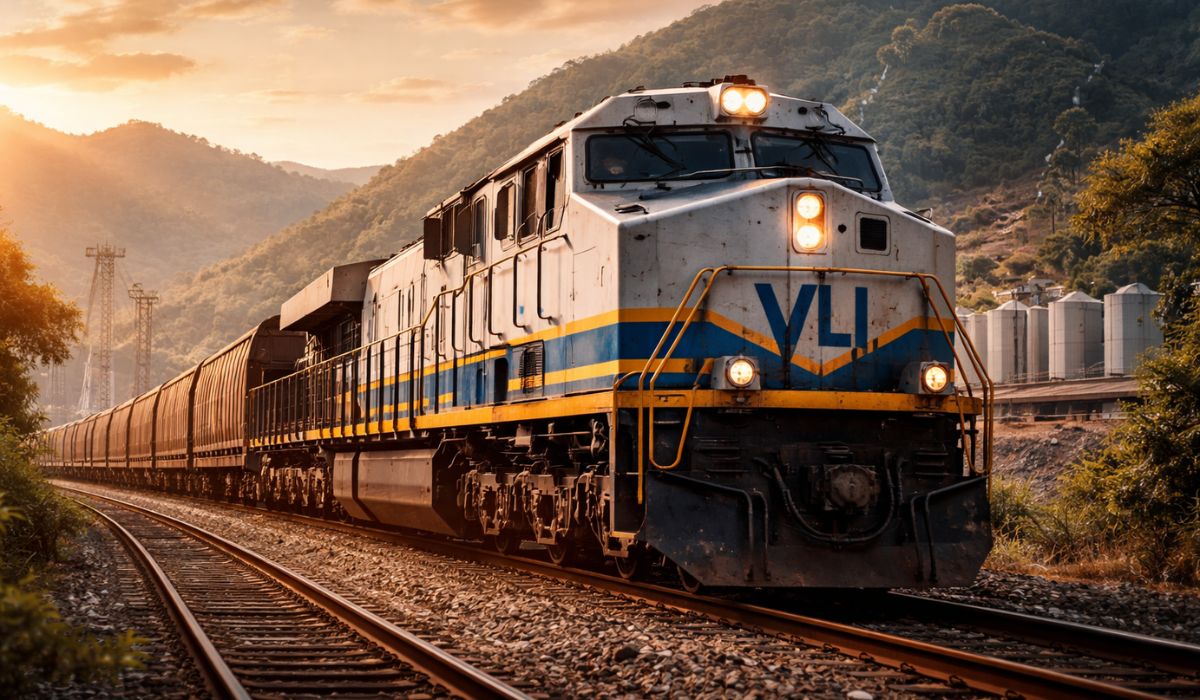

In practice, the railway promises to relieve the dependency on BR 163, a route today overloaded with grain trucks heading to the ports of the so-called North Arc.
The concession of the Ferrogrão is seen by the Ministry of Transport as a key piece in the strategy to increase the share of rail transport in the transportation matrix, reducing the reliance on highways for long distances.
With a length of 933 kilometers, the route was specifically planned to bring agricultural production closer to waterway and port terminals without requiring entire journeys on asphalt.
Technical Studies of Ferrogrão Receive Complete Update
The updated studies of Ferrogrão incorporate revisions in demand, engineering, operation, environment, and economic-financial modeling, as well as more detailed analyses of socio-economic cost-benefit.
The work also includes a balance of greenhouse gas emissions and expands the socio-environmental mitigation and compensation programs planned along the route.
In the assessment of the technical team, this update makes the project more robust to face the scrutiny of the Federal Court of Accounts.
The idea is that, with more accurate numbers on cargo demand, environmental impacts, and economic returns, Ferrogrão will reach the bidding stage with greater legal security for the public sector and private investors.
Fewer Trucks on BR 163, Cheaper Freight, and Fewer Emissions
The central objective is clear: to take trucks off BR 163. By shifting the flow of grains to the tracks between Mato Grosso and Pará, Ferrogrão is expected to reduce accidents and congestion on one of the most critical highways for the transportation of the Brazilian harvest.
With the cargo transferred to the train, the Ministry of Transport projects lower logistical costs for producers and consumers, directly impacting the final price of food and increasing Brazil’s competitiveness in the international market.
The concentration of transportation in railway compositions is also expected to result in a significant reduction in greenhouse gas emissions, aligning the export corridor with the country’s environmental goals.
Southeast Railway Ring Enters the Same Showcase of Concessions
As Ferrogrão advances toward the TCU, another strategic project has been unlocked: EF 118, known as the Southeast Railway Ring.
The Ministry of Transport has completed the social participation phase of the venture, which also integrates the portfolio of railway concessions planned for 2026.
The final report of this phase will be incorporated into the Ministry’s Grant Plan and will serve as the basis for structuring the tender.
The forecast is for over 4.6 billion reais in private investments, aimed at increasing logistical capacity, strengthening the connection between ports, industrial areas, and production centers, and better organizing railway flow in one of the country’s busiest economic axes.
New Tracks for the Southeast and a Paradigm Shift in Concessions
With the Southeast Railway Ring, the government’s plan is to spread the gains of Ferrogrão beyond the Midwest, integrating the new grain corridor into a more efficient network linking to the industrialized Southeast.
The combination of the two projects promises to create a more fluid network between producing areas, industrial hubs, and port terminals.
According to the Ministry of Transport, this set of measures marks a paradigm shift in railway concessions, with more mature projects, more detailed studies, and greater dialogue with society during the public hearing and consultation phases.
In your opinion, will Ferrogrão and the Southeast Railway Ring truly come to fruition by 2026, or should the country prepare for more delays on the tracks?










O povo não esquece o movimento dos caminhoneiros fechando rodovias para defender os ****-**** do mito.
O que o governo fizer para enfraquecer o movimento desta turma, através de novos modais, de “trabalhadores” torna a nossa democracia mais segura.
Na minha opinião essa manobra serve mais para desviar verbas e causar desemprego aos motoristas do o próprio progresso. Deveria investir em rodovias mais modernas e colocar balança para evitar excesso de peso evitando desgaste nas mesmas.
Isso não causa desemprego, pois os caminhões continuarão sendo necessários para transportar produtos até os portos intermodais. O que vai mudar é que as distâncias percorridas serão menores. Os caminhões nunca serão extintos enquanto houver produção em fazendas, apenas terão suas rotas otimizadas.
Esta ferrovia já estaria funcionando a tempo, não fosse a intervenção do STF, no governo anterior