





 Português
  Inglês
  Espanhol
  3 min de leitura
  0 comentários


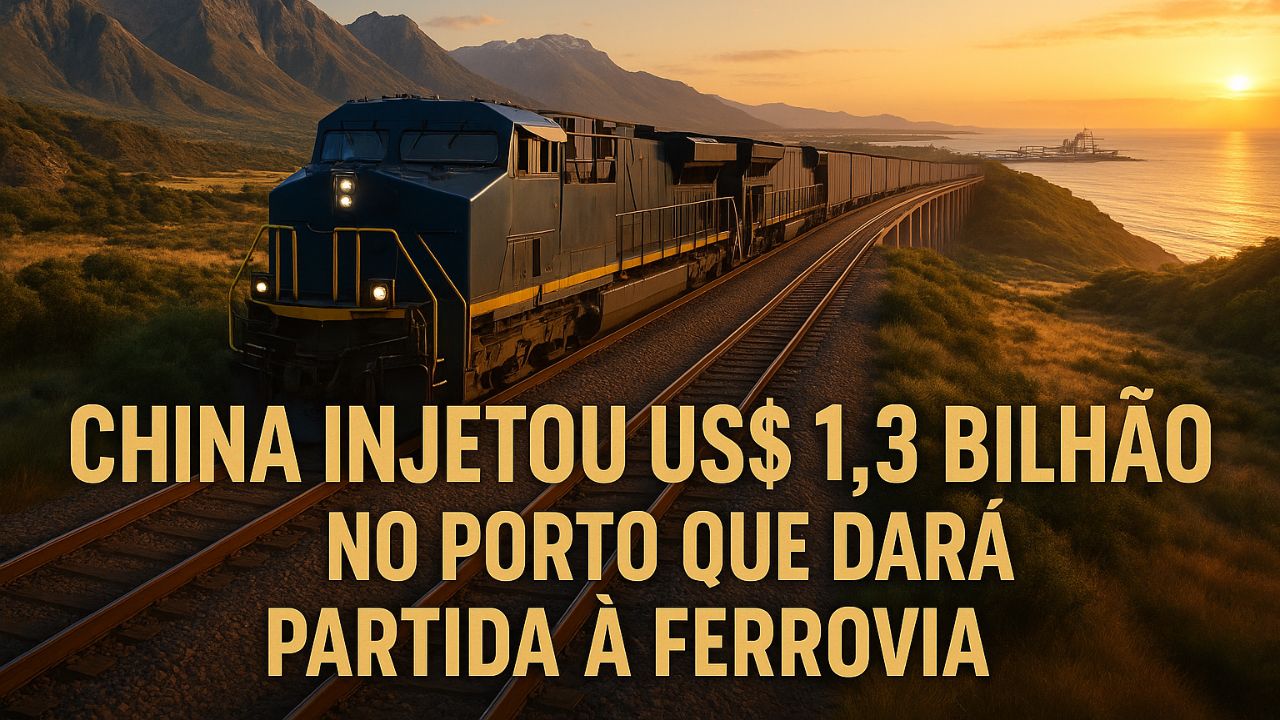
Logistics Project Aims to Connect the Pacific to the Atlantic and Transform the South American Export Axis
Brazil is negotiating with China for the construction of a transoceanic railway that will link the port of Chancay in Peru to the state of Bahia. This undertaking is part of a terrestrial bioceanic corridor and currently has an initial investment of US$ 1.3 billion made by China in the port of Chancay, the starting point of the project. The proposal aims to facilitate the transport of goods between the Pacific and Atlantic oceans and strengthen Brazil’s role in international trade.
Brazil Negotiates Chinese Support for Strategic Infrastructure Project
According to information published by Forbes Brasil, the railway, which already has Chinese investments at the port of origin, intends to connect to the West-East Integration Railway (FIOL), currently in the expansion phase in Brazilian territory. The route is expected to pass through Acre and Tocantins, before reaching the port of Ilhéus in Bahia.
The Minister of Planning, Simone Tebet, confirmed that the project is in the technical phase and may take between five to eight years to complete. The project will be on the agenda of President Lula’s upcoming official visit to China, reinforcing the geopolitical weight of the initiative. The Chinese interest goes beyond engineering: it is a commercial axis that could reduce the export journey from Brazil to Asia by up to 10,000 kilometers.
-
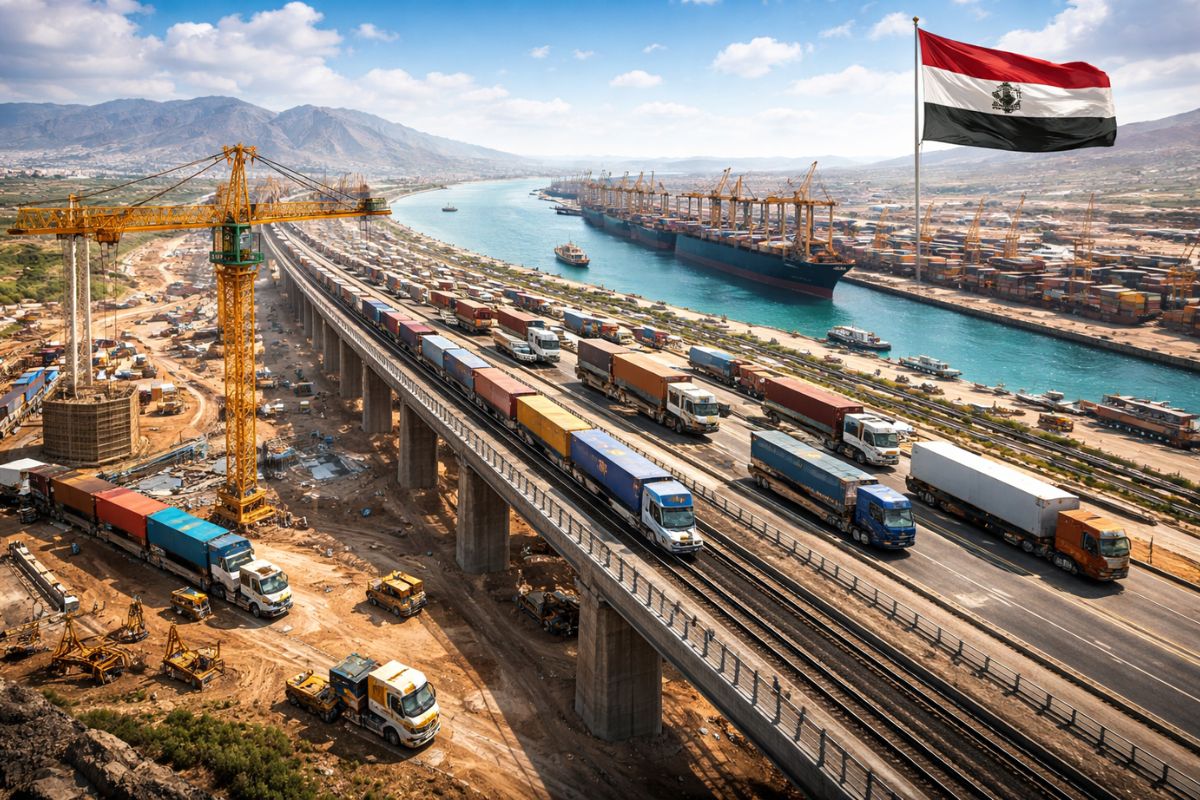
A megaproject worth R$ 89 billion is advancing in Iraq and promises to change the game in global trade by creating a new corridor between Asia and Europe, reducing traditional routes and repositioning the country as a logistics powerhouse.
-
Goodbye bedside table: floating shelves become a trend in 2026 by freeing up space in the bedroom, improving circulation, bringing visual lightness, and integrating technology without taking up floor space.

-
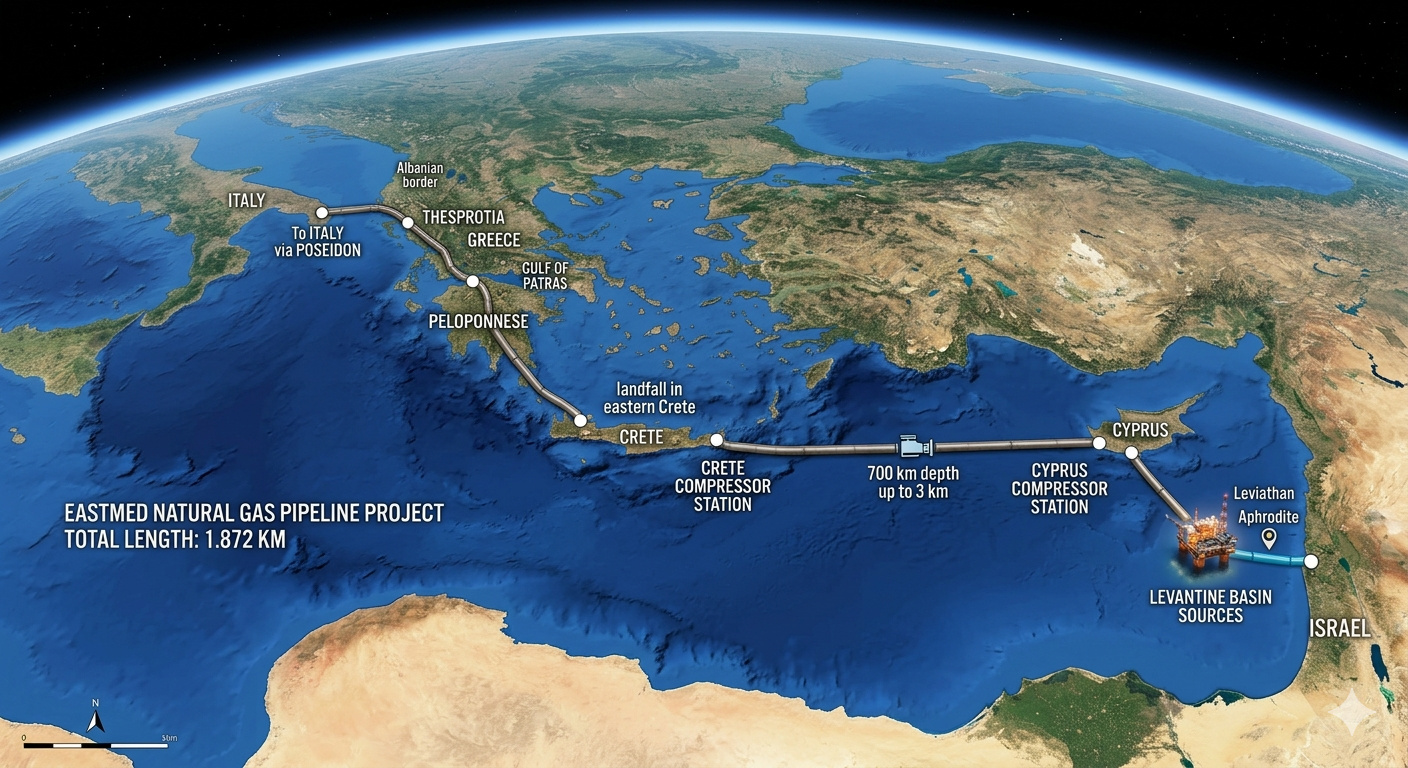
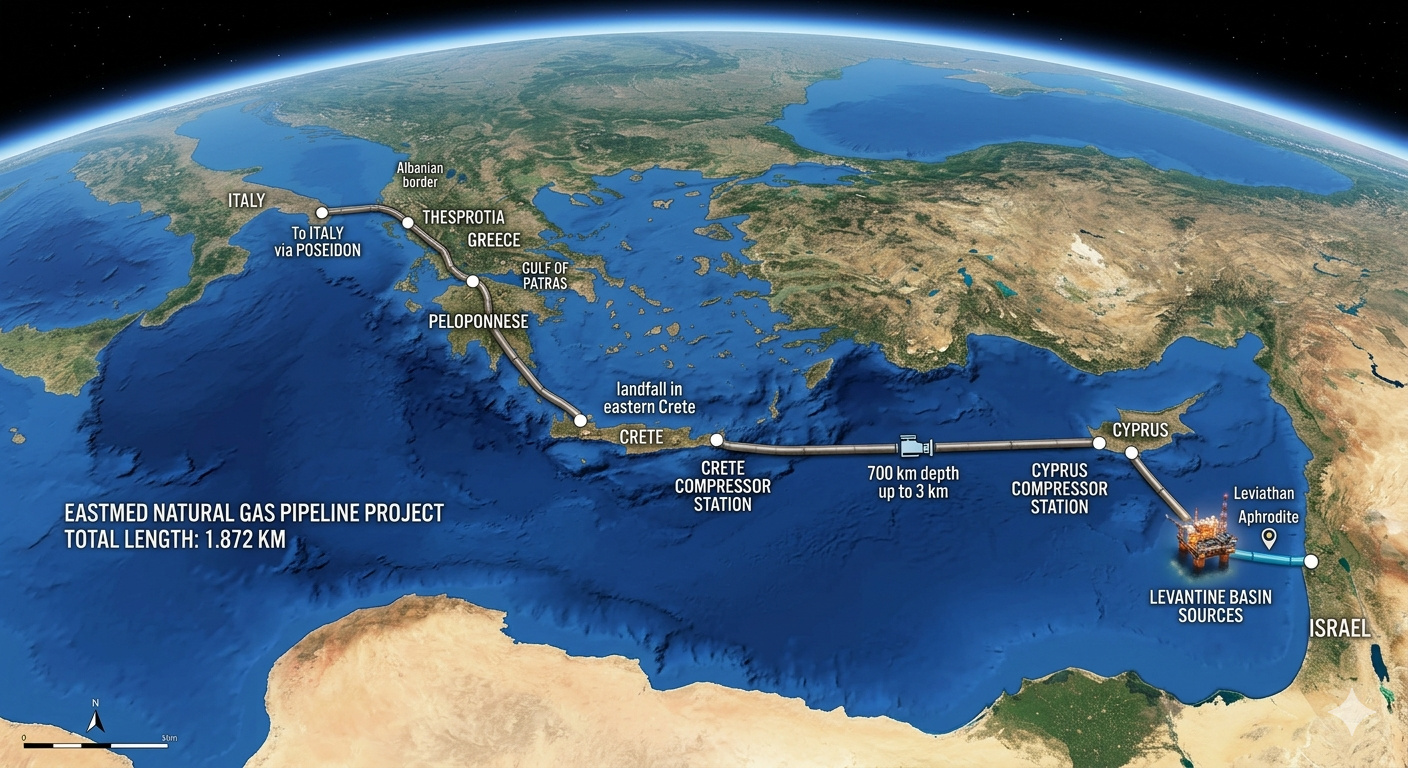
Israel, Greece, and Cyprus signed an agreement in 2020 to transport gas from the Mediterranean to Europe via a 1,872 km pipeline, but Turkey claimed sovereignty over part of the maritime route, and the project never materialized.
-
Israel, Greece, and Cyprus signed an agreement in 2020 to transport gas from the Mediterranean to Europe via a 1,872 km pipeline, but Turkey claimed sovereignty over part of the maritime route, and the project never materialized.

Investment Could Change Brazil’s Logistics Logic
The port of Chancay, built with an investment of US$ 1.3 billion by Chinese companies, is the starting point of this new route. The expectation, as detailed by Forbes Brasil, is that the railway will facilitate the circulation of Brazilian commodities, grains, and minerals towards the Asian market.
Reuters also highlighted that Brazil chose a route that avoids the Amazon rainforest, prioritizing a more sustainable alternative with less socio-environmental impact. This choice reinforces the country’s commitment to balanced development, respecting protected areas and indigenous communities.
New Route Strengthens Brazil’s Role in South America
The bioceanic corridor aims to integrate less industrialized regions of Brazil, promoting economic opportunities in the interior of the country. With the connection to FIOL, which crosses strategic agricultural and mineral production states, the railway will enhance the flow of products to the coast.
This connection is also expected to position Brazil as a key player in continental integration, offering South America a logistical alternative to traditional maritime routes. The Brazilian government believes that this initiative will consolidate the country as a key link between the Atlantic and the Pacific.
Next Steps Include Signing Bilateral Agreements
The visit of President Luiz Inácio Lula da Silva to China in the coming days is expected to seal the advancement of the negotiations. Simone Tebet will accompany the presidential delegation with the goal of presenting the technical studies of the railway and discussing the Chinese investments in the Brazilian section.
The government’s expectation, according to Forbes Brasil, is that the terms of the agreement will be formalized by 2025. The consolidation of this railway could redefine Brazil’s trade flows, attract investments, and pave the way for new international cooperation pacts.








Seja o primeiro a reagir!