





 English
  Francês
  Alemão
  Italiano
  Japonês
  Norueguês
  Portuguese
  Spanish
  5 min of reading
  0 comments


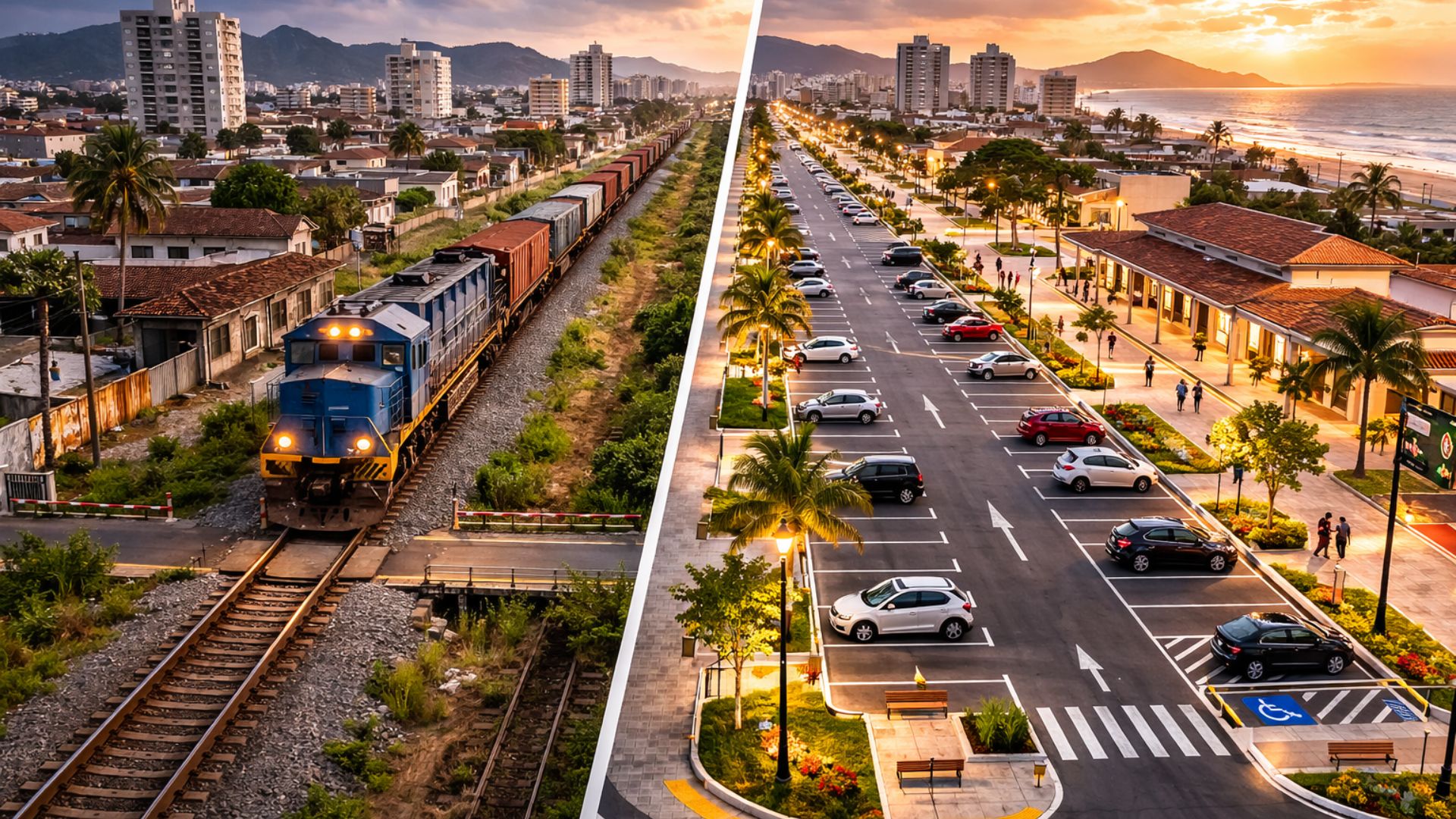
Formal Request to the Union May Redefine the Use of 13 Kilometers of Inoperative Railway in Mongaguá, Involving SPU, ANTT, and DNIT, and Open the Way to Transform the Old Railway Corridor into Parking and Strategic Public Spaces in Baixada Santista.
The City Hall of Mongaguá, on the São Paulo coast, formalized a request to the Secretariat of the Union’s Heritage (SPU) for a technical cooperation agreement to enable the granting of use and, eventually, the donation of areas related to the old railway line that crosses the city.
The municipality aims to define a public destination for about 13 kilometers of the Santos–Cajati branch, currently without operation, and claims to want to participate in the decisions regarding the future of the track, which is still part of a federal concession contract under the responsibility of Rumo.
The request was filed by the City Attorney General’s Office after an institutional meeting held in Mongaguá with representatives of the SPU, a step that, according to local administration, consolidates negotiations initiated in previous meetings regarding the land and urban situation of the railway corridor.
-
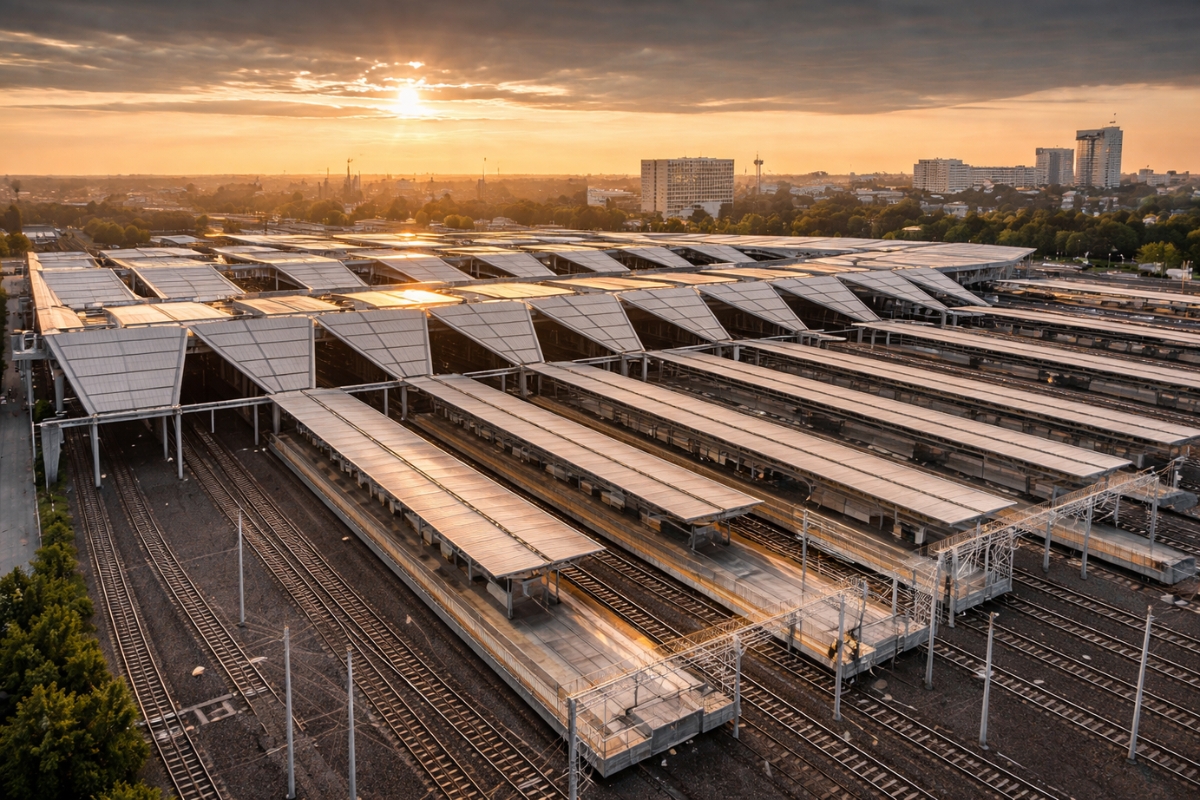
In A European City, The Country’s Largest Railway Junction Was Modernized Without Closing Its Doors, Kept Trains Running During Years Of Construction, Now Serves Up To 60,000 Passengers Per Day, And Installed Solar Panels That Generate About 30% Of Its Energy
-
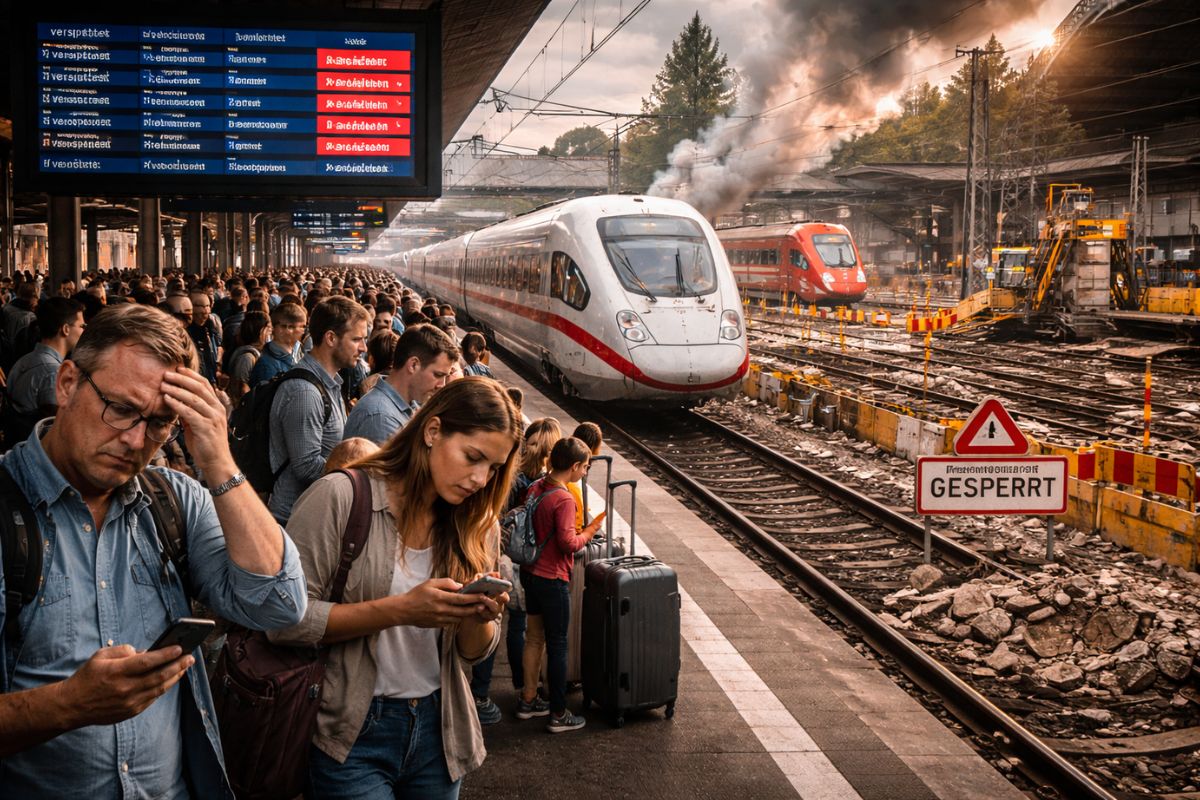
The Country of “Punctual As a Train” Admits It Has Lost Control: High-Speed Trains Delay, Stop, Disappear from the Map and Turn 6-Hour Trips into 10, While Deutsche Bahn Promises Restructuring in 2026 But Faces 19th Century Infrastructure, Staff Shortages and Sections Closed for Months
-
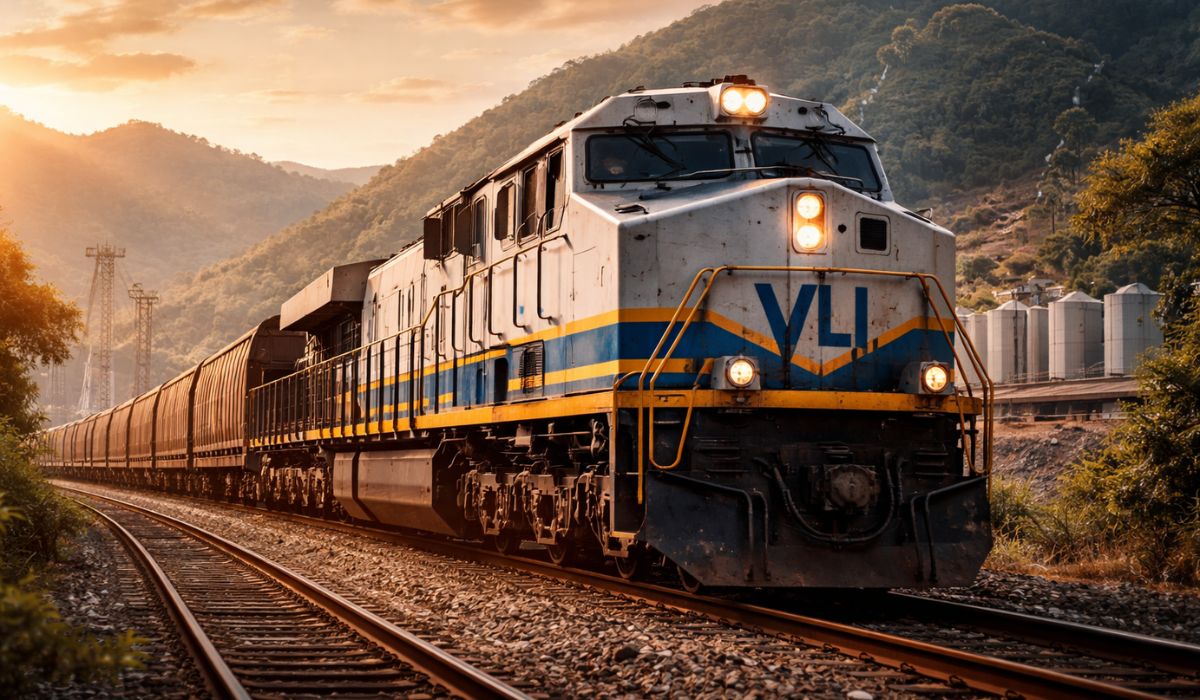
With an Investment of R$ 700 Million in One of the Country’s Main Rail Networks, VLI Reinforces Infrastructure, Receives 8 New Locomotives, and Expands the Corridor Connecting 7 States, Boosting Jobs and the Transportation of Grains, Ore, and Oil Products to the Port of Santos
-
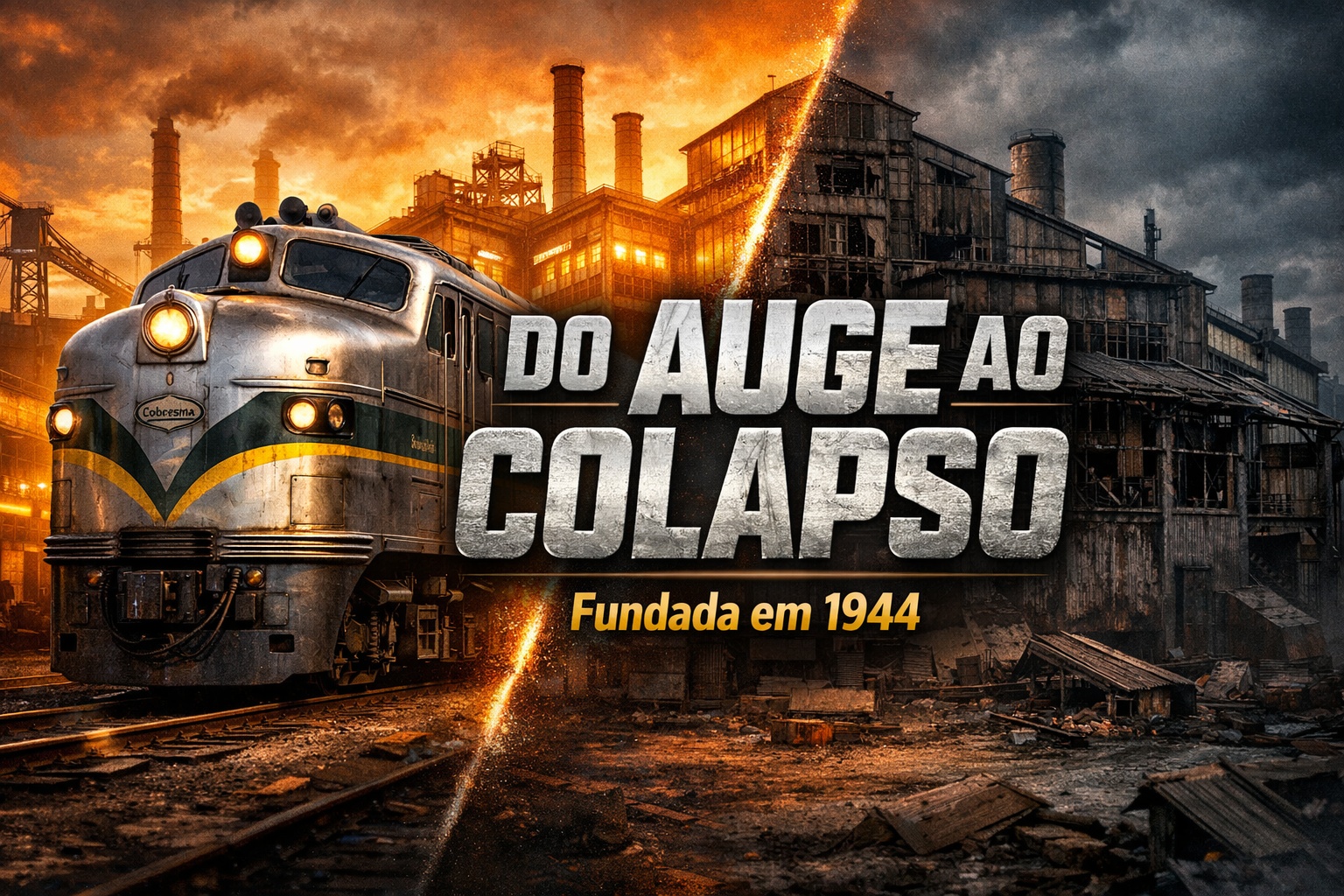
Brazil’s Largest Train and Subway Manufacturer Disappeared: With Decades of Industrial Leadership, Stainless Steel Innovation in the 1980s, and Equipment That Operated Until 2020, How Did Cobrasma Collapse?

The movement occurs while the city hall organizes documents and reports to legally support any changes, with the declared intention of avoiding solutions made without the presence of local government, especially in areas considered sensitive for circulation, services, and land use.
Negotiation with the Union, SPU, ANTT, and DNIT Regarding the Railway

The city hall states that conversations began in October 2025, when Mayor Cristina Wiazowski (PP) visited the superintendency of the National Department of Transport Infrastructure (DNIT) in São Paulo in search of guidance regarding the section that cuts through the municipality.
After this first contact, the administration claims to have advanced in the strategy of formalization with the Union, since the SPU is responsible for the management of federal real estate and acts in cases involving use, lease, and regularization of public areas.
Furthermore, the oversight of the railway concession contract is assigned to the DNIT and the National Land Transportation Agency (ANTT), making the subject dependent on decisions coordinated between different levels, directly impacting the daily lives of neighborhoods crossed by the railway corridor.
Although the city hall treats the concession as valid until 2028, official records about the Paulista Network indicate that the original contract is for 30 years, with an extension provided for another 30 years starting from January 1, 2029, under the rules of early renewal.
Urban Planning and Impacts of the Inoperative Railway Line
The municipal government argues that the lack of maintenance and investment over time has contributed to worsening the urban landscape and increasing the perception of insecurity in points close to the bed, especially where there are idle sections, informal crossings, and occupations in the surroundings.
In this context, the local management claims it wants to transform areas seen as “urban problems” into organized spaces with public use, including solutions for mobility, land use planning, and the recovery of old structures linked to the city’s railway history.
The city hall also relates the request to the need to integrate urban planning with federal decisions, arguing that interventions in strategic areas affect local traffic, access to public facilities, and the very dynamics of commerce in central regions.
By opting for a technical cooperation agreement, the municipality seeks a formal way to discuss responsibilities, deadlines, and limits of action, without assuming that the transfer of the area will occur automatically, as the destination depends on analyses and administrative acts by the Union.
Parking in the Center and Requalifying the Old Stations

According to the municipal administration, the planning focuses efforts on three locations: a parking lot in the central region, the old Agenor de Campos Train Station, and the City Center Train Station, cited as priority areas for requalification.
The idea presented by the local government involves regularizing the parking project for the central region while seeking to give public use to the old stations, with the expectation that these spaces can accommodate activities compatible with services and the circulation of residents.
According to the city hall, the redesign of these points would be part of a medium and long-term program to recover underutilized areas, regulate urban growth, and stimulate planned real estate appreciation, without currently describing which executive projects would be adopted.
In the official discourse of the municipality, the goal is to sustainably enhance tourism and improve the quality of life, maintaining the proposal anchored in legal instruments that, in the view of management, allow for the balancing of public interest with federal rules.
Future of the Santos–Cajati Branch and Debate on the Concession
The section mentioned by Mongaguá is part of the Santos–Cajati branch and is described by the city hall as inoperative and “uneconomical,” a classification that the municipality attributes to the concessionaire Rumo, an argument used to defend that areas currently idle can receive other functions.
Still, the situation of the corridor depends on the configuration of the concession contract and the understanding of federal agencies regarding the destination of the associated assets, including sections with illegal occupations, which the city hall points out as part of the challenge of territorial management.
The mayor argues that, if there is a change in the scenario regarding the section, the municipality needs to be prepared to enter into discussions with SPU, DNIT, and ANTT, advocating that decisions about the future of the corridor should have a strategic vision and focus on the collective interest.
With the filing of the request, Mongaguá signals its intention to monitor each administrative step and reinforce institutional dialogue while attempting to ensure a margin of action for works and services in areas that currently function as urban bottlenecks.
If the Union advances in a grant of use or another model of transfer, the municipality will have to reconcile local projects with railway safety rules, property parameters, and oversight conditions, in addition to presenting solutions for existing conflicts in the surroundings.
The central dispute, however, is about who defines the vocation of a linear corridor that cuts through the entire city, in a region where public space is limited and decisions on mobility and tourism tend to have an immediate effect on the daily life of Baixada Santista.
From this formal request, what will be the outcome for the 13 kilometers of railway that cross Mongaguá: will they remain as an idle strip under federal rules or gain an urban function that truly changes the center and the neighborhoods cut by the line?








Seja o primeiro a reagir!