





 Portuguese
  English
  Spanish
  3 min of reading


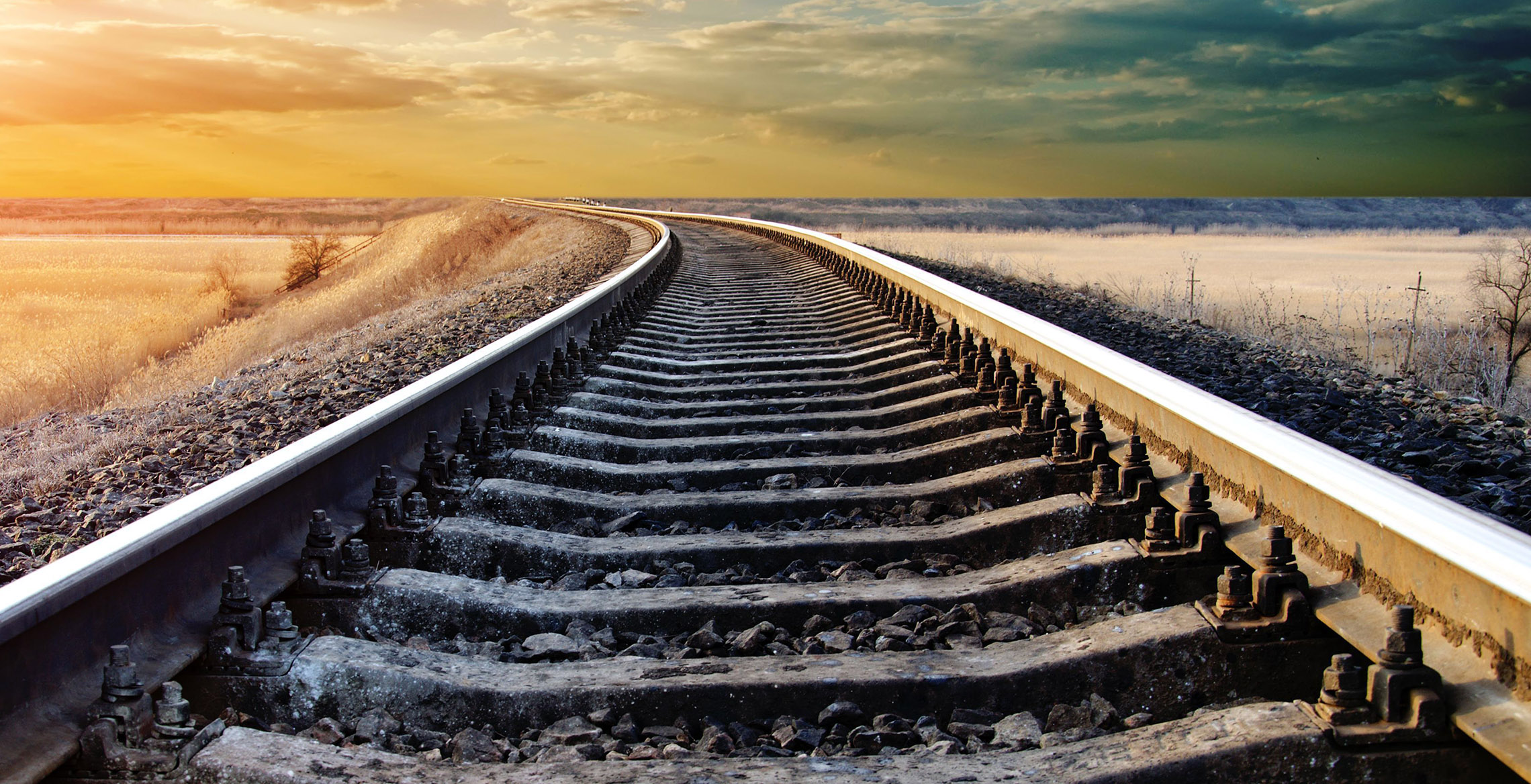
After More Than 100 Years of State Construction, Railways in Brazil Will Be Privatized Again
On December 9, the federal government signed the first contracts of the new wave of railway privatization. The documents allow companies to start projects from the ground up, under a new model, with projected investments of R$ 50 billion. Ten states will be crossed by a total of 3,500 kilometers of nine railway sections. This move is considered historic, as it resumes the framework that enabled the first mass construction of railways in Brazil.
See Also:
- Boats with batteries and offshore wind turbines: Japan’s largest shipbuilding company, Imabari, will build a boat capable of transporting energy from offshore plants to the coast
- Petrobras successfully drills the deepest exploratory oil well in the history of Brazil; record depth of 7,700 meters is equivalent to 1.3 times the height of Mount Kilimanjaro, the tallest mountain in Africa
- Ministry of Infrastructure signs agreement with six companies to begin the construction of nine railways by private initiative in the country
Between 1800 and 1900, it was the private sector that propelled the construction of railways across the country. The Mamoré Railway, known as the “Devil’s Railway,” dated back to 1905, was the last railway network built with this type of investment. The works began in 1907, during the rubber boom. Until 1932, new railways were implemented, but none by a new company in the sector.
Currently, Brazil’s railway network spans 29,300 kilometers. With the new privatized railways, combined with ongoing concession plans, the Ministry of Infrastructure believes that the railway sector will experience a new exponential growth.
-
Unemployment rises again to 5.8% at the beginning of 2026, raising alarms about the end of temporary positions and its impact on the Brazilian job market.

-
Document organization can cut invisible costs in small businesses, a simple step that prevents waste, rework, and losses in daily operations.

-
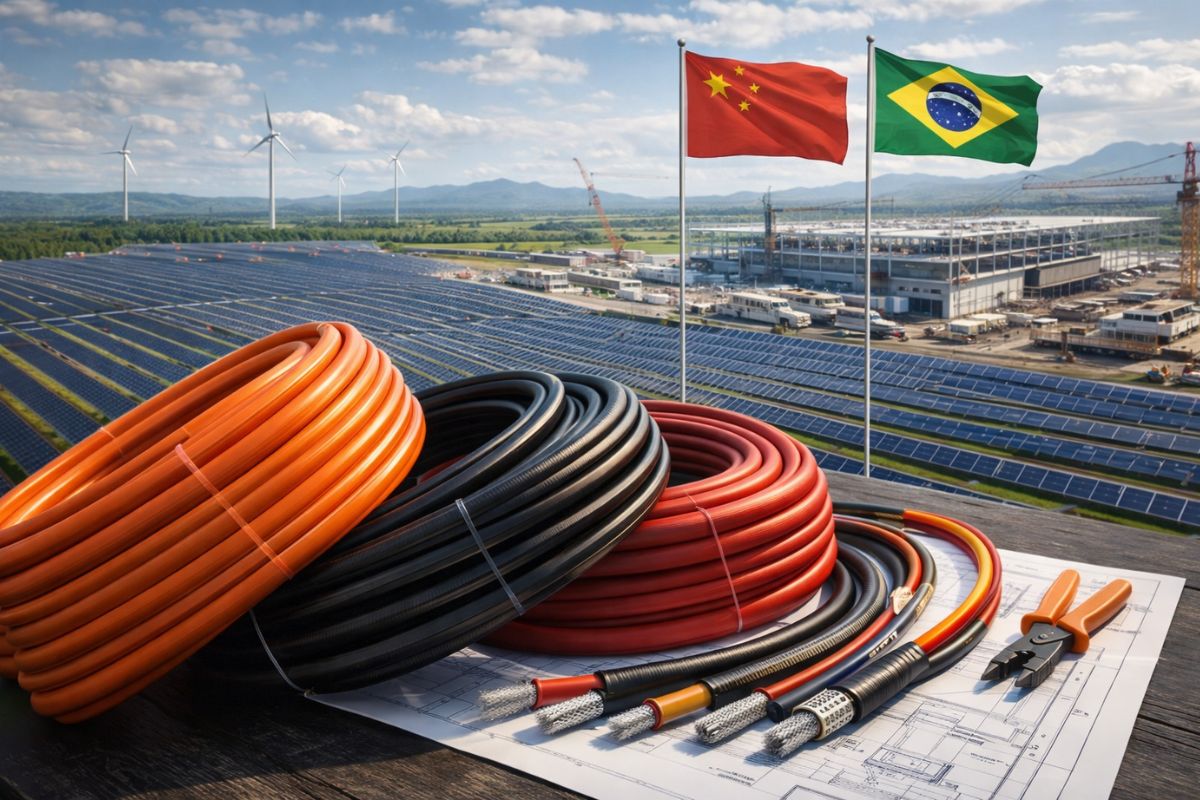
Chinese giant worth nearly R$ 4 billion that manufactures cables for electric cars, solar energy, and robotics wants to open a factory in SC.
-
Many employers do not know, but the law guarantees domestic workers a 25% increase in salary during trips, 50% for overtime, 20% for night shifts, and 17 additional benefits that can lead to labor lawsuits if not paid.


Today, railways account for about 20% of freight transport in the country, and with the new privatization, it is expected that this figure will exceed 40%.
The projects are based on the new Legal Framework for Railways, implemented through a provisional measure in August. The PM allows a new way to implement railways in Brazil, in which private companies can build railway networks without bidding.
Free Price Competition, Addressed by the Federal Government in Railway Construction
The new way of building railways is already in place in countries like the United States and Canada, and was created for companies and transporters to identify and meet their demands.
In addition, there is a lighter regulatory burden, since free competition and price freedom prevail, meaning that the state does not interfere in the decision of transportation tariffs.
The National Congress is already reviewing a project that will make the Legal Framework for Railways a reality, so that it is not affected by the invalidation of the provisional measure.
The federal government has also released the list of bids for the new railways requested by six companies. They are: Bracell, a cellulose producer; Ferroeste, a state railway company in Paraná; Grão Pará Multimodal, which has authorization to operate a port terminal in Alcântara (MA); Petrocity, a port sector company; Macro Desenvolvimento Ltda; and Planalto Piauí Participações.
In addition, another 41 railway requests have already been made to the Ministry of Infrastructure. Regarding 36 of the 47 tenders, the federal government already foresees an investment of R$ 150 billion.
“We are now seeing the beginning of the revolution that will make us a railway country again,” said the National Secretary of Land Transport, Marcello Costa.
“There is no other project in the transport infrastructure area as transformative as this one,” stated the Minister of Infrastructure, Tarcísio de Freitas.






Seja o primeiro a reagir!