





 Português
  Inglês
  Espanhol
 3 min de leitura


Partnership Between UFSCar and USP Enabled a Discovery That Could Change the Entire Agrarian Economy and Optimize Brazil’s Agribusiness
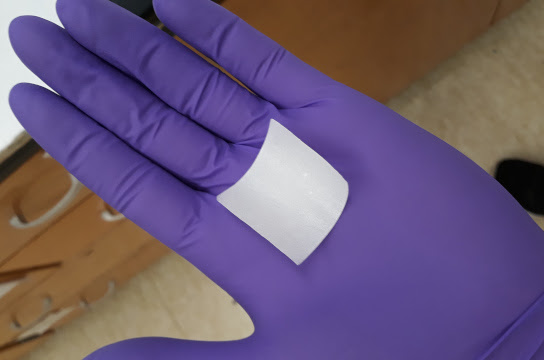
Students and researchers from the Federal University of São Carlos (UFSCar) and the University of São Paulo (USP) have created a new fertilizer that uses sugarcane cellulose as its main raw material, aimed at using biodegradable materials for a slow exposure to the soil and sufficient decomposition for the accelerated growth of plants.
When this material is used on a large scale by farmers, it will be possible to reduce part of Brazil’s reliance on fertilizers that are imported from Russia. Since the outbreak of the war between Russia and Ukraine, prices have inflated, harming the small consumer and cultivator of their land.

How Is This Biodegradable Material Made?
This biodegradable material can be made using only the fiber from sugarcane cellulose, which is part of our country’s agricultural culture. In summary, it contains some nutrients that are essential for the faster development of seedlings in the soil, namely nitrogen, phosphorus, and potassium.
-
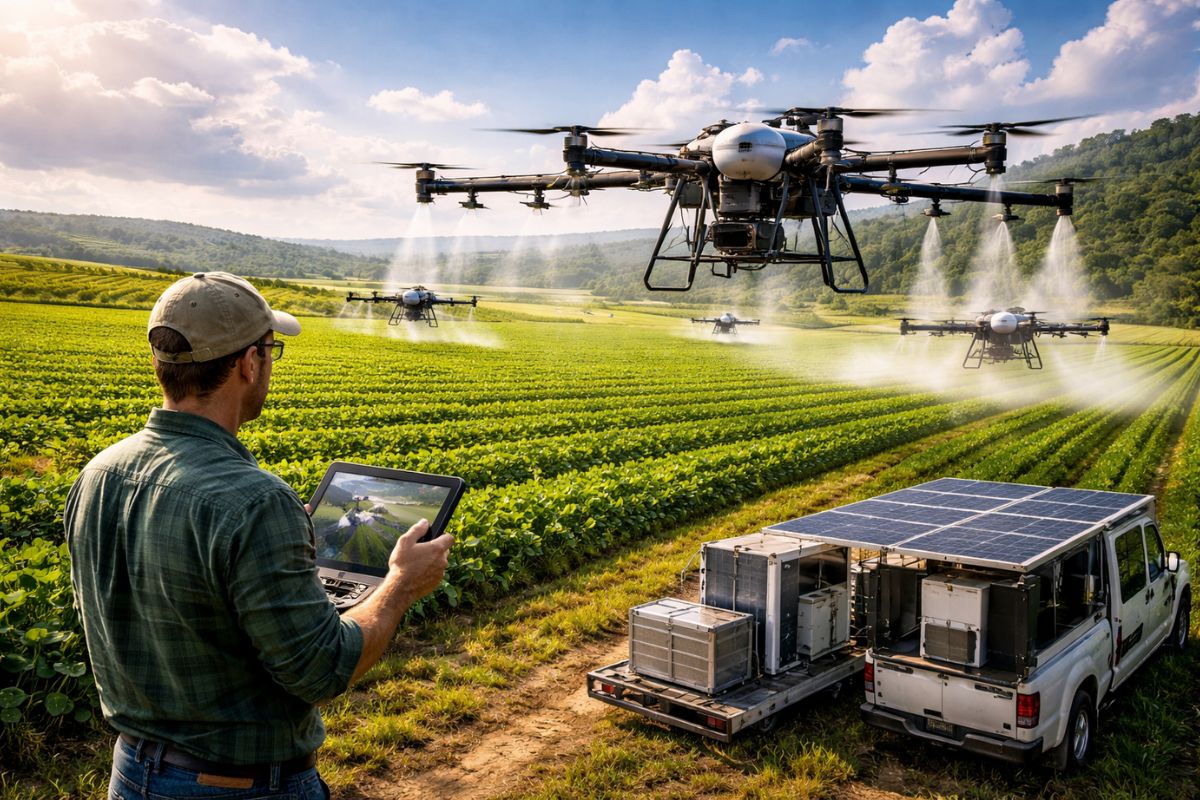
Alone, the producer applies 7,400 hectares with the T100 drone in an optimized structure, replaces the generator with a silent battery, and demonstrates how technology reduces costs, increases productivity, and even challenges the uniport in the field.
-
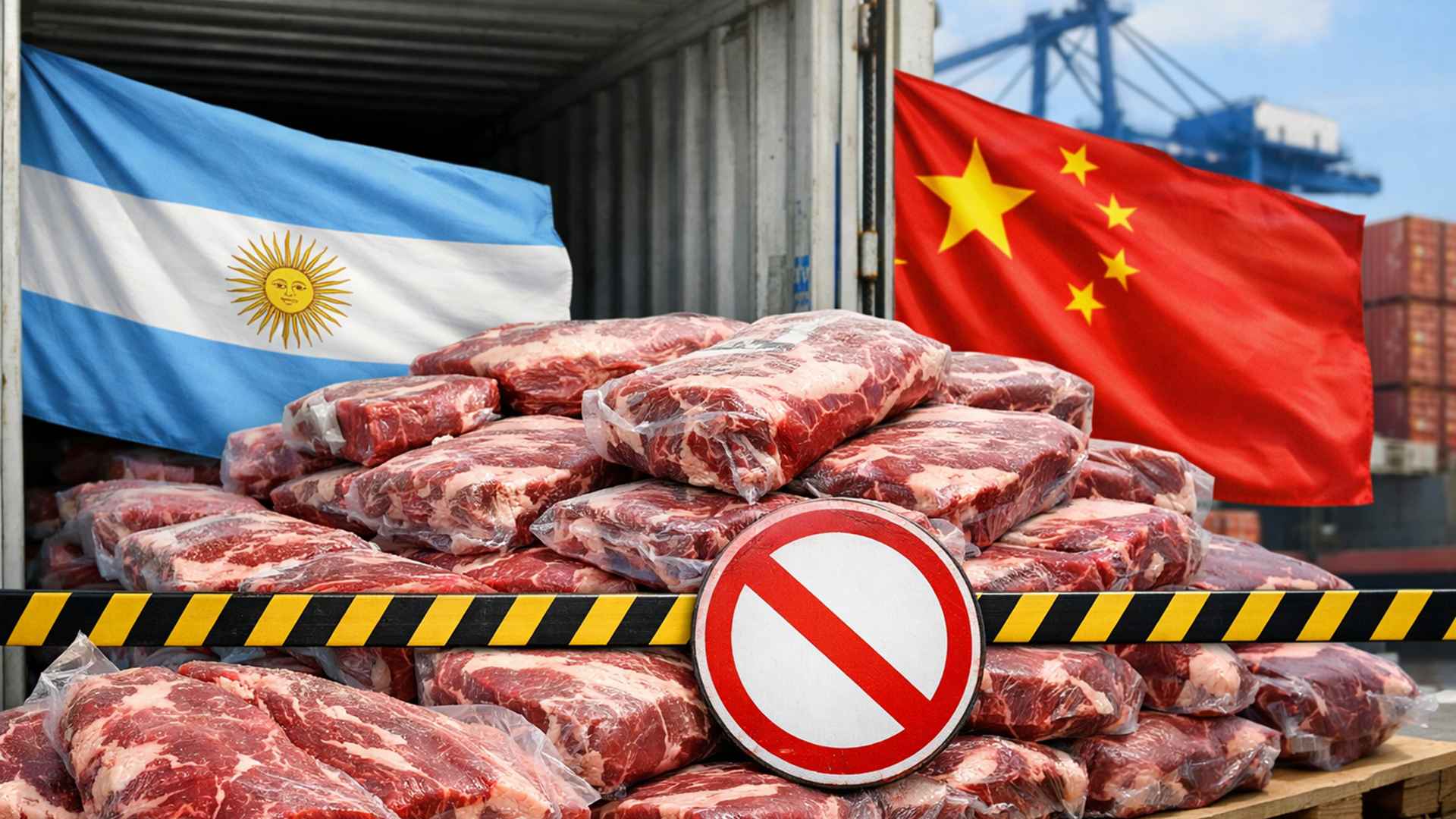
China banned the export of 22 tons of meat from Argentina.
-
JBS, founded by the Batista brothers, continues to conquer the world: entrepreneurs built a ‘factory in the desert’ creating 3,000 jobs.
-
With only 1% of Brazil’s territory, Santa Catarina has built one of the most competitive industrial parks in the country, with 64,000 companies, nearly 1 million jobs, and a growth rate of 5.3% while the national industry is practically stagnant.

These materials can undergo natural decomposition processes when they come into contact with the environment, leaving no type of acid or heavy metal on the land, which can consequently make it more productive.
Shortly after the product was created, the invention was submitted to the National Institute of Industrial Property (INPI). And for those who might be concerned about the cost, according to the Federal University of São Paulo, its production is around R$ 0.27, precisely because it is made up of items that are already part of Brazilian agriculture, without having to suffer much from commodity fluctuations at the time of purchase.
The creation of this fertilizer was inspired by a doctoral work by Lucas Luiz Messa, a PhD in Engineering and Materials Science from USP, Pirassununga campus. Lucas received support from the São Paulo Research Foundation (Fapesp) to remain in the field of science through scholarships. Currently, he is part of the faculty in the Department of Natural Sciences, Mathematics and Education (DCNME-Ar) at the UFSCar Araras Campus.
No Need to Use Any Solvent, and There Is No Discard of Harmful Materials to the Environment During Production
One positive aspect, according to the doctor, is that the creation of this biodegradable component does not require the use of solvents, avoiding them being dumped in the sewage and causing environmental problems for fish and water.
In a sheet format, like a piece of paper, there is no need for conservation through plastic, and the material can even be used as a bag and then discarded in the harvests, where it will provide many nutrients to the soil, making it much richer and nourished.










Seja o primeiro a reagir!