





 English
  Francês
  Alemão
  Italiano
  Japonês
  Norueguês
  Portuguese
  Spanish
  4 min of reading


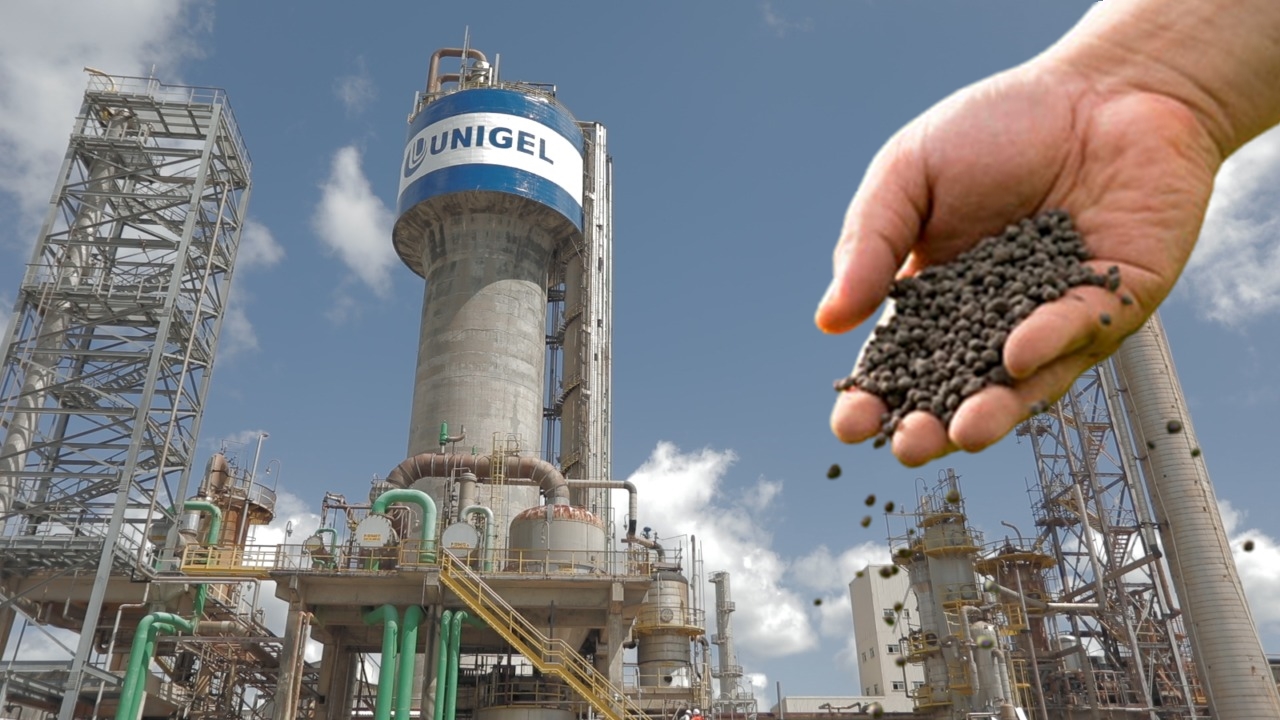
The Concern Among Brazilian Farmers Regarding the Purchase of Fertilizers for the 22/23 Crop Planting Continues to Grow, as the Main Source of Inputs Used in Brazilian Crops Is Russia.
Europe is experiencing another chapter involving armed conflict between countries in its history. In addition to the deaths of military and civilians, with no end in sight, the war between Russia and Ukraine triggers a series of problems in the global economy, affecting nations that have nothing to do with the fight in Eastern Europe. On the other side of the continent, Brazil, for example, is already facing threats due to the lack of fertilizer supply, as agriculture depends on Russian suppliers.
About 80% of the chemical fertilizers used in Brazilian agriculture are imported, with a large portion of the products coming from Russian suppliers (around 23%), a country that has been suffering economic sanctions for waging war against the Ukrainians.

Brazil’s dependence on imported fertilizers from other nations contradicts the fact that our country is a world power in agricultural production.
-
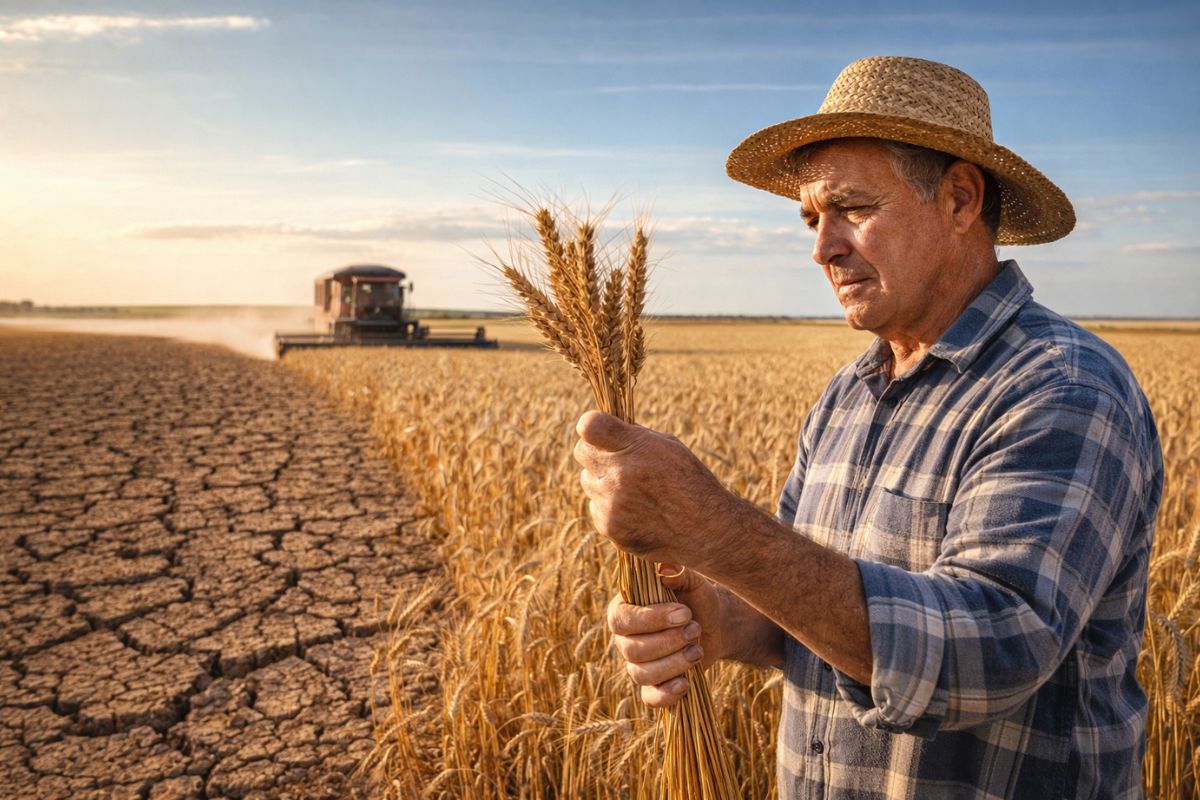
While Russia dominates the global wheat market, Brazil emerges as an unexpected competitor in the Cerrado, offering grain available in July and August when stocks in the Northern Hemisphere are at their lowest point of the year.

-
China returned almost 20 Brazilian ships with soybeans, but now everything could change: the country that buys 80% of the grain is considering relaxing regulations after impurities held up shipments of thousands of tons and caused million-dollar losses.
-
Chinese giant worth nearly R$ 4 billion that manufactures cables for electric cars, solar energy, and robotics wants to open a factory in SC.
-
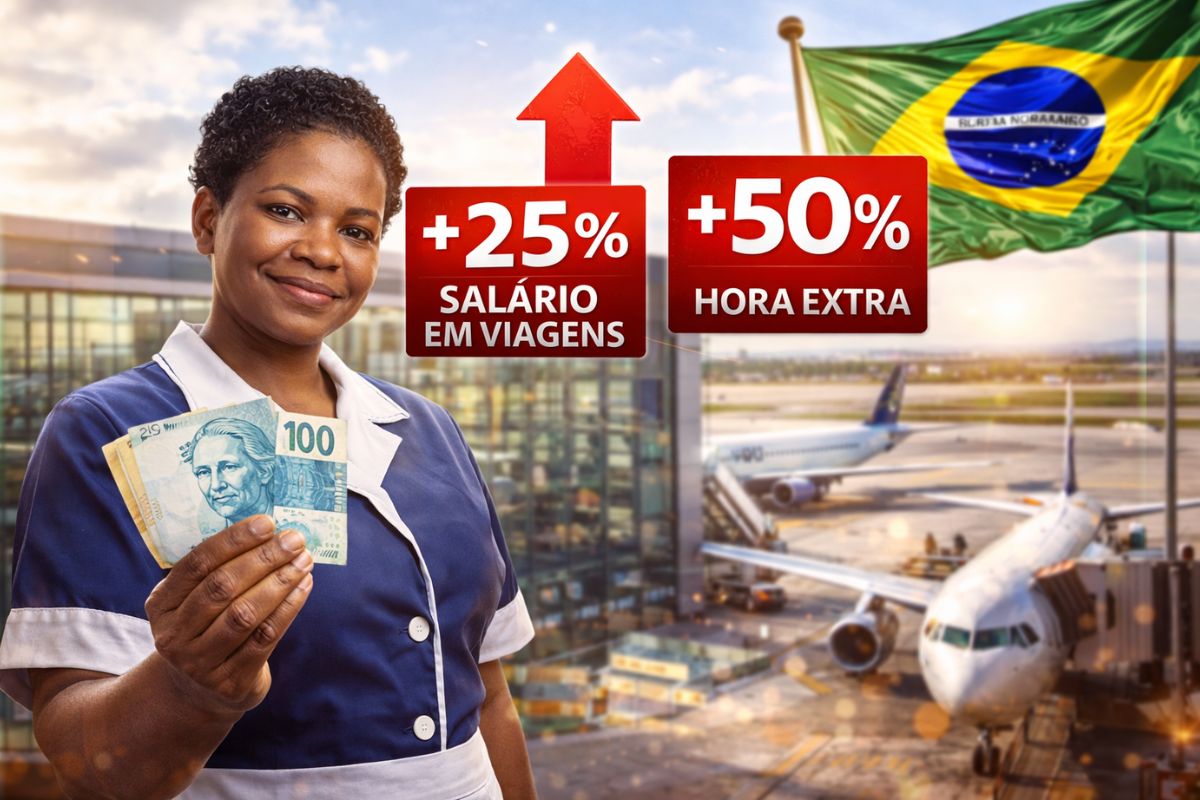
Many employers do not know, but the law guarantees domestic workers a 25% increase in salary during trips, 50% for overtime, 20% for night shifts, and 17 additional benefits that can lead to labor lawsuits if not paid.

According to the Ministry of Economy, in 2021, Brazilian agricultural producers purchased 41.6 million tons of the input, totaling US$ 15.1 billion.
The figures are high. They could be minimized if there were domestic production; however, Petrobras has not been involved in the fertilizer market since 2016, when it sold its fertilizer plants.
The last sale was precisely to the Russians. The negotiation went through some complications over the past years, but it is expected to be finalized by mid-year, according to the Planalto Palace, even with the state of war in which Russia finds itself.
Moreover, there is a lack of infrastructure for the distribution of what would be produced. Therefore, given this context, it is evident that the country is under pressure in agriculture and the supply of fertilizers is compromised.
Check the Ranking of Chemical Fertilizer Suppliers to Brazil by Continent
Europe is the continent with the most supplying countries of fertilizers to Brazil, with 22 economies. Russia is in first place overall, and Ukraine is in the last position among the partners from the old continent.
The Asian continent is second with the most countries that sell fertilizers to Brazil, followed by Africa. It is noteworthy that our neighbors in South America together account for less than 2%. Check the details below:
Countries in Europe That Sell Fertilizers to Brazil
- Russia: 23%
- Belarus: 3.4%
- Germany: 2.8%
- Netherlands: 1.5%
- Norway and Belgium: 0.92%
- Finland: 0.63%
- Spain: 0.60%
- Lithuania: 0.30%
- United Kingdom: 0.20%
- Poland and Kuwait: 0.16%
- Italy: 0.12%
- Turkey: 0.089%
- Georgia: 0.036%
- Ireland: 0.027%
- France: 0.017%
- Sweden: 0.010%
- Portugal: 0.0093%
- Czech Republic: 0.0053%
- Slovakia: 0.0025%
- Serbia: 0.0020%
- French Polynesia: 0.000068%
- Ukraine: 0.0000034%
Countries in Asia That Sell Fertilizers to Brazil
- China: 14%
- Oman: 3.2%
- Saudi Arabia: 3.1%
- Israel: 2.6%
- Jordan: 0.71%
- Turkmenistan: 0.55%
- Iran: 0.38%
- United Arab Emirates: 0.33%
- Azerbaijan: 0.30%
- Bahrain: 0.23%
- South Korea: 0.12%
- Indonesia: 0.0075%
- Singapore: 0.0062%
- India: 0.000022%
Countries in Africa That Sell Fertilizers to Brazil
- Morocco: 11%
- Qatar: 4.6%
- Algeria: 2.9%
- Nigeria: 2.6%
- Egypt: 1.9%
- Tunisia and Lebanon: 0.12%
- Senegal: 0.063%
- Libya: 0.040%
Countries in North America That Sell Fertilizers to Brazil
- Canada: 9.8%
- United States: 5.6%
- Dominican Republic: 0.000036%
Countries in South America That Sell Fertilizers to Brazil
- Chile: 0.64%
- Venezuela: 0.34%
- Bolivia: 0.25%
- Trinidad and Tobago: 0.088%
- Colombia: 0.064%
- Argentina: 0.021%
- Paraguay: 0.0084%
- Uruguay: 0.0078%
Countries in Central America That Sell Fertilizers to Brazil
- Mexico: 0.15%
- Guatemala: 0.022%
Australia accounts for 0.24% and is the only country from Oceania in this ranking of international fertilizer suppliers. All data is from Comex Stat.
Major Fertilizer Companies in Brazil
- Bayer S.A.
- Adama Brasil S.A.
- Arysta Lifescience do Brasil IND. QUIM. E AGROP. LTDA
- BASF S.A.
- Binova Agro Industrial LTDA
- Brandt Soluções em Agricultura LTDA
- BRFértil S.A.
- Cibrafertil Companhia Brasileira de Fertilizantes
- Fertgrow S/A
- Heringer S.A.
- Fertilizantes Tocantins
- FMC Química do Brasil LTDA
- Haifa Química do Brasil LTDA
- Inquima LTDA
- Life Agro do Brasil Comércio de Insumos Agrícolas LTDA
- Mosaic Fertilizantes do Brasil LTDA
- Nortox S.A.
- Nutriplant Indústria e Comércio LTDA
- Oxiquímica Agrociência LTDA
- Produtecnica Agroindustrial LTDA – EPP
- Rotam do Brasil Agroq. e Prods. Agrícolas LTDA
- Sipcam Nichino Brasil S.A.
- Stoller do Brasil LTDA
- Superbac Indústria e Comércio de Fertilizantes S.A
- Timac Agro Indústria e Comércio de Fertilizantes LTDA
- TMF Indústria De Fertilizantes Inteligentes LTDA
- UPL do Brasil Ind e Com de Ins Agrop SA
- Vittia Fertilizantes e Biológicos S.A
- Yara Brasil Fertilizante S.A.
The Future of Brazilian Agriculture and New Perspectives on Importing and Domestic Production of Fertilizers
Brazil has nothing to do with the war involving Russia and Ukraine; however, the armed conflict in Eastern Europe has exposed the problems of our economy concerning the production of fertilizers.
To become less dependent on Russia for the importation of nitrogen, phosphorus, and potassium, representatives from the Ministry of Agriculture are ready to travel to Canada with the goal of expanding business involving these inputs.
There is also great anticipation for the announcement of the National Fertilizers Plan. According to the minister of the sector, Tereza Cristina, the program was already prepared before the war and is expected to be presented by the end of March.





Seja o primeiro a reagir!