





 Portuguese
  English
  Spanish
  3 min of reading
  18 comments


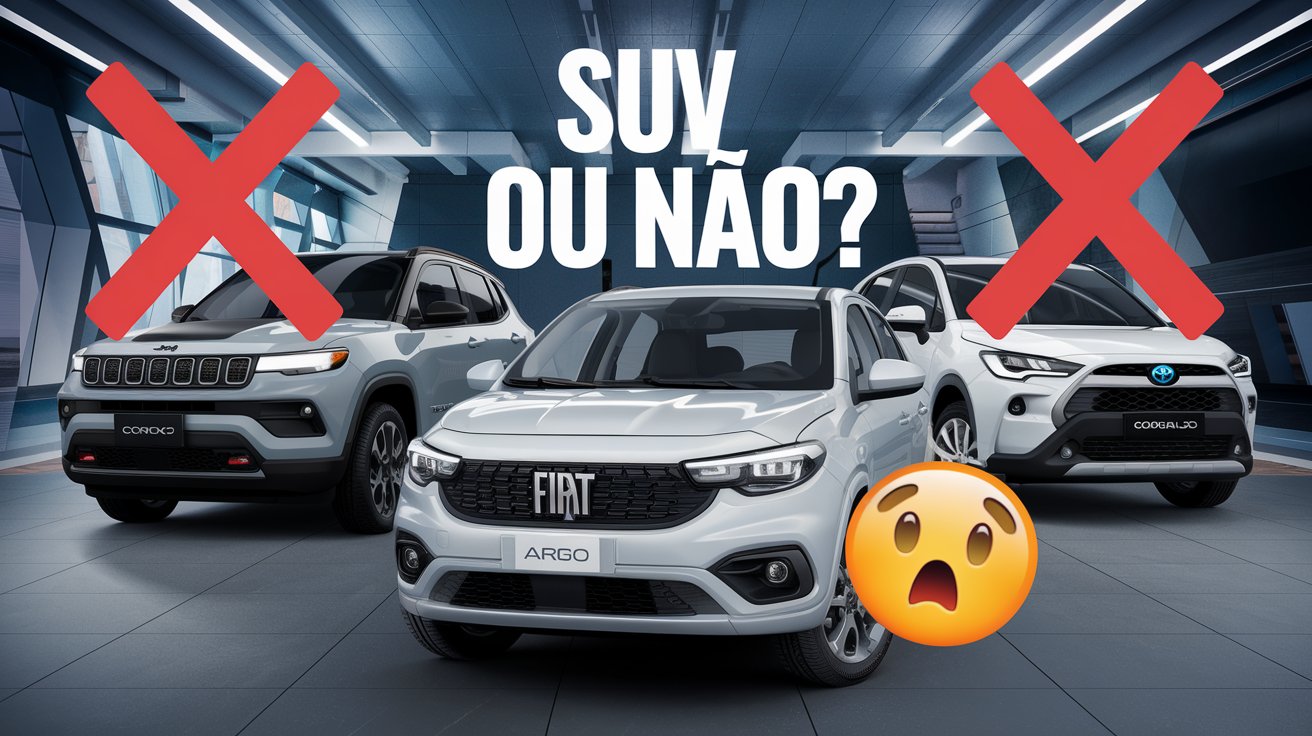


Fiat Argo Now Is An SUV, But The Jeep Compass And The Toyota Corolla Cross Were Left Out! Inmetro Redefined The Rules And Caught Everyone By Surprise! Cars That Seemed Like SUVs Are No Longer, While Other Unexpected Ones Now Earn The Title.
The official classification of automobiles in Brazil has undergone a surprising transformation that promises to shake the perception of many consumers.
Who could have imagined that compact cars like the Fiat Argo and the Renault Kwid could be considered SUVs, while robust models like the Jeep Compass and Toyota Corolla Cross would be left off this list?
This change is the result of strict criteria established by Inmetro, and the results are certainly surprising.
-
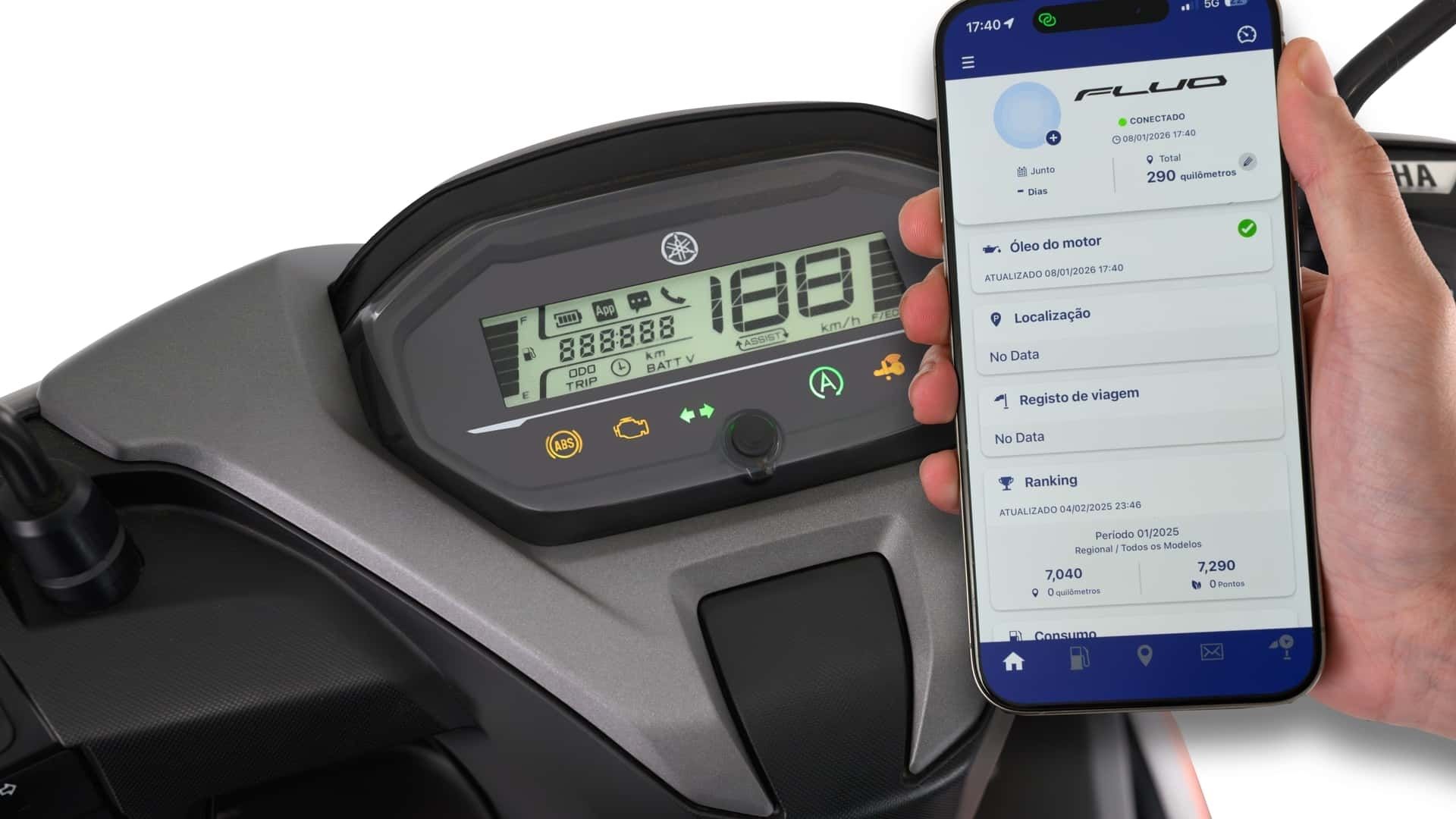
Costing R$ 16,000, the new Yamaha features a 125 cc hybrid engine with electric assistance, delivers 8.3 hp, includes ABS, optimized fuel consumption, Y-Connect connectivity, 25 liters of storage space, and a surprising 4-year warranty in the urban segment.
-
OMODA & JAECOO grows in Europe in 2026 with an integrated strategy of sales, innovation, local production, and technological advancement in the United Kingdom, Italy, and Spain.

-
OMODA & JAECOO expands after-sales service in Brazil with competitive maintenance, a 7-year warranty, and high availability of parts for technological SUVs.

-
OMODA & JAECOO appoints Alessandra Souza as executive marketing director in Brazil and accelerates brand expansion with a focus on innovation, networking, and hybrid portfolio.

The Inmetro Classification And Its Criteria
According to the body responsible for the Brazilian Vehicle Labeling Program (PBVE), the classification of SUVs in Brazil follows well-defined technical parameters, in addition to considering energy efficiency and consumption.
Among the requirements for a model to be considered a sports utility vehicle are:
- Entry angle of at least 23° (tolerance of 1°);
- Minimum exit angle of 20° (tolerance of 1°);
- Ramp crossing angle of at least 10° (with a margin of error of 1°);
- Ground clearance of at least 20 cm (with a tolerance of 2 cm);
- Clearance under the front and rear axles of at least 18 cm (tolerance of 2 cm).
With these rules, many models that would traditionally be classified as SUVs due to their aesthetics and size do not meet Inmetro’s criteria.
Examples include the Jeep Compass and the Toyota Corolla Cross, which are now classified in other categories.


Compact Cars That Surprise As SUVs
Among the biggest highlights of this review is the Fiat Argo.
Although widely known as a compact hatchback, it meets the technical requirements established by Inmetro and therefore officially qualifies as a compact SUV.
The same applies to the Renault Kwid, which is another example of a model that defies market expectations.
Other models that fall into this category, even though they are traditionally seen as hatchbacks, include:
- Citroën C3;
- Renault Sandero.
The Models That Look Like SUVs, But Aren’t
Meanwhile, several cars that boast the imposing appearance of sports utility vehicles do not meet the required technical criteria.
According to Inmetro’s analysis, these models are classified in other categories, such as “medium”, “large”, or “extra-large”. Among the examples are:
Medium:
- Volvo EX30.
Large:
- BMW iX1;
- BMW iX2;
- Honda ZR-V;
- Kia Niro;
- Lexus UX250h;
- Mercedes-Benz GLA200;
- Toyota Corolla Cross;
- Volvo C40.
Extra-large:
- Audi Q5;
- Audi Q8;
- BMW iX5;
- BYD Tan;
- BYD Song Pro;
- Chevrolet Equinox;
- Chevrolet Blazer EV;
- Ford Territory;
- Jaguar i-Pace;
- Lexus RX500h;
- Mercedes-Benz GLB;
- Porsche Macan;
- Toyota RAV4;
- Volkswagen Tiguan.
These results show that appearances can be deceiving. Even cars widely promoted as SUVs by manufacturers may fail to meet the official requirements for this classification.

Impact On Consumers And Manufacturers
The new Inmetro guidelines pose a challenge for both manufacturers and consumers.
For companies, it may be necessary to revise marketing strategies and nomenclature used in model launches.
On the other hand, consumers need to be aware of the objective criteria, especially when choosing a car that meets their specific needs, such as off-road conditions.
Furthermore, this new classification may even influence the taxes and fees associated with vehicles, underscoring the importance of understanding the standards established by Inmetro.
What To Expect For The Future?
With the growing adoption of innovative technologies and designs in the automotive industry, it is possible that more models traditionally classified in categories such as hatch or sedan may eventually meet the requirements to be considered SUVs.
The impact of these changes on the automotive market is uncertain but will certainly be a topic of discussion in the coming years.
And you, what do you think of this turnaround in car classification in Brazil? Does the Fiat Argo as an SUV make sense to you? Share your opinion in the comments!






Não é pra cobrar mais caro o IPVA da class média, confia no governiiis
Maior palhaçada isso. Para o consumidor não muda nada…
Mais uma forma do desgoverno taxar os veículos da classe média baixa.