





 English
  Francês
  Alemão
  Italiano
  Japonês
  Norueguês
  Portuguese
  Spanish
  4 min of reading


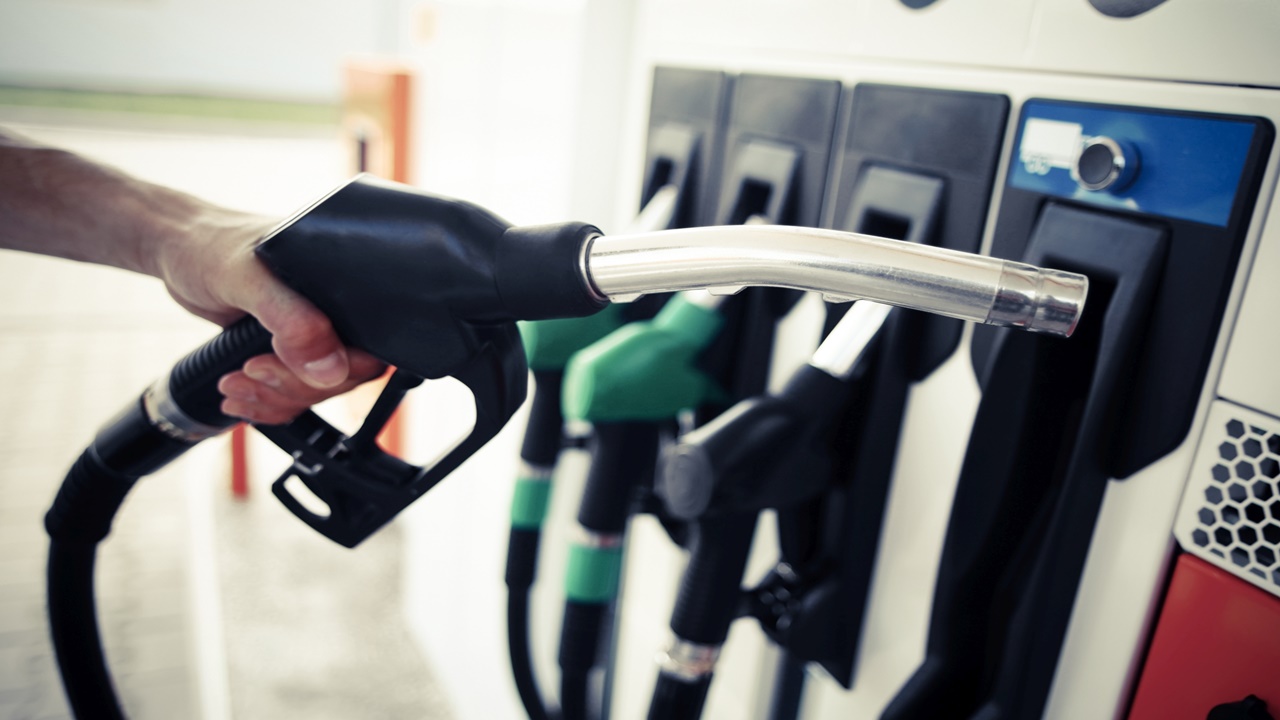
End Of Brand Loyalty At Fuel Stations Advocated By The ANP Aims To End Cartels, Stimulate Competition, And Lower The Price Of Gasoline, Which Has Been Experiencing Consecutive Surges
It was approved last Thursday (05/13) by the National Agency of Petroleum, Natural Gas and Biofuels (ANP) a draft resolution for public consultation, which aims to amend the regulations on fuel resale in Brazil. The agency’s idea is to end brand loyalty at fuel stations and authorize the sale of fuel via delivery. The new measure promises to stimulate competition and the price of gasoline per liter may drop by up to 50 cents, providing relief for Brazilians.
Also Read
- Honda, One Of The Most Important Automobile And Motorcycle Manufacturers In The World, Stops Developing And Manufacturing Gasoline And Diesel Combustion Engines
- Petrobras President And Mayor Of Macaé Meet To Discuss Job Creation And Investments In Ports, Construction Of Thermoelectric Plants And Expansion Of The Airport In The City
- Soybean Oil Price Plummets After Brazil Reduces Biodiesel Blend In Diesel
- Coconut Husk Ethanol Developed By A Brazilian University Promises To Change The World Of Renewable Energy
- Reduction Of Biodiesel In Fuel Could Backfire And Trigger Industry Bankruptcies And Unemployment
- Ethanol Price Hits Nearly 5 Reais At The Pumps, Making Gasoline Refueling More Advantageous In Some Brazilian Regions
- Biodiesel Blend In Diesel Could Damage Engines And Raise Fuel Prices, Says Entities Representing Over 200,000 Companies In The Sector
- Direct Sale Of Ethanol From Mills Is Approved By The CCJ And Promises To Stimulate Competition And Curb The Rise In Gasoline Prices At Fuel Stations
Brand loyalty for gasoline would become a choice of the consumer, not a regulatory obligation that currently gives the ANP the role of overseeing private contracts.
According to the agency, the goal is to “enable innovation through new ways of operation, stimulate supply by promoting new business arrangements, as well as review and simplify rules that have become disproportionate, without neglecting the defense of consumer interests.”
-
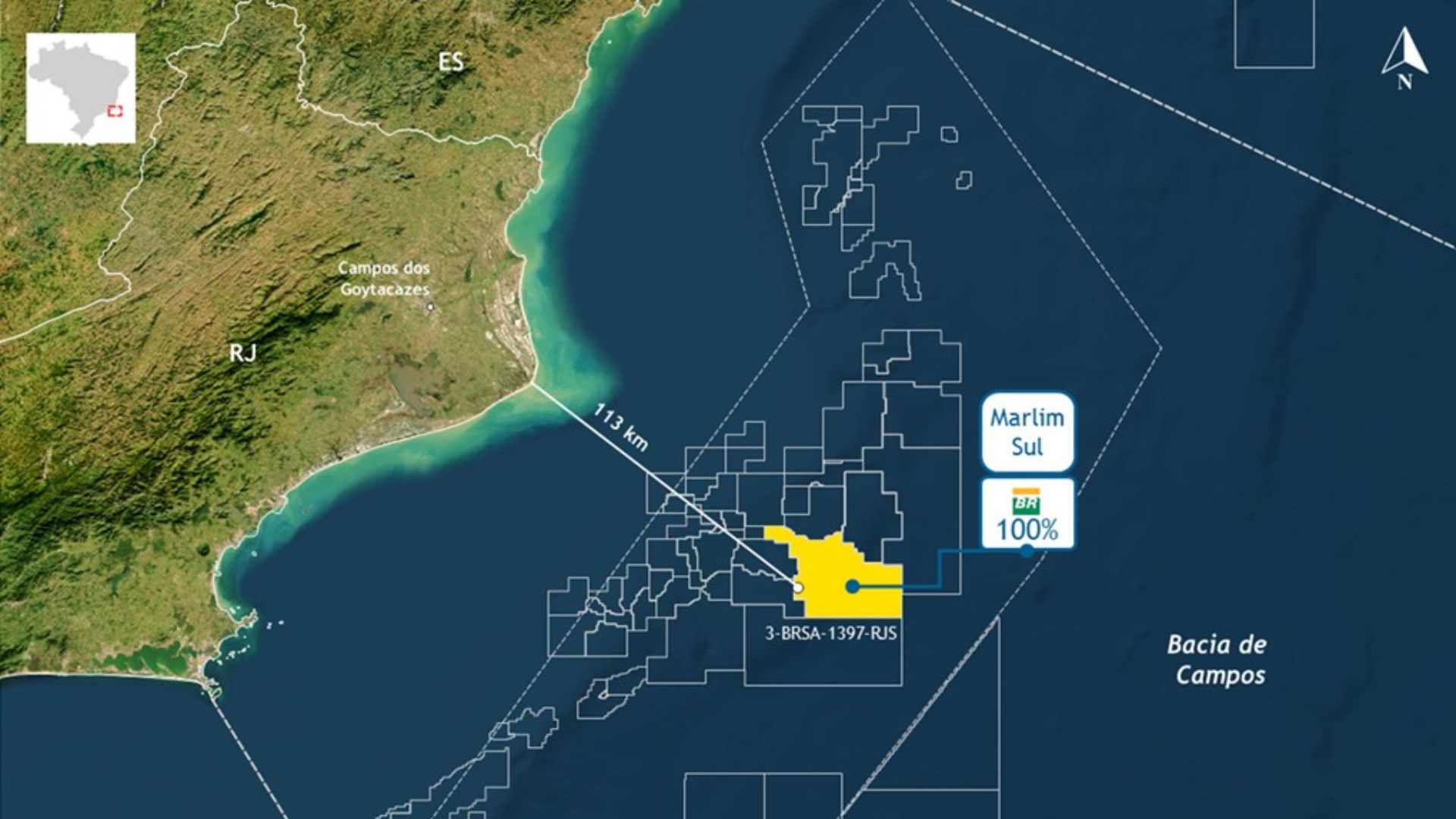
Petrobras finds high-quality oil in the pre-salt at 113 km from RJ and reignites expectations about strategic reserves in the Campos Basin.

-
Ocyan opens registrations for startups focused on innovation in the oil and gas sector and will select projects for Innovation Day with the support of Nexio.

-
Petrobras announces new oil discovery in the pre-salt of the Campos Basin and reinforces Brazil’s prominence with high-quality reserves that can increase production and energy revenues.
-
Alert in the fuel market: Analysts and a former director of ANP warn that oil prices may worsen in the coming months due to global instability.
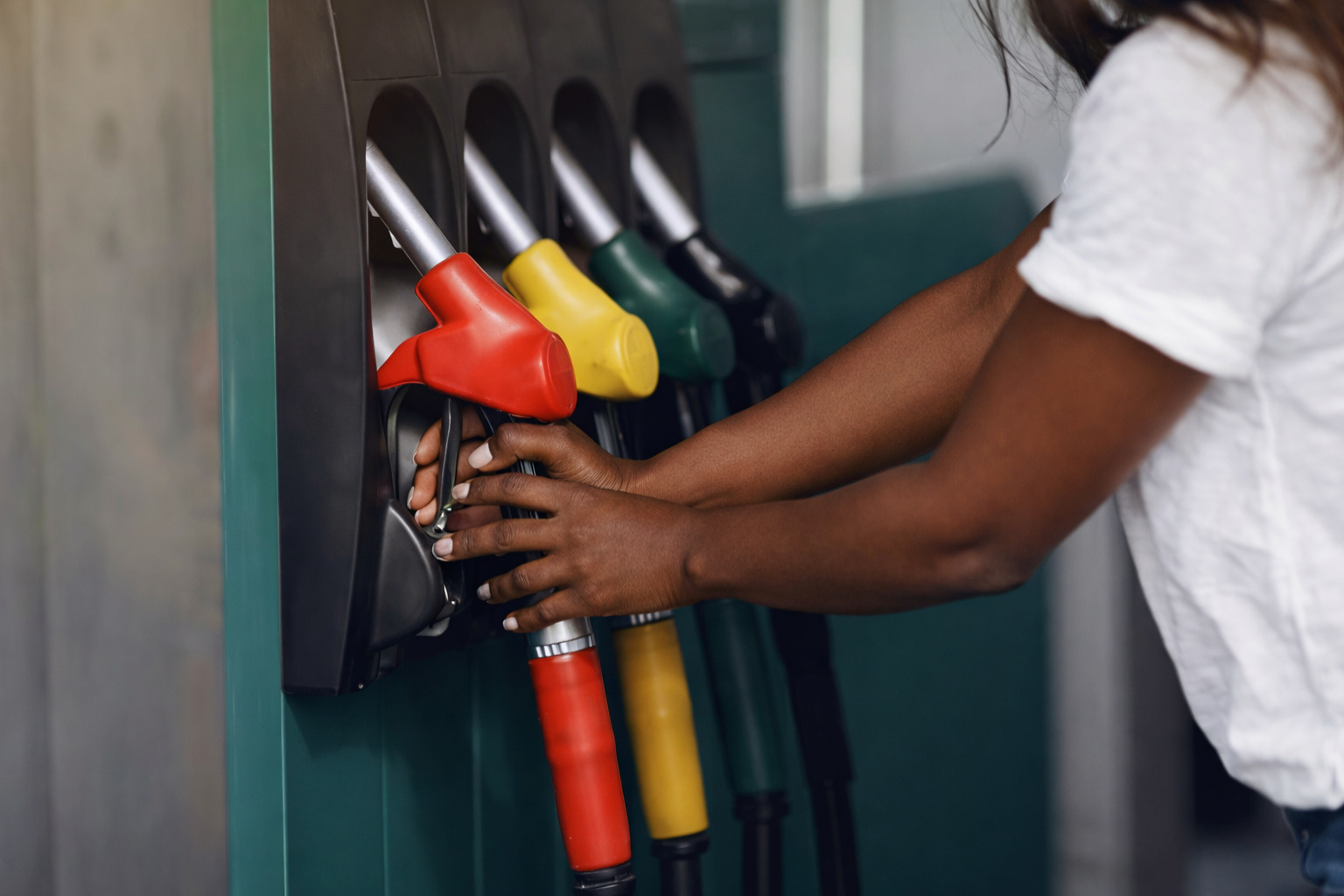
The flexibility of the “regulatory protection of brand loyalty” refers to the obligation for resale stations that have chosen to display a distributor’s commercial brand to only acquire, store, and sell fuel provided by that distributor.
ANP Advocates Ending Brand Loyalty At Fuel Stations And Delivery Service
The National Agency of Petroleum, Natural Gas and Biofuels advocates for the commercialization of different brands at the same station, relaxing the “regulatory protection of brand loyalty.”
In addition, the agency wants a new way of operating in resale, allowing delivery outside the station’s premises through a delivery service. The draft resolution will be submitted for public consultation and hearing.
Among the aforementioned proposals, the ANP also advocates for the elimination of the use of the third decimal place in fuel price tables. The objective, according to the agency, is to provide greater clarity in the presentation of prices to Brazilians.
New Measure May Reduce Gasoline Price By Up To 50 Cents
The government believes that the measure will stimulate competition among brands and could reduce the price of gasoline by up to R$ 0.50 per liter. However, some distributors oppose the measure, claiming they make investments in fuel stations and that the measure would benefit companies operating irregularly, either through tax evasion or by selling low-quality products.
The delivery system for gasoline outside the station’s premises, which has already been tested in Rio de Janeiro by GOfit, is also causing controversy.
The Gofit service operates via mobile app, following the example of food delivery services like Rappi and Uber Eats: after registering, an adapted vehicle brings the fuel from the station to the requested address.
This service, already provided in other countries where competition benefits the consumer, is not well received by distributors and fuel stations in Brazil. They argue that such operations could pose risks to supply if safety regulations are not respected.
Direct Sale Of Ethanol From Mills Is Approved By The CCJ And Promises To Stimulate Competition And Curb The Increase In Gasoline Prices At Fuel Stations
On May 5, the Commission of Constitution and Justice (CCJ) of the Chamber of Deputies approved the permit for the direct sale of ethanol from mills – without passing through distributors – to fuel stations. The new measure could curb the increase in gasoline and diesel prices, providing relief for Brazilians.
It is still not possible to know exactly how much direct ethanol sales would impact the price of the biofuel in Brazil, as there is a lot of dependency on industrial logistics in each state. However, a 2019 study by Esalq-Log showed that the average transportation cost of ethanol in the state of São Paulo would drop by around 30% with direct sales.
There are also estimates that concentrating production and distribution margins on the producer and increasing competition among millers and distributors in the fuel market could reduce the prices of hydrated ethanol at the consumer level by up to 20 cents per liter.
“The great gain is the appreciation of renewable fuel. It will be more competitive against fossil fuel, gasoline, and will be more attractive for consumers to refuel,” points out Sévero.










Seja o primeiro a reagir!