





 Portuguese
  English
  Spanish
  5 min of reading
  0 comments


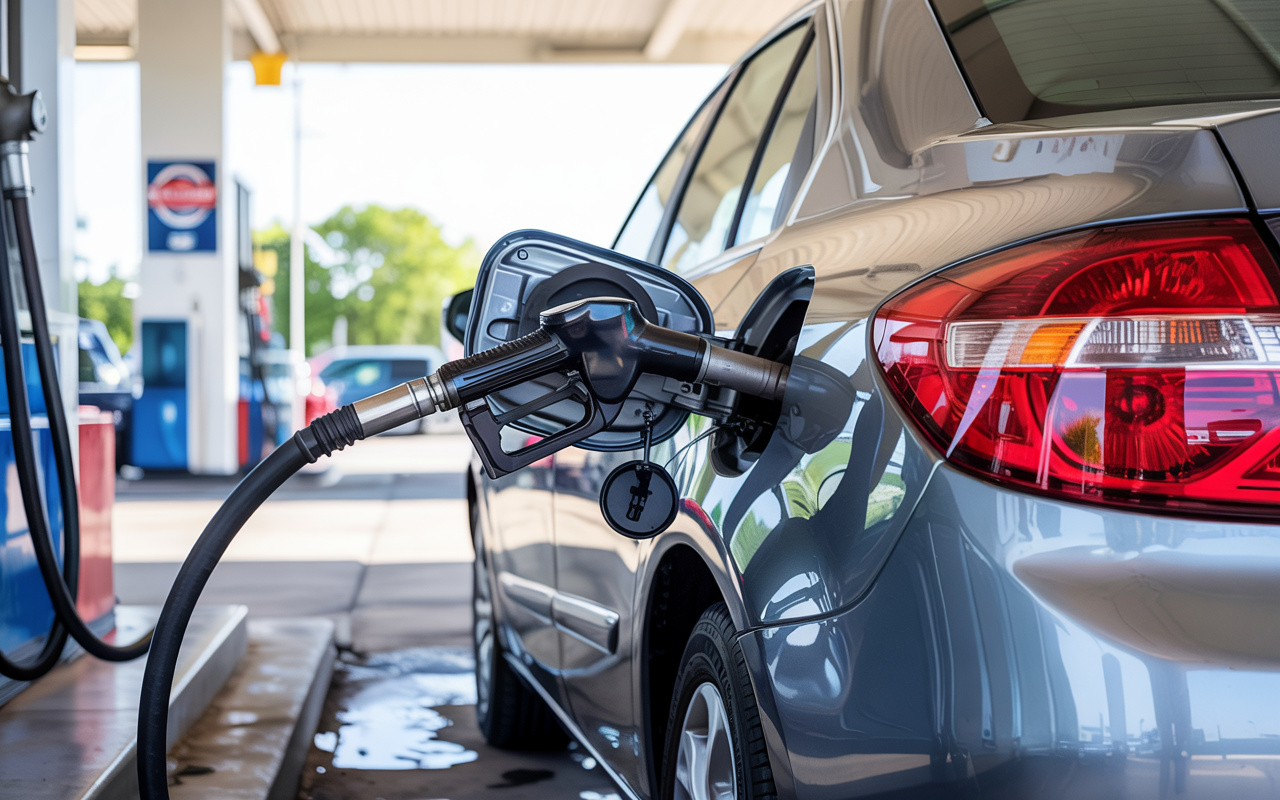
Many People Still Fill the Tank to the Brim After the Automatic Shutoff, but This Mistake Can Damage the EVAP System, Cause Fuel Leaks, and Trigger the Check Engine Light.
Filling up the car may seem like a simple task, but a common — and seemingly harmless — habit can lead to costly headaches in the future. Many people, upon hearing the click of the fuel pump, ask the attendant to “round it off” or “fill it to the brim.” This simple act, however, is a fueling error that can directly affect one of the car’s most sensitive systems: the EVAP system — responsible for managing fuel evaporation in the tank. By forcing liquid fuel into the canister, you can damage internal components, cause malfunctions, and even trigger the dreaded check engine light on the dashboard.
If you tend to ask for a “full tank,” it’s worth understanding why this is not only unnecessary but also dangerous for your vehicle.
What Is the EVAP System — and Why Is It So Important
The EVAP system (Evaporative Emission Control System) is a mandatory technology in modern cars. Its function is simple and essential: to prevent fuel vapors from escaping into the atmosphere.
-
Friends have been building a small “town” for 30 years to grow old together, with compact houses, a common area, nature surrounding it, and a collective life project designed for friendship, coexistence, and simplicity.

-
This small town in Germany created its own currency 24 years ago, today it circulates millions per year, is accepted in over 300 stores, and the German government allowed all of this to happen under one condition.

-
Curitiba is shrinking and is expected to lose 97,000 residents by 2050, while inland cities in Paraná such as Sarandi, Araucária, and Toledo are experiencing accelerated growth that is changing the entire state’s map.

-
Tourists were poisoned on Everest in a million-dollar fraud scheme involving helicopters that diverted over $19 million and shocked international authorities.




These vapors are highly polluting and represent losses both for the environment and for your wallet. To control this, the EVAP system captures the gases from the tank and directs them to a component called a canister, which temporarily stores these vapors until they can be burned by the engine.
The canister contains activated charcoal, which absorbs fuel vapors. When the car is running, specific valves release these gases to be consumed in the combustion chamber, reducing emissions and increasing efficiency.
Everything works well — until the moment you force liquid fuel into this system by insisting on filling the tank to the brim.
What Happens When You Force Beyond the Pump’s Automatic Shutoff
When the fuel pump automatically shuts off, it means that the level of gasoline (or ethanol) has reached the optimal safety point in the tank. This remaining space is not a design flaw, but a vapor expansion area, essential for the proper functioning of the EVAP system.
If you continue fueling after the click, liquid fuel can invade the vapor line, soak the canister, and compromise the entire emission control system.
The main problems that arise from this practice are:
- Saturation of activated charcoal inside the canister
- Clogging of EVAP system valves
- Fuel leakage due to internal pressure
- Generation of error codes and illumination of the check engine light
- Fuel odor inside the car
- Decrease in engine efficiency
This type of damage not only affects performance but can also result in failure during vehicle inspection (in states where it is mandatory) and high repair costs.
Why the Canister Cannot Handle Liquid Fuel
The canister was designed to handle vapor, not liquid. When soaked, the activated charcoal loses its absorption capacity, becoming saturated and unusable. In addition, the liquid can corrode or damage the internal valves of the system, preventing proper ventilation of the tank.
This problem is usually not immediate — the car may continue to function normally for a while. But gradually, the system begins to exhibit failures, and suddenly the check engine light turns on on the dashboard for no apparent reason.
When taking the vehicle for diagnosis, many mechanics find the damaged canister as the cause of the error, and replacement can be expensive.
What Manuals and Manufacturers Say About Filling the Tank to the Brim
In manuals from manufacturers like Honda, Toyota, Volkswagen, and Fiat, there are clear warnings about fueling: do not attempt to top off after the automatic shutoff of the pump. The goal is to protect the EVAP system and maintain the safety of the vehicle.
Additionally, overfilling can cause fuel leaks from the filler cap, posing a risk of fire and environmental contamination.
Bosch, one of the largest manufacturers of injection and emission control systems in the world, also warns: fueling beyond the recommended capacity is a serious mistake that damages the sensors and impairs the operation of the evaporation system.
“But Just Another R$ 2.00…” — Why “Rounding Off” Is an Expensive Mistake When Filling the Tank to the Brim
Many drivers insist on “rounding off” the fueling amount — out of habit or simply not knowing the risk. They ask the attendant to put in “more R$ 5.00” or “fill to the brim,” thinking they’re getting better value for their money.
But what seems like an immediate savings can turn into an unnecessary expense. A new canister costs between R$ 400 and R$ 1,200, depending on the car, not to mention the labor costs and the time without the vehicle.
In other words: that change that seemed innocent can turn into a hefty bill down the road.
How to Fill Up Correctly — and Avoid Headaches
The correct procedure is simple:
- Ask the attendant to fill up until the automatic shutoff of the pump clicks off.
- Do not insist on topping off after the click.
- Avoid refueling during very hot times, as fuel expansion can cause excessive pressure in the tank.
- Always check if the fuel cap is tightly closed — sealing failures also interfere with the EVAP system.
- If the check engine light illuminates after refueling, take the car for diagnosis. It may be an issue with the evaporation system.
By following these simple tips, you protect your vehicle, avoid losses, and contribute to the environment.
A Silent Habit That Can Be Costly
Many people still believe they benefit from putting in “just a little more” fuel in the tank. But the truth is that this practice jeopardizes the entire car’s evaporation system, damages the canister, and can create hard-to-diagnose issues.
If you still had this habit of filling the tank to the brim, it’s time to change. The pump’s automatic shutoff is there for a reason — respecting it is protecting your car, your safety, and your wallet.










-

-

-

-

-

-

26 pessoas reagiram a isso.