





 Portuguese
  English
  Spanish
  4 min of reading
  0 comments


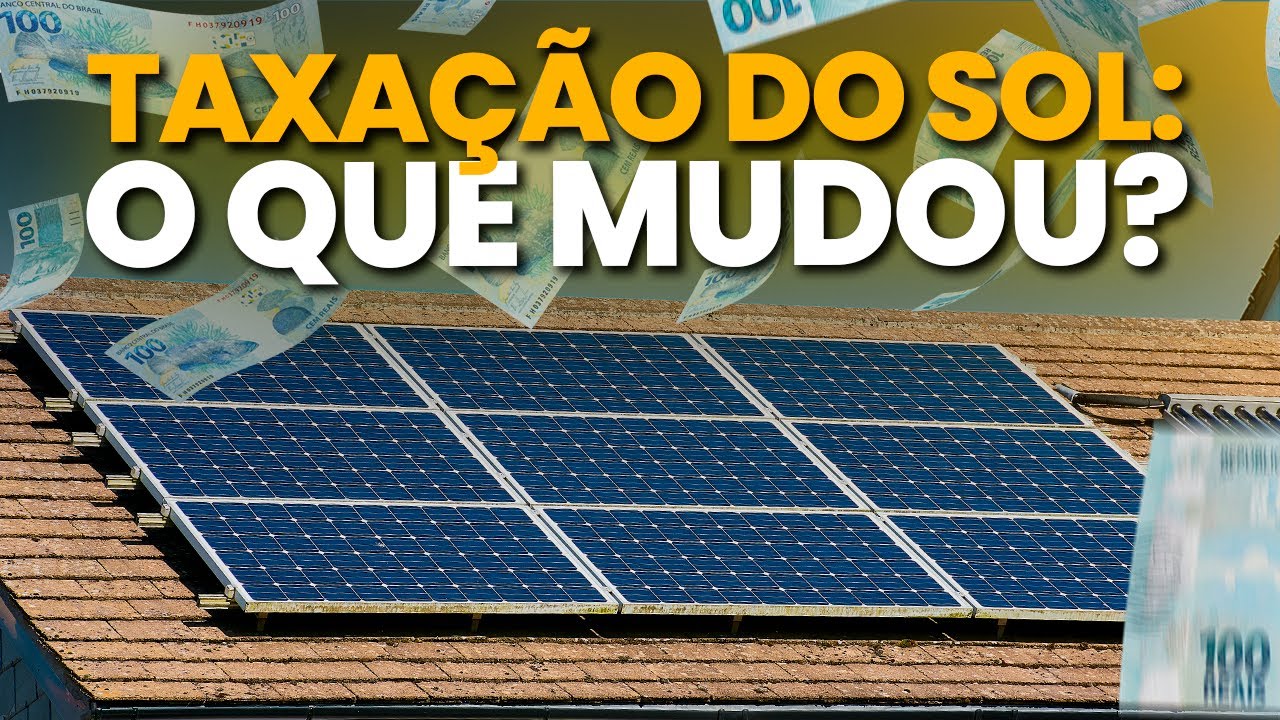
Taxation of Solar Energy Undergoes Changes in 2025 and May Influence Costs for Consumers. Understand How the New Regulation Works and What the Impacts Are for Those Who Use Solar Energy.
On January 7, 2023, the taxation of solar energy, as outlined in Law 14.300/2022, came into effect, causing concern among consumers and investors in the sector. The measure established a gradual charging system for those who generate their own energy, mainly affecting those who adopted the credit compensation system. Now, in 2025, new changes in the regulation may further impact the costs of distributed generation, raising questions about the future of cheap solar energy in Brazil.
According to the National Electric Energy Agency (ANEEL) and industry experts, the changes may directly influence investments and returns on the technology. In this article, we explain how the taxation of solar energy will function in the coming years and what the potential impacts are for consumers and companies using this sustainable source of electricity.
Recall Law 14.300 of the ‘Sun Tax’
To understand the current scenario of the end of cheap solar energy, we need to go back a bit and recall Law 14.300 of 2022, which not only brought legal security for distributed generation but also established rules for charging the energy tariff injected into the electrical grid, including the B wire.
-
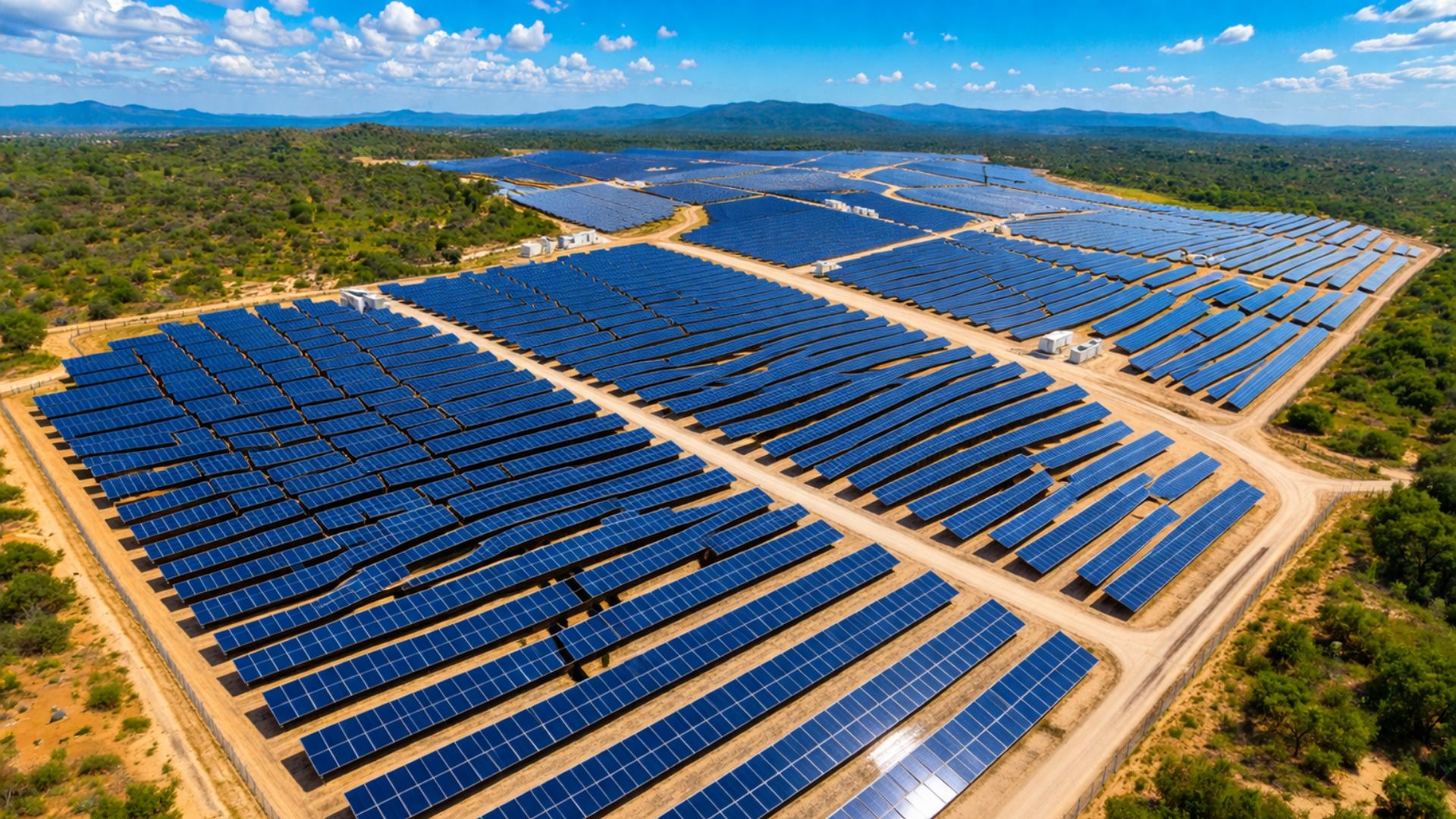
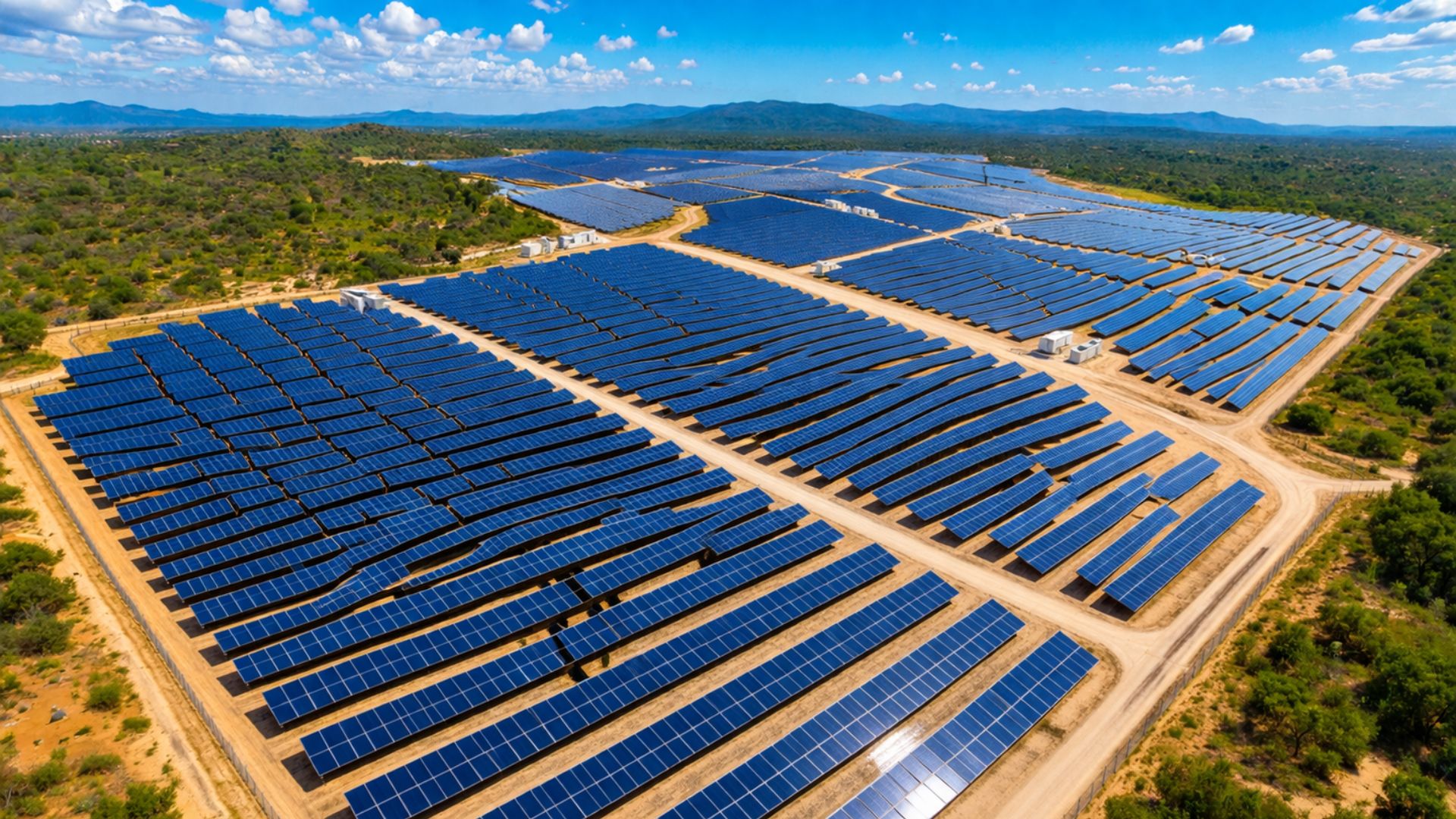
The Sol do Agreste Photovoltaic Complex begins operations in Pernambuco and accelerates the expansion of solar energy in Brazil, directly impacting the reduction of emissions and strengthening the sustainable energy matrix.
-
The Sol do Agreste Photovoltaic Complex begins operations in Pernambuco and accelerates the expansion of solar energy in Brazil, directly impacting the reduction of emissions and strengthening the sustainable energy matrix.
-
Roraima bets on the sun to escape high tariffs: Amid the energy crisis and price hikes, solar energy is growing in Roraima and transforming consumption in the North region.
-
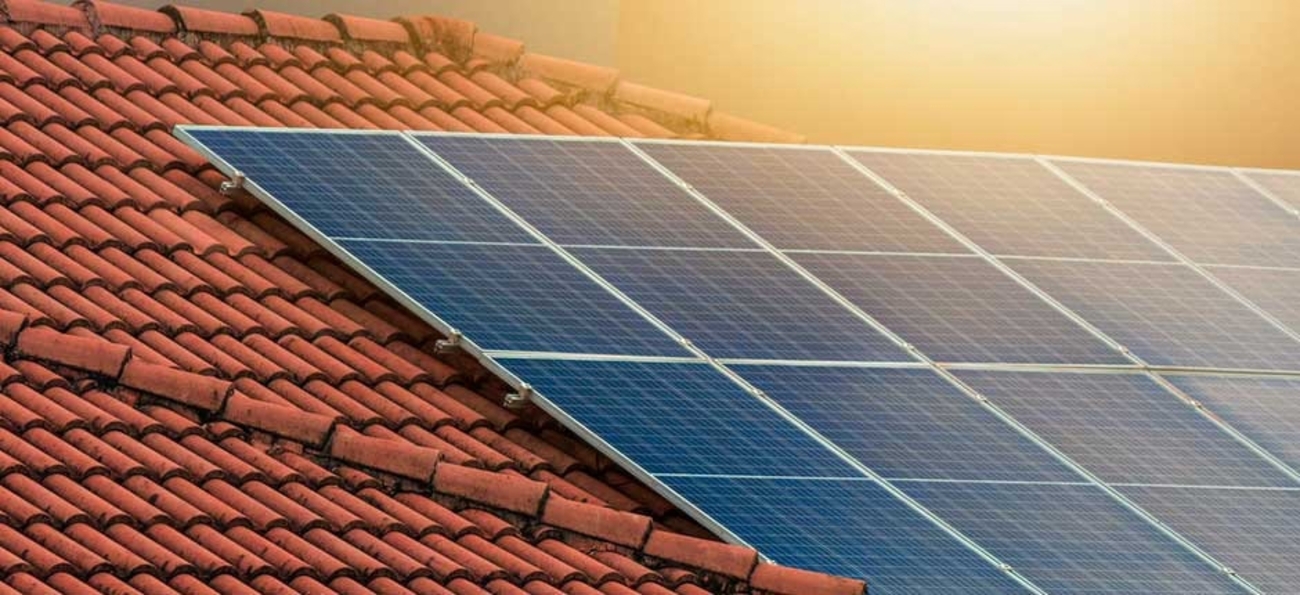
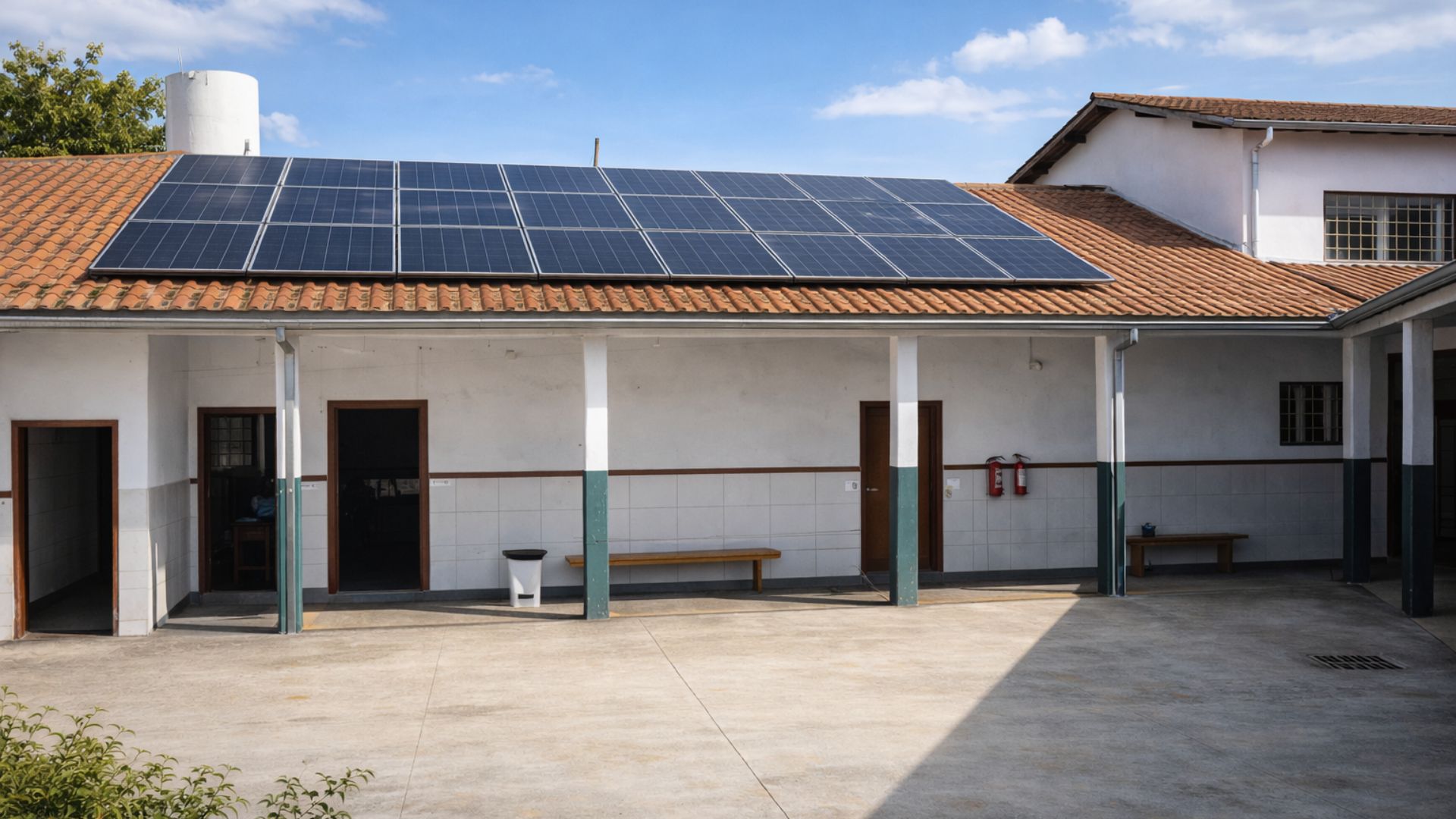
Copel boosts solar energy in Paraná and brings innovation to public schools, promoting savings on electricity bills, energy efficiency, and a direct impact on the quality of education.

It’s worth noting that the energy tariff in Brazil consists of two components: TE, which is the energy tariff related to the cost of electricity generation, and the TUSD , which is the tariff for the use of the distribution system, including charges, losses, and transportation costs of electricity.

Within the TUSD, we have wire A related to the transmission of energy through high-voltage lines and wire B, which covers the transportation of energy through the distribution network to the consumer. Wire B typically represents around 28% of the total energy tariff, depending on the utility company.
Does 2025 Bring an Increase in the ‘Sun Tax’, Leading to the End of Cheap Solar Energy? Understand!
Another important point to know is that, with Law 14.300, distributed generation projects filed after January 7, 2023, were classified as GD2 or GD3.
For GD2 projects, a gradual charge on wire B was established. In 2023, the charge started at 15%, increased to 30% in 2024, and now in 2025 it reached 45%.
In the coming years, 60% will be charged in 2026, 75% in 2027, 90% in 2028, and a new rule will still be defined for 2029. Thus, the change that occurred with the arrival of 2025 was an increase of more than 15% in the charge on wire B, rising from 30% to 45%.
Main Changes
In 2025, significant changes occurred in the taxation of solar energy in Brazil, as established by Law No. 14.300/2022, known as the Legal Framework for Distributed Generation. Starting this year, the charge for using the electrical grid, designated as the Tariff for the Use of the Distribution System (TUSD) Wire B, increased to 45% on the excess energy injected into the grid by distributed generation systems. This percentage is part of a progressive increase that began in 2023 with 15% and will reach 100% by 2029.
Additionally, the Federal Government raised the Import Tax on assembled solar modules from 9.6% to 25%, effective July 2025. This measure aims to encourage the domestic production of photovoltaic equipment but will result in an estimated 26% increase in the price of photovoltaic modules and a 13% rise in the cost of residential solar energy kits.
These changes directly impact the installation cost and return on investment in solar energy systems in the country. Despite the new rates, solar energy remains a viable alternative for reducing electricity costs, especially when financial planning considers these regulatory changes.
Understand How the Law and the Possible End of Cheap Solar Energy Work in Practice
As an example, imagine that your utility company’s energy tariff is R$ 1.00 per kWh, and in addition, consider that wire B accounts for 28% of the energy tariff, or 28 cents, and that you consume 1,800 kWh per month.
In 2024, since the charge on wire B was 30%, the value of the injected energy suffered a depreciation of about 8 cents, meaning it was worth only 92 cents per kWh. If the charge was 30% on wire B, and wire B is worth 28 cents, the discount is approximately 8 cents.
Thus, the total tariff would be R$ 144. Now in 2025, with the increase in the solar tax to 45%, the value of injected energy will be worth only 87 cents per kWh. With the same data, the tariff rises to R$ 234.
To better understand how the calculation works, it is quite simple. The value is calculated by monthly consumption (1,800 kWh) multiplied by the value per kWh (R$ 1.00), resulting in R$ 1,800. This amount should be subtracted by the discount with the injected solar energy (R$ 1,800 kWh x 0.87 cents/kWh). This calculation yields R$ 234, which is what the consumer must pay.
Now for projects classified as mini generation, which are GD3, above 500 kW for remote self-consumption or shared generation, they did not experience gradual increases as in the cases of GD2. However, they already started with a higher fixed value.









-

-

-

-

11 pessoas reagiram a isso.