





 Portuguese
  English
  Spanish
  4 min of reading
  20 comments


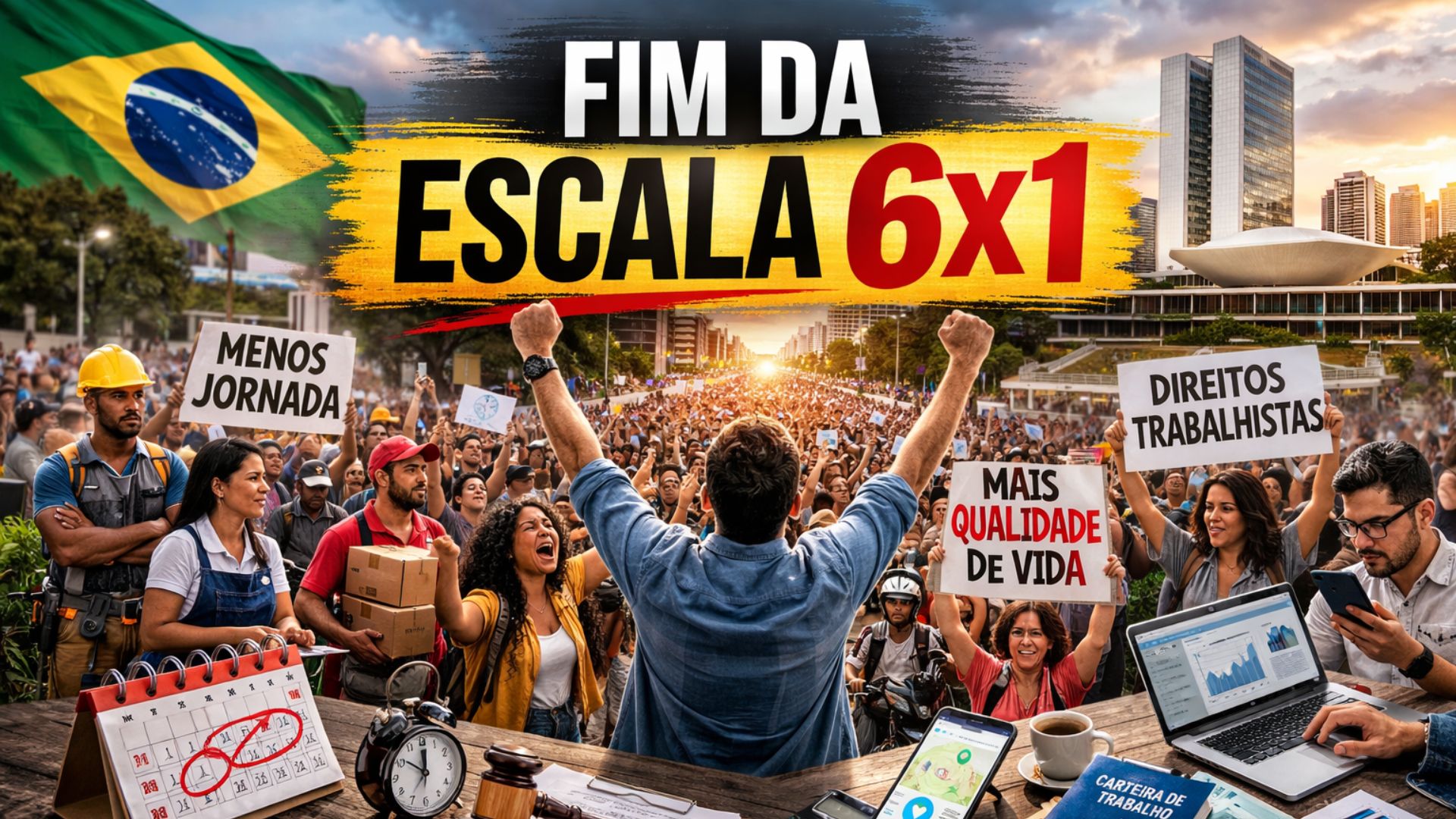


Debate On Ending The 6×1 Scale Exposes Structural Barriers In The Brazilian Economy, Such As Low Productivity, Shortage Of Formal Labor, And Gaps In Digital Labor Regulation, In Addition To Reviving Discussions About The Transition From Bolsa Família To Formal Employment.
The Minister Of The Superior Labor Court (TST) Alexandre Luiz Ramos Stated In Salamanca That The End Of The 6×1 Scale Is A Welcome Measure From A Humanitarian Perspective, But He Conditioned The Progress Of The Debate To Structural Barriers In Brazil, Such As Shortages Of Formal Labor And Low Productivity.
The Statement Was Made During The II Ibero-Brazilian Congress On Global Governance, Held At The University Of Salamanca Between February 23 And 25, 2026, In A Program That Discussed Jurisdiction And Legal Security Amid Economic And Technological Changes.
In The Minister’s Assessment, Reducing Working Hours Opens Space For Leisure, Family Interaction, Reskilling, And Personal Development, Points That He Says Are In Line With A Healthier Work Environment And Greater Predictability In Routines.
-
The government requests the Federal Revenue Service for a new system to automate the income tax declaration, reducing errors, time, and bureaucracy for millions of Brazilians.

-
Pix in installments, international Pix, and contactless payment without internet: the Central Bank revealed the new features coming to the tool that is already used by almost every adult in Brazil.

-
Mercado Livre has just started selling medications with delivery in up to three hours to your door, and this move could completely change the way Brazilians buy medicines on a daily basis.

-
In Dubai, rising tensions from the war in the Middle East are causing super-rich individuals to leave the Gulf and direct their fortunes to a new financial refuge in Asia.


At The Same Time, Ramos Claimed To See A Scenario Of Labor Shortages In The Formal Market And Reported That This Problem Is Perceptible In Different Regions And Sectors, Summarizing The Diagnosis In The Expression “Labor Shortage”.
In One Of His Most Direct Statements, The Minister Declared: “Wherever You Go In Brazil, A Labor Shortage Can Be Identified,” Defending That The Discussion About Working Hours Needs To Consider Practical Impacts On Companies’ Hiring Capacity.
Reduction Of Working Hours And Productivity At The Center Of The Impasse
For Ramos, Brazilian Low Productivity Appears As An Additional Obstacle When Discussing Reducing Working Days Without Compromising Economic Activity, Especially In Sectors That Already Operate With Lean Staff And High Employee Turnover.
The Minister Argued That Lower Productivity Should Not Be Attributed To The Worker As An Individual Failure, But Rather To Structural Limitations In Qualification And Training, Which Would Impact Comparisons With International Standards Cited By Him In The Debate.
In This Context, Ramos Stated: “Reducing The Weekly Working Hours Is Good From A Humanitarian Perspective, But We Also Need To Think About How To Compensate For This Labor Shortage And The Low Productivity Of Brazilian Workers Compared To International Standards.”
The Position Presented At The Congress Comes While The 6×1 Scale Remains On The Radar Of Public And Legislative Discussions In Brazil, Driven By Mobilizations And Various Proposals Under Consideration, Still Without Consensus On Format And Implementation.
Bolsa Família And The Transition To Formal Employment
When Addressing Social Policies, Ramos Stated That Cash Transfer Programs, Such As Bolsa Família, Are Relevant And Indispensable But Can Produce Side Effects When There Are No Instruments To Facilitate The Transition From Benefits To Formal Employment.
In The Minister’s View, Part Of The Debate Should Focus On Transition Mechanisms That Prevent Abrupt Breaks In Family Income, Reducing The Risk That Returning To Formal Employment Represents An Immediate Loss Of Protection.
As An Alternative, He Advocated For The Possibility Of Temporarily Aligning The Receipt Of Bolsa Família With Formalization, In An Adjustment Period That Would Function As A “Gradual Weaning” Until Full Reintegration Into The Formal Market.
The Proposal Was Cited By Ramos As A Way To Provide Predictability To Workers And To Increase Adherence To Formal Ties, While Preserving, For A Delimited Interval, The Existing Social Safety Net.
Digital Work And Gaps In Brazilian Legislation
Another Focus Of The Minister’s Speech Was The Expansion Of The Labor Court’s Perspective Beyond Traditional Subordinate Employment Governed By The CLT, Encompassing Professional Relationships Established In The Digital Environment And In Platform-Mediated Models.
Ramos Indicated That Platform Work Is Not Limited To Geolocation-Based Activities, Such As Ride-Hailing And Deliveries, And Includes Services Provided Online In Areas Such As Design, Translation, Consulting, And Architecture.
According To Him, The Problem Is The Lack Of A Specific Legal Framework In Brazil To Regulate These Relationships, A Scenario That Fuels Legal Uncertainty And Pressures The Judiciary To Decide On A Case-By-Case Basis, Without A Modern Normative Reference.
In Defending Institutional Openness For These Modalities, The Minister Emphasized That This Would Not Mean Automatically Applying The CLT, Which Was Crafted In A Different Socioeconomic Reality, But Rather Discussing A Regulatory Model That Coexists With The Current Regime.
Ramos Also Stated That The Topic Of Labor Reform Remains Sensitive In The National Congress, A Factor That, In His View, Hinders The Creation Of An Updated Framework For Digital Contracts And For New Forms Of Service Provision In 2026.
Congress In Salamanca Discussed Global Governance And Legal Security
The II Ibero-Brazilian Congress On Global Governance Was Presented By The Organizers As A Forum For Discussing Jurisdiction And Legal Security, Bringing Together Authorities And Experts To Discuss The Institutional Impacts Of Contemporary Transformations.
During The Event, Discussions About The 6×1 Scale And The Digital Work Agenda Emerged Against A Larger Background, Where Technological Changes And Economic Challenges Increase Pressures For Normative Predictability And Stable Judicial Decisions.








Minha opinião o bolsa família deveria ser de no máximo 6 meses de ajuda , tempo suficiente pra se arrumar um emprego, pra ninguém ficar acomodado recebendo o Benefício contínuo
Quanto mimimi de ruminantes por aqui… Passei só pra lembrar: se exite um monte de encostados hoje no pais, a culpa é do presidi@rio f@scista… Na ânsia de ganhar a eleição de forma desleal, ele aumentou o BF pra 1200 reais… E ainda deu auxilio taxista, motoboy e caminhoneiro de hum mil reais poucos meses antes da eleição… Por isso está inelegível… Vc são tão hipócrit@s pedindo pra acabar com o BF, pq o bandid0 de estimação de vcs não o fez??? Deixem de mimimi, vcs não tem m0ral nenhuma.
Senhor ministro, deputados, senadores pq vcs não trabalham, igual o povo brasileiro.facil falar qdo, não se trabalha, vivem em viagens, ganhando milhões por ano, aproveitando sempre com seus familiares. Sempre em recesso, vcs tinham q trabalhar muito e ganhar pouco, não querem a escala 6/1 por que estão com medo de o dinheiro nosso não os sustentarem..