





 English
  Francês
  Alemão
  Italiano
  Japonês
  Norueguês
  Portuguese
  Spanish
  4 min of reading


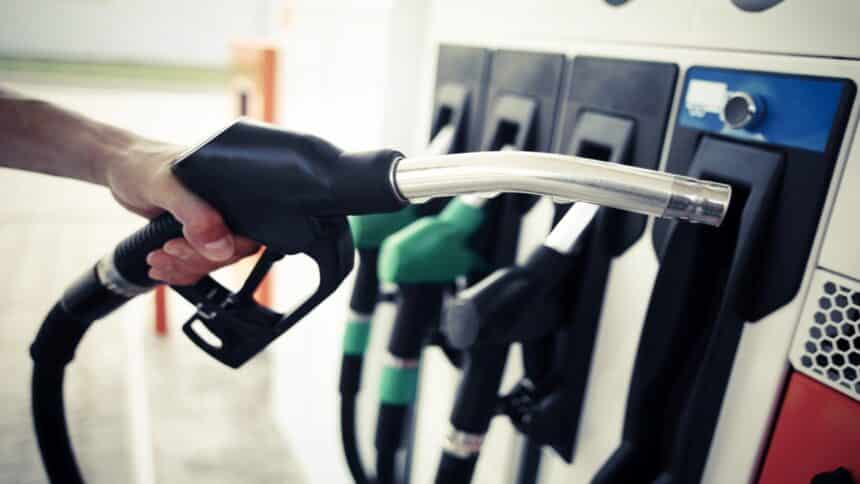
Direct Sale of Ethanol and Ending Brand Loyalty at Fuel Stations Approved Today (11/08) Promise to End Cartels, Stimulate Competition, and Lower Gasoline Prices, Which Have Been Suffering Consecutive Surges
A Provisional Measure to allow sugarcane producers to sell ethanol directly from the mill to the fuel stations was approved by the Government on the morning of this Wednesday (11), and it may become the ‘solution’ to contain and curb the rising gasoline prices. The text also establishes a white label for fuel stations, meaning that stations displaying brands of a specific distributor can start selling fuels from other suppliers, provided that the consumer is informed.
Read Also
- Ethanol Made from Coconut Shells, Developed by Brazilian University, Could Change the World of Renewable Energy
- Reduction of Biodiesel in Fuel Could Backfire and Trigger Industry Bankruptcies and Unemployment
- Ethanol Price Reaches Almost 5 Reais at the Pumps and Refueling with Gasoline Becomes More Advantageous in Some Brazilian Regions
- Mixing Biodiesel with Diesel Could Damage Engines and Raise Fuel Prices, Says Entities Representing Over 200,000 Companies in the Sector
- Raízen Announces Acquisition of Paraguayan Company for US$ 130 Million and Celebrates Sales of 460 Million Liters of Cellulosic Ethanol Over Nine Years
Direct Sale of Ethanol from Mills Will Stimulate Competitiveness with Gasoline
According to the Ministry of Mines and Energy, the relaxation of the so-called regulatory guardianship of brand loyalty “fosters new business arrangements between fuel distributors and retail resellers.” “This encourages competition in the sector and stimulates the entry of new players and infrastructure investments, which can generate jobs and income in the Country,” indicates the ministry.
According to the ministry, this action was taken following a decision by the CNPE (National Council for Energy Policy) and studies conducted by ANP (National Agency for Petroleum, Natural Gas and Biofuels) with the aim of increasing competition, benefiting the end consumer.
-
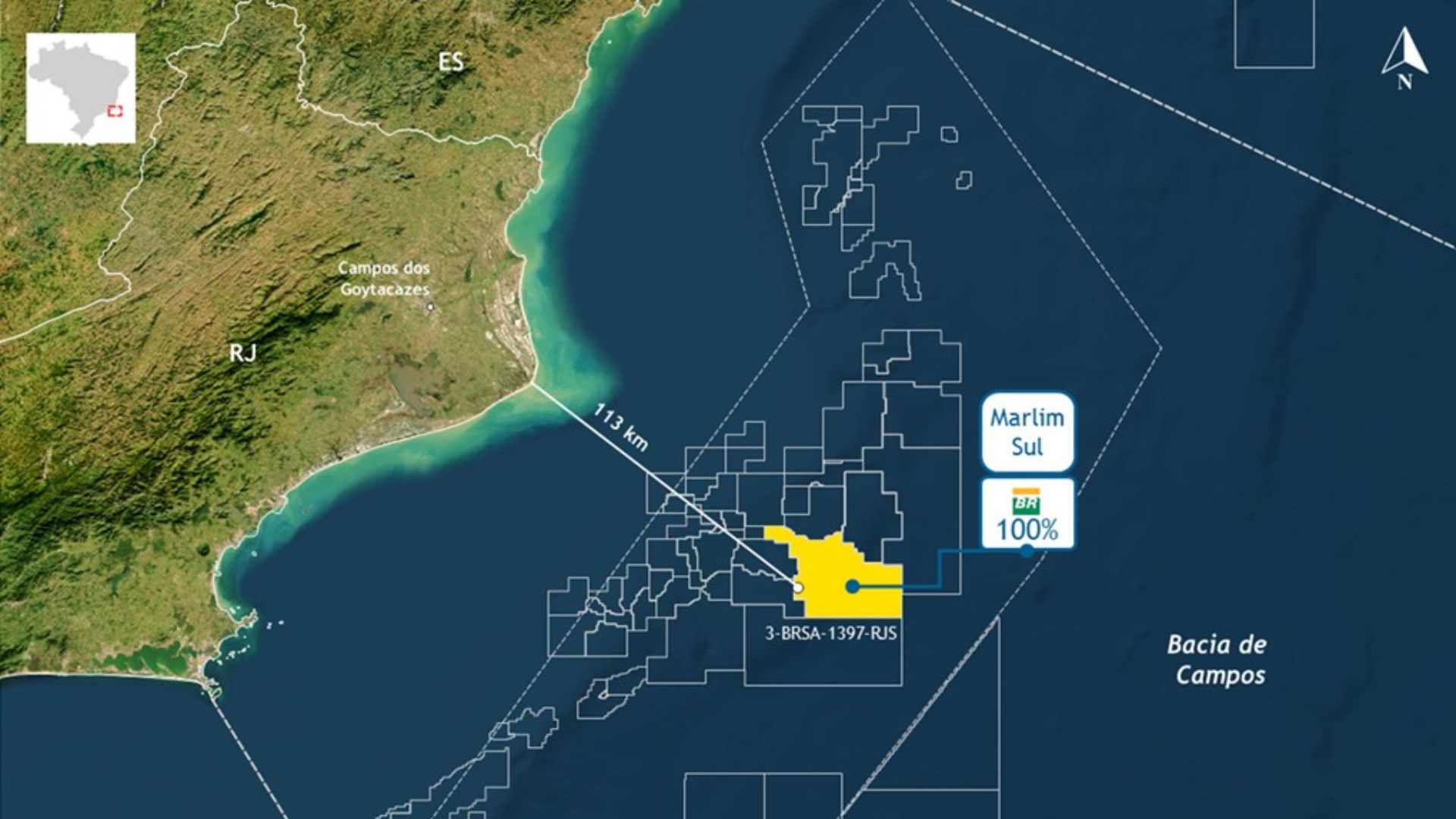
Petrobras announces new oil discovery in the pre-salt of the Campos Basin and reinforces Brazil’s prominence with high-quality reserves that can increase production and energy revenues.
-
Alert in the fuel market: Analysts and a former director of ANP warn that oil prices may worsen in the coming months due to global instability.
-
Ocyan brings executives and digital solutions to Macaé Energy 2026 and highlights offshore expansion with Nexio and a new base in Macaé.

-
Petrobras advances 4.6% with rising oil prices and the dollar, reigniting the debate on macro risks, pricing policy, and fiscal impact in Brazil.

As this is a Provisional Measure, the project takes effect immediately for 60 days, which can be extended once for an equal period. If it is not analyzed within 45 days, it blocks the voting agenda of the legislative body until it is voted on or loses its validity.
Mills Can Continue Operating Exclusively with Intermediaries or Adopt a Mixed Model
The direct sale of hydrated ethanol to fuel stations, effective from this Wednesday (11), will not imply high infrastructure costs for the mills. Furthermore, the business design, in terms of transportation, will offer gains that are currently consumed by the delivery distance to the distributors’ bases.
The mills can continue operating exclusively with intermediaries or may adopt a mixed model, as the Provisional Measure (MP) authorizing the operation is not compulsory. For now, they will only be able to serve non-branded stations, which is also a limiting factor for revenues, as there are few of them.
Thus, the units can plan the distance they can travel and the corresponding number of service stations they can serve with the basic equipment they already possess. Tank trucks, for example.
Alexandre Lima, president of Feplana and Usina Coaf (cooperative) in Pernambuco, sees no issues regarding this as a factor that would increase operating costs, which could nullify the gain that eliminating the distributor cost would bring.
Companies Distributing Fuels Can Pick Up Ethanol FOB at the Mill
Any company, no matter how small, has this infrastructure, including tank storage, and the distances will be shorter than the current deliveries to the distributors’ bases, says Lima, who was one of the leaders in the fight for adopting this system that had been dragging on for over two years.
At this point, Renato Cunha, president of Novabio and Sindaçúcar Pernambuco, emphasizes that the mill “already delivers CIF (covering cost, insurance, and freight) to distributors, covering long distances, imagine if we sell to the stations within a maximum of 30 kilometers. Expenses will be minimal and absorbable”.
Today, companies distributing fuels can also pick up ethanol FOB at the mill (freight on board, in Portuguese), meaning they bear all responsibility for the freight.
“It doesn’t change anything regarding the costs for the mills,” explains Cunha, another leader in this request, uniting the mills of Pernambuco which culminated in the formation of Novabio, which brought together industries from other states advocating for the direct sale of ethanol.









Seja o primeiro a reagir!