





 Portuguese
  English
  Spanish
  3 min of reading
  0 comments


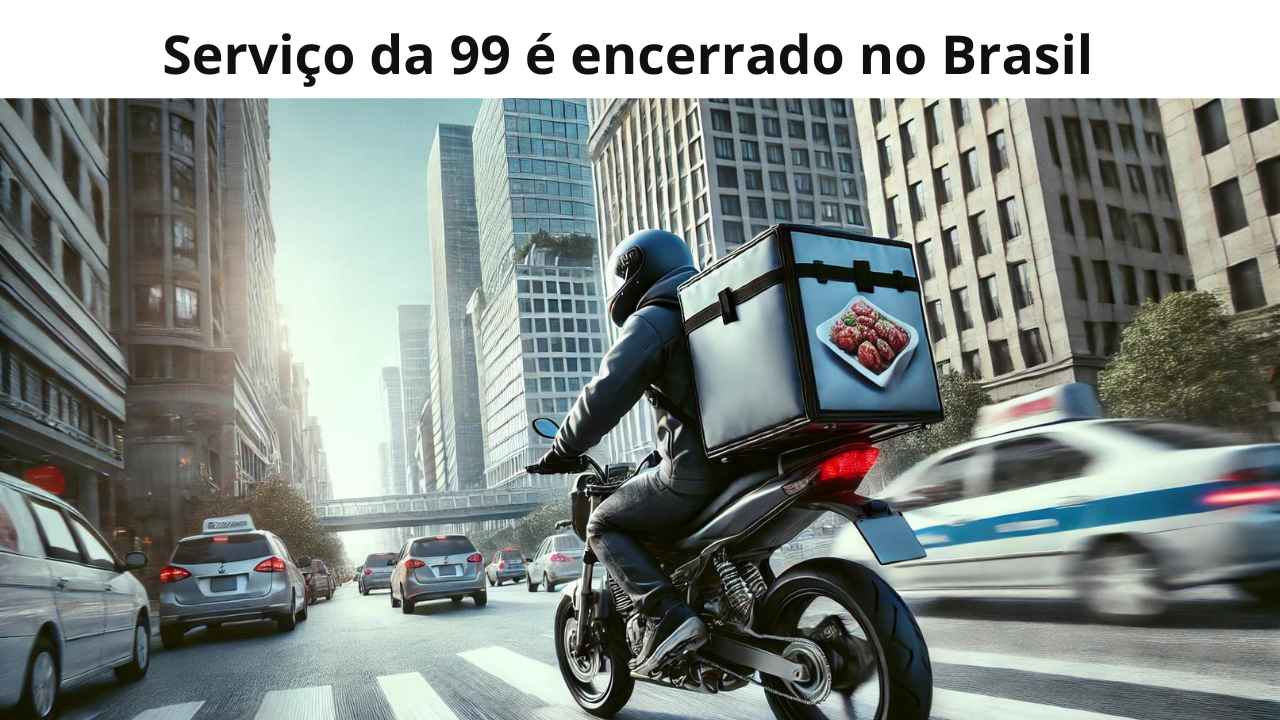
The 99 Platform Announces the End of the 99Food Service, Catching Thousands of Customers and Partners by Surprise.
The closure of a service acclaimed by thousands of Brazilians caught many people off guard. 99, one of the leading urban mobility platforms in the country, recently announced the end of its delivery service, 99Food. And, as if that weren’t enough, the announcement came unexpectedly, leaving customers and partners in shock. Yes, the end of an era!
On March 17, 2024, 99 sent an email to its partners informing that the 99Food service would cease operations starting April 17. The announcement, made shortly after the platform had ended the delivery service with its own motorcycle riders, raised a series of questions about the company’s future in this competitive sector.
The 99 Announcement
According to information from the Start-se portal, 99 executives have already indicated that the complete closure of 99Food was a productive step. In the official announcement, the platform highlighted that it is reallocating resources to focus on services more aligned with its current strategy:
-
50 viaducts, 4 tunnels, 28 bridges, and 40 kilometers of bike paths: BR-262 in Espírito Santo will receive 8.6 billion reais for the largest engineering project in the state’s history, inspired by the Immigrant Highway in São Paulo.

-
Brazil produces too much clean energy and doesn’t know what to do with it: over 20% of solar and wind capacity was wasted in 2025 while investors flee and 509 renewable generation projects were abandoned in the last year.

-
Piauí will produce a new fuel that replaces diesel without needing to change anything in the truck’s engine and reduces pollutant gas emissions by half: truck drivers from all over the Northeast are already celebrating the news that will arrive later this decade.

-
A new Brazilian shopping center worth R$ 400 million will be built in an area equivalent to more than 4 football fields, featuring 90 stores, 5 cinemas, a supermarket, a college, and parking for 1,700 cars, potentially generating 3,000 jobs.


“To continue democratizing our products and services, we are constantly evaluating how we can better serve the needs and desires of our users. As a company, we have decided to concentrate many of our resources on the development of two-wheeled services, with the expansion of 99Moto in Ride-Hailing, and 99 Entrega Moto in delivery. For this reason, we have decided to discontinue the 99Food app“, said the 99 announcement.
The company also emphasized that delivery drivers can continue earning income through the 99Moto and 99 Entrega Moto services, available in various locations across Brazil. However, the surprise from the announcement left many questions among restaurants and consumers who rely on the platform for their meals delivery.
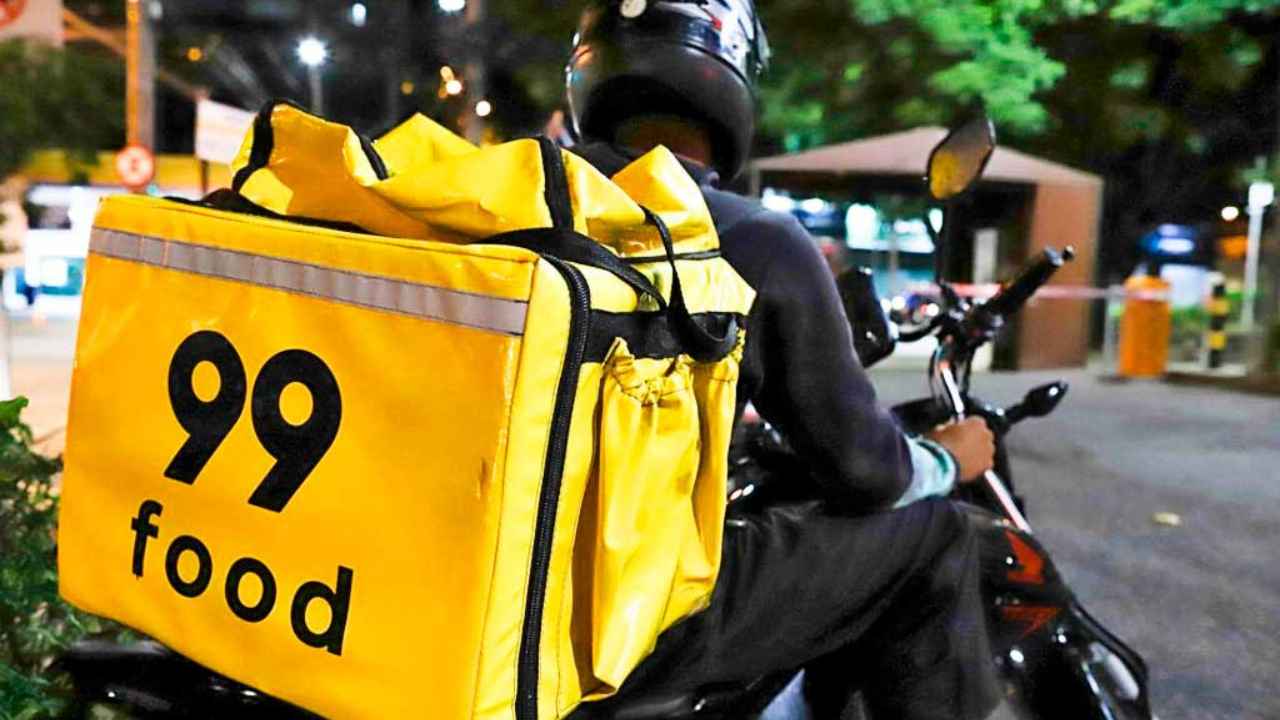
The End of 99Food and the Delivery Market
The closure of 99Food comes at a time when large technology companies are looking to simplify their operations and cut costs to increase profitability. This movement reflects the challenge of competing with industry giants, such as iFood, which largely dominates the delivery market in Brazil.
Besides 99, other major platforms have also reassessed their strategies in the sector. Uber Eats, for example, has closed its operations in the country, while Rappi has promoted its promotional campaigns to focus on the RappiPrime subscription service. The delivery market, which was once a goldmine, seems to be undergoing a transformation, and 99Food has ended up outdated.
Launched in 2019, 99Food had a strategy focused on smaller cities, avoiding direct competition with iFood in major capitals. However, this strategy failed to gain sufficient traction, and the costs to expand and compete in a dominated market required investments that 99 was not willing to make.
The 99 Announcement Leaves Customers Surprised with the End of the Delivery Service
The exit of 99 from the delivery market is a reflection of the changes in the technology and delivery sector in Brazil. Although 99Food was a valid attempt to challenge the dominance of iFood, fierce competition and high operational costs made the continuation of the service unfeasible.
Now, the platform intends to concentrate its efforts on urban mobility and two-wheeled logistics, areas where it believes it can continue to grow and offer innovative solutions to its users. For many, the end of 99Food marks the end of an era in Brazilian delivery, but 99 continues steadfast in its innovation journey.
With iFood’s dominance and lower tax challenges, will the solutions offered by 99 for motorcycle deliveries be able to meet the needs of partners and customers? Are we moving towards a monopoly in the delivery sector in Brazil? What do you think of this 99 decision?









Seja o primeiro a reagir!