





 Portuguese
  English
  Spanish
  5 min of reading
  0 comments


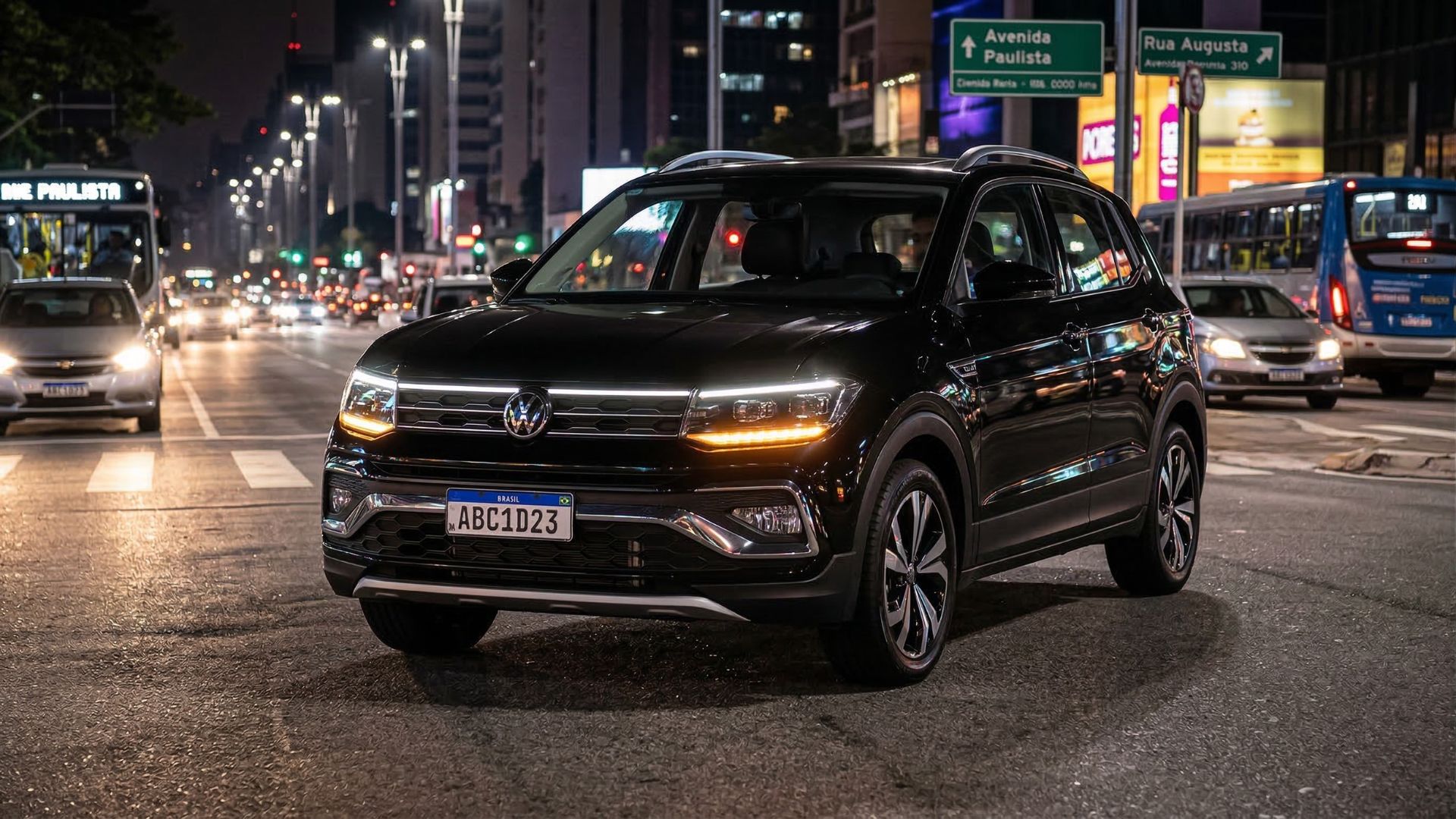
International Spies Reveal Changes in the Best-Selling SUV from Volkswagen in Brazil and Anticipate a Possible Hybrid Phase with New Turbo Engine, Design Aligned to the Brand’s Global Identity, and Industrial Strategy That Could Reposition the T‑Cross Within the Automaker’s SUV Offensive.
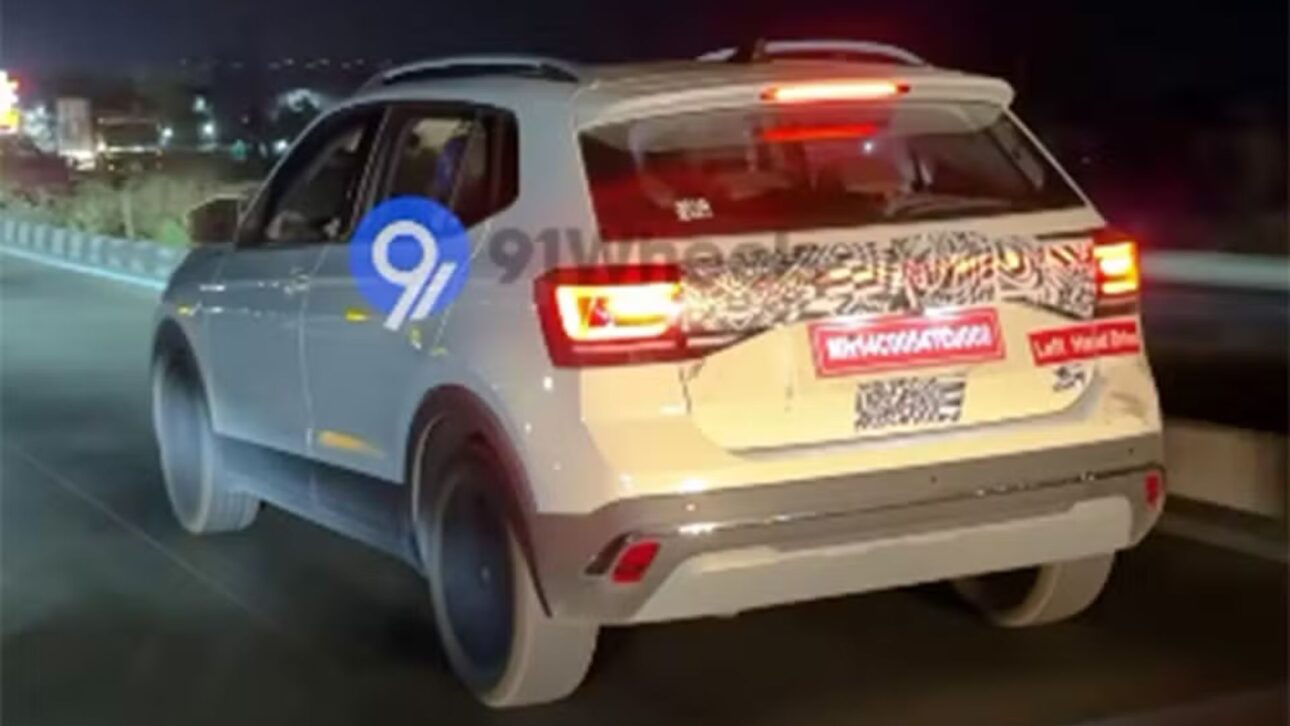
The Volkswagen T‑Cross has entered a new phase of discussion in the market after test images taken in India revealed important changes to the front and rear of the utility vehicle.
The spotted prototype, sold in that country as Taigun and derived from the same project as the T‑Cross for emerging markets, appeared with redesigned headlights, LED front light bar, and new taillight signature, bringing the overall design closer to the latest visual language of the German brand.
Volkswagen has not yet confirmed when, or if, this package will arrive in Brazil, but the move reinforces that the SUV is heading towards a more profound aesthetic renewal than the facelift seen here in 2024.
-
Costing R$ 16,000, the new Yamaha features a 125 cc hybrid engine with electric assistance, delivers 8.3 hp, includes ABS, optimized fuel consumption, Y-Connect connectivity, 25 liters of storage space, and a surprising 4-year warranty in the urban segment.

-
OMODA & JAECOO grows in Europe in 2026 with an integrated strategy of sales, innovation, local production, and technological advancement in the United Kingdom, Italy, and Spain.
-
OMODA & JAECOO expands after-sales service in Brazil with competitive maintenance, a 7-year warranty, and high availability of parts for technological SUVs.
-
OMODA & JAECOO appoints Alessandra Souza as executive marketing director in Brazil and accelerates brand expansion with a focus on innovation, networking, and hybrid portfolio.


Launched in Brazil in 2019, the T‑Cross has established itself as one of Volkswagen’s main products in the segment, and therefore any changes to the model carry strategic weight.
The most recent photos taken in India show a cleaner front design, with interconnected lighting and revised grille, in addition to redesigned bumpers.
At the rear, the proposal also evolves with new internal arrangement of the taillights and updated bumper finish, preserving the horizontal light strip that has already become a trademark of the utility vehicle.
New Look of the Volkswagen T‑Cross Brings SUV Closer to the Brand’s Global Identity
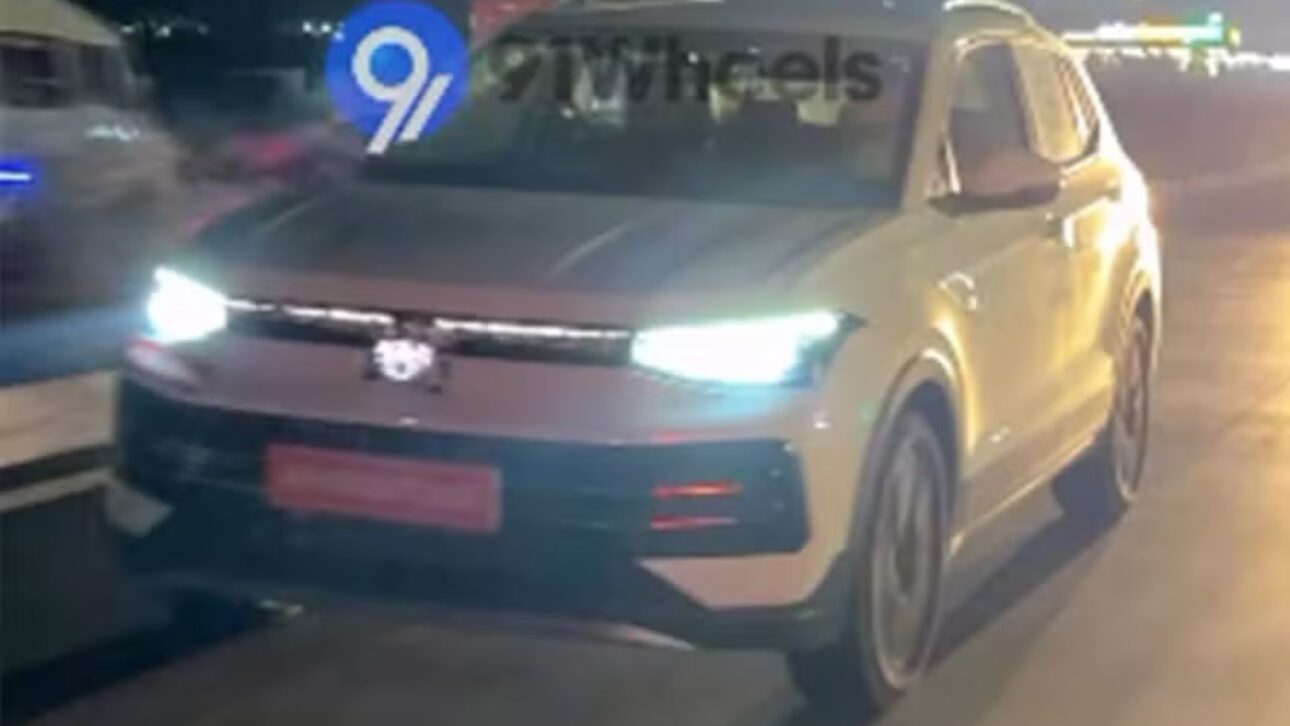
The look seen in the tests brings the utility vehicle closer to Volkswagen’s more recent launches in Europe.
The most obvious reference is in the new generation of the T‑Roc and other SUVs from the MQB evo platform, which adopted a front light bar, illuminated emblem in some markets, and a more horizontal design.
Officially, the manufacturer has already confirmed that the latest generation of the T‑Roc uses this updated technical base and bets globally on mild hybrid and full hybrid engines as part of the line renewal.
This connection is relevant for Brazil because Volkswagen itself is preparing a local technological transition.
The company has confirmed investments of R$ 16 billion in the country by 2028, focusing on decarbonization, electrification, and portfolio renewal.
In more recent communications, the automaker has also started to talk about an offensive of 17 vehicles in the Brazilian market by 2028, a number higher than the previously mentioned plan of 16 launches.
1.5 TSI Evo2 Engine and Hybrid Technology Enter the SUV’s Radar
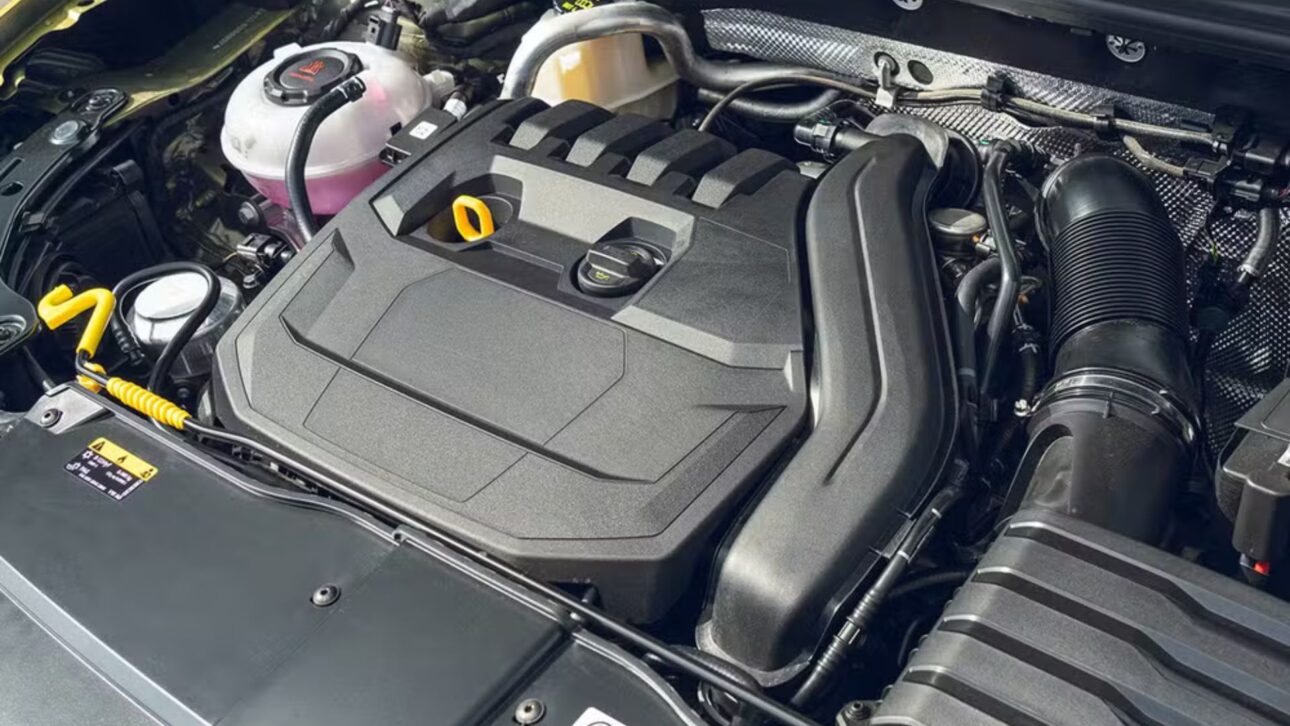
In mechanical terms, the main change associated with the future of the T‑Cross is the gradual replacement of the 1.4 TSI with the 1.5 TSI Evo2, an engine already officially presented by Volkswagen abroad as an evolution of the family of four-cylinder turbo engines.
This engine debuted in Europe with 150 hp and was developed to reduce consumption and emissions, in addition to allowing integration with electrified systems.
In the brand’s mild hybrid applications, it works with 48-volt electrical architecture and a 7-speed DSG transmission, a combination that Volkswagen already uses in European models.
In Brazil, the adoption of this set still depends on the industrial schedule and business decision, but there are concrete signs of local preparation.
In 2024, Volkswagen reported that the engine factory in São Carlos would receive a new engine within the brand’s investment cycle.
In parallel, reports from the Brazilian automotive press have been pointing out that the 1.5 TSI Evo2 will be the basis of the company’s hybrid-flex offensive in the country, initially with imports from Mexico before a later nationalization.
What remains unconfirmed is which models will inaugurate this phase and in what order this will occur.
Volkswagen’s Strategy May Keep Two Generations of the T‑Cross in Brazil
The hypothesis of coexistence between the current T‑Cross and a larger successor gained traction precisely because Volkswagen has expanded its ambition in the SUV segment in Brazil.
The brand has already started production of the Tera in Taubaté and keeps the T‑Cross among its most commercially significant SUVs, while also strengthening the national portfolio with new products.
In this context, it makes strategic sense to imagine a clearer division between an entry or intermediate model and another positioned above, although this architecture has not yet been confirmed by the manufacturer.
The parallel with Europe helps to understand this reasoning.
The new generation of the T‑Roc has grown in technological content, adopted the MQB evo base, and has begun to concentrate an entirely electrified range, with mild hybrid versions and future full hybrid options of 136 hp and 170 hp.
This shows the direction chosen by Volkswagen for its compact and medium SUVs outside Brazil.
Still, transforming this path into local reality requires industrial adaptation, cost adjustment, and positioning definition, three points that the company has not yet publicly detailed for the national T‑Cross.
What Is Already Concrete About the Future of the SUV in Brazil
Today, the most solid fact is that the visual renewal of the Indian derivative of the T‑Cross exists, has been spotted in tests, and brings the utility vehicle closer to Volkswagen’s most recent global identity.
It is also confirmed that the brand is preparing a phase of greater electrification, with billion-dollar investments in Brazil and with the 1.5 TSI Evo2 engine already established abroad as a central piece of this strategy.
The arrival of this design in the Brazilian market in 2027, the potential coexistence of two generations of the T‑Cross, and the local adoption of a full hybrid system still belong to the realm of possibilities reported by the sector, not to the official confirmations from the automaker.







-

-

-

-

-

30 pessoas reagiram a isso.