





 Portuguese
  English
  Spanish
  4 min of reading
  0 comments


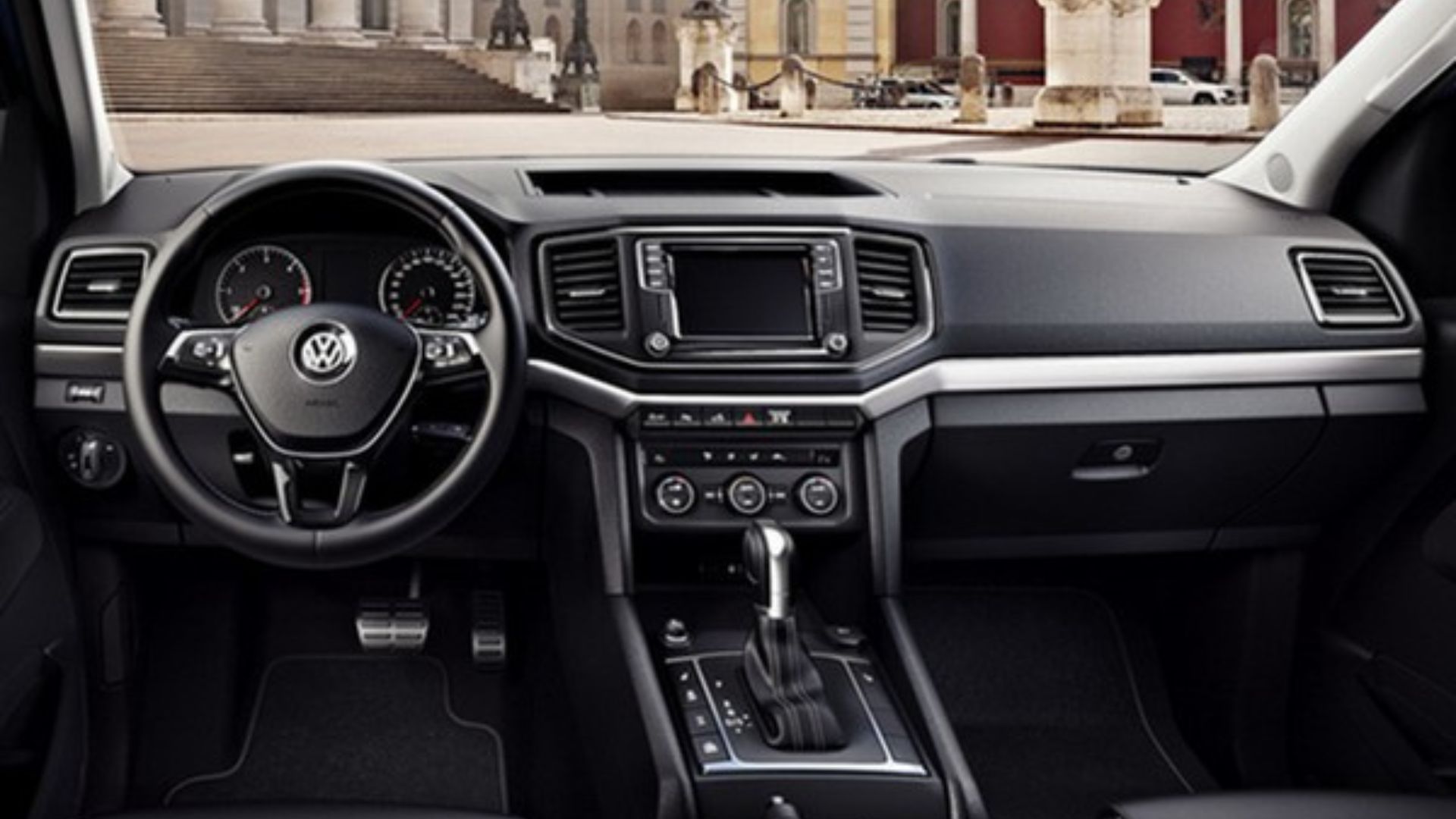
Closure of Amarok Production in Argentina Opens Space for a New Phase of the Pickup in Mercosur, with Electrification on the Horizon and Technical Partnership with Chinese SAIC.
Volkswagen will end, in the second half of 2026, the production of the current generation of Amarok at the General Pacheco plant in Argentina, paving the way for the next phase of the mid-sized pickup in the region.
The change, anticipated by Argentine publications and echoed by specialized media, aims at the industrial transition to a new project, with production expected to start in 2027 at the same plant.
While the lineup hasn’t turned the page yet, the Amarok V6 3.0 Turbo Diesel remains in the portfolio and is expected to continue appearing in Brazilian showrooms throughout 2026, as production needs time to be absorbed in the regional market.
-
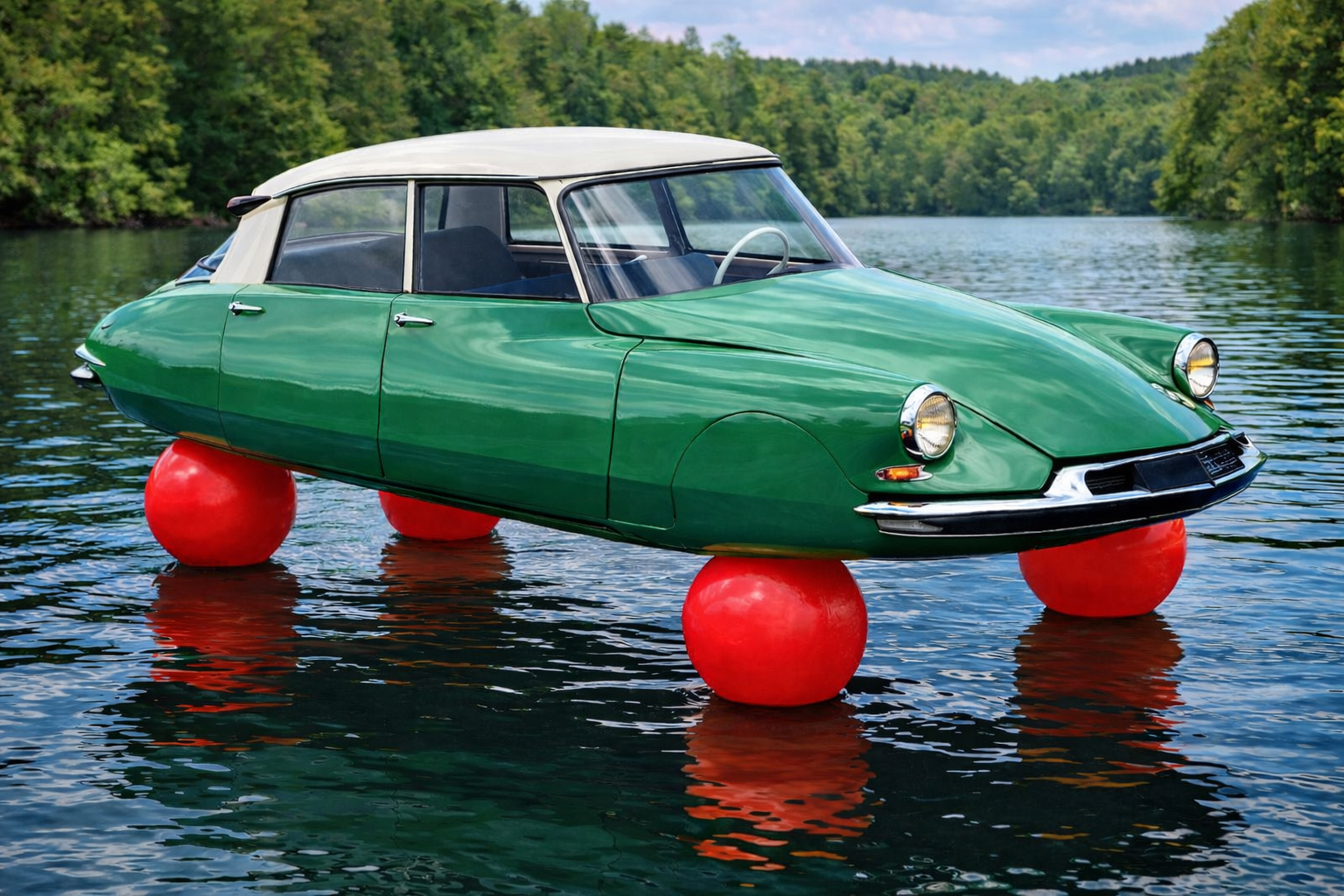
A French brand placed a car on four huge red balloons to prove that its suspension made the vehicle “float,” and the surreal scene became one of the most iconic and unusual images in automotive history.
-
Jeep Avenger begins production in Brazil, debuting as the brand’s new entry-level SUV and inaugurating an unprecedented phase by becoming the first national Jeep manufactured outside of Goiana, as part of a R$ 3 billion plan.
-
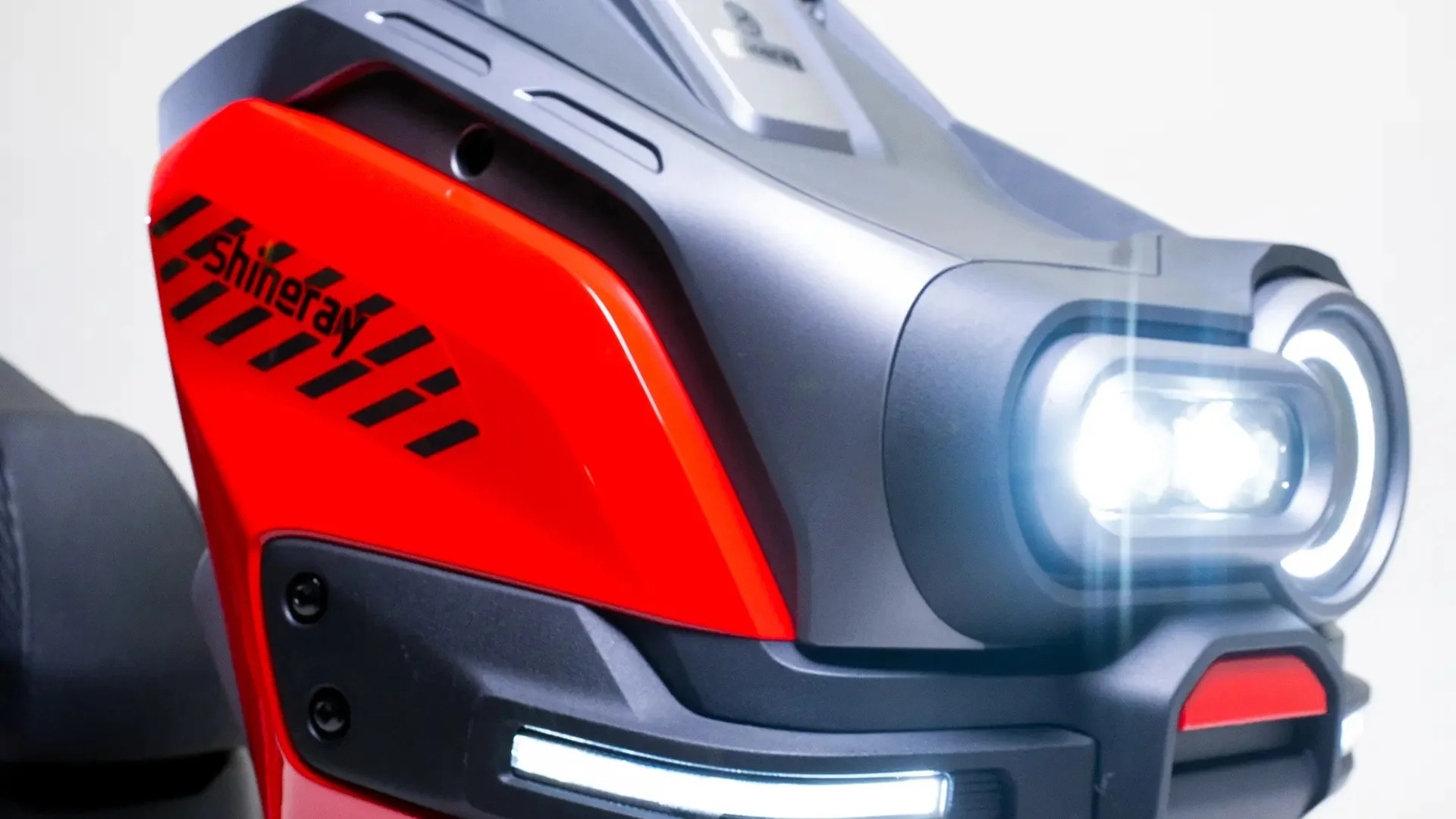
Costing R$ 12,490, the new Shineray Urban Lite 150 “cheap one” arrives in Brazil with a CVT transmission, digital dashboard, and LED lights, making it more affordable than the Biz and targeting those who want to abandon the bus.
-
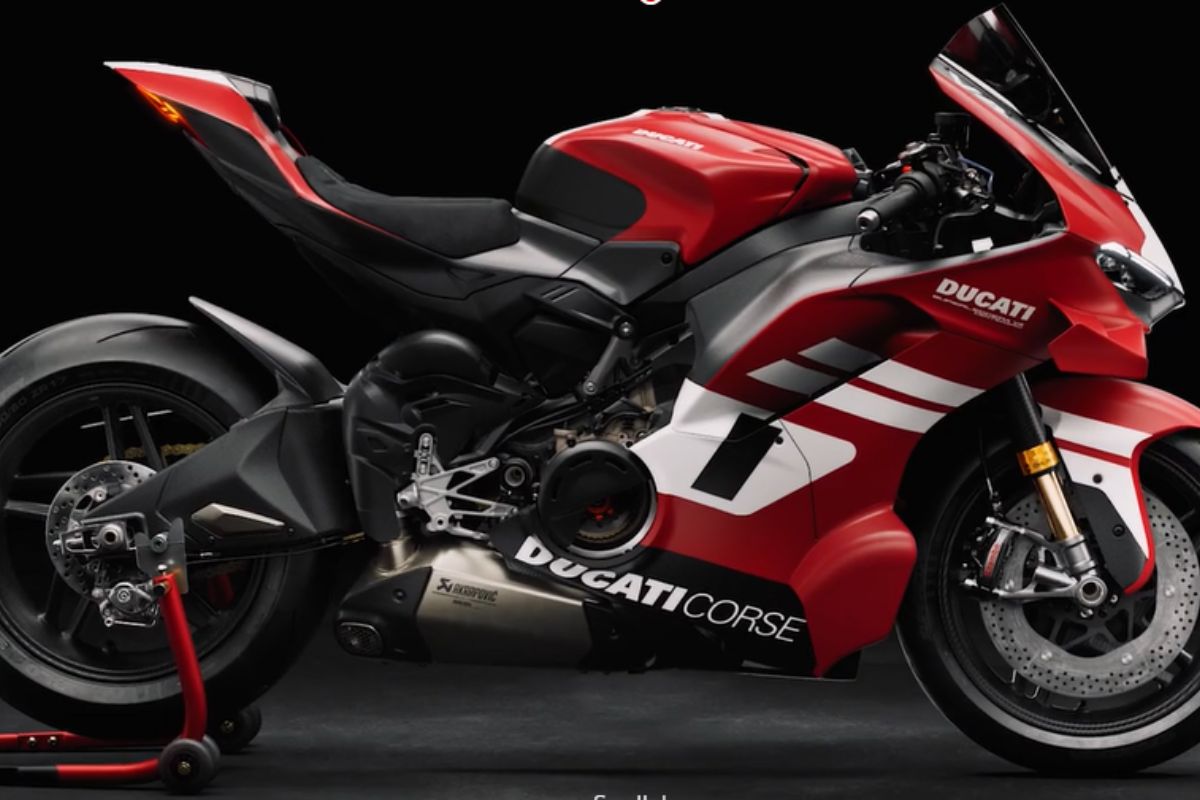
Ducati brings to Brazil the Superleggera V4 Centenario: 228 hp that become 247 with a track kit, carbon fiber and carbon-ceramic brakes, estimated price between R$ 1.5 and 2 million, deliveries only in 2027.

With over 15 years of history since the debut of the first South American Amarok produced in Pacheco, the model reaches a stage where the update ceases to be cosmetic and starts to involve the platform, electronics, and engine options.

Investment and Adaptation of the Argentinian Plant for the New Generation
The Argentinian plant is in the process of adapting to receive the program that Volkswagen calls “Amarok South America”, and the schedule mentioned by reports indicates the end of the current generation before the start of new production.
In addition to adjusting processes and tooling, the automaker announced an investment of US$ 580 million in Argentina related to the development and industrialization of the future pickup, signaling that the project is treated as strategic for Mercosur.
In this type of transition, discontinuation does not usually happen on the same day in all markets, but the end of production at the plant marks the rhythm of supply to dealerships and the horizon for the availability of the current generation.
Nevertheless, the production closure does not mean an immediate disappearance from stores, because inventory and logistics can keep versions on sale for a period, especially when there is demand for already established configurations like the V6 turbo diesel.
Volkswagen and SAIC Partnership and Shared Platform
The next South American Amarok is born from a joint development with the Chinese SAIC, Volkswagen’s partner in projects and operations in China, and the platform mentioned for the new pickup connects to products from the Asian group.

In an interview cited by reports, Volkswagen’s global CEO, Thomas Schäfer, described the cooperation as a shared technical effort, stating: “We have a long-standing strategic alliance with the SAIC Group in China.”
The most direct reference of this base is the Maxus Terron 9, a model from the SAIC ecosystem that has been presented at international events and appears as a structural starting point for the Amarok destined for South America.
Even with the architectural kinship, the strategy tends to separate identity and calibration, as Volkswagen typically adjusts design, electronic package, and mechanical system to meet regional demands and preferences.
Hybrid Engine in the New Amarok and What Has Not Been Detailed Yet
What has been indicated so far is that the new generation will have some degree of electrification, without public confirmation on the format, as Volkswagen has not specified whether the solution will be mild hybrid, full hybrid, or plug-in.
This uncertainty also appears when observing the Terron 9, as the partner group’s pickup may be offered with different propulsion alternatives depending on the market, which prevents an automatic association with the system that the Amarok will use.
Despite this, reports raise the possibility that electrification will pair with a well-known six-cylinder diesel engine, in an updated version, within a strategy that preserves performance while enhancing energy efficiency.
3.0 V6 Turbo Diesel Engine with 48V System in the Spotlight

One of the elements cited in this scenario is the evolution of the 3.0 V6 Turbo Diesel from the EA897 family, renamed EA897evo4, which debuted in models like Audi Q5 and Audi A6 in Europe with 48 volts electrification.
In these applications, the setup combines a mild hybrid system and features aimed at reducing response lag and consumption, with electric assistance in certain situations, but there is no confirmation that the calibration or architecture will be replicated in the Amarok.
The association, therefore, remains a possibility mentioned by specialized media, without official validation of power, torque, or final configuration, which requires caution when treating the powertrain of the future pickup as a settled fact.
MG Pickup in Brazil and Increase in Competition in 2027
In the same horizon of 2027, automotive publications point out that a mid-sized pickup linked to SAIC and the brand MG may enter the product plan for Brazil, expanding the competition in the segment where the Amarok operates.
With Volkswagen redesigning the Amarok for the next decade and Asian manufacturers looking at the same market segment, the reorganization of the offerings is likely to impact prices, versions, and after-sales strategies in the country and the region.









-

-

-

-

-

21 pessoas reagiram a isso.