





 Portuguese
  English
  Spanish
  4 min of reading
  0 comments



The Idea of Using Diamond Dust to Combat Climate Change Is Being Studied by Scientists. Understand How This Approach Can Help Cool the Earth and Contribute to Facing Climate Change!
Climate change is one of the greatest challenges facing humanity today. Global warming, driven primarily by greenhouse gas emissions, is causing drastic changes in the planet’s climate.
In this context, scientists have been seeking innovative and, in some cases, radical solutions to mitigate its effects. One of the most intriguing proposals is the use of diamond dust in the stratosphere to reflect sunlight and thus cool the Earth.
What Is Geoengineering?
Geoengineering is a set of techniques and strategies aimed at deliberately altering the Earth’s climate. These interventions can be divided into two main categories: the removal of carbon dioxide from the atmosphere and the management of solar radiation.
-
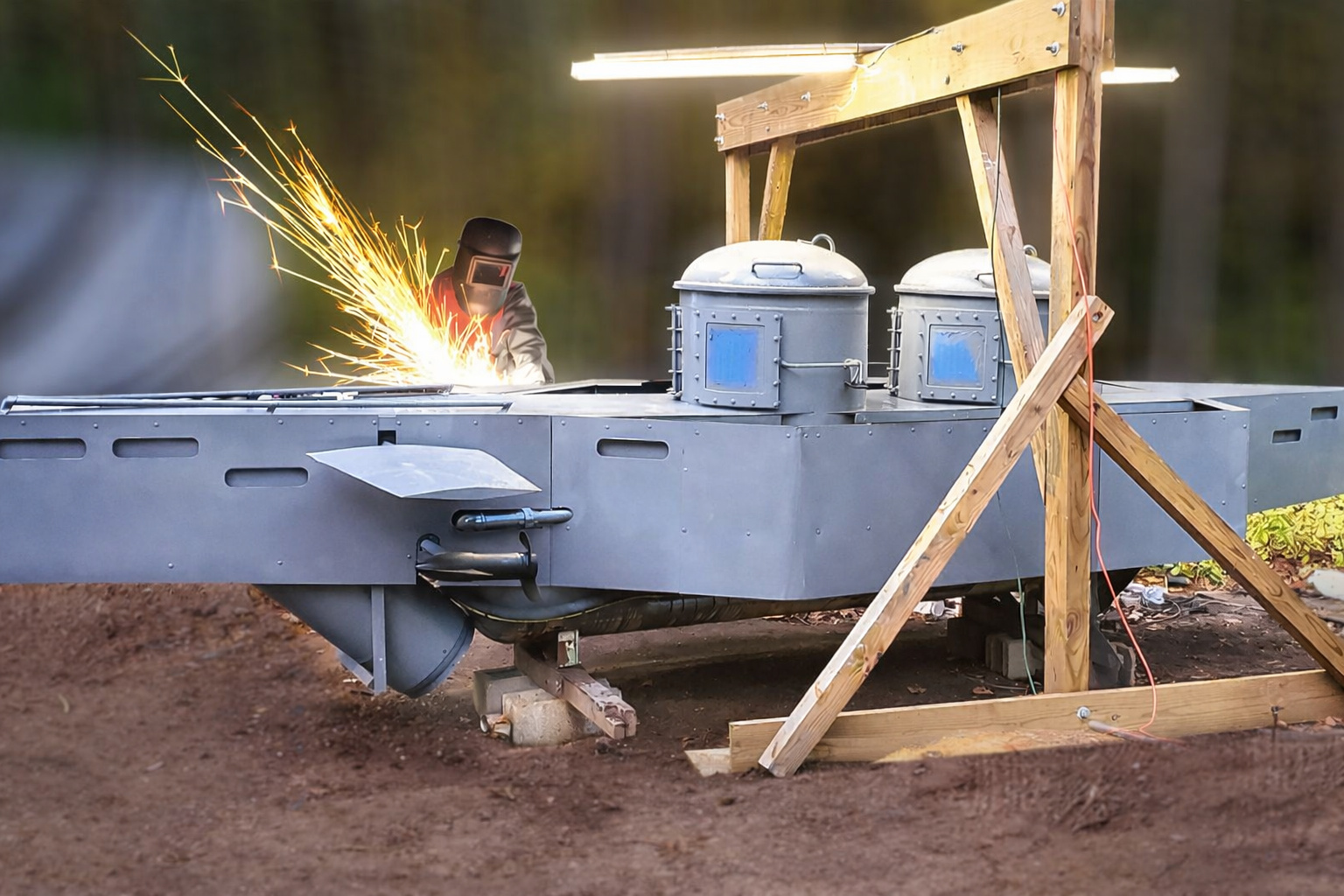
Man builds functional 5-meter submarine in his garage using gas cylinders, PVC pipes, and a refrigerator motor, and navigates with the vessel on a lake in Colombia.
-
Millions of people have been eating yam for centuries without knowing that this humble tuber contains a compound called diosgenin, which scientists have now discovered can improve memory and help control blood sugar levels.

-
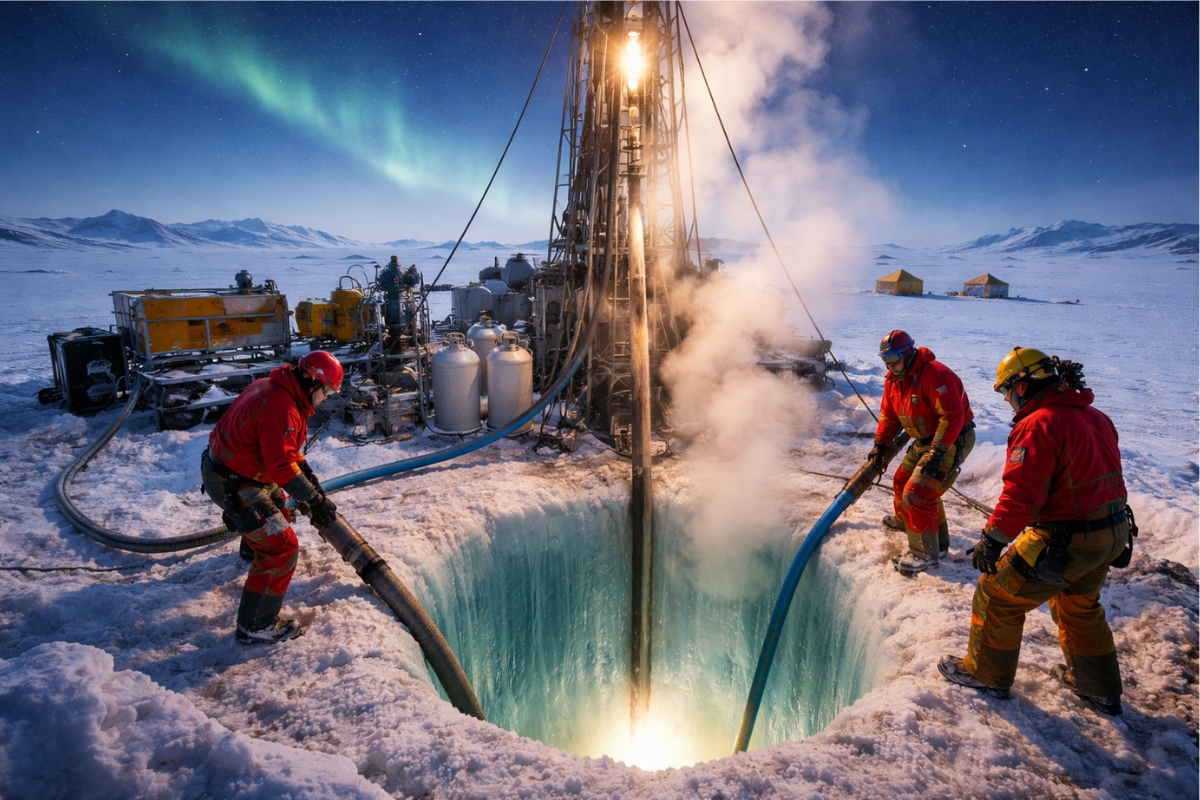
Scientists from an international project drill 1,800 meters of ice in Antarctica using hot water and discover details about one of the most intriguing places on planet Earth.
-
Seen from space, a colossal volcano nearly 5,000 meters high in Russia has released 1,600 km of smoke over the Pacific, forming “devil’s horns” of lava and revealing the brutal force of the Ring of Fire.


The proposal to inject diamond dust into the stratosphere falls into the second category, as it aims to reduce the amount of solar radiation reaching the Earth’s surface.

Why Use Diamond Dust?
A recent study published in the Geophysical Research Letters analyzed various materials that could be used for geoengineering, and diamond dust stood out for its effectiveness in reflecting sunlight.
The reflective properties of diamonds make it a promising candidate, as it could help stabilize the climate, reducing global temperatures by up to 1.6°C over 45 years. This is particularly relevant, considering that the Paris Agreement aims to limit the global temperature rise to 1.5°C above pre-industrial levels.
Historically, sulfur dioxide has been the main material considered for stratospheric injections. However, this solution has significant disadvantages, such as the potential to create acid rain and damage the ozone layer.
Diamond dust, on the other hand, could avoid these problems, offering a safer and more effective alternative.
Researchers used advanced three-dimensional climate models to simulate the behavior of different materials in the atmosphere.
The results showed that diamond dust not only effectively reflects sunlight but also has greater stability, remaining dispersed longer than other substances.
To put it into perspective, injecting 5 million tons of synthetic diamond dust per year would be necessary to achieve the proposed reduction in global temperatures.
The Cost of Geoengineering with Diamond Dust to Combat Climate Change
Despite the promises, the idea of using diamond dust to cool the Earth faces significant financial challenges. The estimated cost to produce and deploy 5 million tons annually is around an impressive US$ 200 trillion by the end of the century.
To illustrate, in 2023, the global economy was valued at about US$ 105 trillion, indicating that the investment needed for this geoengineering surpasses the resources available to any country or coalition of countries.
In addition to cost, there are technical obstacles to overcome. The uniform dispersion of diamond dust in the atmosphere is a complex challenge, as the particles need to remain suspended and avoid clumping.
If the particles clump together, they could absorb instead of reflect sunlight, worsening global warming. Scientists also raise concerns about the long-term environmental impacts that the injection of solid particles could cause.
The Debate on Geoengineering
Geoengineering is a controversial topic among experts. While some argue that it could be a quick and effective way to combat global warming, others warn about the risks associated with manipulating the Earth’s climate system. Changes in the amount of sunlight reaching the surface could alter climate patterns and affect ecosystems.
There are also ethical concerns regarding geoengineering as a quick fix for climate change. Critics argue that this approach may divert attention from more sustainable actions, like reducing greenhouse gas emissions.
The hope is that the promise of geoengineering does not lead to complacency among policymakers and society, undermining the necessary efforts to address the root causes of global warming.
Despite the controversies, some researchers advocate that geoengineering should be explored as a backup plan.
In situations where carbon emissions continue to rise, stratospheric interventions could be a temporary way to control the planet’s temperature. However, most experts agree that emission reduction should remain the top priority.
The Future of Diamond Dust Geoengineering
Currently, the proposal to use diamond dust to cool the Earth remains theoretical, but it opens new paths for research and debate. With the advancement of nanotechnology and materials science, it can be expected that in the future, the cost and technical feasibility of injecting diamond dust will decrease.
Ongoing research on the environmental effects of geoengineering will be essential to determine whether this or other approaches can be used safely.
While the use of diamond dust in geoengineering represents a bold solution to current climate challenges, the proposal is fraught with financial and technical challenges.
The debate on its viability is far from resolved, and the scientific community continues to explore the best ways to effectively and sustainably address climate change. The urgency to act has never been greater, and the search for innovative solutions continues, even in the face of the complexities and uncertainties that geoengineering may bring.







Seja o primeiro a reagir!