





 Portuguese
  English
  Spanish
  4 min of reading
  32 comments


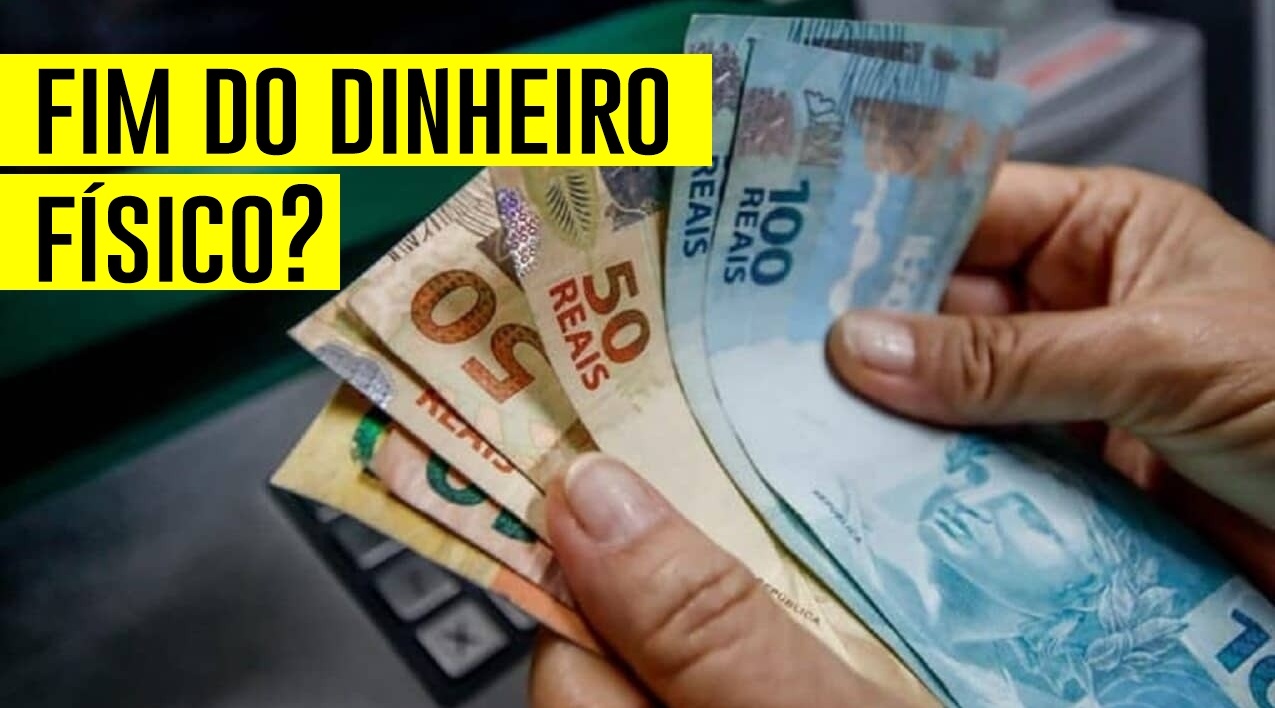


Bill in Brazil May Criminalize Carrying Cash Between R$ 1,501 and R$ 10,000 Without Proof of Legal Origin
In recent years, Brazil has experienced a rise in digital transactions, especially with the popularity of Pix and the anticipated arrival of Drex, the Brazilian digital currency. Amid this transformation, the Bill No. 4,068/2020, which has been under discussion in the Chamber of Deputies since 2020, has reignited debates about the future of physical currency in the country. But what is at stake? And how could this affect the lives of Brazilians?
The Genesis of the Debate: The End of Physical Currency
It all started with Deputy Reginaldo Lopes (PT-MG), who proposed the end of cash in Brazil within five years. The justification included arguments such as reducing financial crimes and greater control over the economy.
However, the proposal faced significant resistance. After all, it posed a risk to the financial freedom of the population, especially in a country where many people still rely on physical cash for everyday transactions.
-
50 viaducts, 4 tunnels, 28 bridges, and 40 kilometers of bike paths: BR-262 in Espírito Santo will receive 8.6 billion reais for the largest engineering project in the state’s history, inspired by the Immigrant Highway in São Paulo.

-
Brazil produces too much clean energy and doesn’t know what to do with it: over 20% of solar and wind capacity was wasted in 2025 while investors flee and 509 renewable generation projects were abandoned in the last year.

-
Piauí will produce a new fuel that replaces diesel without needing to change anything in the truck’s engine and reduces pollutant gas emissions by half: truck drivers from all over the Northeast are already celebrating the news that will arrive later this decade.

-
A new Brazilian shopping center worth R$ 400 million will be built in an area equivalent to more than 4 football fields, featuring 90 stores, 5 cinemas, a supermarket, a college, and parking for 1,700 cars, potentially generating 3,000 jobs.


In 2024, Deputy Júlia Zanatta (PL-RJ) entered the discussion by introducing a bill aimed at preventing the extinction of cash. According to Zanatta, removing this option would be “an attack on the freedom of the Brazilian citizen.” The public support for the project even came from former president Jair Bolsonaro, who defended the right to financial choice as a pillar of democracy.
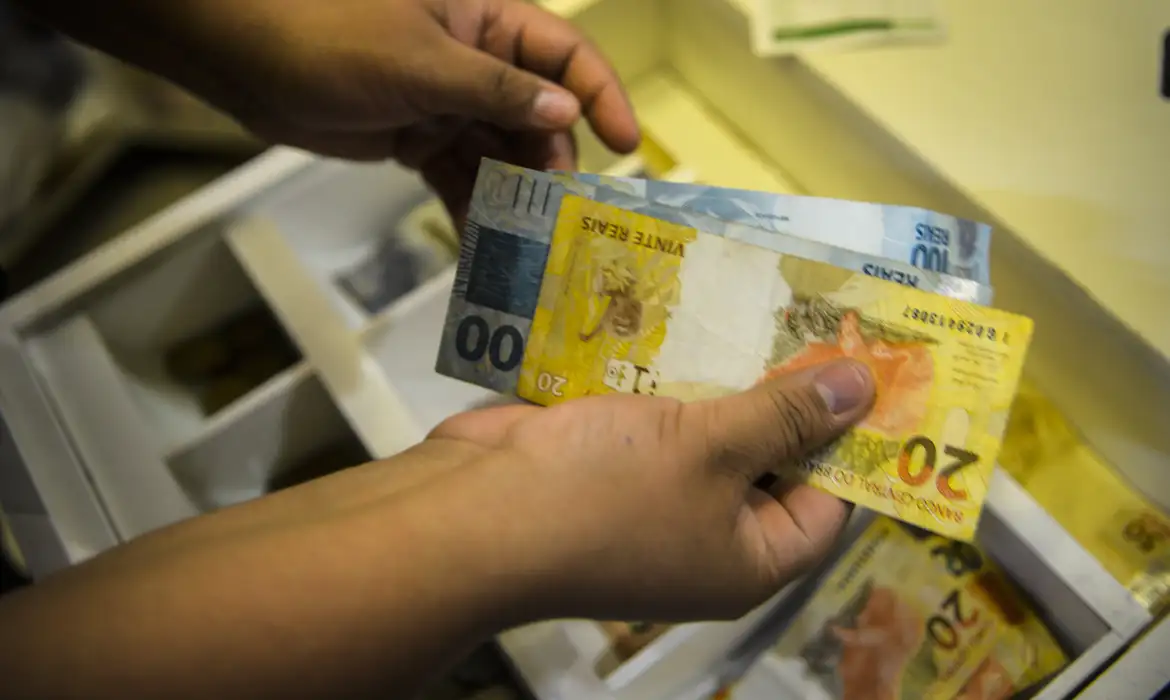
Proposed Rules: How Would Carrying Cash Work?
With the two projects now being discussed together, the case rapporteur, Deputy Julio Lopes (PP-RJ), presented a substitute to Bill No. 4,068/2020. The new proposal creates specific rules for carrying cash, dividing situations into three categories:
- Amounts up to R$ 1,500.00
Carrying would be allowed without the need for proof of origin, except in cases that raise suspicions, such as flagrant offenses. - Between R$ 1,501.00 and R$ 10,000.00
Here, proof of legal origin of the funds would be required. The justification seeks to prevent money laundering and illicit activities. - Above R$ 10,000.00
Transport would be allowed only if the destination is a bank for deposit, provided that the route is directly between the place of receipt and the bank.
These strict rules indicate a possible criminalization of carrying large amounts of cash, which has raised concerns among experts and advocates for individual freedom.
The Impact on the Use of Foreign Currency
Another controversial point of the substitute is the restriction on carrying foreign currencies in cash. According to the proposal, an international traveler may only carry the equivalent of US$ 10,000.00 within a period of up to five business days before the trip.
For amounts received outside of banking hours, the deadline for deposit would be up to ten business days. After this period, any unused cash would be required to be deposited in a bank account.
This change would directly impact Brazilians traveling abroad or working with foreign currencies, such as freelancers and investors.
Reflections on the Bill: The Gradual End of Physical Currency?
If the substitute for Bill No. 4,068/2020 is approved, it foresees a gradual impact on the use of cash in Brazil. The plan includes the suspension of issuing notes above R$ 50.00 within one year of implementing the rules and, subsequently, a total phase-out of smaller denominations within five years.
With these changes, the intention to move towards a more digital financial system becomes clear. However, there are risks and challenges associated with this, such as digital inclusion and cybersecurity. After all, not all Brazilians have easy access to technology or fully understand how to use it.
Financial Freedom vs. Economic Control
On one side, we have arguments in favor of restricting physical cash: fighting corruption, greater fiscal control, and alignment with global trends in financial digitization. On the other side, critics argue that these measures may limit the financial freedom of ordinary citizens and create obstacles for more vulnerable populations, such as the elderly and communities living in remote areas.
An example of this is the dependence on cash in local markets, fairs, and small businesses, which often lack the infrastructure to accept digital payments. Furthermore, the requirement to prove the origin for relatively low amounts, such as R$ 1,501.00, raises questions about its practical applicability.
The Role of Drex and the Popularization of Pix
With Pix having established itself as the primary form of payment in Brazil and the imminent arrival of Drex, the transition to a cashless system seems increasingly close. Drex, expected in 2025, promises to revolutionize financial transactions by offering a digital currency controlled by the Central Bank. But is the population ready for this change?
The answer may vary. While some Brazilians have already adopted Pix and other forms of electronic payment, a significant portion still faces barriers, such as lack of internet access or knowledge about these technologies.
The Future is Digital, But at What Cost?
The Bill No. 4,068/2020 raises important questions about the balance between financial modernization and the guarantee of individual freedom. Although technological advancement is inevitable, it is crucial that it occurs inclusively, respecting the needs of all citizens.
If the bill progresses, it could represent a milestone in Brazil’s economic history, but it also requires attention to social impacts. After all, what is at stake is not just the end of physical currency, but the right to choice and financial autonomy.
And you, what do you think about the end of cash in Brazil? Share your thoughts and take part in this debate.









Foi avisado, mas não acreditaram!!! Preferiram colocar o **** e a sua quadrilha imensa novamente no Planalto Central!!! Acalmem-se, pois amanhã será pior do que hoje.
Boaaa aí os dinheiros nas malas meias e cuecas irá acabar margin@is do PT elaborando leis que vai pegar eles mesmos é muito suspeito
Boaaa aí certamente os dinheiros nas malas meias e cuecas irá acabar..**** do PT elaborando uma lei que vai pegar eles mesmo é muito suspeito 😂