





 Português
  Inglês
  Espanhol
  6 min de leitura
  0 comentários



Government Evaluates Editing Provisional Measure to Extend Income Tax Exemption Range, While Political Dispute Over Amnesty for Jair Bolsonaro Stalls Votes and Pressures Legal Deadline for Changes to Take Effect Next Year.
The government of President Luiz Inácio Lula da Silva is considering editing a provisional measure (MP) to extend the income tax exemption for salaries up to R$ 5,000, due to the slow pace in the Chamber of Deputies to vote on the project concerning the issue.
The alternative has returned to the center of conversations because, to take effect next year, the change must be approved by December, as determined by the principle of annuality.
The discussion is happening while the topic of amnesty for former President Jair Bolsonaro and allies gains traction and reorganizes priorities in Congress, according to Valor Econômico, in a report published this Monday (8).
-
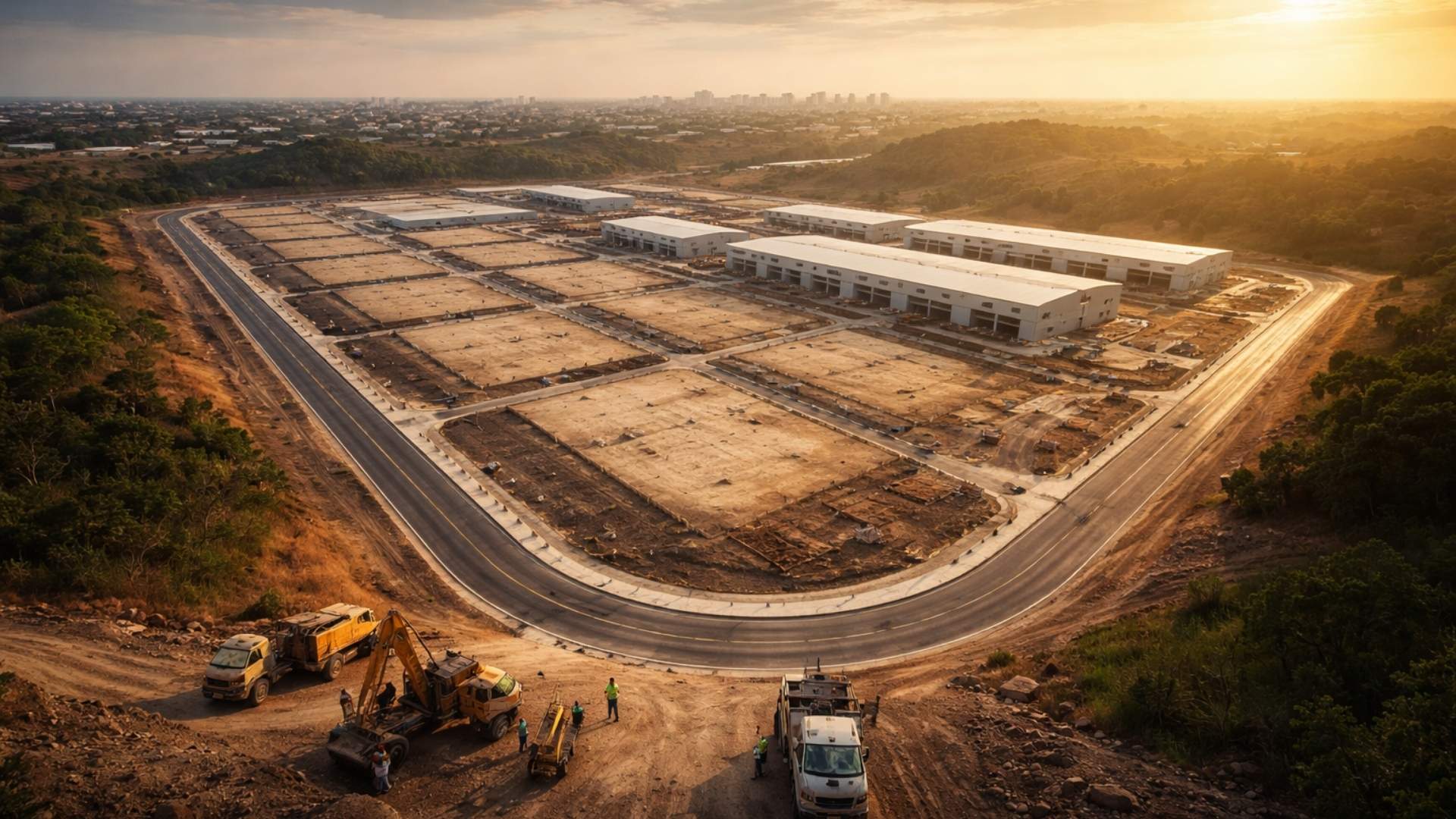
Brazilian city gains industrial hub for 85 companies that is equivalent to 55 football fields.

-
Peugeot and Citroën factory in Argentina cuts production by half and opens a layoff program for more than 2,000 employees after Brazil drastically reduced purchases of Argentine vehicles.

-
A Brazilian city gains a factory worth R$ 300 million with the capacity to process 200 thousand tons of wheat per year, a mill of 660 tons/day, silos for 42 thousand tons, and an industrial area of 276 thousand m².

-
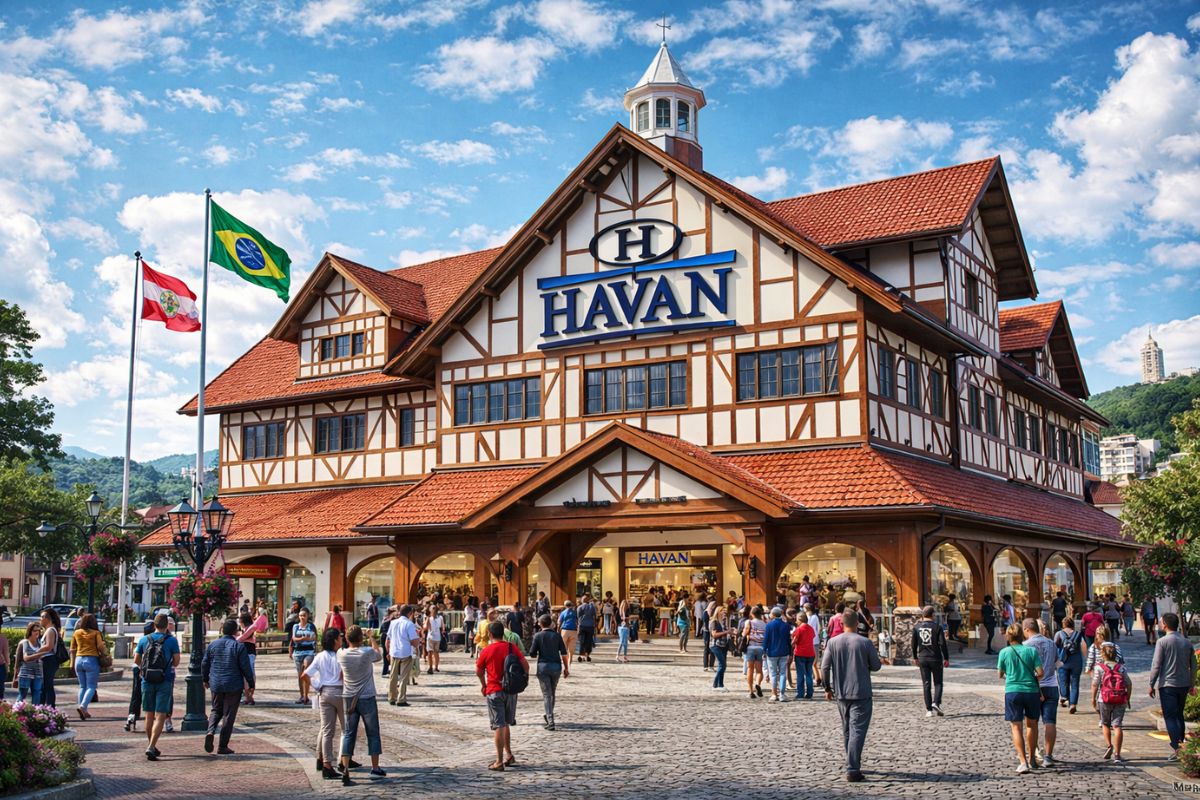
Havan will leave the shopping mall in Blumenau to inaugurate something that the chain has never done before: a megastore in half-timbered style in the Historic Center of the city, which is expected to be completed in May and change the landscape of local retail.

Allies Support MP to Unlock Tax Agenda
Interlocutors from the Planalto claim that the resistance to bringing the text to the floor has led a group of allies to advocate for the creation of an MP that establishes the new exemption range immediately.
These orchestrators believe that the reporter of the matter, Arthur Lira (PP-AL), is delaying the analysis of the project while focusing on negotiations for the amnesty.
People close to Lira reject this interpretation and attribute the delay to the broader political environment, according to Valor Econômico.
A senator with connections in the government claims to have presented the MP proposal to Finance Minister Fernando Haddad and maintains that the Executive should not risk losing the approval window this year.
Nonetheless, Haddad himself stated that he was unaware of the idea when approached by the press, according to the newspaper.
Legal Deadline Pressures, and MP Would Lock Up the Chamber After 45 Days
To change the income tax table in 2026, approval must occur by December 2025.
An MP would also need to be confirmed by Congress during this period, but it would have immediate effect and would lock the Chamber’s agenda for 45 days if not voted on, a mechanism that, in the view of the government officials, could force a conclusion.
The cost of this strategy could intensify the conflict with the House’s leadership, according to Valor Econômico.
Report Has Been Stalled Since July 16
The report by Arthur Lira was approved unanimously in a special committee on July 16, but has not moved to the floor.
The assessment within the government is that the Chamber is overwhelmed with parallel issues, reflecting the judgment of Bolsonaro in the Supreme Court and external pressure from the United States on the case, which reorders priorities, according to Valor Econômico.
In light of this situation, leaders see the vote on the income tax in September and even October as uncertain.
Divergences in the Base: Force Vote or Edit MP?
Within the government itself, there is division. The leader of the PT in the Chamber, Lindbergh Farias (RJ), rejects the idea of bypassing the Chamber with an MP.
In his words, the solution is to “force Congress to vote”. On the other hand, some orchestrators from the Planalto believe that the MP would provide predictability and prevent the issue from being sidelined amidst political disputes, according to Valor Econômico.
Government Avoids Public Friction and Keeps Lira as Ally
The Minister of Institutional Relations, Gleisi Hoffmann, sought to reduce friction.
In an interview, she stated that Arthur Lira remains an ally of the government, despite the formal departure of the PP from the base, and claimed not to believe he will support the amnesty.
“I think it is a very good report,” she said about the income tax text reported by Lira. Her statement was seen as a gesture to preserve bridges and signal confidence in progress, according to Valor Econômico.
Behind the scenes, Lira is associated with the nomination of Carlos Vieira for the presidency of the Caixa Econômica Federal, a move seen as part of the political accommodation effort.
Another gesture may have been the appointment of prosecutor Marluce Caldas to the Superior Court of Justice (STJ), a relative of the mayor of Maceió, João Henrique Caldas (JHC), likely Lira’s ally in 2026.
All involved deny the existence of a political agreement related to the choice, according to Valor Econômico.
What the Income Tax Text Proposes
Reporter since May, Lira proposed to fully exempt the income range up to R$ 5,000 and created progressive discounts for incomes up to R$ 7,350.
The central dispute revolves around compensations to cover the revenue loss, estimated to be billion-dollar.
The debate includes taxing dividends, LCI, LCA, and incentivized debentures, targeting taxpayers with annual income over R$ 600,000, a measure that faces resistance among Congressional and market leaders, according to Valor Econômico.
Following the approval in the committee, Lira stated that the matter could be voted “in August”, but noted that there would be “a lot of discussion ahead.”
The political calculation worsened with the escalation of the amnesty agenda and increased party tensions, according to Valor Econômico.
Recent Tensions Shuffle the Chamber Agenda
The crisis gained momentum in early August, with the house arrest of Bolsonaro.
Deputies aligned with the former president reacted to the command of the House President, Hugo Motta (Republicanos-PB), and the Chamber plunged into conflict. On the 1st, Lira visited Bolsonaro. Interlocutors report that they also discussed amnesty.
On September 2, the arrival of the Governor of São Paulo, Tarcísio de Freitas (Republicanos), in Brasília gave new momentum to the topic.
On the same date, the federation União Progressista (União and PP) announced its departure from the government base, and leaders joined the PL to call for a vote on amnesty, according to Valor Econômico.
Lira Points Out Hugo Motta’s Agenda and Complains of “Animosity”
Allies of Lira claim that the agenda of the plenary is defined by President Hugo Motta and that the climate of “animosity” in Congress explains the blockage of various proposals, not just income tax.
As an example, they cite that the administrative reform has also stalled. They further emphasize that the income tax report was approved unanimously in the committee and that Lira has been demanding more dialogue among leaders.
According to an interlocutor, “people are no longer talking, they are just fighting,” according to Valor Econômico.
Fiscal Impact and the Dispute Over Who Pays the Bill
In the scenario outlined by government officials and the opposition, expanding the exemption would have a billion-dollar impact on federal revenue. The controversy, therefore, revolves around who will cover the shortfall.
While some lawmakers admit to revising tax benefits for high incomes and investment instruments, another part rejects touching on today’s exempt earnings.
Without an equation for compensations, the project is likely to remain paralyzed or depend on a more drastic political decision, according to Valor Econômico.
Which strategy should prevail: maintain pressure for a vote in 2025 or edit an MP that locks the agenda and redistributes the burden of who pays the income tax?








-

3 pessoas reagiram a isso.