





 Português
  Inglês
  Espanhol
  4 min de leitura
  1 comentário


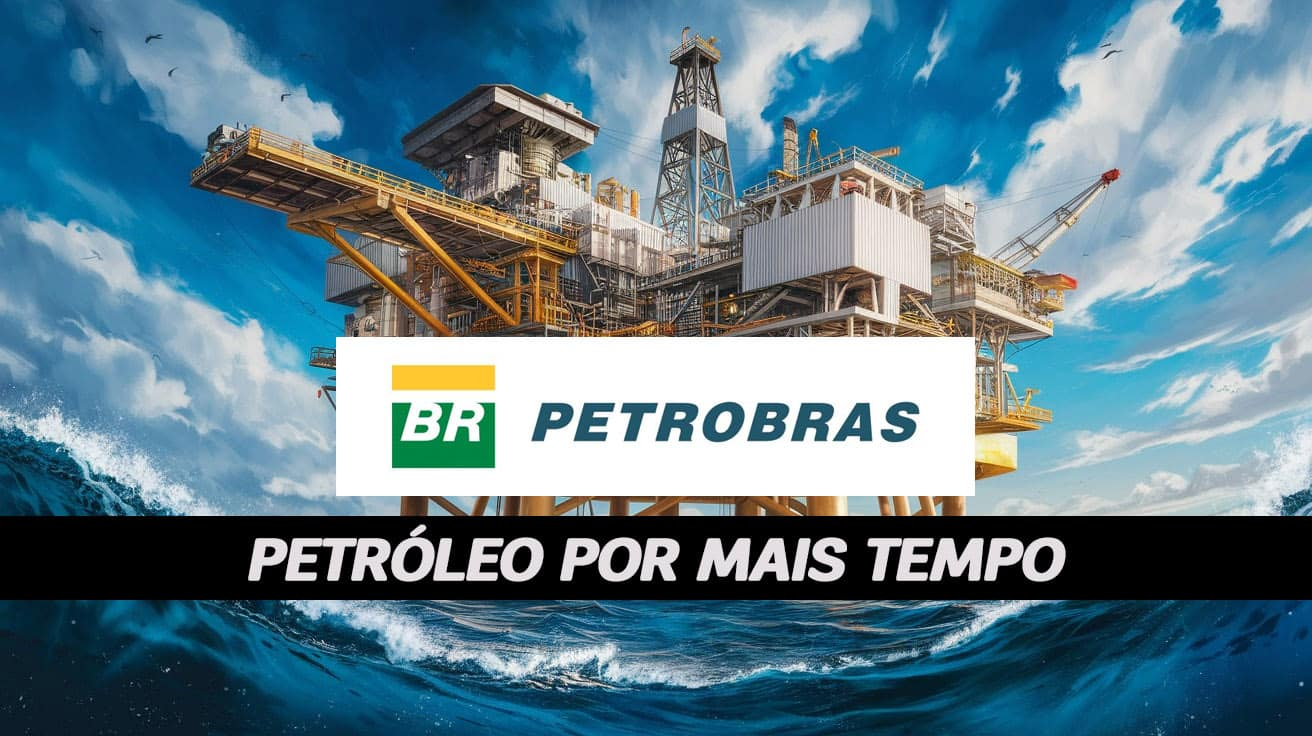


Petrobras Reveals New Oil Accumulation in Pre-Salt, Strengthening Brazil as a Global Leader in Fuel Production. The Discovery Promises to Revolutionize the Sector and Boost the Economy.
In a move that promises to redefine the course of oil exploration in Brazil, Petrobras recently announced a significant oil discovery in an unexplored area of the Búzios field, located in the pre-salt layer of the Santos Basin.
This revelation not only highlights the continued potential of Brazilian reserves but also places the country in a prominent position in the global energy landscape.
Discovery in Ultra-Deep Waters
The new oil accumulation, according to a statement from Petrobras on Friday (14), was identified through well 9-BUZ-99D-RJS, located in the western portion of the Búzios field.
-
Offshore industrial demand in Macaé skyrockets with the recovery of oil and gas and could grow by up to 396% by 2026 in the Campos Basin.
-
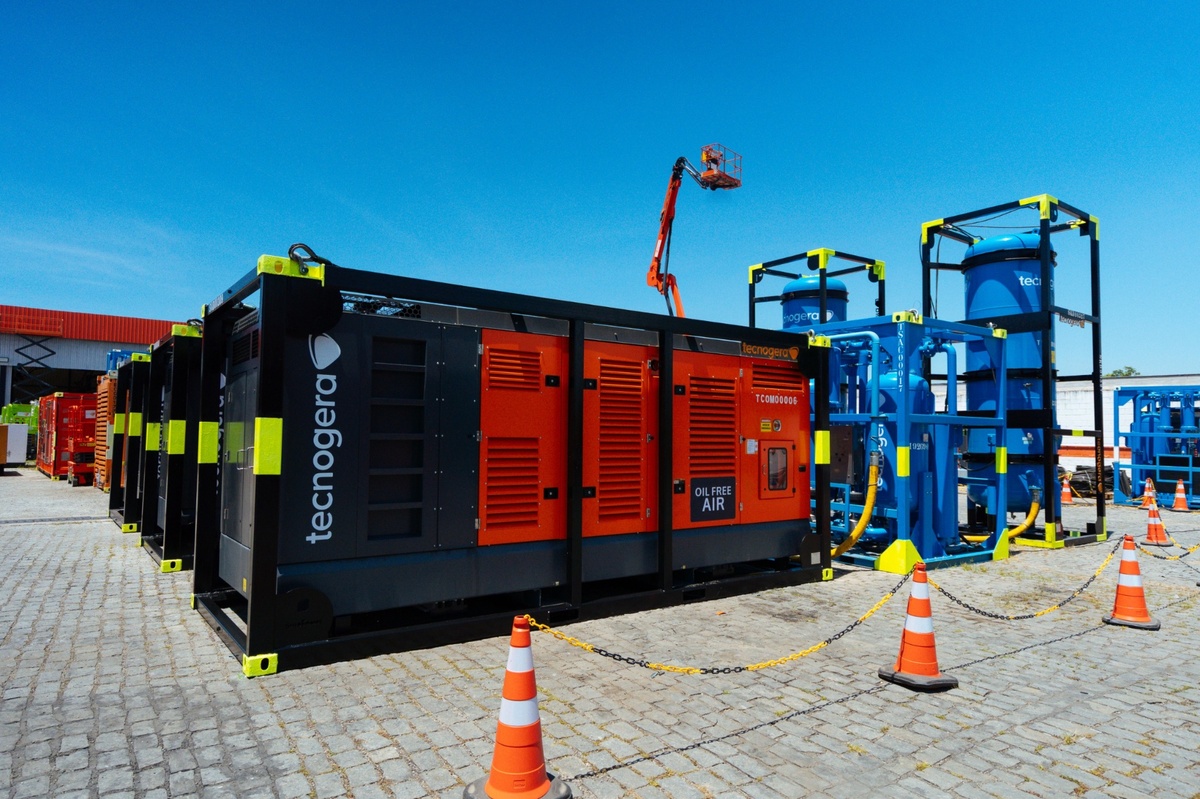
Brazilian city gains industrial hub for 85 companies that is equivalent to 55 football fields.

-
Peugeot and Citroën factory in Argentina cuts production by half and opens a layoff program for more than 2,000 employees after Brazil drastically reduced purchases of Argentine vehicles.

-
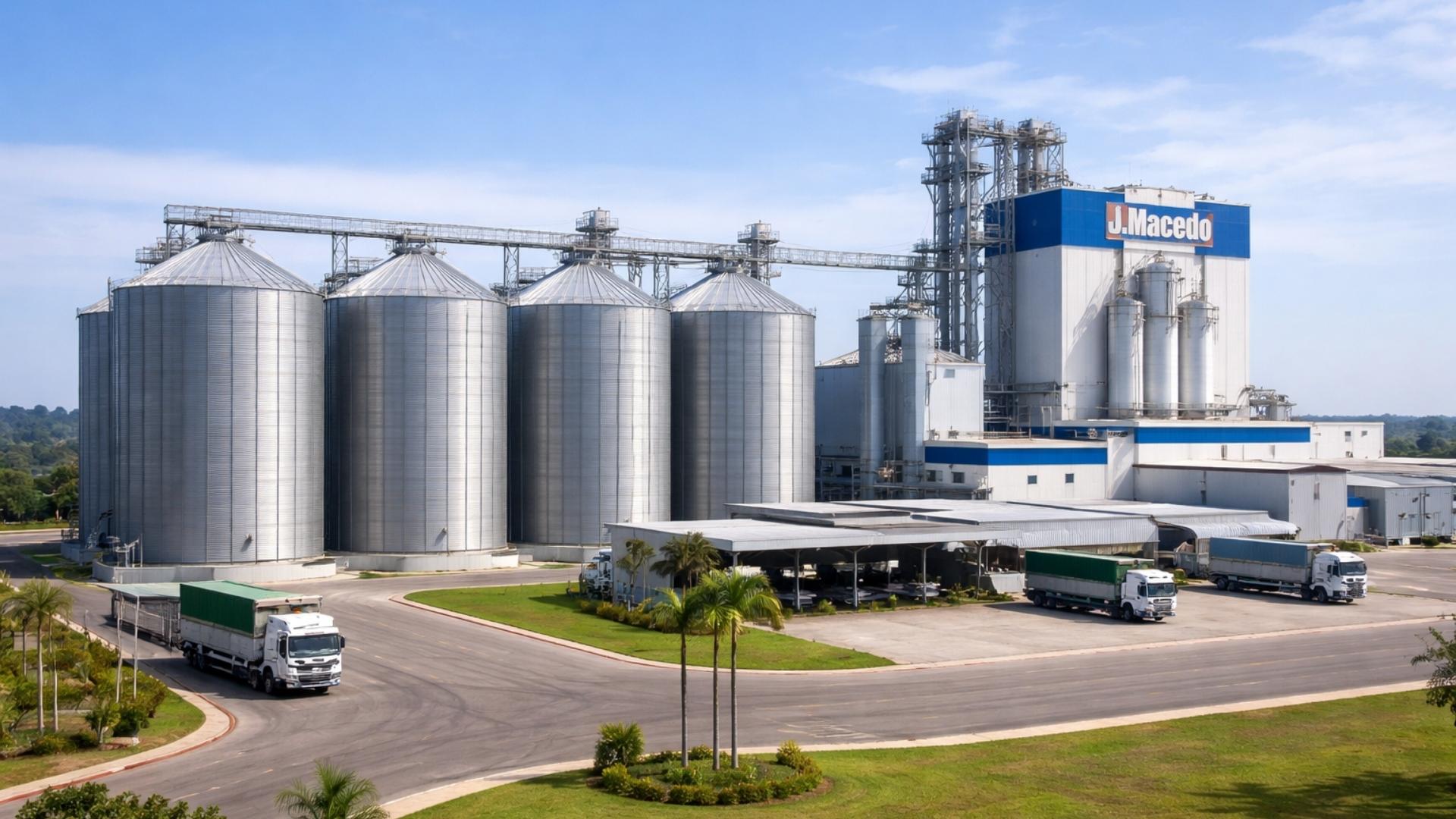
A Brazilian city gains a factory worth R$ 300 million with the capacity to process 200 thousand tons of wheat per year, a mill of 660 tons/day, silos for 42 thousand tons, and an industrial area of 276 thousand m².

The tests conducted confirmed the presence of oil at a depth of 5,600 meters, beneath the main reservoir already in operation.
This discovery underscores the wealth still not fully explored in Brazil’s pre-salt layers.
The consortium responsible for the shared Búzios field is composed of Petrobras, which acts as the operator with an 88.99% stake, and the Chinese companies CNOOC (7.34%) and CNPC (3.67%).
Pré-Sal Petróleo S.A. (PPSA) serves as the manager of the consortium. Following the confirmation of the new accumulation, the consortium will continue its analyses to determine the next steps in area activities.
Production Expansion in the Búzios Field
Alongside the discovery, Petrobras began operating the FPSO Almirante Tamandaré, also known as Búzios 7, in the Búzios field.
This production unit has the capacity to extract up to 225,000 barrels of oil per day and process 12 million cubic meters of gas daily.
This is the first high-capacity unit installed in the field, marking a significant advance in pre-salt exploration.
The FPSO Almirante Tamandaré is linked to 15 wells, of which seven are oil producers, six are water and gas injectors, one is convertible (able to act as either a producer or injector), and one is a gas injector.
This complex underwater infrastructure aims to optimize efficiency and productivity in resource extraction in the region.
The expectation is that, with this unit’s operational rollout, the Búzios field will reach a production mark of 1 million barrels of oil per day by the second half of 2025.
Additionally, the field is projected to become Petrobras’s largest producer, with the potential to hit 2 million barrels per day by 2030.
These ambitious goals reinforce the strategic importance of the Búzios field for the company and the country.
National Production Data in 2024
According to the National Agency of Petroleum, Natural Gas and Biofuels (ANP), the annual average production of oil and natural gas in Brazil in 2024 was 4.322 million barrels of oil equivalent per day (boe/d).
Of this total, 3.358 million barrels per day correspond to oil production. These figures indicate stability in relation to the record reached in 2023, when production totaled 4.344 million boe/d.
The pre-salt layer continues to be the main source of these resources, representing approximately 78% of national production.
The Búzios field, located about 189 kilometers off the coast of Rio de Janeiro, stands out as one of the largest producers in ultra-deep waters.
Since the beginning of its large-scale operation in March 2015, the field has already surpassed the milestone of 1 billion barrels of oil produced, consolidating itself as a strategic asset for Petrobras and Brazil.
Challenges and Future Perspectives
According to experts, despite recent achievements, Petrobras faces significant challenges. In October 2024, the company recorded an 11% decrease in oil and gas production compared to the same period the previous year.
This reduction was largely due to scheduled maintenance shutdowns on platforms in the offshore fields of Búzios and Tupi.
These temporary interruptions are necessary to ensure the safety and efficiency of operations but impact production figures in the short term.
Additionally, Petrobras is committed to balancing its expansion ambitions in oil production with environmental and sustainability commitments.
Brazil seeks to position itself as a leader in combating climate change while aiming to become one of the largest oil producers in the world.
This duality presents complex challenges, especially regarding exploration projects near the Amazon region, which raise debates between economic development and environmental preservation.
Strategic Partnerships and Investments
The expansion of operations in the Búzios field has also attracted international investments and partnerships.
In October 2024, the Spanish company Tubacex signed a contract worth €64.5 million with Petrobras to supply more than 80 kilometers of pipes and fittings for maritime explorations of Sépia-2 and Atapu-2.
These components will be used for gas extraction at depths of nearly 2,200 meters below sea level, highlighting the complexity and sophistication of operations in Brazil’s pre-salt.
The commercial relationship between Tubacex and Petrobras has strengthened in recent years, especially in the Búzios field, considered one of the largest oil and gas reservoirs in the world.
With expectations for significant production expansion by 2030, partnerships like this are crucial for ensuring the supply of technology and infrastructure needed to support projected growth.








Gostei muito da área