





 Portuguese
  English
  Spanish
  3 min of reading
  25 comments


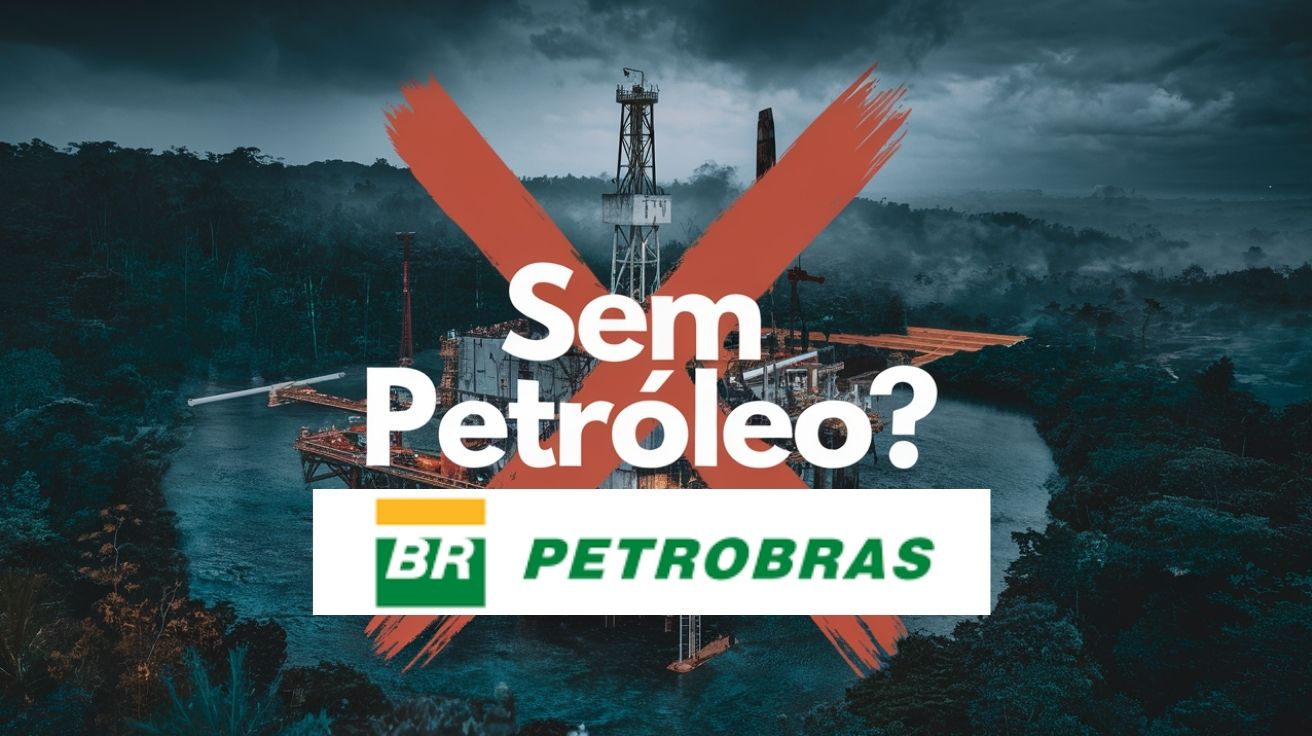


Petrobras Faces A New Obstacle! Ibama May Deny, Once Again, The License For Oil Exploration In The Equatorial Margin. Citing Environmental Impacts And Risks To Indigenous Communities, Agency Technicians Recommend Blocking The Project. The Future Of Extraction In The Region Is Hanging By A Thread!
The advancement of oil exploration in sensitive areas has always generated intense debates among environmentalists, the productive sector, and the government.
This Time, Petrobras Is At The Center Of An Environmental Dispute That May Directly Impact The Future Of Oil Extraction In Brazil.
According to CNN Brasil, Technicians From The Brazilian Institute Of Environment And Renewable Natural Resources (Ibama) Recommended Denying The License For Petrobras To Explore The Equatorial Margin, Located In The Amapá Region.
-
Offshore industrial demand in Macaé skyrockets with the recovery of oil and gas and could grow by up to 396% by 2026 in the Campos Basin.
-
Offshore industrial demand in Macaé surges with the recovery of oil and gas and could grow by up to 396% by 2026 in the Campos Basin.
-
Brazilian giant expands borders in the Southeast: Petrobras confirms new oil discovery in ultra-deep waters in the pre-salt of the Campos Basin.

-
Alert in the global energy market: Severe tropical cyclone hits the coast and disrupts gas production at major plants in Australia, threatening global supply.


The technicians’ opinion will be analyzed by coordinators, directors, and the agency’s president, Rodrigo Agostinho.
Even With The Negative Recommendation, The Final Decision Still Depends On Ibama’s Leadership, Which May Request Revisions Or Reconsiderations.
Reasons For Denying The License
Petrobras Had Already Received A Denial From Ibama In May 2023, But Appealed The Decision By Presenting New Documents.
However, According To The Agency’s Technicians, The New Exploration Plan Is Little Different From What Was Previously Rejected.
Among The Main Arguments For Refusal Are:
- The Need For A Sedimentary Area Environmental Assessment (AAAS), Which Was Not Conducted;
- Possible Impacts On Indigenous Communities Due To Aircraft Overflights In The Oiapoque Region;
- Operational Difficulties In Assisting Wildlife Affected In Case Of An Oil Spill.
Challenges And Next Steps
The Attorney General’s Office (AGU) Challenged Two Of These Points.
The Agency Argues That The AAAS Is Not Mandatory For Granting The License And That Ibama Does Not Have The Authority To Decide On Flights In The Region.
A Meeting Between Ibama Technicians And Petrobras Representatives Took Place Last Wednesday (26) To Discuss The Opinion.
Now, The Process Moves On To The Analysis By The Agency’s Directors, Who Should Provide A Final Opinion On The Case.
The Outcome Of This Decision May Directly Impact The Government And The State-Owned Company’s Plans To Expand Fossil Fuel Exploration In Brazil.
If Ibama Maintains The Denial, Petrobras Will Have To Reevaluate Its Strategies Or Seek New Ways To Navigate Environmental Restrictions.
Environmental And Economic Impacts
The Equatorial Margin Is Considered One Of The Last Frontiers Of Oil Exploration In Brazil.
The Region Hosts A Unique Biodiversity, Making Any Extraction Attempt A Significant Environmental Challenge.
Environmentalists Warn That An Oil Spill In This Area Could Compromise Marine And Coastal Ecosystems, Affecting Riverine Communities And Indigenous Peoples Who Depend On These Natural Resources.
Additionally, Petrobras’s Project Involves Billion-Dollar Investments.
If The License Is Ultimately Denied, The State-Owned Company May Have To Redirect Its Efforts To Other Oil Basins, Which Could Delay Its Expansion Plans And Affect Its Competitiveness In The Global Market.
The Federal Government, In Turn, Is Trying To Balance Economic Growth With Environmental Preservation.
The Equatorial Margin Is Seen As An Alternative To Increase National Oil Production, Reducing Dependence On Imports And Boosting Royalty Revenues For States And Municipalities.
Final Decision And Possible Developments
In The Coming Months, Ibama Is Expected To Provide A Definitive Opinion On Exploration In The Region.
If The License Is Granted, Petrobras Will Need To Implement Stringent Measures To Mitigate Environmental Impacts.
If The Denial Is Maintained, The State-Owned Company Will Have To Seek Alternatives, Whether By Turning To The Courts Or Investing In New Technologies For Exploration In Other Areas.
Meanwhile, The Pressure From Environmentalists, Local Communities, And Energy Sector Entities Is Likely To Continue.
The Decision On The Equatorial Margin Could Set A Precedent For Future Oil Exploration Projects In Brazil, Defining The Boundaries Between Economic Development And Environmental Preservation.







Enquanto outros países exploram a margem equatorial sem nenhum problema, aqui, no Brasil, se coloca impedimento injustificado. Certamente, interessa, à outros países, atrapalhar o progresso econômico do Brasil influenciando contra o que seria um salto de progresso ao país!!!
A possibilidade de um eventual vazamento tem remotas possibilidades de atingir a vosra fo Amapá. Basta observar a direção das correntes marinhas ba áreacque se deslocam na direção das Guianas e Golfo do México.
IBAMA é cabide de emprego de ecochatos e mamadores do erário público, próprios indígenas detestam essse **** de órgão que deveria ser fechado. O país precisa crescer e essa reserva é extremamente importante,queria ver se fosse na China, lá a turma do IBAMA já teria sido internada em Campos de reeducação mental!