





 Portuguese
  English
  Spanish
  4 min of reading
  0 comments


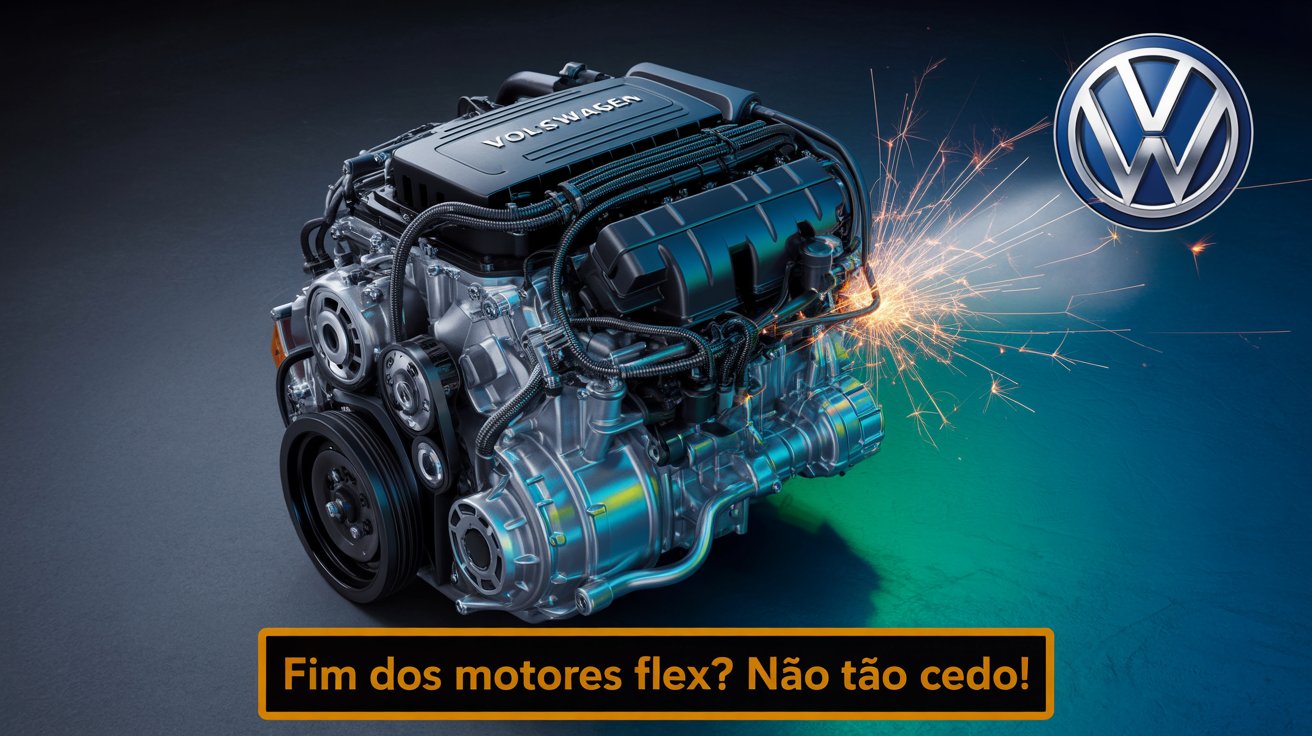
Volkswagen Adapts New Electric Platform To Use Combustion Engines As Generators, Prolonging The Lifespan Of Flex Models And Gasoline In Markets With Limited Infrastructure.
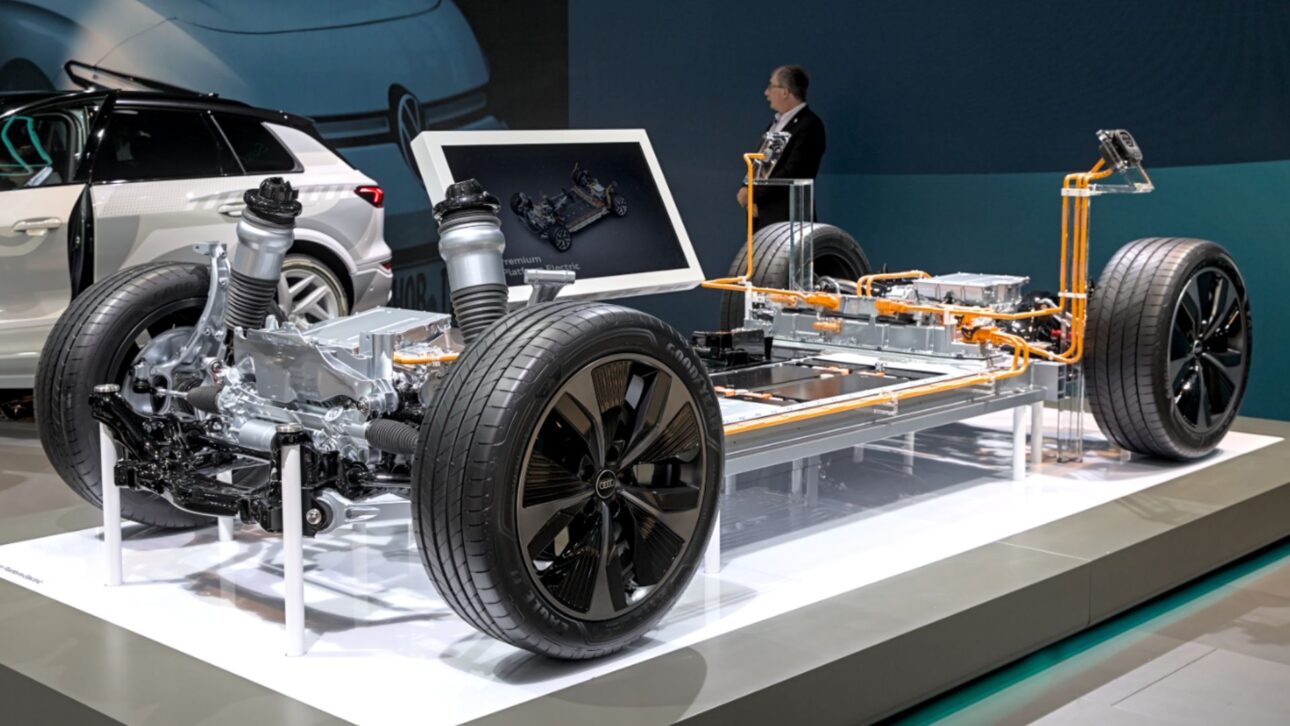
Volkswagen has redefined its global electrification strategy by deciding that the new SSP (Scalable Systems Platform), expected to replace its current electric vehicle platforms, will also be compatible with combustion engines.
The decision marks a significant shift in the German automaker’s approach, as it begins to explore intermediary solutions between the 100% electric model and conventional hybrids.
Developed since 2021, the SSP was initially scheduled to be exclusive to electric vehicles, replacing the MEB and PPE platforms.
-
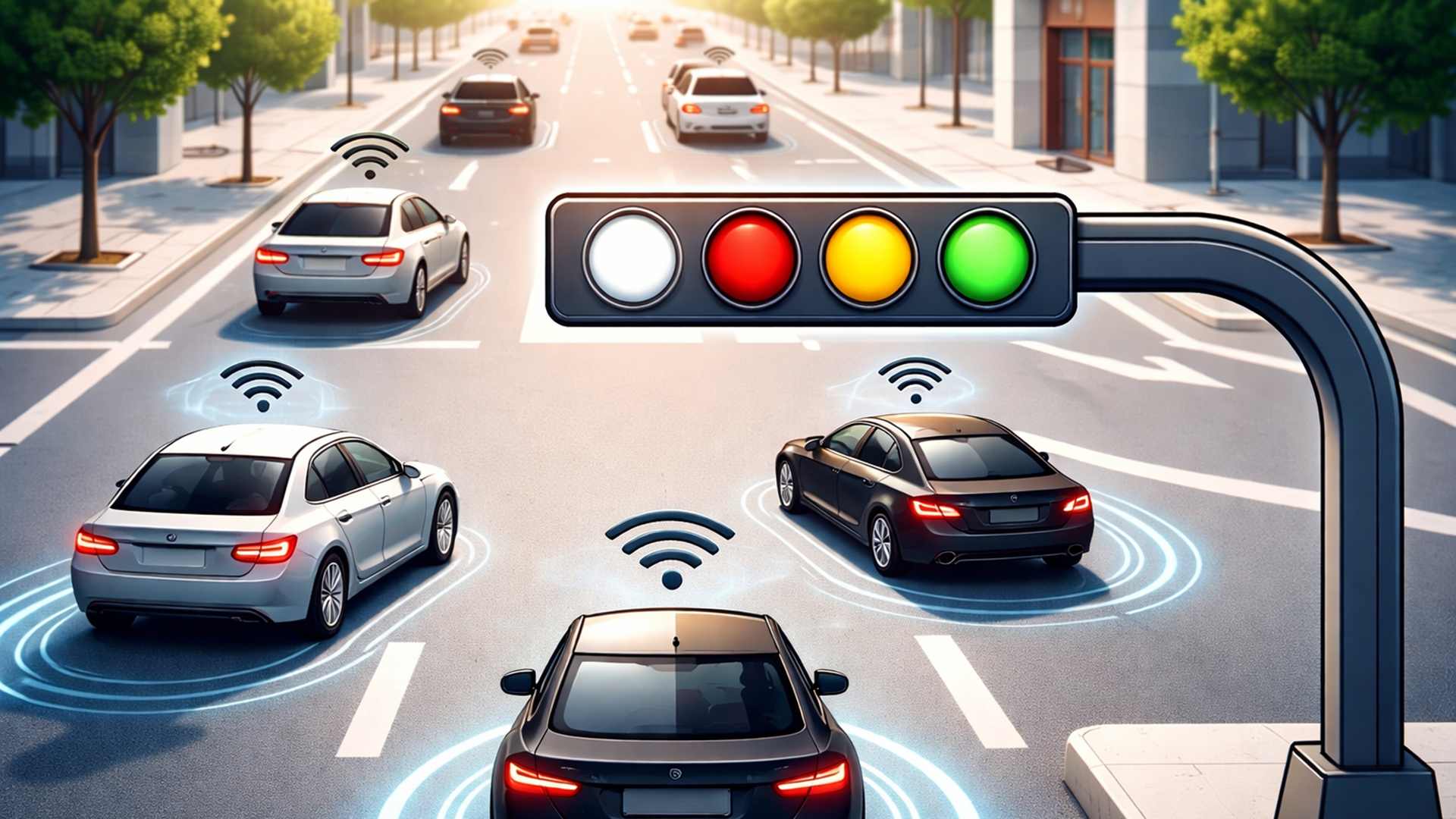
Engineers propose a fourth traffic light for intersections – the change promises to affect crossings, queues, and waiting times.
-
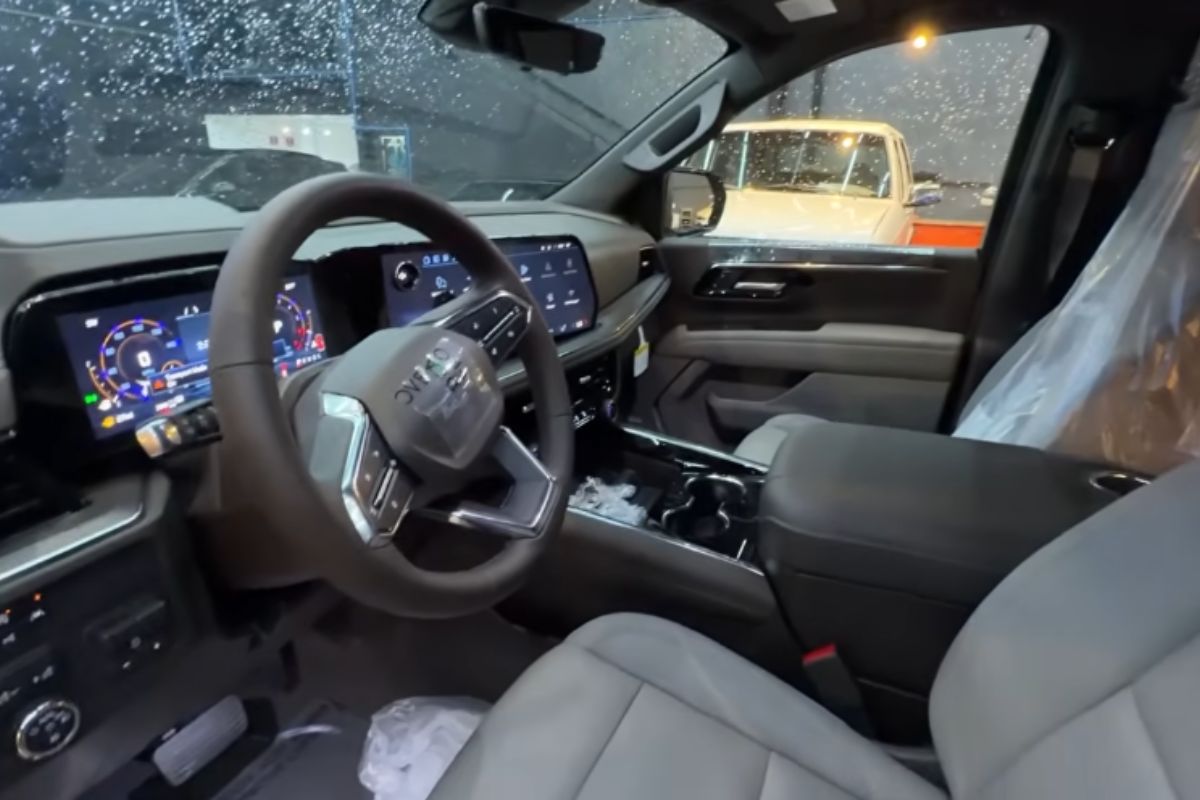
Chevrolet Suburban Z71 lands in Brazil with a V8 engine, off-road design, air suspension, seven seats, and colossal size, a rare version imported for around R$ 1.3 million with luxury and exclusivity.
-
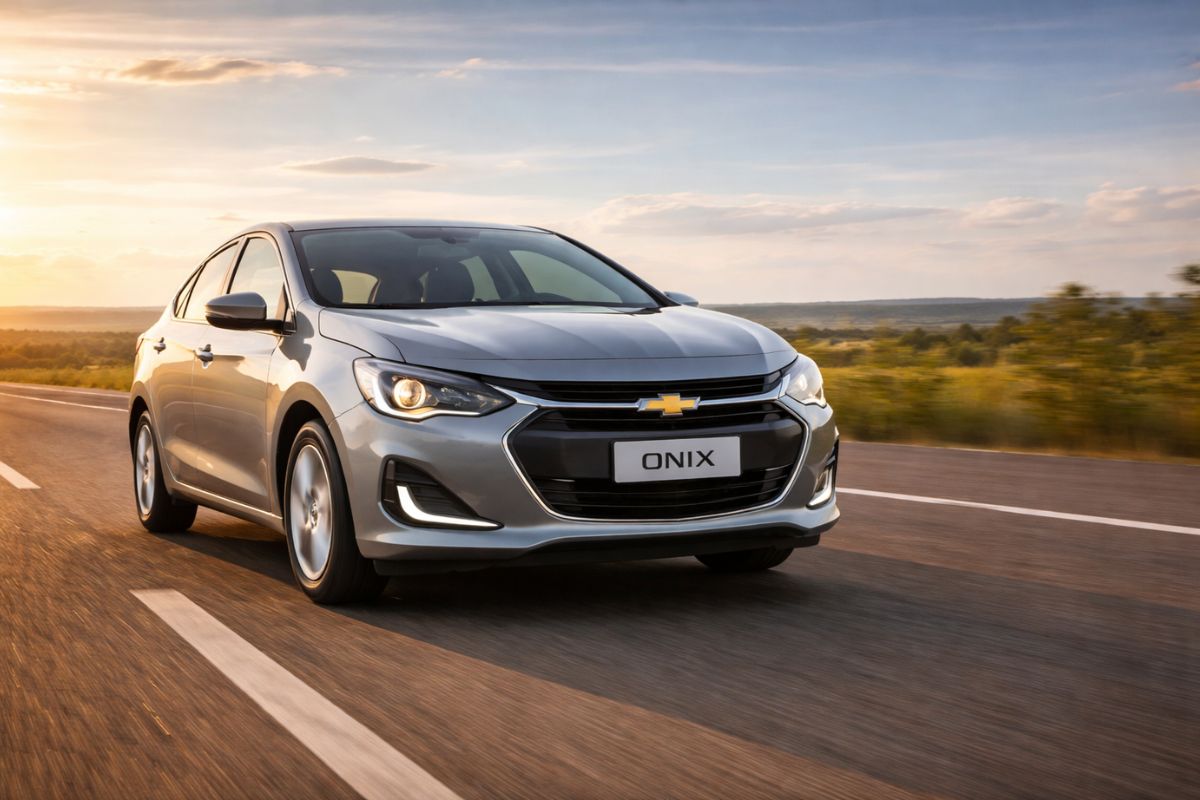
The Chevrolet Onix 1.0 turbo achieves 17.7 km per liter on the highway and ranks among the three most economical cars in Brazil in 2026, alongside two more expensive Toyota hybrids available at dealerships.
-
Little sister of the Hilux: Toyota launches Land Cruiser FJ with 4 radical versions, 2.7 engine with 166 hp and 4×4 traction with locking.

However, the scenario of lower-than-expected sales for electric cars in strategic markets led the company to reassess its proposal.
Now, the platform will also accommodate combustion engines that operate solely as power generators, in a concept known as range extender, or EREV (Extended-Range Electric Vehicle).
Range Extender As A Viable Alternative
The EREV system is already known in models such as the former BMW i3 REx, which was sold in Brazil, and operates differently than traditional plug-in hybrids.
In this configuration, the combustion engine is not responsible for the vehicle’s traction, but solely for generating electric power that feeds the main motors or recharges the batteries.
This allows it to operate in ideal efficiency ranges, helping to reduce both fuel consumption and pollutant emissions under real-world conditions.
The first application of this technology was presented in China, with the Volkswagen ID.Era concept, a large SUV developed in partnership with the Chinese company SAIC.
According to company information, the model combines a smaller battery with a combustion engine that acts as a range extender, promising combined range of over 1,000 kilometers.
The model was primarily designed for the Chinese market, but represents a possible global expansion of this solution.
Different Strategies For Different Markets
Thomas Schäfer, CEO of the Volkswagen brand, explained in an interview with the British magazine Autocar that this approach tends to be more viable for larger vehicles, especially outside Europe, where plug-in hybrids still receive greater acceptance from consumers.
He noted that simultaneously maintaining EREV and PHEV (Plug-in Hybrid Electric Vehicle) solutions would incur high costs and technological overlap, which would not be economically sustainable for the company.
In Brazil, where charging infrastructure still faces significant limitations, the use of range extenders with flex engines — compatible with ethanol — may represent a practical solution.
According to data from the Brazilian Electric Vehicle Association (ABVE), the country had approximately 2,400 public or semi-public charging points until June 2025, a number considered insufficient to sustain robust growth in 100% electric vehicles.
This context has encouraged the growth of sales of electrified vehicles, but with a predominance of hybrids.
In 2024, Brazil recorded 177 thousand units sold of electrified vehicles, with 80% of this volume corresponding to plug-in hybrid or mild hybrid models.
Pure electric vehicles still face challenges related to cost, range, and infrastructure.
The possibility of adopting ethanol as fuel for range extenders also reinforces Brazil’s affinity for the use of biofuels, whose combustion is less polluting than that of gasoline.
Global Debut Of The SSP Platform
The SSP platform is expected to debut in the market between 2027 and 2029.
Depending on advancements in software and engineering development, the launch could occur alongside the new generation of the Audi A3 or electric A4, or even with the long-awaited ninth generation of the Volkswagen Golf.
The SSP will be a single platform for all vehicles within the group — which includes the Audi, Porsche, SEAT, Skoda, and Volkswagen brands — with up to eight variations adaptable to the size and purpose of each model.
The concept behind the SSP is that of a truly scalable architecture, capable of accommodating vehicles of different sizes and proposals, while maintaining optimized production standards and facilitating the incorporation of new technologies for driving assistance, connectivity, and energy management.
The company’s expectation is that this standardization will contribute to reducing industrial costs and allow for the offering of more affordable models starting in 2027, such as the ID.2all, compact electric entry model expected to cost around 20,000 euros in Europe.
Technological Adaptation And Perspectives For Brazil
The adoption of the EREV system may also favor reduction in weight and final cost of the models, as the batteries used are smaller than those of pure electric vehicles.
This expands commercialization possibilities in countries where electrification is still in an early stage, while simultaneously allowing compliance with stricter environmental and regulatory requirements in other regions.
Facing an increasingly segmented global market with distinct challenges in each country, Volkswagen’s decision to invest in hybrid solutions, but with a focus on energy efficiency and lower environmental impact, represents an attempt to reconcile technological innovation and adaptation to regional realities.
In light of this new scenario, the question that arises is: can the adoption of range extender engines powered by ethanol transform the future of electric cars in Brazil?








Seja o primeiro a reagir!