





 Portuguese
  English
  Spanish
  5 min of reading
  0 comments



The Compact Sedan Market in Brazil Is Transforming, with Traditional Models Giving Way to New, More Versatile Options with Visual Appeal.
The compact sedan segment in Brazil is undergoing significant transformations.
The rise of SUVs and crossovers, models that offer more versatility and a higher driving position, has radically changed the behavior of the automotive market.
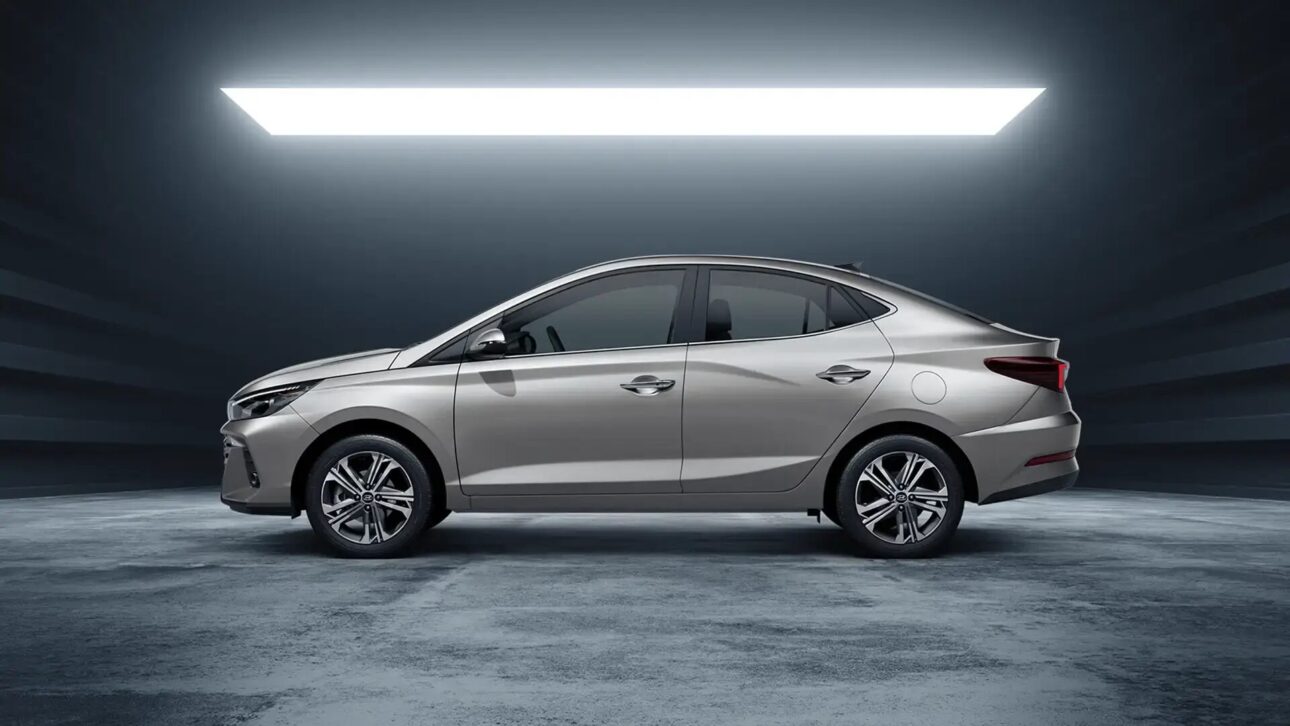
However, despite the decline many anticipated, some models, like the Hyundai HB20S, still manage to maintain their relevance and stand out in sales, as evidenced by the model’s strong performance in April 2025.
-
Friends have been building a small “town” for 30 years to grow old together, with compact houses, a common area, nature surrounding it, and a collective life project designed for friendship, coexistence, and simplicity.

-
A French brand placed a car on four huge red balloons to prove that its suspension made the vehicle “float,” and the surreal scene became one of the most iconic and unusual images in automotive history.

-
This small town in Germany created its own currency 24 years ago, today it circulates millions per year, is accepted in over 300 stores, and the German government allowed all of this to happen under one condition.

-
Curitiba is shrinking and is expected to lose 97,000 residents by 2050, while inland cities in Paraná such as Sarandi, Araucária, and Toledo are experiencing accelerated growth that is changing the entire state’s map.


In April, the Hyundai HB20S sold 4,172 units, just 102 units fewer than the sales leader, the Chevrolet Onix Plus, which reached 4,274 units.
This performance demonstrates that, although the segment is declining, there is still room for models that can adapt to new market demands.
However, looking at the year-to-date figures, the scenario shows a slight distancing between the main competitors.
The HB20S occupies the third position in total sales for 2025, with 8,269 units, while the Onix Plus remains in the lead with 14,142 units and the Volkswagen Virtus comes in second place, with 10,137 units.
What Is Behind the Decline of Compact Sedans?
The decline of the compact sedan segment is not a surprise, but it’s important to understand the reasons behind this change.
The main explanation for the decline in sales is the shift in consumer preferences.
Today, Brazilians prefer taller models, with more interior space and a more comfortable drive, typical characteristics of SUVs and crossovers.
These cars offer advantages such as higher ground clearance and a sense of security that attracts a significant portion of consumers.
Additionally, manufacturers have directed their investments towards the production and updating of SUVs, while compact sedans, which traditionally serve a specific audience, are not receiving as many innovations or updates.
This has led consumers to migrate towards more modern and versatile options, especially in times of economic instability, where the search for more robust models intensifies.
The Future of Compact Sedans
The crisis in the compact sedan segment is forcing manufacturers to rethink their strategies.
The Hyundai HB20S, for example, is facing an end to production in 2026, to be replaced by a crossover.
This decision follows a global trend in the automotive market, where brands are betting on more profitable models that meet the growing demand for SUVs and crossovers.
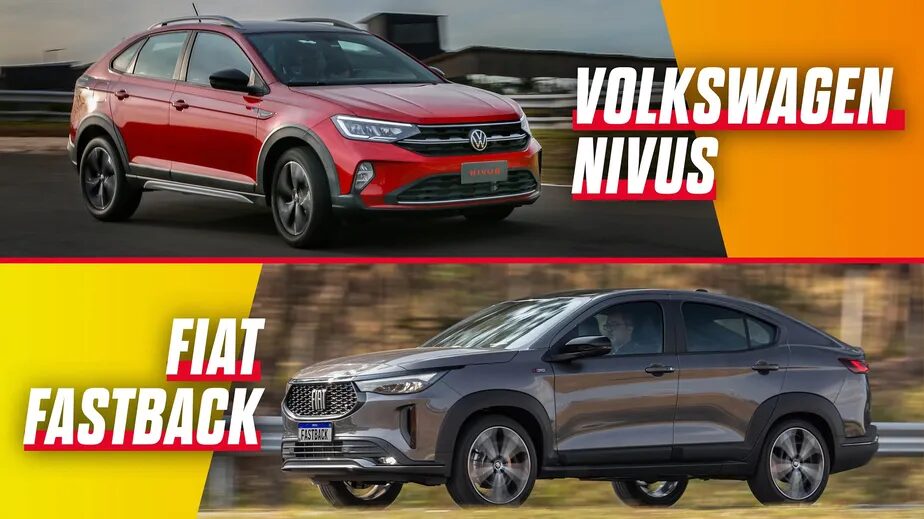
Models like the Volkswagen Nivus and the Fiat Fastback are dominating consumer preferences, and manufacturers are trying to adapt to this new reality by investing in cars that align with the new market demands.
The transition from sedans to crossovers is a direct response to this growing demand for taller, more spacious vehicles.
This change also reflects the competitiveness of the automotive market, where brands strive to stand out with models that possess greater visual appeal and versatility.
Strategies Adopted by Sedans to Survive
Despite all the difficulties, compact sedans are still trying to stay in the market through some strategic tactics.
Aggressive promotions and direct sales, especially to fleet buyers, have been effective in increasing sales.
The Hyundai HB20S, for example, saw an increase in sales in April 2025 thanks to these strategies.
Moreover, manufacturers are not standing idle and have been investing in technological and design updates.
The introduction of hybrid and electric versions, like the upcoming Yaris Cross, which will replace the Yaris Sedan, is an example of how brands are trying to adapt to the new demands of Brazilian consumers.
With the growing demand for more sustainable cars, sedans need to evolve to retain their market share.
Competitiveness in the Compact Sedan Segment
Although the compact sedan market is declining, the competition for space remains fierce.
In April 2025, the best-selling models were as follows:
- Chevrolet Onix Plus: 4,274 units
- Hyundai HB20S: 4,172 units
- Volkswagen Virtus: 2,852 units
- Fiat Cronos: 2,116 units
- Honda City: 1,351 units
- Nissan Versa: 740 units
- Toyota Yaris Sedan: 599 units
These numbers reflect an intense competition, where each model tries to stand out through innovations, promotions, and marketing strategies.
While the Onix Plus and the HB20S excel in reliability and constant updates, the Virtus, the Cronos, and the City are trying to earn the public’s trust with their own unique features, such as design and technological resources.


The Adaptation of the Compact Sedan Market to New Demands
Despite the changing behavior of consumers, there are still opportunities for compact sedans to reinvent themselves and maintain their relevance.
Manufacturers need to understand that modern consumers demand more than just a car with a good price. Today, it’s essential to offer technological innovations, energy efficiency, and more sustainable solutions.
This could be the differential that allows sedans to survive in the era of SUVs and crossovers.
Another important factor is design.
The car’s appearance is still one of the main decision factors for consumers.
Brands need to invest in bold and modern design for compact models to compete with SUVs, which often feature a more robust and eye-catching appearance.
If manufacturers can combine design, technology, and sustainability, compact sedans could still have a promising future in Brazil.
What Can We Expect for the Future of Compact Sedans?
The future of compact sedans in Brazil seems uncertain, but it is not completely hopeless.
As the automotive market evolves, sedans that can adapt to the new demands of consumers, with advanced technologies and more innovative designs, may remain competitive.
However, the fight against SUVs and crossovers will be tough, as these models continue to gain popularity in Brazil and worldwide.
The compact sedan market will go through a new phase of adaptation, where manufacturers need to be agile and innovative.
It will be interesting to see how brands position themselves in this new scenario and what new strategies will be adopted to maintain competitiveness.
And you, do you prefer a compact sedan or have you already joined the SUV and crossover team? Which model still catches your attention in the compact sedan market?









Seja o primeiro a reagir!