





 Portuguese
  English
  Spanish
  4 min of reading
  0 comments



Survey Released in 2025 by the National Confederation of Industry Details Billion-Dollar Costs, Impact on Payroll, and Regional Effects of the Proposed Reduction of the Weekly Workload
A possible change in the workweek from 44 to 40 hours, with the end of the 6×1 shift, could have a strong economic impact on Brazilian states.
According to a study released in 2025 by the National Confederation of Industry (CNI), the estimated increase in costs could reach R$ 95.83 billion, considering only the direct impact on states.
Furthermore, according to the technical survey of the entity, up to 26 million formal jobs could be affected in the most impacted states.
-
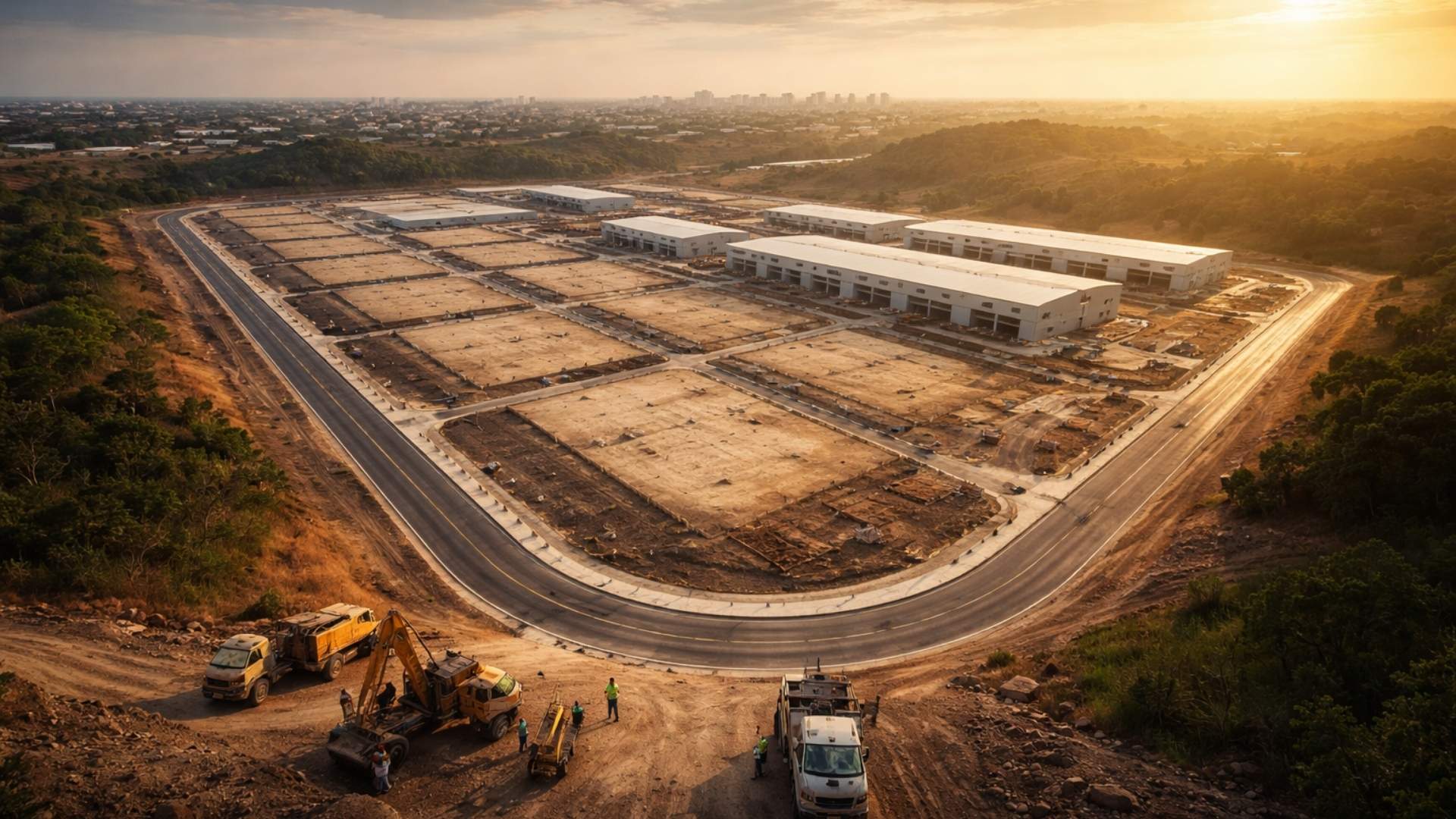
Brazilian city gains industrial hub for 85 companies that is equivalent to 55 football fields.
-
Peugeot and Citroën factory in Argentina cuts production by half and opens a layoff program for more than 2,000 employees after Brazil drastically harmed purchases of Argentine vehicles.

-
A Brazilian city gains a factory worth R$ 300 million with the capacity to process 200 thousand tons of wheat per year, a mill of 660 tons per day, silos for 42 thousand tons, and an industrial area of 276 thousand m².

-
Havan will leave the shopping mall in Blumenau to inaugurate something the chain has never done before: a megastore in half-timbered style in the Historic Center of the city, which is expected to be ready in May and change the landscape of local retail.


According to the CNI, the results vary according to the regional productive structure, the weight of formal employment in the local economy, and the proportion of workers with hours close to 44 hours a week.
Still, the study maintains that the impact would be significant and uneven across the country.
Immediate Impact on Payroll
Initially, the analysis indicates that if the workweek is reduced, companies will need to make up for the volume of work.
In this scenario, additional annual costs could reach R$ 267.2 billion, which would represent an average increase of 7% in the payroll.
According to the CNI, these values correspond to the additional cost necessary to maintain current production. In other words, companies would have to pay for overtime to compensate for the reduction in working hours.
Additionally, the study highlights that there would be an approximate increase of 10% in the value of the regular hour worked for contracts adjusted to 40 hours per week.
On the other hand, if the reduced hours are not compensated, the entity states that there may be a recession of economic activity.
States Most Impacted by the End of the 6×1 Shift

According to data presented by the CNI, some states concentrate the greatest financial and labor impacts.
Among the most affected, the following stand out:
• Minas Gerais: increase of R$ 25.55 billion | estimated reduction of 6.09 million formal jobs
• Paraná: increase of R$ 19.58 billion | estimated reduction of 3.72 million formal jobs
• Rio Grande do Sul: increase of R$ 17.67 billion | estimated reduction of 3.29 million formal jobs
• Santa Catarina: increase of R$ 17.13 billion | estimated reduction of 2.86 million formal jobs
• Rio de Janeiro: increase of R$ 17.96 billion | estimated reduction of 3.29 million formal jobs
Meanwhile, the Southeast would continue to concentrate the greatest absolute impact, especially in financial terms.
Economic Scenarios Evaluated by the CNI
To deepen the technical assessment, the CNI examined two distinct scenarios.
In the first scenario, companies would maintain the total hours worked through overtime payment. In this case, industries in the Southern Region would have an estimated increase of up to 8.1% in costs.
Next, the Southeast would record an impact of 7.3%, followed by the Northeast, with 6.1%. Additionally, the Northern and Central-Western regions would have an estimated elevation of 5.5% each.
In the second scenario, however, the reduced hours would be compensated by hiring other workers. Thus, the percentages would be smaller, but the regional order would remain the same. Therefore, the South would have an increase of 5.4%, the Southeast of 4.9%, the Northeast of 4.1%, and North and Central-West of 3.7% each.
Still, even in this scenario, the Southeast would concentrate the greatest absolute impact, with estimated costs of R$ 95.8 billion.
Ongoing Economic Debate
In light of the data presented by the National Confederation of Industry, the debate over the end of the 6×1 shift and the reduction of the workweek remains at the center of national economic discussions in 2025.
While productive sectors assess the impacts on costs and formal jobs, the technical analysis from the CNI reinforces that the decision involves broad and regionally unequal economic effects.
The question, therefore, remains open: should Brazil prioritize the reduction of the workweek as a labor advancement or consider the estimated impacts on costs, payroll, and formal jobs before moving forward with the change?










Seja o primeiro a reagir!