





 English
  Francês
  Alemão
  Italiano
  Japonês
  Norueguês
  Portuguese
  Spanish
  3 min of reading


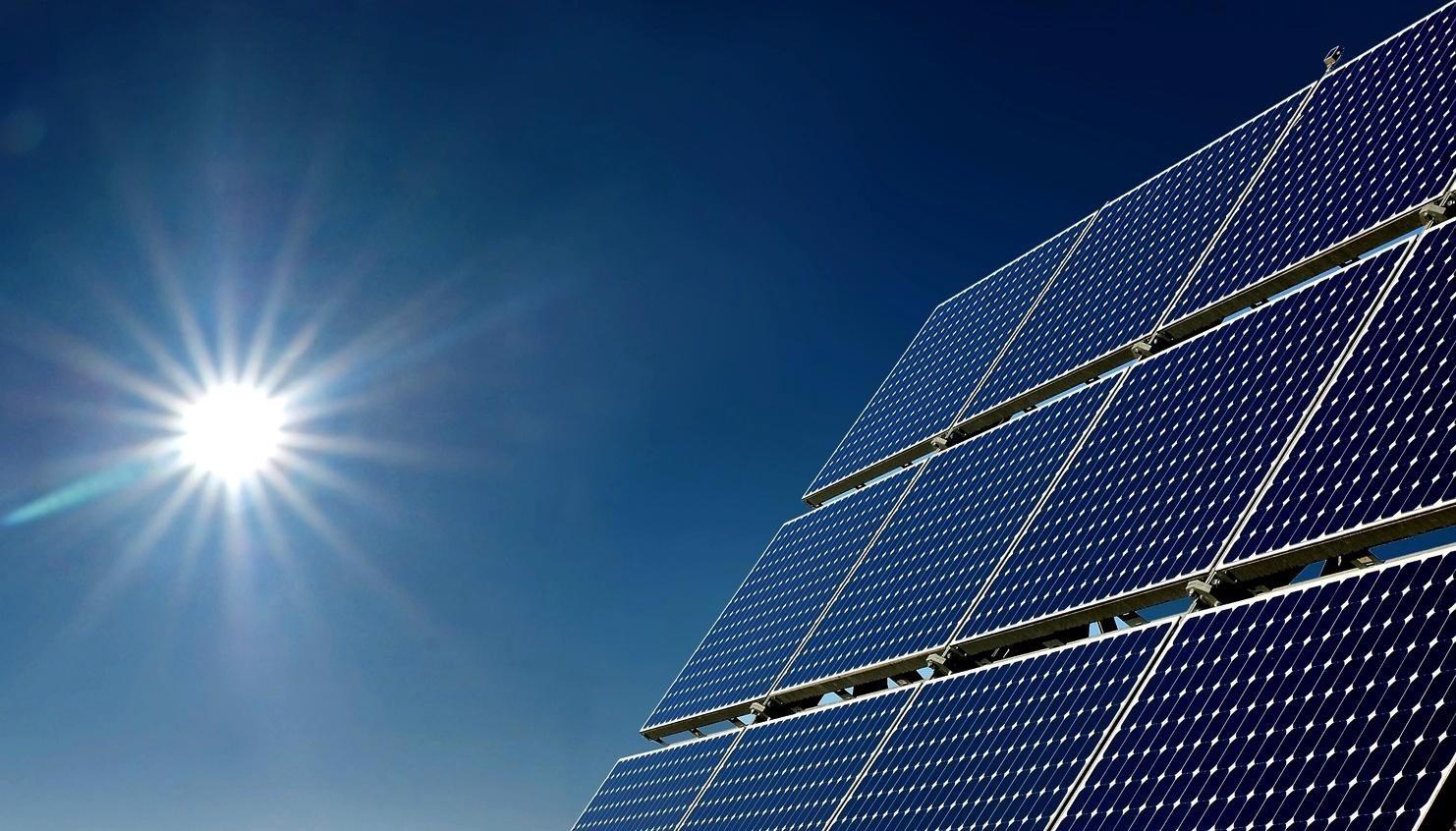
According to data, there are solar energy financing lines that start at 0.89% per month and 12-year terms to pay off the loan
As of October 2021, Brazil reached the mark of 800,000 installed units of solar energy. Moreover, only this year, 450,000 new photovoltaic panels were installed to generate clean and sustainable energy in the country. With the increase in demand, there was also a greater interest in financing opportunities for acquiring this renewable energy, which is here to stay in the market.
According to Greener, a São Paulo-based company that researches the photovoltaic market, what has been driving solar energy in Brazil is financing. Of the most recent investments in photovoltaic installation, 54% were made through credit lines in capital institutions.
Check Also:
- Offshore Wind Farms: Bureau Veritas Competes in the Market in Brazil
- For R$ 130 million, Movida Acquires Marbor Frotas
- Aiming for Leadership in the National SAP Market, MSG Global Solutions Will Accelerate Hiring for Job Openings in the Country
- Nube Offers 8,022 Internship Positions for Candidates from High School, University, and Technical Levels, in Day and Night Shifts. Scholarships Range from R$ 1,000 to R$ 2,000
Greener also reported that 74% of credit line contractors are micro and small solar energy consumers. “But it is necessary to evolve,” says Márcio Takata, executive director of the research company. “The lines need to be more familiar with reality so that more people, from all economic conditions, have access to the system.”
-
Rio Grande do Sul accelerates energy transition: State invests in renewable technologies and consolidates decarbonization strategies and pathways to attract billions in new industrial investments.

-
With 160,000 m² of collectors, an area larger than 20 football fields, Silkeborg, in Denmark, hosts a solar thermal plant that heats 19,500 homes and could become the largest solar heating plant in the world.

-
A study reveals the expansion of renewable energy procurement in Brazil and shows how companies are taking advantage of opportunities to reduce expenses, ensure energy efficiency, and strengthen strategic environmental commitments.

-
Roraima bets on the sun to escape high tariffs: Amid the energy crisis and price hikes, solar energy is growing in Roraima and transforming consumption in the North region.
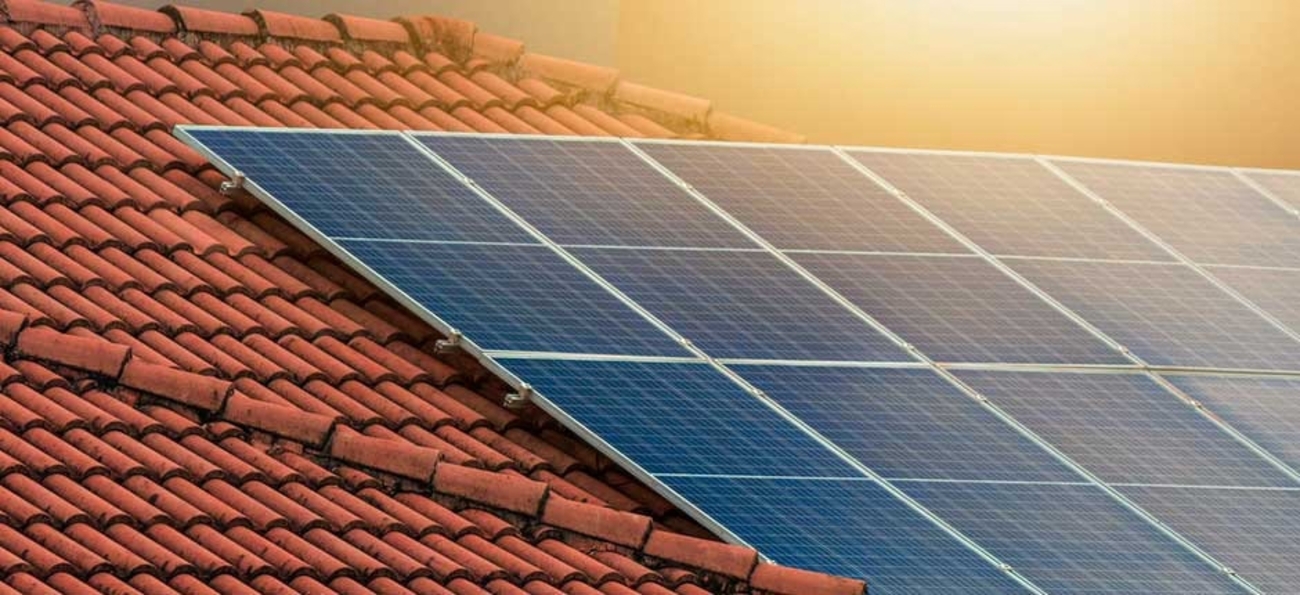

Due to the recurring increases in energy tariffs charged by utilities, businesspeople in the sector assure that the rates paid for financing to install solar energy are worth it.
The water crisis that plagued hydropower plants in 2021 caused electricity prices to rise by 24.97%, according to the latest IPCA-15 (Broad Consumer Price Index) from IBGE.
For Tiago Sarneski, from Entec Solar, a company that develops technology for solar energy generation, financing lasts on average five years. “After this period, the consumer no longer has either the adjustments of the electricity bill or the financing interest,” he says.
Banks That Provide Financing for Solar Energy
Santander
Banco Santander reported that the search to replace conventional energy from utilities with financing for the installation of solar energy grew 4x among individuals this year.
The institution offers installment plans of up to 96 months, rates starting at 0.89% per month, and a grace period of 120 days for the payment of the first installment. Moreover, it states that, due to the grace period, installments only start being paid after a reduction in the electricity bill, given that the interval is necessary for the project’s approval by utilities.
Banco do Brasil
With up to 100% of acquisition and installation financed, the installment plan can last up to 60 months, and the contractor has up to 180 days to pay the first installment. “The contracted amount varies between R$ 5,000 and R$ 100,000,” says Banco do Brasil. “The hiring is 100% digital and can be done through the bank’s app. The acquisition of materials and project assembly must occur with suppliers that have an agreement with BB—there are already over three thousand contracted partners.”
There is also the option of a consortium, without IOF and no enrollment fees, which saw a 50.97% increase in adherence in the first half of 2021, compared to the same period in 2020. Regarding values, BB explained that “The percentages of reserve fund and administration fee practiced by the consortium, considering groups in formation, start at 0.025% and 0.1% per month, respectively.”
Caixa Econômica Federal
The financing line from Caixa Econômica Federal for the installation of solar energy offers rates starting at 1.17%, with a payment term of 60 months and a 6-month grace period for the first installment. There are two credit modalities: without guarantees or with collateral of fixed income financial applications.
The bill 5829/19, which establishes the legal framework for microgeneration and distributed minigeneration, is considered by experts the main influence for the growth of the solar energy sector. It is estimated that this framework will generate, by 2050, R$ 173 billion with cost reductions for consumers.







Seja o primeiro a reagir!