





 English
  Francês
  Alemão
  Italiano
  Japonês
  Norueguês
  Portuguese
  Spanish
 6 min of reading
  0 comments


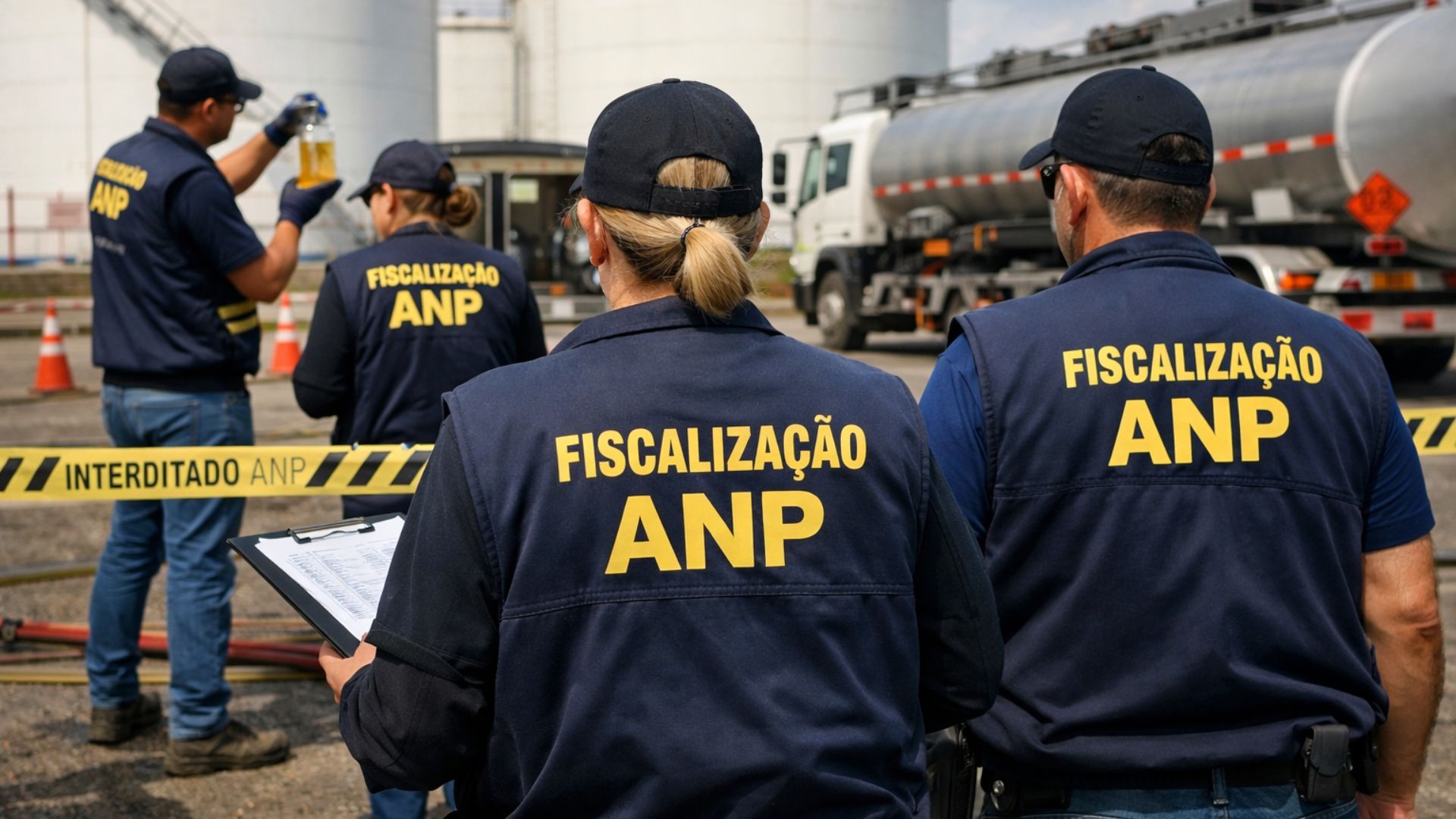
ANP Enforcement Operation Seizes 2.2 Million Liters of Adulterated Gasoline in Paulínia (SP), Shuts Down Tanks and Initiates Processes Against Distributors; Understand the Impacts on Consumers, the Mechanical Risks, and the Economic Reflections in the National Fuel Market.
The enforcement by the National Agency of Petroleum, Natural Gas and Biofuels (ANP) resulted in the seizure of 2.2 million liters of gasoline adulterated with solvent at a storage terminal located in Paulínia (SP). The action took place on Friday (13), after laboratory analyses confirmed the non-compliance of the fuel.
According to a report from the Cana Online website on February 18, the product was stored in two tanks and belonged to six distributors responsible for mixing gasoline A with anhydrous ethanol to form gasoline C, sold to the final consumer. The tanks were immediately shut down and will remain sealed until explicit authorization from the ANP. The companies involved will face administrative processes, with the right to a full defense and contradiction.
ANP Enforcement in Paulínia (SP) Intercepts 2.2 Million Liters of Gasoline
The ANP initiatives in Paulínia (SP) took place at a sensitive point in the supply chain. By identifying irregularities at the storage stage, the enforcement prevented the liters of gasoline from reaching gas stations.
-
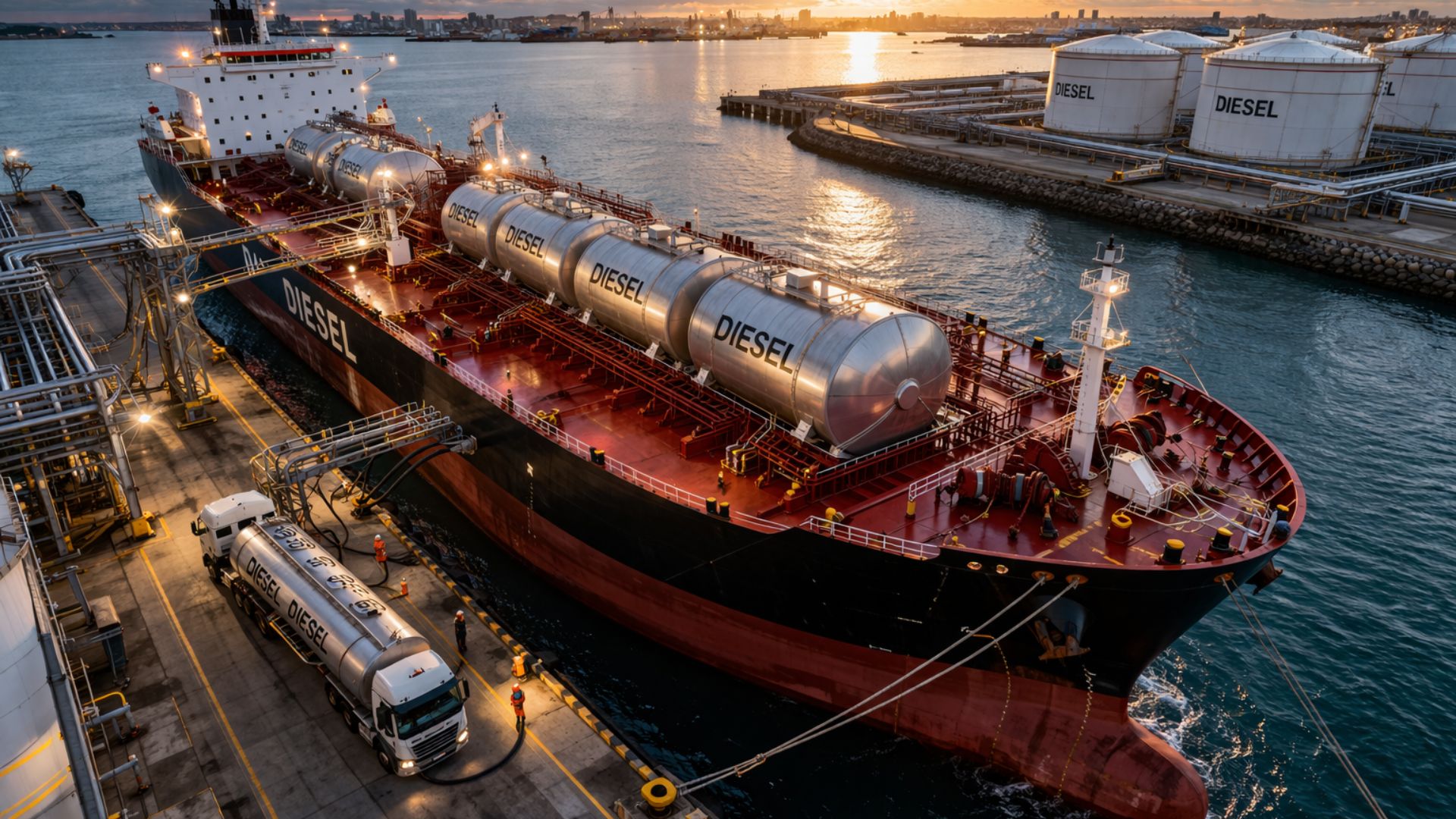
Former president of IBP highlights that dependence on diesel imports pressures prices in Brazil, increases vulnerability to global crises, and underscores the need for more robust and sustainable energy policies.
-
Middle East War Drives Up Oil Prices, And Petrobras Increases Diesel: Fuel Reaches R$ 3.65 Per Liter At Distributors
-
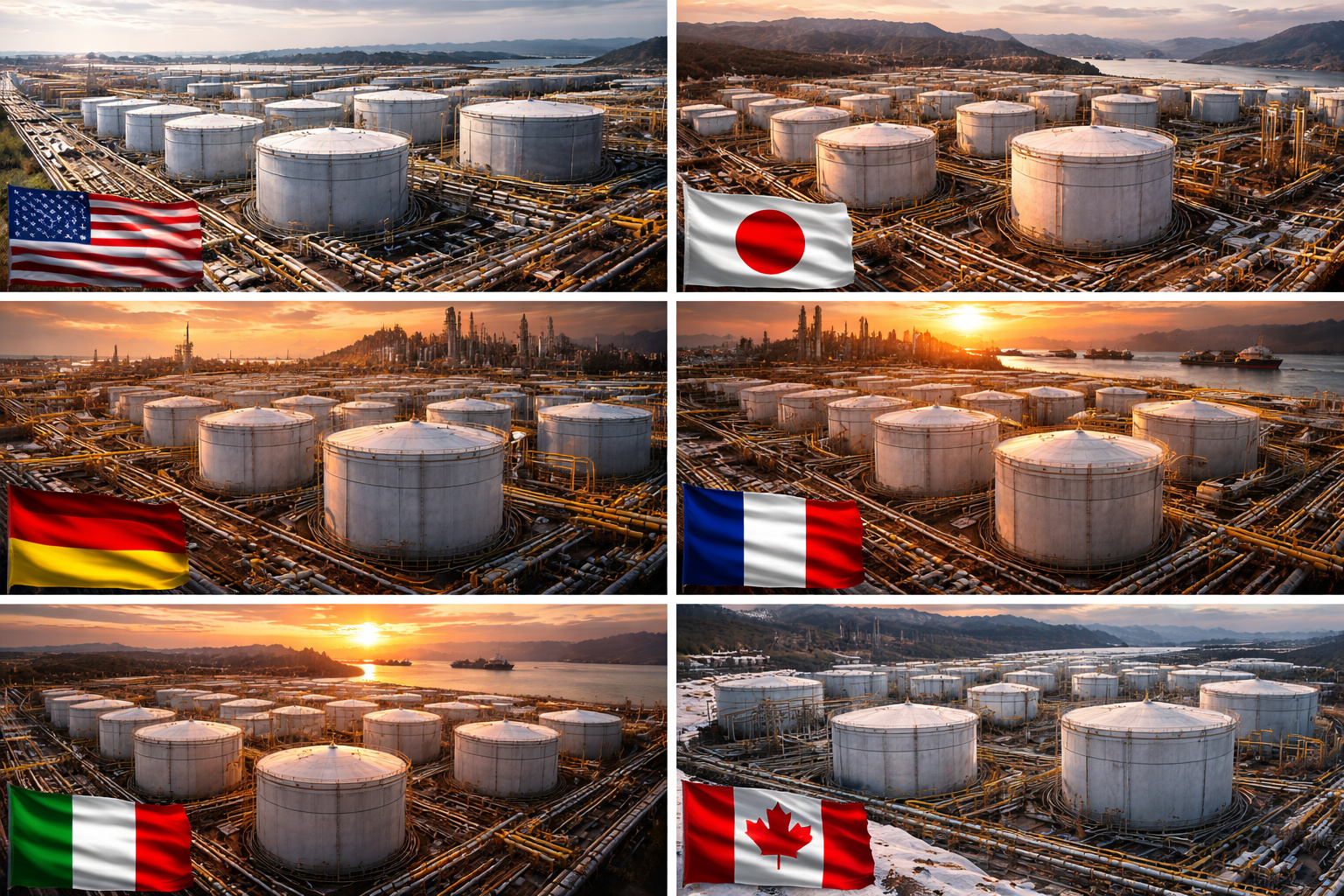
Oil Soars to Nearly $120, Middle East Tensions Shake Global Market, and a Little-Known Detail Returns to Energy Debate: The Gigantic Strategic Reserves Hidden by G7 Countries — See How Many Millions of Barrels Each Nation Holds in Reserve to Face a Global Crisis
-
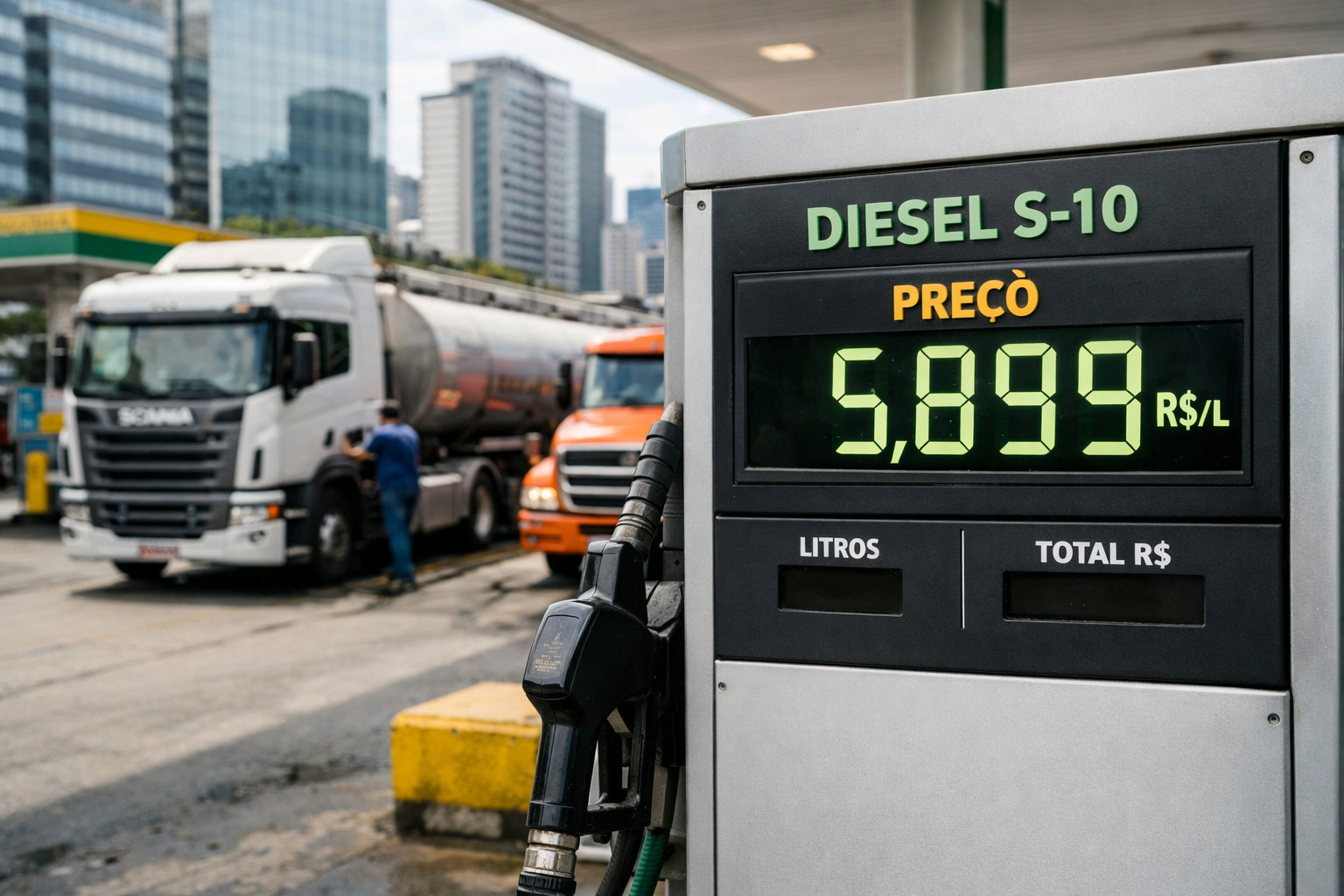
Gasoline And Diesel May Change Course In Brazil: International Oil Pressure Renews Debate On Prices And Direct Impact On Drivers’ Wallets


According to the agency, gasoline A must remain at the distributors’ own bases or at third-party facilities, as in the inspected case. It is at this stage that the mandatory mixing with anhydrous ethanol occurs, forming gasoline C.
The addition of solvents, however, is not permitted. This practice alters the physicochemical characteristics of the fuel and constitutes a violation of regulatory standards. Thus, the immediate shutdown of the two tanks was determined as a preventive measure.
How the ANP Conducts Technical and Laboratory Enforcement of Fuels
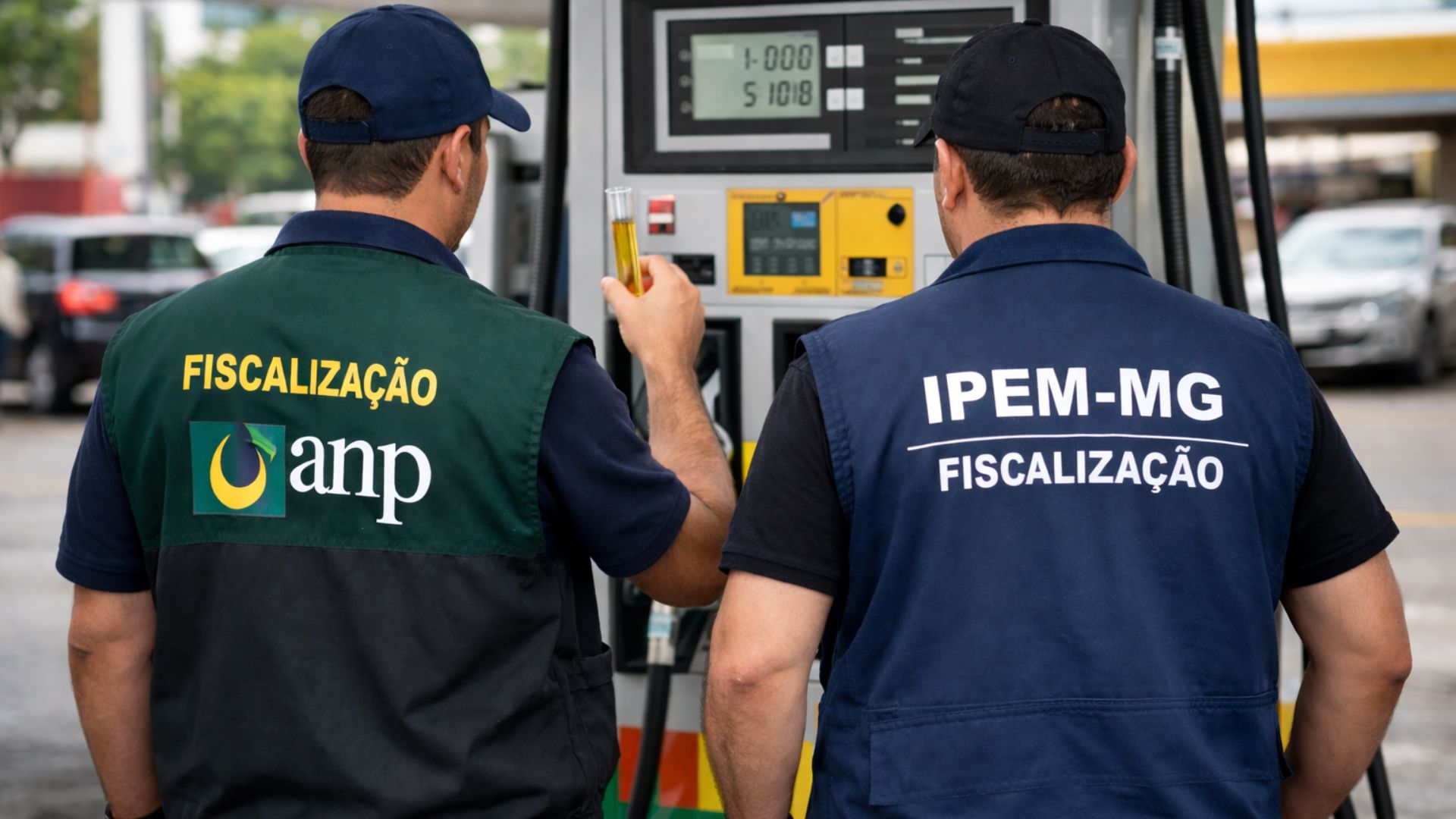
The ANP is legally assigned to regulate and enforce activities related to petroleum, natural gas, and biofuels in Brazil. Its actions involve periodic inspections, sample collection, and laboratory analyses to verify compliance with technical specifications.
When the enforcement identifies signs of irregularity, the samples undergo detailed examinations. Only after technical confirmation are measures such as shutdown and fines adopted.
In the case of Paulínia (SP), the analyses confirmed the presence of solvent in volumes totaling 2.2 million liters of gasoline, stored in two tanks. Following this finding, an administrative process was opened against the six involved distributors. The penalties provided may include fines of up to R$ 5 million, in addition to suspension or revocation of the authorization to operate in the fuel market.


Paulínia (SP) as a Strategic Hub and the Impact of Large Volumes of Adulterated Gasoline
The municipality of Paulínia, in the interior of SP, is home to one of the country’s main petrochemical hubs. The city concentrates relevant logistical infrastructure for the storage and distribution of fuels.
When enforcement detects irregularities involving millions of liters of gasoline in this type of hub, the potential impact is significant. Depending on the stage of the supply chain in which the problem is identified, thousands of consumers may be affected.
The volume seized evidences the extent to which an irregularity can reach. Therefore, the preventive actions of the ANP are considered essential to prevent off-specification products from being marketed.
Mechanical Risks and Harm to Consumers from Adulterated Gasoline
According to the ANP itself, the addition of solvents to gasoline compromises the fuel’s performance and may cause damage to the vehicle. Reported problems include loss of power, increased consumption, and failures in the combustion system.
The continuous use of adulterated fuel can lead to premature wear of components such as fuel injectors, valves, and fuel pumps. In some cases, repairs may be costly.
When 2.2 million liters of gasoline show non-compliance, the risk shifts from being specific to having collective dimensions. The enforcement aims precisely to prevent such losses from reaching the final consumer.
In addition to mechanical impacts, there is a direct financial harm. The driver pays for a product that does not meet legal specifications and may consume more fuel to cover the same distance.
ANP Enforcement: Unfair Competition in the SP Market
The adulteration of fuels is also associated with tax fraud and unfair competition. By adding cheaper solvents, irregular companies artificially reduce their costs, allowing them to practice lower prices than competitors who comply with the law.
In a state like SP, the largest consumer market in the country, any distortion involving large volumes of liters of gasoline can generate significant economic impact.
The ANP, by intensifying enforcement, acts not only in protecting consumers but also in preserving the competitiveness of the sector. Companies that operate within the rules rely on a balanced regulatory environment to maintain their activities. The seizure in Paulínia (SP) highlights how the agency’s actions can prevent illegal practices from compromising the regional and national market.
Administrative Processes and Penalties Following ANP Enforcement
After confirming the irregularity, the six distributors responsible for the product stored in Paulínia (SP) began to respond to administrative processes. The legislation ensures full defense and contradiction to the companies fined. During this period, the tanks remain shut down until there is explicit authorization from the ANP.
Among the penalties provided are fines that can reach R$ 5 million. Depending on the severity and recurrence, the agency may impose harsher sanctions, such as suspension or revocation of the authorization to operate. This set of measures shows that enforcement has both technical and punitive character, seeking to deter irregular practices in the sector.
The Importance of Continuous ANP Enforcement to Ensure Quality and Confidence
The case of the 2.2 million liters of gasoline seized in Paulínia (SP) reinforces the need for constant monitoring in the fuel sector. The ANP conducts enforcement actions at different stages of the production chain, from production to marketing. This integrated approach reduces the likelihood that off-specification fuels reach consumers.
In large-scale markets, such as SP, the daily volume of distribution is high. This requires technical planning, systematic sample collection, and rigorous laboratory analyses. Consumer confidence depends on the perception that there is effective control and punishment for irregularities. The multi-million seizure evidences that the control system is active.
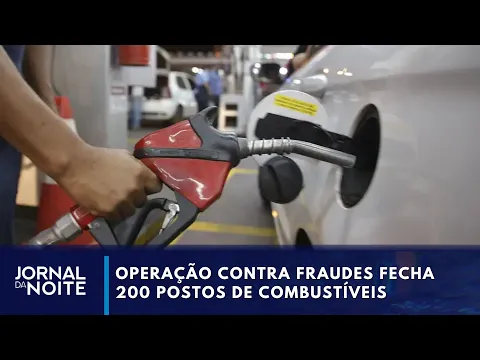
What the Paulínia (SP) Case Reveals About the Fight Against Adulteration in Brazil
The discovery of 2.2 million liters of gasoline adulterated in Paulínia (SP) shows that adulteration remains a challenge for the fuel sector in Brazil. At the same time, the actions of the ANP demonstrate that enforcement can identify and interrupt schemes before the product reaches the final consumer.
The shutdown of the two tanks, the opening of processes against six distributors, and the potential for fines of up to R$ 5 million signal that there are legal instruments to combat the practice.
In a scenario of high economic relevance, the combination of technical control, administrative sanctions, and continuous monitoring is essential to preserve the quality of fuels, protect Brazilian consumers, and ensure competitive balance in the national market.








Seja o primeiro a reagir!