





 Portuguese
  English
  Spanish
  5 min of reading
  0 comments



The first section of the BRT in Florianópolis will connect the Terminal da Trindade to the Terminal do Centro passing by UFSC and the tunnel of Saco dos Limões, with R$ 159 million raised via PAC and R$ 230 million approved with the Inter-American Development Bank to complete the ring road around the massif of Morro da Cruz
Florianópolis will begin constructing its BRT as early as 2026. The project plans exclusive corridors for articulated buses that will connect the main flow axes of the capital of Santa Catarina, with a total investment of nearly R$ 400 million. The first section of the BRT will connect the Trindade Integration Terminal (Titri) to the Centro Integration Terminal (Ticen), passing by UFSC and the tunnel of Saco dos Limões, and will also include an exclusive lane on Mauro Ramos Avenue.
The resources for the BRT come from two main sources: R$ 159 million raised from the federal government through PAC (Growth Acceleration Program), currently in the approval process with Caixa, and R$ 230 million positively signaled by the Inter-American Development Bank (IDB). With this amount, the city hall of Florianópolis intends to install the complete system in the central region of the city, including the connection via Beira-Mar Norte, Paulo Fontes, and Gustavo Richard.
Where the BRT will pass in Florianópolis
The first section of the BRT, called BRT Sul, will connect Trindade to the Centro. The route starts at the Trindade Integration Terminal (Titri), passes by UFSC, goes through the tunnel of Saco dos Limões, and reaches the Centro Integration Terminal (Ticen).
-
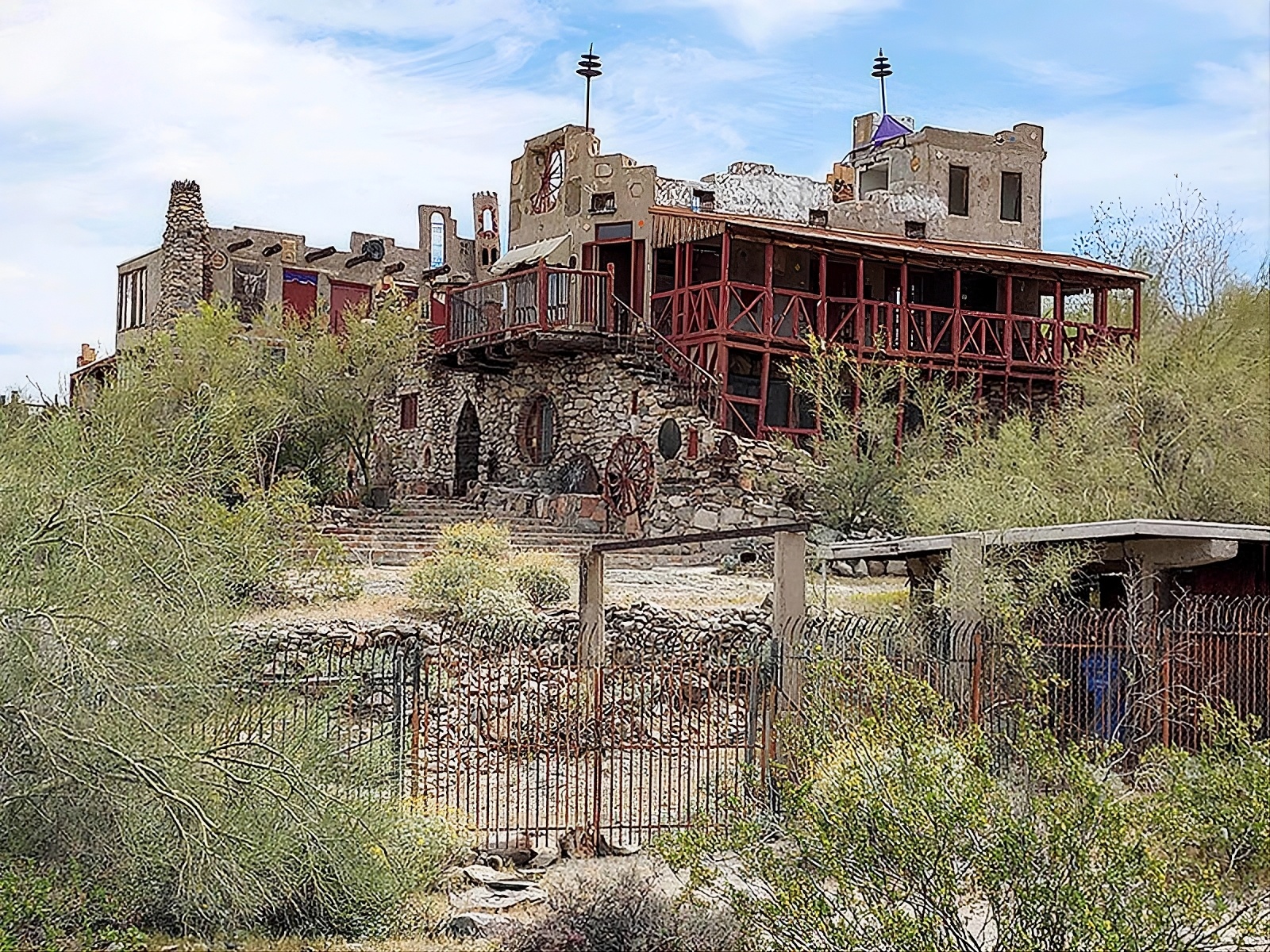
Without a blueprint, without an engineer, and using scrap from the dump, a father spends 15 years building an 18-room castle for his daughter, featuring tram tracks, 13 fireplaces, and over 700 m², which may now be demolished.
-
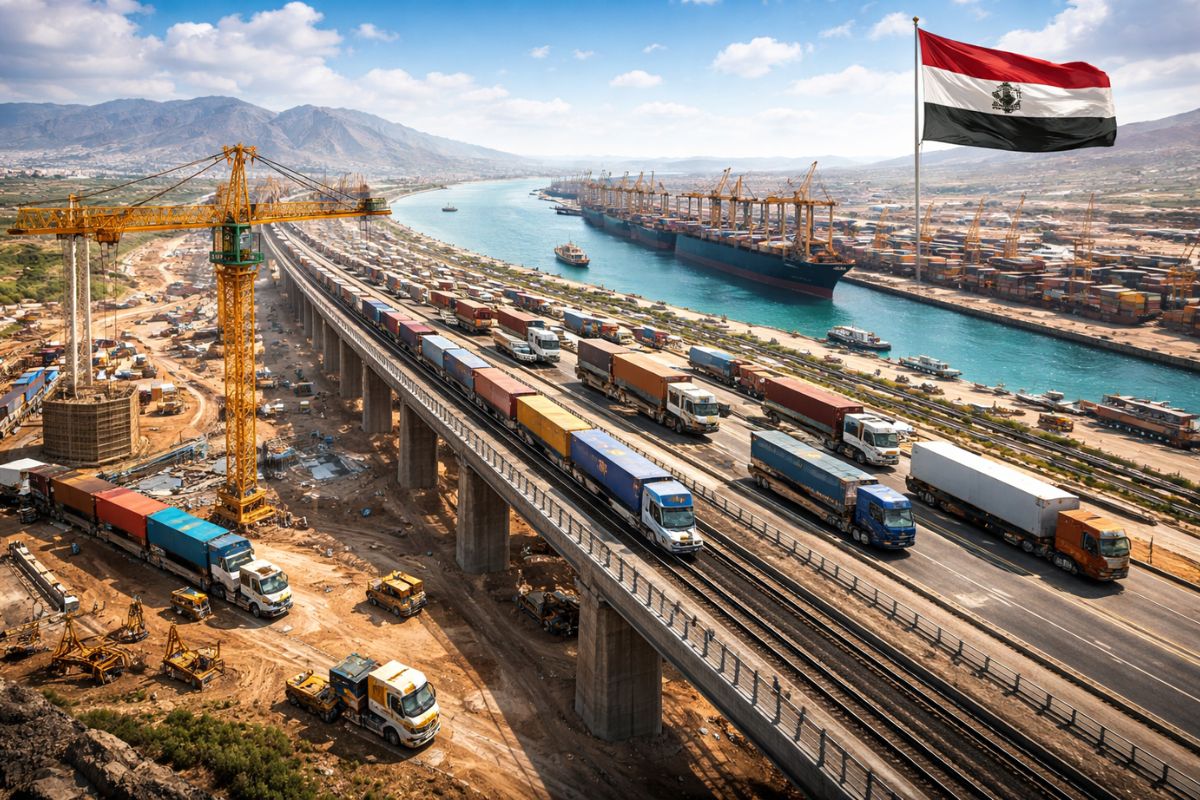
A megaproject worth R$ 89 billion is advancing in Iraq and promises to change the game in global trade by creating a new corridor between Asia and Europe, reducing traditional routes and repositioning the country as a logistics powerhouse.
-
Goodbye bedside table: floating shelves become a trend in 2026 by freeing up space in the bedroom, improving circulation, bringing visual lightness, and integrating technology without taking up floor space.

-
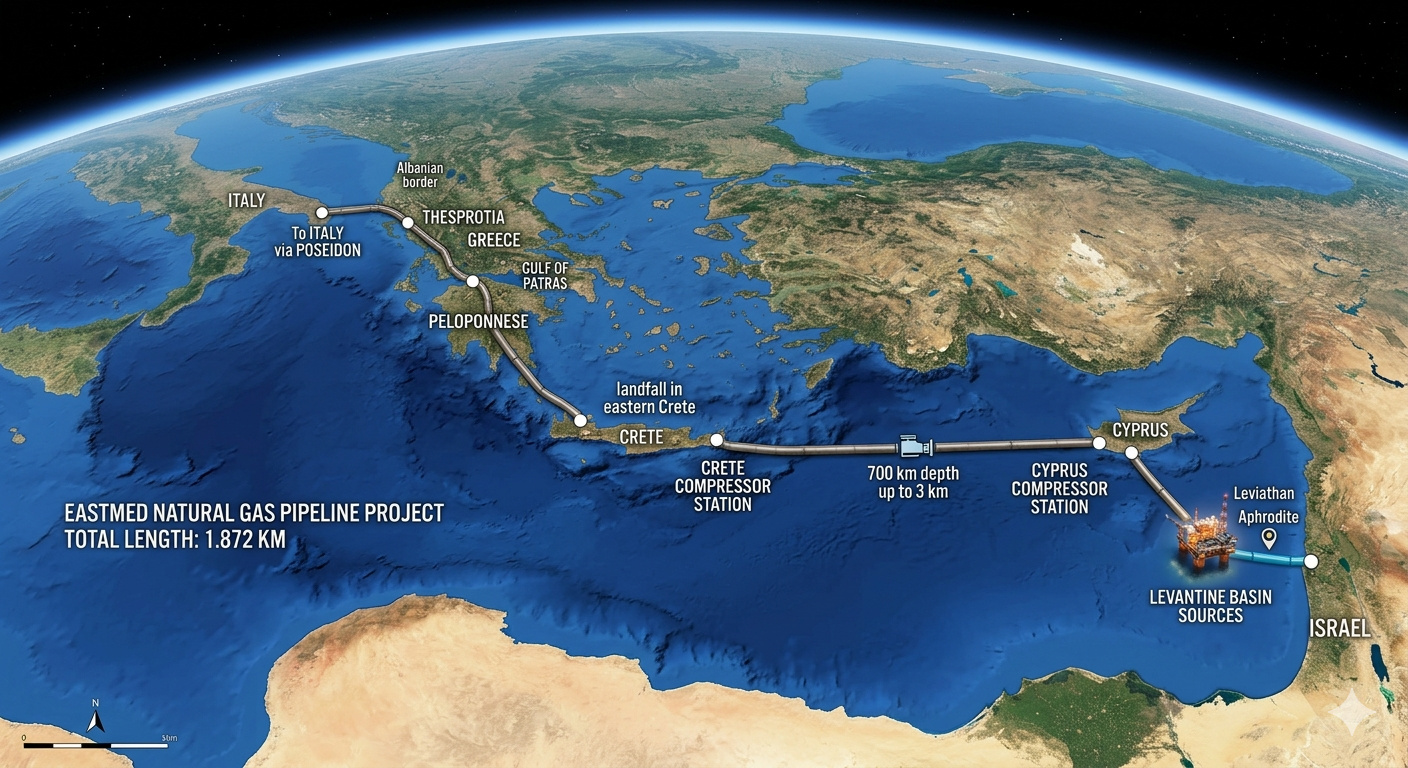
Israel, Greece, and Cyprus signed an agreement in 2020 to transport gas from the Mediterranean to Europe via a 1,872 km pipeline, but Turkey claimed sovereignty over part of the maritime route, and the project never materialized.

This corridor is the most congested axis in Florianópolis and concentrates the highest daily passenger flow of public transport in the capital.
The second section of the BRT will connect the Centro back to Trindade via Beira-Mar Norte, completing the ring road around the massif of Morro da Cruz. This section passes through the avenues Paulo Fontes and Gustavo Richard, roads that also face frequent congestion.
The city hall’s expectation is to start BRT Sul in 2026 and complete the second section in 2027, according to the municipal secretary of Infrastructure, Rafael Hahne.
Where the nearly R$ 400 million for the BRT in Florianópolis comes from
The financing of the BRT in Florianópolis is divided into two fronts. The first is the Growth Acceleration Program (PAC) from the federal government, which allocated R$ 159 million for the project. This resource is in the approval process with Caixa Econômica Federal and will be used for the construction of the first section of the exclusive corridor.
The second front is the Inter-American Development Bank (IDB), which positively signaled the contribution of R$ 230 million to complete the ring road of the BRT in the central region.
The sum of the two contributions, nearly R$ 400 million, covers the complete installation of the system.
The mayor of Florianópolis, Topázio Neto, stated that the necessary resources for the BRT project were secured globally, including not only the first phase but the entire BRT ring around the massif of Morro da Cruz.
This confirmation of financing allows the city hall to project a schedule with the start of works as early as 2026.
What the BRT will change in Florianópolis transportation
The BRT (Bus Rapid Transit) is a transportation system based on articulated buses that run in exclusive corridors, with rapid boarding stations and high passenger capacity.
In Florianópolis, the system will operate in an integrated manner with existing terminals, connecting the main flow points of the city with greater predictability and reduced travel time.
In addition to exclusive corridors, the BRT project plans the construction of new boarding stations, intelligent signage, improvement of tree cover and landscaping, bicycle connections, and better accessibility and walkability conditions along the covered roads.
The BRT is considered a more flexible and economical model than subways and urban trains, capable of being implemented more quickly and adapted to the geography of islands and hills that characterize Florianópolis.
The expropriations and interventions that the BRT will require
The construction of the BRT in Florianópolis will involve expropriations, even if in specific parcels along the route. The city hall has not yet disclosed the complete details of these interventions but acknowledges that they are a necessary part of the project.
The opening of exclusive corridors on roads such as Mauro Ramos Avenue and Beira-Mar Norte requires the reconfiguration of road space, which may include the removal of parking lanes, widening of roads, and adjustments to sidewalks.
These interventions are likely to generate public debates in a city that already faces resistance to large-scale works. The BRT will pass through densely populated areas, and any expropriation or traffic change directly affects residents and merchants.
The city hall states that it intends to present more detailed information about the works as the project progresses, which means that some of the more sensitive decisions will still be known in the coming months.
The schedule of the BRT and what to expect for 2026 and 2027
The Secretary of Infrastructure of Florianópolis, Rafael Hahne, stated that the expectation is to start the construction of BRT Sul (section from Trindade to Centro) as early as 2026 and complete the second section (complete ring) in 2027.
If the schedule is met, Florianópolis will have its first BRT corridor operating before the end of 2027, which would represent a significant change in how public transport operates in the capital.
The challenge is great. BRT works in other Brazilian cities often face delays, budget overruns, and resistance from residents affected by the interventions.
Florianópolis has the advantage of having financing already approved from two distinct sources, but the complexity of building exclusive corridors in a city with rugged geography and narrow roads is a factor that could compromise deadlines.
Monitoring the execution will be crucial to determine whether the BRT will materialize at the promised pace.
A project that can transform transportation or become another stalled project
The BRT in Florianópolis has nearly R$ 400 million in financing, a defined route, and a schedule that anticipates the start of works in 2026.
If everything goes as planned, the capital of Santa Catarina will gain a transportation system with exclusive corridors that will connect the most congested points in the city.
The experience of other cities shows that the BRT can significantly reduce travel times when well executed.
The question is whether Florianópolis will deliver on time or repeat the pattern of delayed and costly works.
Do you live in Florianópolis and use public transport? Do you think the BRT will improve traffic or cause more disruption during the works? Do you believe that the 2026 schedule will be met? Leave your comments and share with those who commute through the capital of Santa Catarina.







Seja o primeiro a reagir!