





 Português
  Inglês
  Espanhol
  3 min de leitura
  0 comentários



According to Lawyer Davi Aragão, states like Florida, Texas, and California have expanded the hiring of legalized immigrants in 2025, offering better salaries and even permanent residency programs.
The stricter immigration policy adopted in the United States after Donald Trump’s inauguration in January 2025 had unexpected effects. The departure of millions of undocumented immigrants created a labor shortage in strategic sectors, leading American states to actively seek documented workers. The result is an unprecedented scenario: rising wages, extra benefits, and even Green Card sponsorship for legalized immigrants.
According to lawyer Davi Aragão, the trend reflects both an urgent economic need and a reconfiguration of the political debate about immigration in the U.S. While they reinforce borders, states dependent on immigrant labor are expanding incentives for those already documented.
Construction Industry: Florida, Georgia, Utah, Colorado, and Texas
The construction industry, traditionally reliant on foreign workers, is one of the most affected sectors.
-
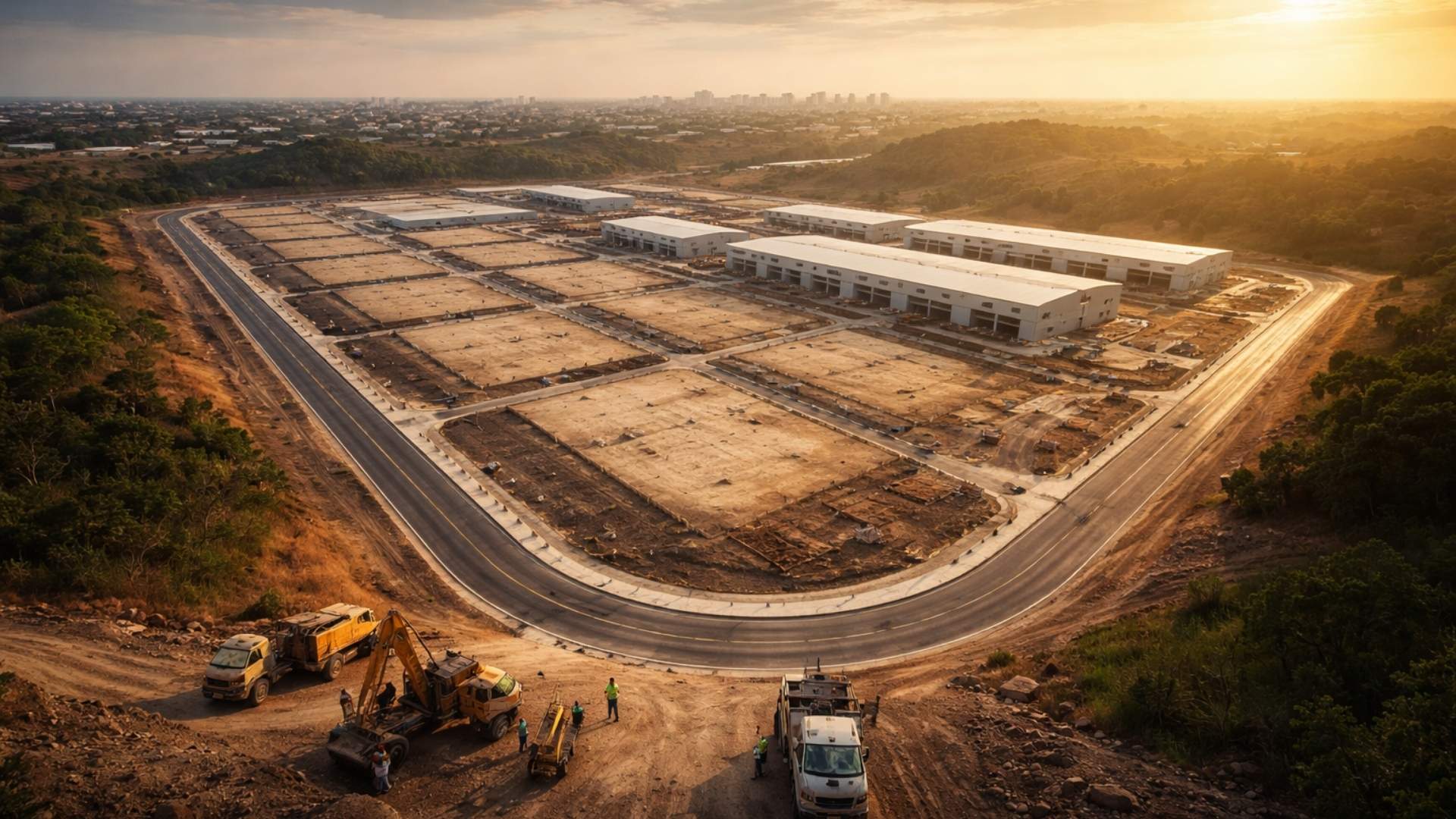
Brazilian city gains industrial hub for 85 companies that is equivalent to 55 football fields.

-
Peugeot and Citroën factory in Argentina cuts production by half and opens a layoff program for more than 2,000 employees after Brazil drastically reduced purchases of Argentine vehicles.

-
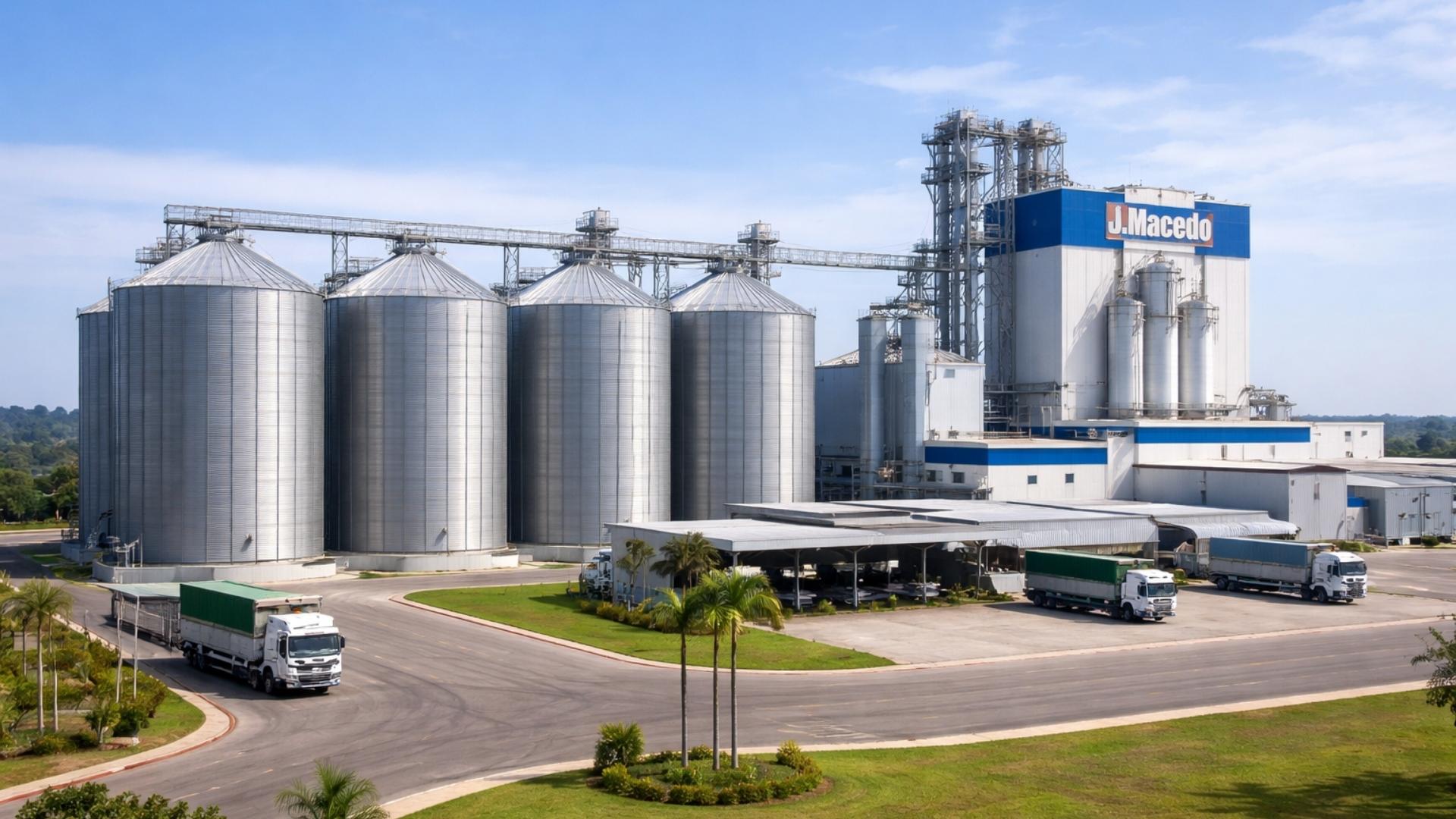
A Brazilian city gains a factory worth R$ 300 million with the capacity to process 200 thousand tons of wheat per year, a mill of 660 tons/day, silos for 42 thousand tons, and an industrial area of 276 thousand m².
-
Havan will leave the shopping mall in Blumenau to inaugurate something that the chain has never done before: a megastore in half-timbered style in the Historic Center of the city, which is expected to be completed in May and change the landscape of local retail.


Carpenters, masons, electricians, and plumbers are in short supply, especially in states like Florida and Texas.
Local companies have raised salaries, and in some cases, offer Green Card sponsorship for professionals who remain employed for two or three years.
Georgia, Utah, and Colorado have expanded training programs to attract legalized immigrants.
Nevada and Arizona have even created public training initiatives to accelerate the replacement of lost labor.
Healthcare and Homecare: Illinois, New York, New Jersey, and California
The healthcare sector is also facing significant pressure.
The departure of undocumented immigrants has particularly affected homecare and elder care.
Hospitals, clinics, and families have started offering higher salaries for nurses, caregivers, and licensed technicians, especially in populous states like New York, New Jersey, and California.
The demand is so high that private companies are considering including extra benefits to attract professionals.
Transportation and Logistics: Indiana, Pennsylvania, Ohio, and Nevada
Road transportation, already short on drivers, was one of the most impacted by the new immigration rules.
The requirement for fluency in English for the Commercial Driver License (CDL) has further complicated the entry of new truckers.
States like Indiana and Ohio now offer free technical English courses and transportation training.
Some companies are looking into sponsoring permanent visas for drivers and forklift operators, ensuring labor retention in a vital sector for the economy.
Agriculture and Food: California, Florida, Georgia, Idaho, and Arkansas
In agriculture, the crisis is even more visible. Crops, slaughterhouses, and food processors have been left without enough workers, as the temporary H-2A visa does not meet the entire demand.
As a result, documented immigrants have begun to receive higher salaries and opportunities in areas such as harvesting, packaging, and food inspection.
Business owners are pressuring the government for an expansion of the H-2A program or the creation of new specific visas for the agricultural sector.
Opportunity and Political Debate


The lack of workers is already driving up service and food prices, forcing a discussion on immigration reform in the U.S.
Experts believe that a special visa for critical sectors, such as construction and transportation, may emerge, opening more space for the legal entry of foreign professionals.
Today, at least 10 U.S. states — including Florida, Texas, California, Georgia, Illinois, New York, New Jersey, Indiana, Nevada, and Arkansas — lead the hiring of legalized immigrants in 2025.
What once seemed merely a migration crisis has turned into a window of opportunity for those seeking stability and better wages in the United States.
The 2025 scenario shows that, even with stricter policies, the U.S. still relies on immigrant labor.
The difference now is that benefits are concentrated on documented workers, with real gains in salary, security, and prospects for permanence.
In your opinion, is it worth taking advantage of this opportunity and seeking legalized work in the U.S. in sectors like construction, healthcare, and agriculture? Or do the risks still outweigh the benefits? Leave your comment — we want to hear from those who have lived this experience firsthand.









Seja o primeiro a reagir!