





 English
  Francês
  Alemão
  Italiano
  Japonês
  Norueguês
  Portuguese
  Spanish
  4 min of reading
  3 comments




Jornal Folha de S. Paulo Suggests Radical Change: The Privatization of Brazil’s Largest State-Owned Enterprises. Petrobras, Caixa Econômica Federal, and Banco do Brasil Could Be Sold? The Editorial Challenges Old Concepts and Raises a Crucial Question for the Country’s Economic Future. Will the Lula Government Follow This Path?
In a scenario where state-owned companies still play significant roles in the Brazilian economy, a suggestion emerges that challenges old concepts and sparks intense debates.
The editorial of Folha de S. Paulo raises a provocative question: Should Brazil privatize emblematic companies such as Petrobras, Caixa Econômica Federal, and Banco do Brasil?
The proposal, which might have seemed unthinkable in past decades, not to mention previous governments, now arises as a crucial discussion topic for the country’s economic future.
-
Petrobras finds high-quality oil in the pre-salt at 113 km from RJ and reignites expectations about strategic reserves in the Campos Basin.

-
Chinese giant worth nearly R$ 4 billion that manufactures cables for electric cars, solar energy, and robotics wants to open a factory in SC.
-
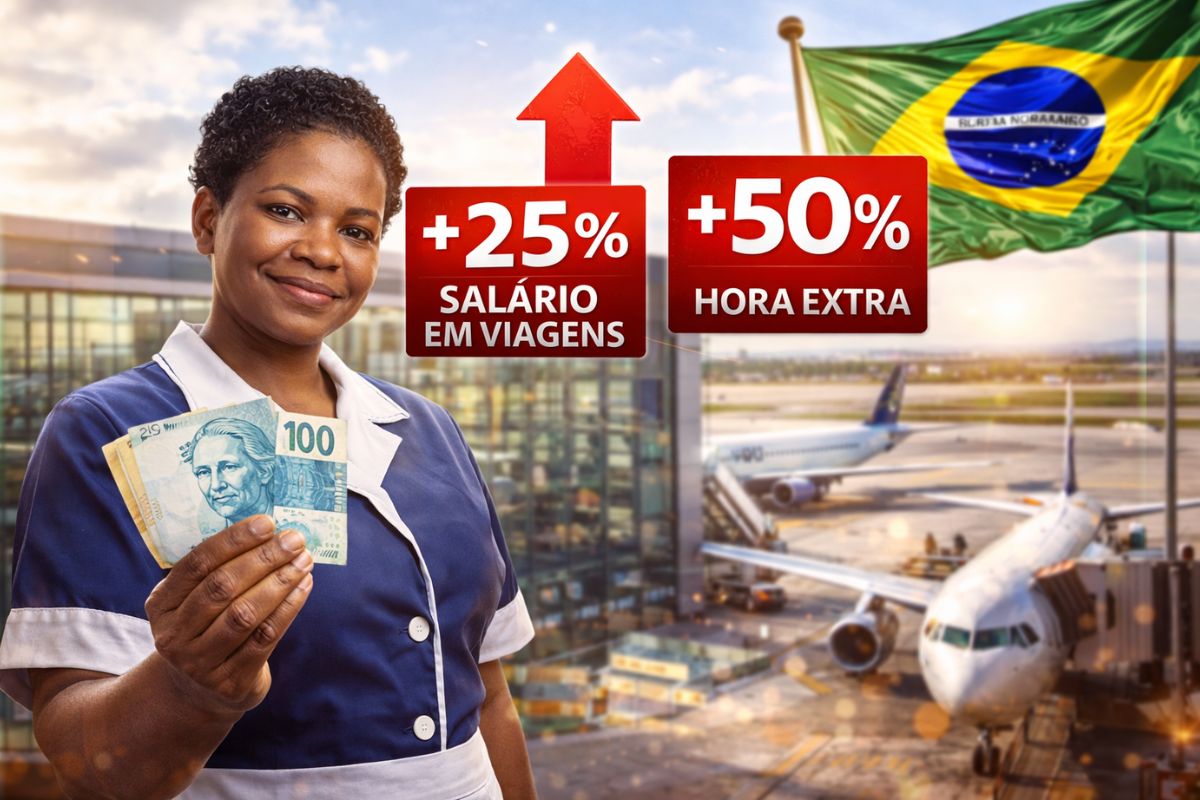
Many employers do not know, but the law guarantees domestic workers a 25% increase in salary during trips, 50% for overtime, 20% for night shifts, and 17 additional benefits that can lead to labor lawsuits if not paid.
-
Gasoline prices soar and the question arises: is ethanol more advantageous? The 70% rule reveals the limit with gasoline.


According to the editorial, the privatization program that Brazil implemented over more than three decades managed to break taboos and prejudices, confronting the catastrophic predictions that emerged over time.
In the 1980s, the country found itself obliged to reform the State, which was inefficient and concentrated wealth. It seemed impossible at that time to consider selling giants such as Embraer, Vale, telecommunications and electricity sectors, and the vast network of state banks.
The Trajectory of Privatizations in Brazil
According to Folha, all these sales were conducted successfully, defying the logic that such activities and public services were “at the mercy of the inefficiency of public management and the political conveniences of the governments in power.” Today, the idea that these areas could remain under state control seems almost inconceivable, according to the editorial.
The leftist government itself, which has historically opposed the alienation of companies, “recognized the advantages of granting concessions for roads, railways, ports, and airports,” as stated in the editorial.
Promises of re-nationalization have been put aside, and even societal resistances have begun to dissipate. A Datafolha survey from last year showed that favorable opinions regarding privatizations already carried out or in progress outweigh the opposing ones.
The Current Scenario of State-Owned Enterprises in Brazil
Nonetheless, the editorial highlights that 123 companies still remain under direct or indirect control of the National Treasury, making it difficult to justify this condition, perhaps except for Embrapa, which conducts agricultural research of public interest.
Among these state-owned enterprises, three giants – Petrobras, Banco do Brasil, and Caixa Econômica Federal – stand out, gathering around them 75 subsidiaries in Brazil and abroad, representing almost two-thirds of the universe of federal state-owned enterprises.
Public Interest or Political Interests?
This “apparatus is costly to maintain under the State’s command, mainly due to political and union interests,” according to Folha de S. Paulo.
The publication argues that nationalist and strategic pretexts are often invoked to justify maintaining state control, but in reality, these arguments serve to preserve “the power to allocate positions, distribute favors, and finance dubious return projects, not to mention issues of integrity.”
Petrobras and Caixa, in particular, are frequently mentioned in news about political apparatus and mismanagement. Despite recent legislative adjustments that have brought some improvements in governance, these companies remain “under pressure from reactionary and interventionist forces on both the left and right, subject to setbacks,” according to the editorial.
The Future of Privatization in Brazil
For Folha de S. Paulo, the privatization of these state giants must be carried out carefully, with models that encourage competition and regulation that protects consumer interests.
The publication emphasizes that there is still a long way to go, involving both convincing the population and leveraging the knowledge gained over the years.
“There is a convincing work to be done and a long process of knowledge to be utilized,” concludes the editorial, suggesting that the Lula government should seriously consider this proposal as part of its economic agenda.
The Big Question: Is Brazil Ready to Privatize Its Largest State-Owned Enterprises?
The editorial of Folha de S. Paulo raises a provocative question that deserves a deep debate: Is Brazil prepared to privatize its largest state-owned enterprises? What would be the impact on the economy and the lives of Brazilians? Share your opinion in the comments!









Representantes de uma minoria do povo brasileiro, uma minoria que só usurpa nossos recursos e não está nem aí para a nação, a folha deveria ser fechada pois não representa um jornalismo sério e isento.
*123 empresas custosamente custeadas pelo Estado” alguém da Folha não sabe pesquisar ou vendeu este editorial. Dados reais: As estatais brasileiras tiveram lucros somados de R$ 197 bi em 2023, dos quais R$ 49 bi foram para a União na forma de dividendos e participações. Petrobras, BB e Caixa foram responsáveis por R$ 170 bi desse lucro, e é justamente sobre estas três que a
@folha
, em seu editorial de capa, escancara a cobiça privatista no editorial desavergonhado deste domingo.
Diante desses números, dizer que o conjunto das estatais seria “custosamente mantido” pelo Estado é mentira grosseira. Afirmar que as privatizações feitas pelos governos neoliberais foram “bem-sucedidas”, diante de descalabros com o serviço de energia de São Paulo ou de escândalos como o subfaturamento da Vale e da Eletrobrás é menosprezar o bom-senso.
O entreguismo da Folha evidencia que o jornal está a serviço de poderosos interesses, mas não do Brasil
Utilizei a resposta da Gleisi Hoffmann, por considerar simples, direta e assertiva. Quem quiser comprovar, basta ver os dividendos pagos, mas tá claro que os empresários querem que os 36 bilhões pagos ao governo na forma de dividendos va para seus pequeninos bolsos. Eles querem mais e mais. Editorial comprado. Mídia parcial. Uma vergonha.