





 Portuguese
  English
  Spanish
  4 min of reading
  0 comments


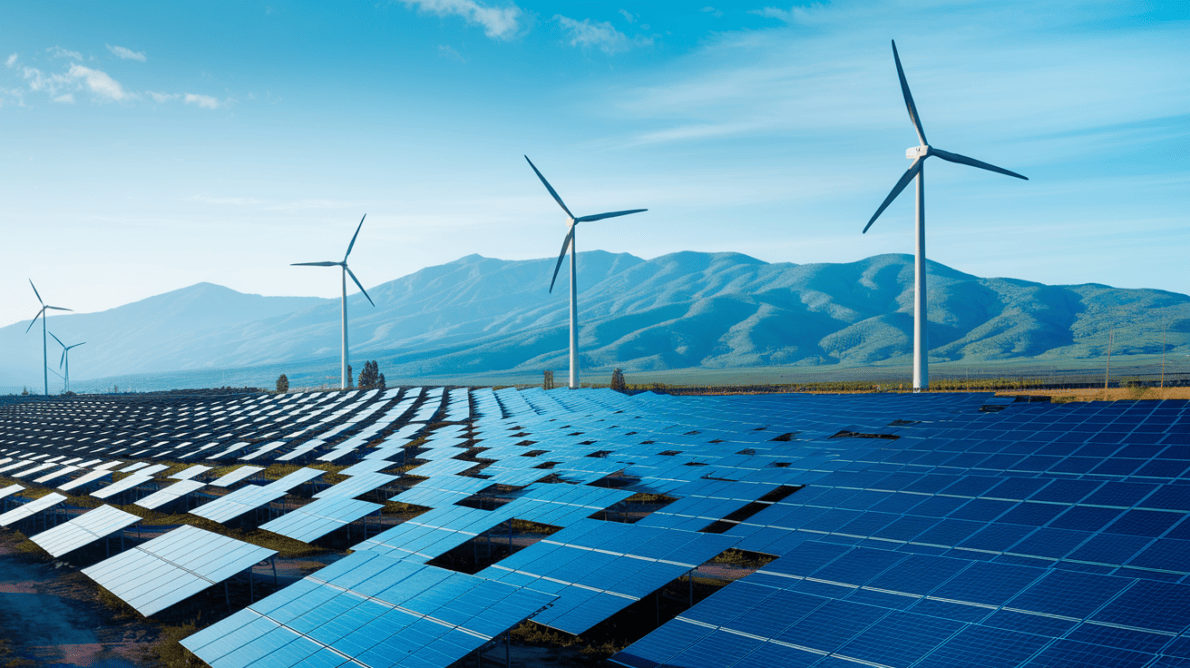
Renewable Sources and Nuclear Energy Surpass 40% of Global Electricity Generation, Driven by the Growth of Solar and Wind, According to Ember Report.
The use of renewable energy, such as solar and wind energy, made significant advances in 2024. For the first time in decades, clean sources—combined with nuclear energy—accounted for more than 40% of all electricity generated worldwide. The data comes from the Global Electricity Review 2024, a report released by the international organization Ember, which tracks the transformation of the global electricity matrix.
The study analyzed production and consumption data in 88 countries, covering 93% of global demand. The share of renewable energy has grown considerably, highlighting the accelerated expansion of solar and wind energy, which have been gaining ground year after year.
Solar Energy Leads Global Growth
Solar energy maintained its position in 2024 as the fastest-growing source of electricity on the planet. According to the survey, global solar energy production increased by 29% compared to the previous year, which represents an additional 474 TWh. With this advance, the source came to account for 6.9% of total electricity generation worldwide.
-
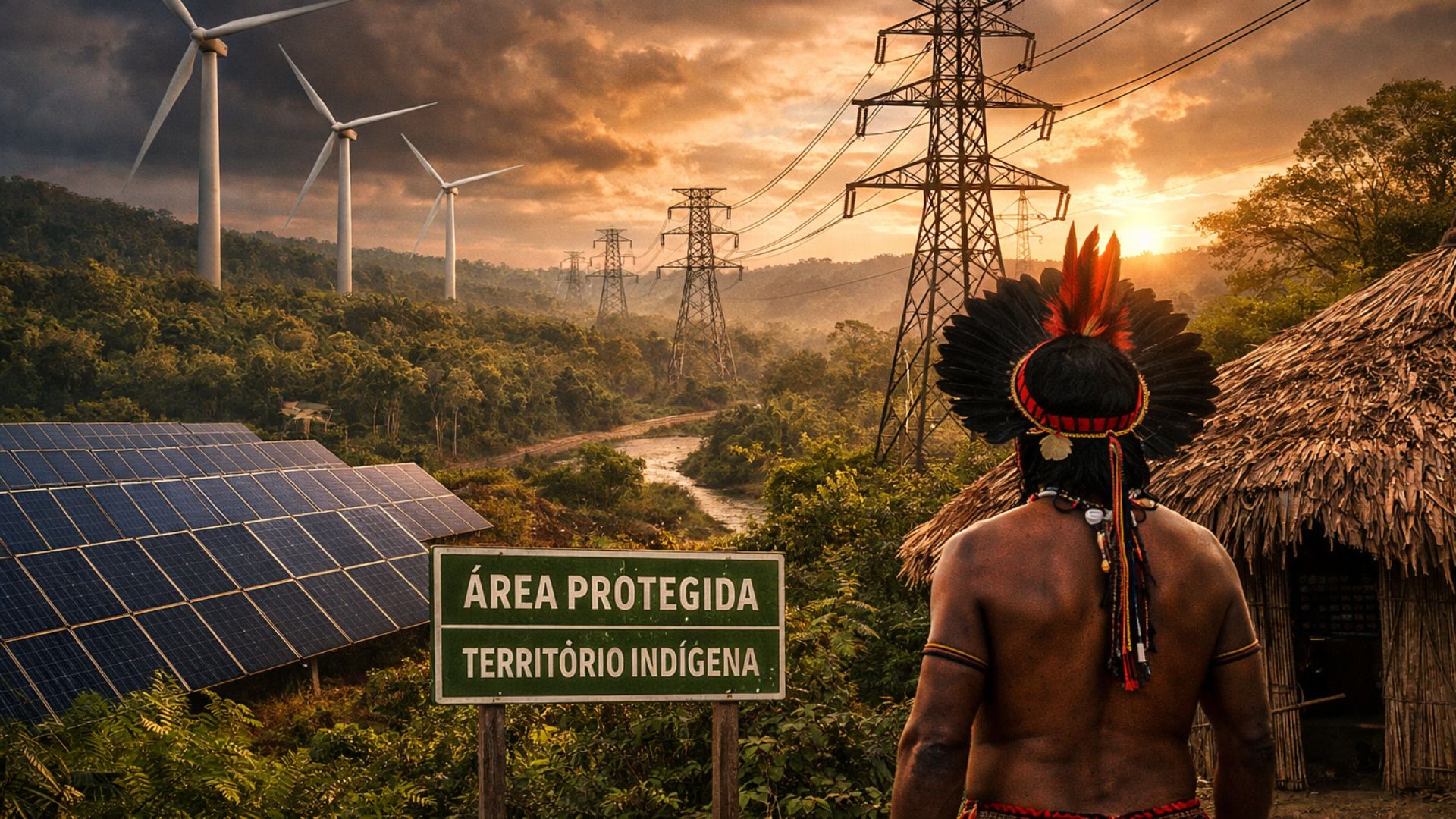
Renewable energy advances over protected areas in Brazil, and a survey by the Energy Transition Observatory reveals silent impacts that challenge environmental conservation and pressure sensitive traditional territories.
-
Rio Grande do Sul accelerates energy transition: State invests in renewable technologies and consolidates decarbonization strategies and pathways to attract billions in new industrial investments.

-
With 160,000 m² of collectors, an area larger than 20 football fields, Silkeborg, in Denmark, hosts a solar thermal plant that heats 19,500 homes and could become the largest solar heating plant in the world.

-
A study reveals the expansion of renewable energy procurement in Brazil and shows how companies are taking advantage of opportunities to reduce expenses, ensure energy efficiency, and strengthen strategic environmental commitments.


The growth has been continuous for more than two decades. In just the last three years, solar generation has doubled, exceeding the mark of 2,000 TWh. This performance is primarily attributed to the decrease in the cost of photovoltaic systems, the expansion of distributed generation, and support from public policies in various countries.


Wind Energy Continues Expansion and Reaches 8.1% of the Matrix
Another highlight in the global scenario is wind energy, which advanced and reached 8.1% of global electricity generation in 2024. This source, which relies on the force of the winds, has been widely used in both onshore and offshore projects in countries such as China, the United States, Germany, and the United Kingdom.
Wind energy stands out for its ability to generate large volumes of electricity steadily in regions with constant winds. It complements solar energy as a central part of the energy diversification strategies adopted in various countries.
Renewable Energy Production Grew Nearly 50% Since 2022
Between 2022 and 2024, global renewable energy production grew by 49%, reaching a total of 858 TWh additional. The growth is significant and shows how the transition to low-carbon sources is advancing. However, the report also warns that this progress needs to be maintained in the coming years to balance the increase in energy demand.
Even with the advancement of renewables, fossil fuel use still rose by 1.4% in 2024. This increase was driven in part by higher than average temperatures, which elevated the use of cooling systems. Global warming accounted for 0.7% of the total 4% growth in electricity demand.
Extreme Weather and New Technologies Expand Consumption
The study shows that, in addition to climate effects, the growth in energy consumption is also linked to the popularization of new technologies. The expansion of data centers, artificial intelligence, electric vehicles, and heat pumps contributed to 0.7% of the global demand increase in 2024—the double of what was recorded five years ago.
Nonetheless, without the impacts of extreme weather, the use of fossil sources would have grown by only 0.2%, as renewable energies met 96% of the new global demand. This reinforces the role of these sources in curbing emissions and stabilizing the electricity system.
China and India Drive the Advancement of Renewable Energy
More than half of the growth of solar energy worldwide in 2024 occurred in China. The Asian country met 81% of the new domestic demand with clean sources, according to the report. India also played a significant role, doubling its solar capacity in just one year.
These data position both countries as protagonists in redefining the global electricity sector. According to experts cited in the report, Asian leadership is accelerating the replacement of fossil sources with more sustainable alternatives.
Energy Transition Could Gain Momentum by 2030
Ember’s expectation is that solar and wind energy production will continue to grow above demand until 2030, which would create space for a continuous reduction in the use of coal and natural gas. The projection is that, if the current investment pace is maintained, the world could begin a definitive decline in emissions from the electricity sector within this decade.
The combination of renewable sources with storage systems, such as batteries, is also expected to gain prominence in the coming years, enhancing the security and stability of supply.
Source: InsideEVs










Seja o primeiro a reagir!