





 English
  Francês
  Alemão
  Italiano
  Japonês
  Norueguês
  Portuguese
  Spanish
  5 min of reading
  0 comments


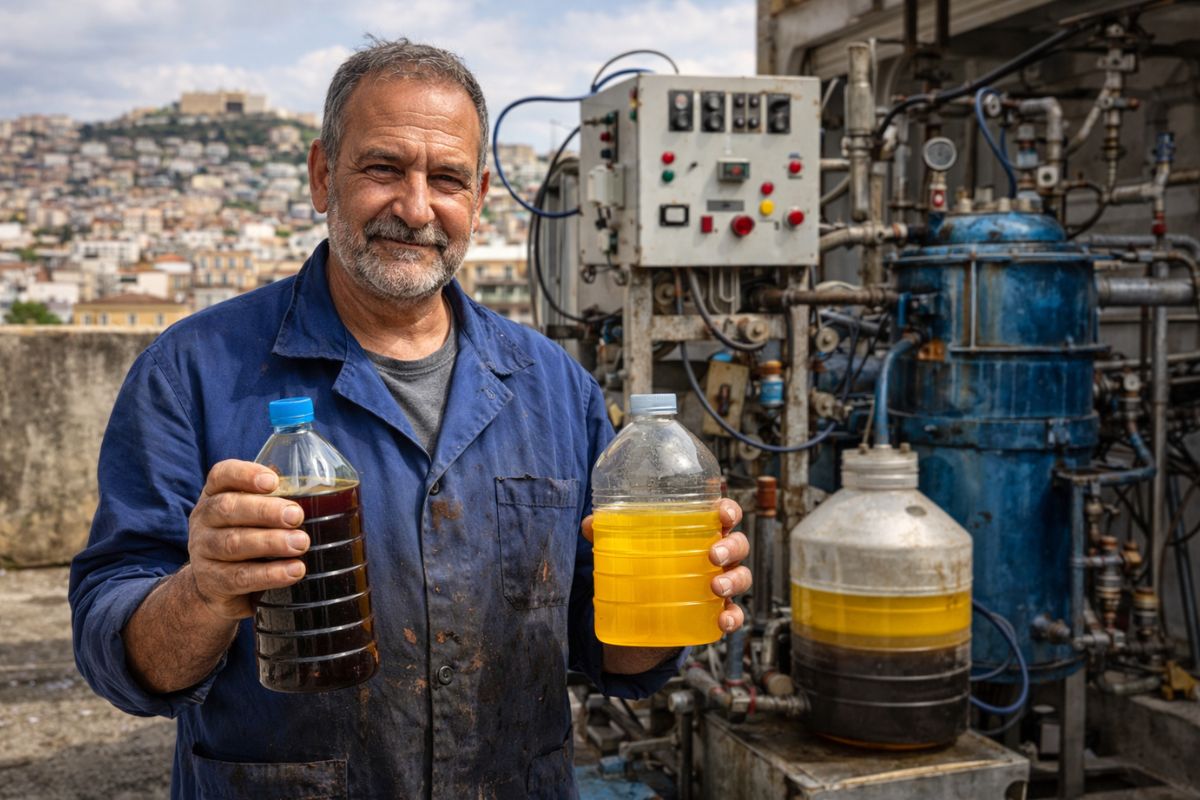
Francisco, a resident of Ceuta, has been producing his own diesel fuel for two decades using cooking oil discarded by local bars. With a handmade machine made from recycled parts, he transforms waste into functional diesel and fuels his car without relying on gas stations.
While the world complains about fuel prices, a man in Ceuta, an autonomous Spanish city in North Africa, has been producing his own diesel for 20 years using cooking oil discarded by bars. Francisco, known as Paco, built a handmade machine with recycled parts from cars and appliances that transforms used oil into functional fuel to power his car, an old Mercedes 240.
The process, which he developed on his own over years of experimentation, involves filtration, the addition of chemicals, and a mechanical pumping and purification system. The fuel produced by Paco is essentially a homemade biodiesel that works in older diesel engines equipped with mechanical fuel pumps. The story went viral on social media and reignited the debate about alternatives to conventional diesel in times of high fuel prices.
How Paco transforms cooking oil into diesel fuel

The fuel production process of Paco starts at the bars of Ceuta. He maintains an informal agreement with establishments in the city: he brings clean tablecloths and, in exchange, receives the used cooking oil that would be discarded. This oil, residual from frying food, is the raw material that fuels the entire operation.
-
The problem has never been the steel, never been the engineering, and never been the safety: the grain silo house that heats itself is blocked by aesthetic laws, banks that don’t know how to evaluate it, and insurers that can’t price it.

-
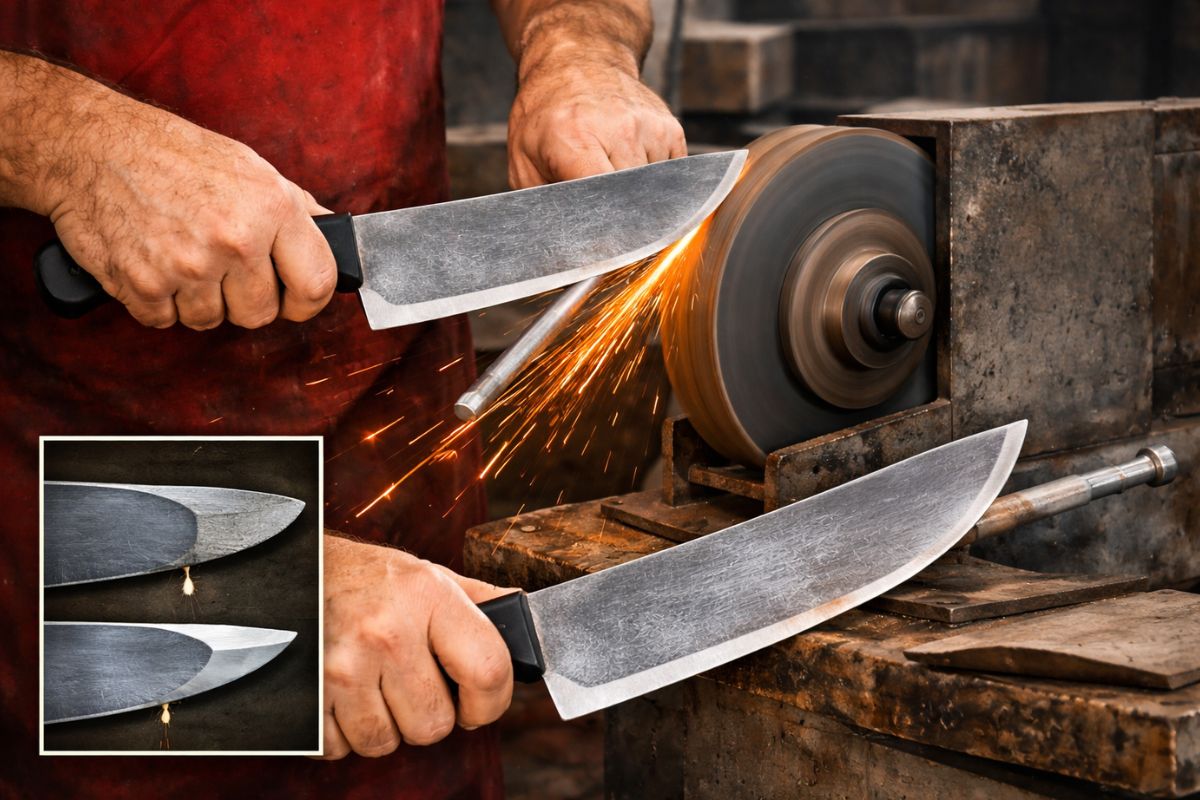
Every butcher asks to have the knife sharpened as soon as they buy it, and this process that changes the geometry of the blade is the real reason why that white-handled knife cuts so well all day long without losing its edge.
-
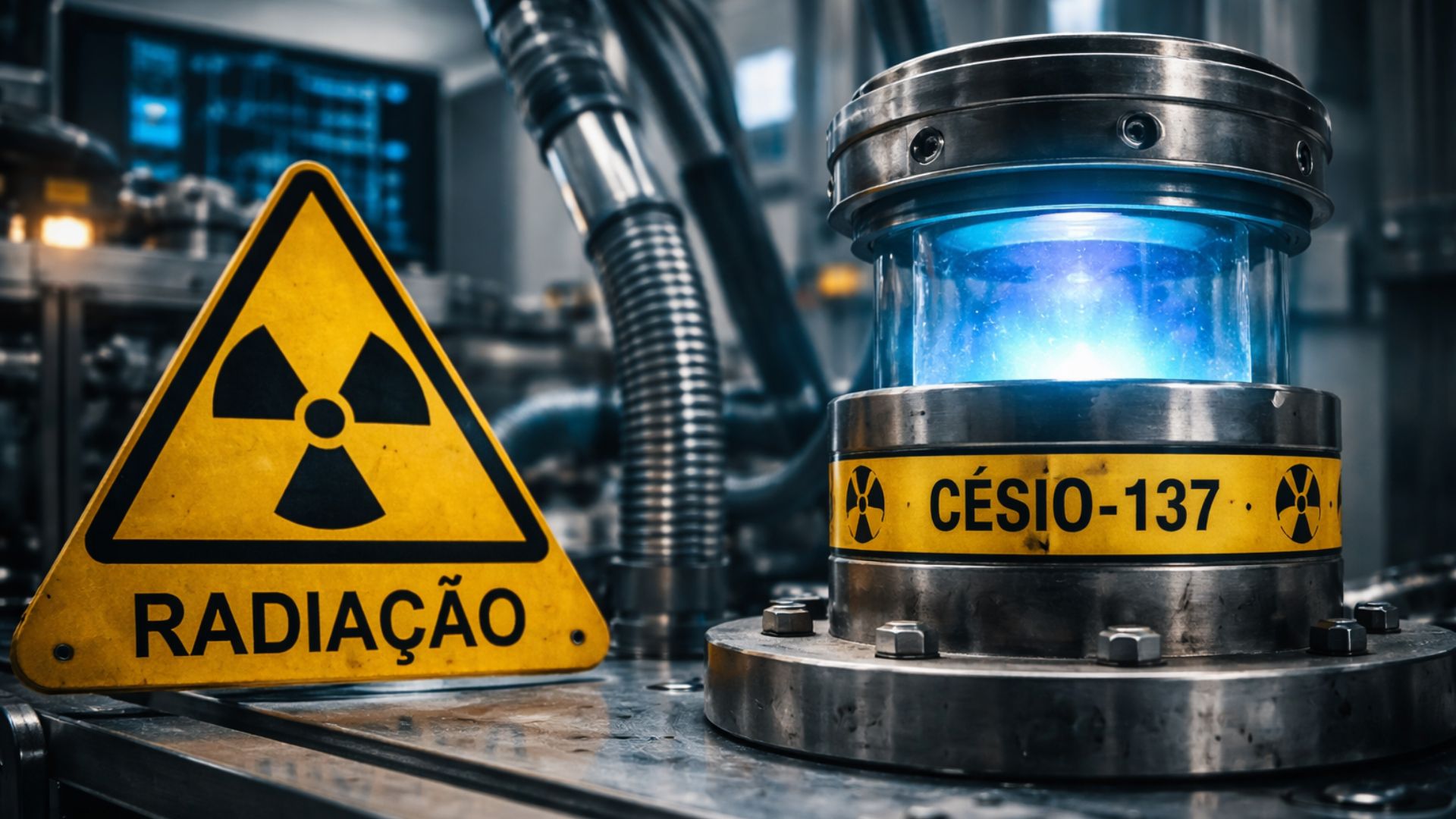
You may be closer to Cesium-137 than you think: discover equipment that uses the element, where radiation brings real benefits, and how to avoid serious contamination risks.
-
A Canadian sculptor spent two years handcrafting a life-sized Game of Thrones dragon, standing 12 meters tall, weighing 6,800 kilograms of stainless steel, and featuring a system that breathes real fire from its mouth.



Back in his workshop, Paco filters the oil to remove solid residues such as food scraps and impurities.
Next, he adds chemicals that react with the oil and alter its viscosity, making it more fluid and suitable for use as fuel in diesel engines. The material rests for two to three months so that the residues settle at the bottom of the container, and only then is it processed in the machine.
The handmade machine that produces fuel from scrap

The machine that Paco built to produce fuel is entirely handmade, assembled with recycled parts from cars and appliances. The main motor came from a washing machine and is responsible for pumping the processed oil through recycled automotive filters.

The system includes mechanical circuits, relays, contactors, and a float that automatically interrupts the process when the fuel container is full.
Paco insists on keeping everything mechanical, without electronic components. According to him, electronics break easily and are not reliable for an operation that needs to function with simplicity and durability.
The machine is compact due to space limitations, but involves multiple stages of filtration and purification that transform raw oil into fuel ready for use in the car’s tank.
For which cars does homemade fuel work
The fuel produced by Paco works best in older diesel vehicles, especially those equipped with inline mechanical fuel pumps.
The Mercedes 240 he uses is a classic example: robust engines, tolerant of variations in diesel quality, and designed before the era of high-precision electronic injection systems.
In more modern cars, with electronic injection systems and particulate filters, using this type of homemade fuel can cause problems. Clogs in the filters, deposits in the injectors, and damage to the fuel system are real risks when the fuel does not meet the technical specifications required by manufacturers.
Paco acknowledges that the process requires constant maintenance, such as frequent cleaning of the vehicle’s filters, but for him, the almost zero cost compensates for the extra work.
What motivated Paco to produce his own fuel
Paco’s motivation to produce fuel is straightforward: necessity. Without formal employment and a fixed income, he found in recycling used oil a way to keep his car running without depending on the prices charged at gas stations. According to him, conventional fuel is very expensive, and without money, the alternative was to create his own diesel.
The technical knowledge came from the experience accumulated over decades dismantling machines, cars, and equipment in a junkyard that belonged to his family.
Paco learned mechanics and electricity practically, observing the internal workings of engines and devices, and applied this knowledge in building the fuel production machine. He claims to have documentation on the process and the chemicals used, and says he is open to collaborations if anyone wants to validate or improve his technique.
The debate about homemade biodiesel and fuel prices
Paco’s story reignites a discussion that gains momentum every time fuel prices rise: is it possible to produce diesel from used oil?
From a technical standpoint, yes. Biodiesel is a recognized fuel used on a large scale worldwide, produced industrially from vegetable oils and animal fats through a chemical process called transesterification.
What Paco does in his workshop in Ceuta is a handmade and simplified version of this process. The difference is that industrial biodiesel production follows strict quality standards, emission control, and regulation, while homemade fuel operates outside these benchmarks.
In many countries, producing and using fuel without certification is illegal or subject to restrictions. Still, Paco’s experience shows that, with practical knowledge and creativity, it is possible to transform waste into functional energy.
For 20 years, Francisco has been producing his own fuel in Ceuta using cooking oil discarded by bars and a handmade machine built with recycled parts.
The story is a portrait of ingenuity in times of expensive fuel and shows that alternative solutions exist, even if outside conventional industrial and regulatory standards.
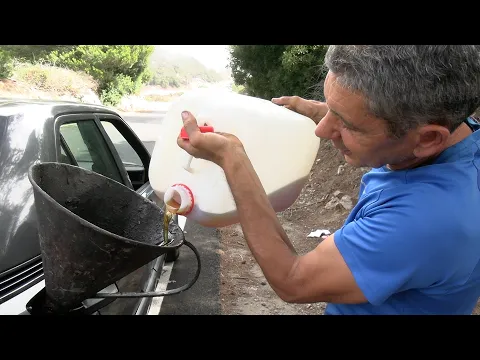

With information from the local reporting channel FaroTV Ceuta.
What do you think of Paco’s initiative? Do you believe that homemade fuel production from used oil should be encouraged or regulated? Leave your opinion in the comments and share with those interested in energy alternatives and recycling.









Seja o primeiro a reagir!