





 Portuguese
  English
  Spanish
  2 min of reading
  0 comments


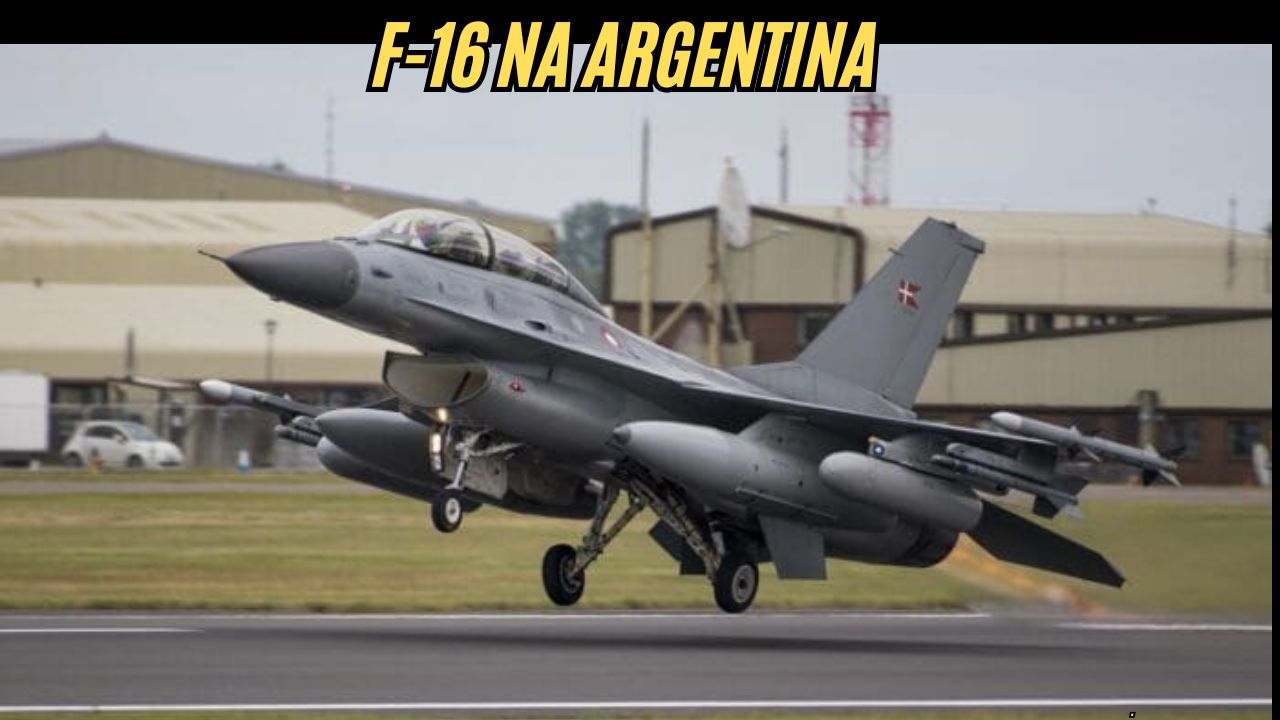
The Argentine Air Force Celebrates An Important Milestone In Its History With The Arrival Of The First F-16 Fighter. This Acquisition Not Only Symbolizes The Advancement Of National Defense, But Also The Resumption Of Supersonic Capacity, A Long-Awaited Achievement.
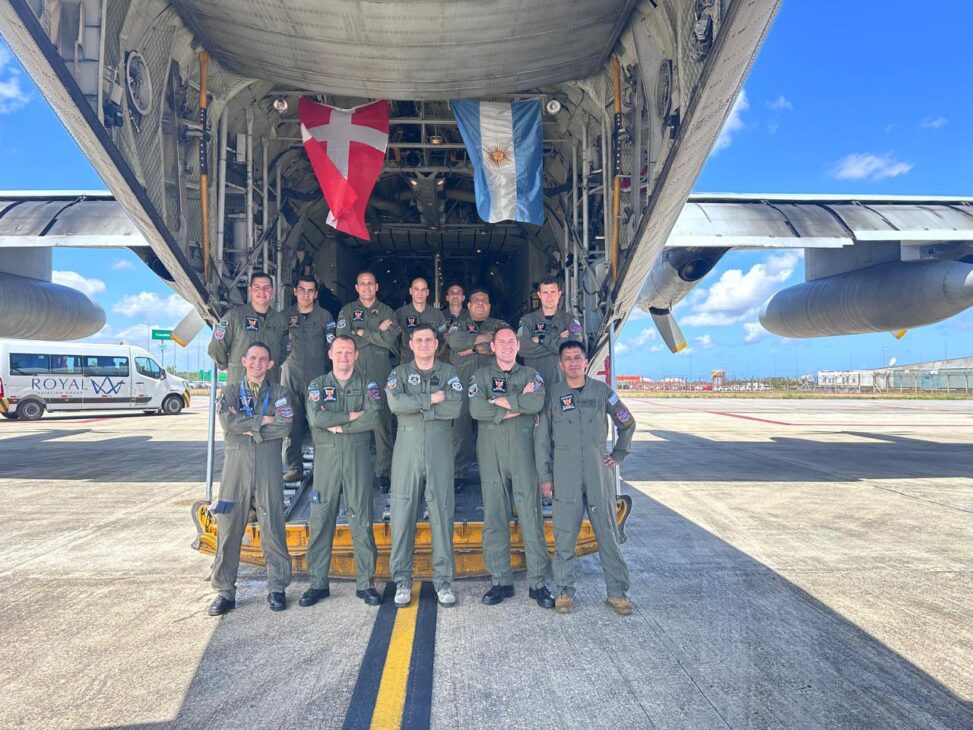
The first F-16 fighter jet destined for the Argentine Air Force is already in transit. The aircraft, an F-16B Fighting Falcon Block 10 model, is being transported from Aalborg, Denmark, on a Lockheed C-130 Hercules plane. Today, part of the fighter, including the engine, was loaded onto the C-130H registration TC-66, while the remainder will follow on the KC-130H TC-69, which is already en route to the European country.
Although this first F-16 is not capable of flying and is intended solely for ground training, it represents a crucial step for the modernization of the Argentine Air Force. The aircraft will be transported to the VI Air Brigade in Tandil, where it will be officially presented early next year.
Preparing The Ground
The F-16 is recognized worldwide for its versatility and maneuverability. Even though, in this case, the model is not operational, it will be a valuable tool for training teams and pilots, preparing the ground for possible future acquisitions of fully operational models.
-
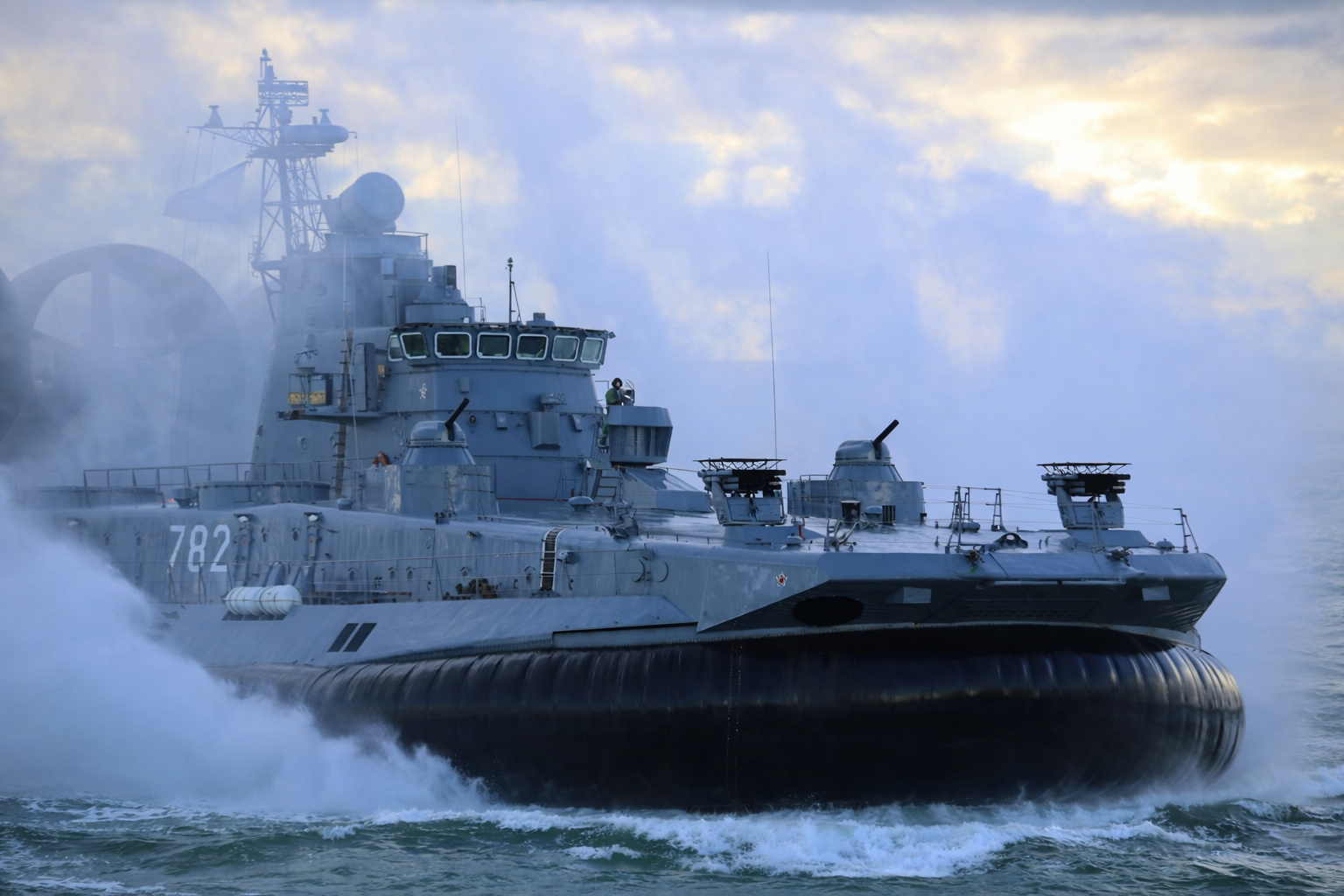
Classified as a “amphibious monster” weighing 555 tons, 57 meters long, and featuring three propellers with a diameter of 5.5 meters, the Zubr is the largest military hovercraft ever built, capable of transporting 3 tanks or 500 soldiers at speeds exceeding 100 km/h over water, ice, and sand, and China has resumed production of it to project power in the South China Sea.
-
The U.S. Army receives the first Black Hawk helicopter that can fly without pilots, be controlled by a tablet, and even land on its own during high-risk missions.

-
With 11,000 tons and sensors capable of hunting submarines at long distances, the Type 055 has become one of the most feared floating arsenals of the Chinese navy.

-
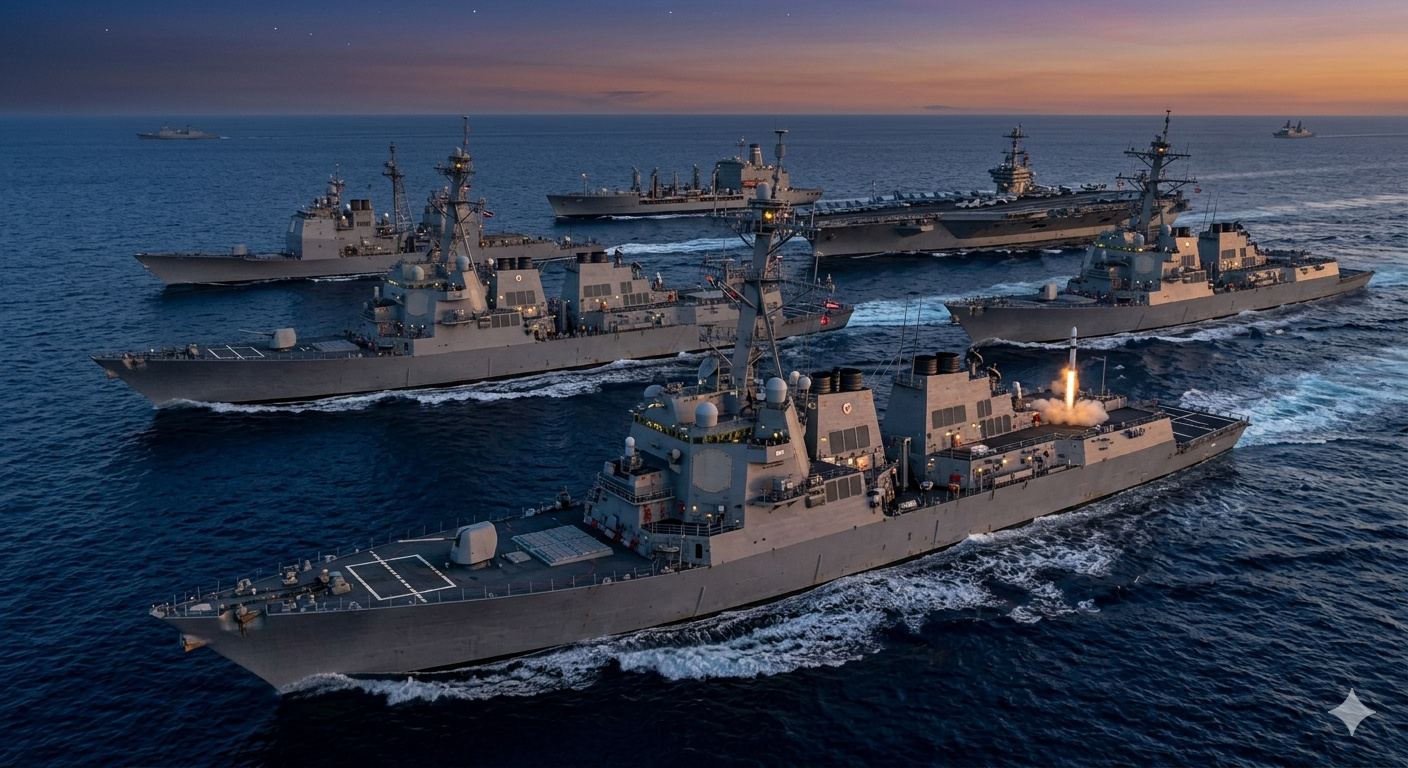
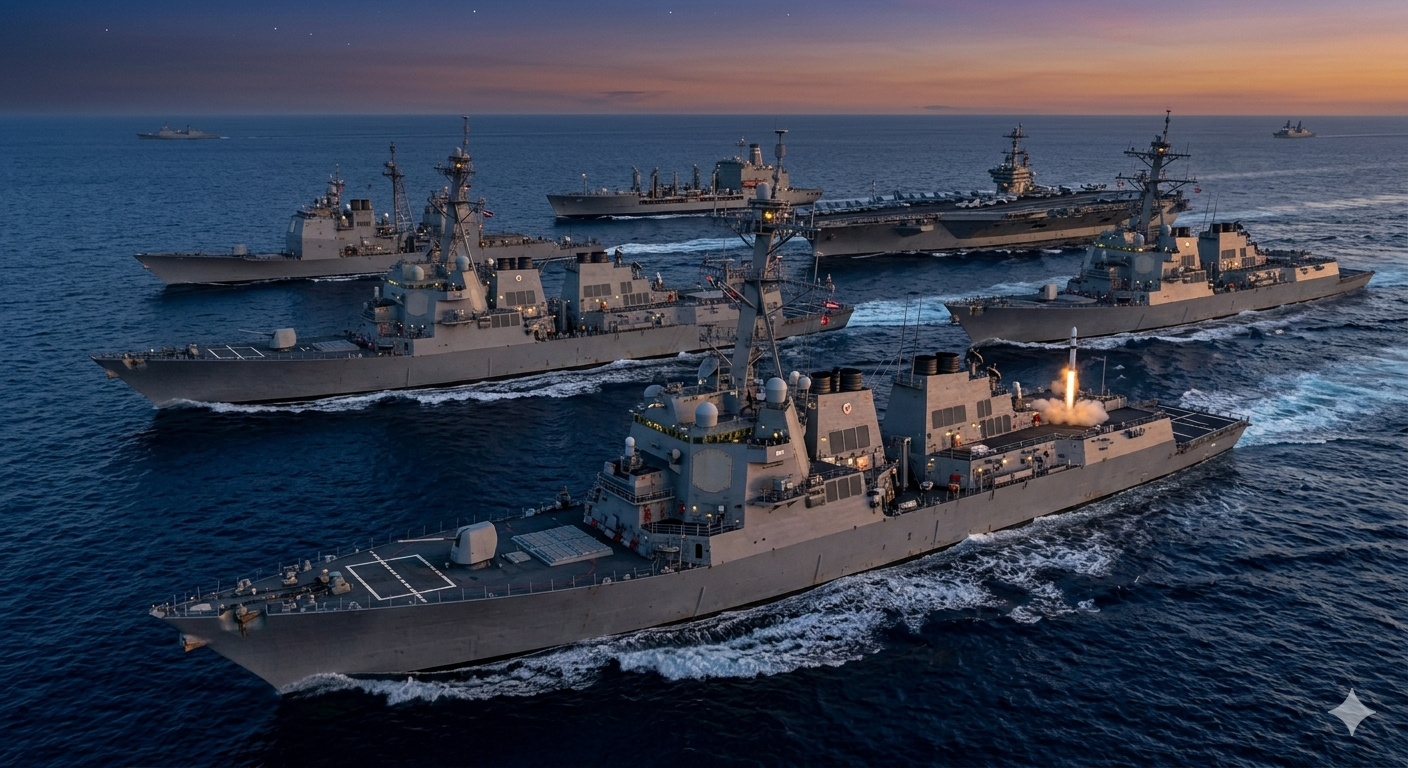
With over 15,000 tons, radars capable of tracking hundreds of targets simultaneously, and more than 120 missiles ready for launch in seconds, modern destroyers cease to be escorts and begin to dominate the naval battlefield.

This move marks the resumption of the Argentine Air Force’s supersonic capability, which has been dormant for years. Experts point out that the return of this capability highlights the importance of technological upgrades in national defense.
The arrival of the F-16 is a symbol of progress and hope for the Argentine Air Force, which seeks to consolidate its position as a modern and well-prepared force in the region and in Latin America.









-

Uma pessoa reagiu a isso.