





 Portuguese
  English
  Spanish
  3 min of reading
  0 comments


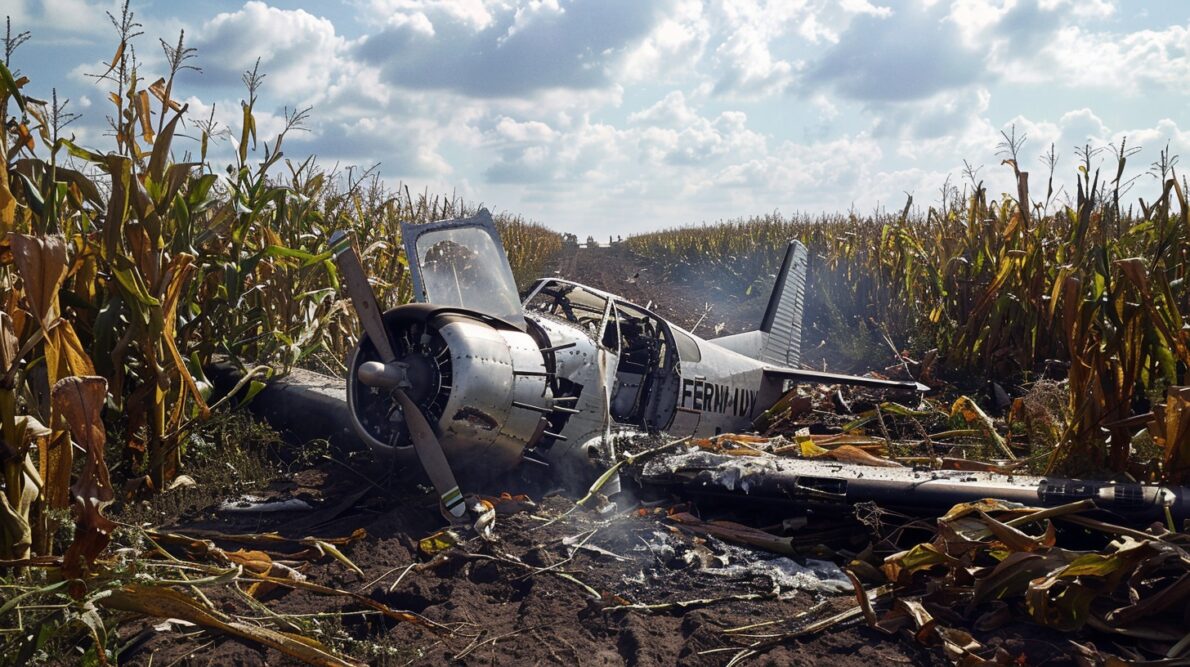
Venezuelan Air Force Shoots Down Brazilian Plane; Man Found Dead in Aircraft. Understand the Reasons for the Shoot-down and the Official Statement from the Country Regarding the Incident.
The Bolivarian Air Force of Venezuela (FANB) shot down a Brazilian plane that illegally invaded the airspace of the neighboring country. According to information from Venezuelan military sources, the aircraft required the activation of the “Advance Alert Plan,” with coordinated actions on land and in the air. As a result, Venezuela shot down the Brazilian plane and a man was found already dead in the aircraft.
Understand Why the Venezuelan Air Force Shot Down the Brazilian Plane
The military detected on radar the illegal entry of a small plane flying at low altitude, “in flagrant violation of national sovereignty.” The Brazilian plane, still in flight, was declared a hostile target, did not identify itself, turned off the transponder locator, and concealed its identification markings, leading to its interception and aerial shutdown.
According to Domingo Hernández Lárez, Operational Strategic Commander of the Venezuelan Air Force, before shooting down the Brazilian plane, the military attempted to persuade the pilot and instructed a guided landing, but were ignored. The suspicious aircraft also tried to flee from the fighter jets, performed evasive maneuvers, and made a forced landing in a field area in the municipality of Turén, in the state of Portuguesa, northwest of the country.
-
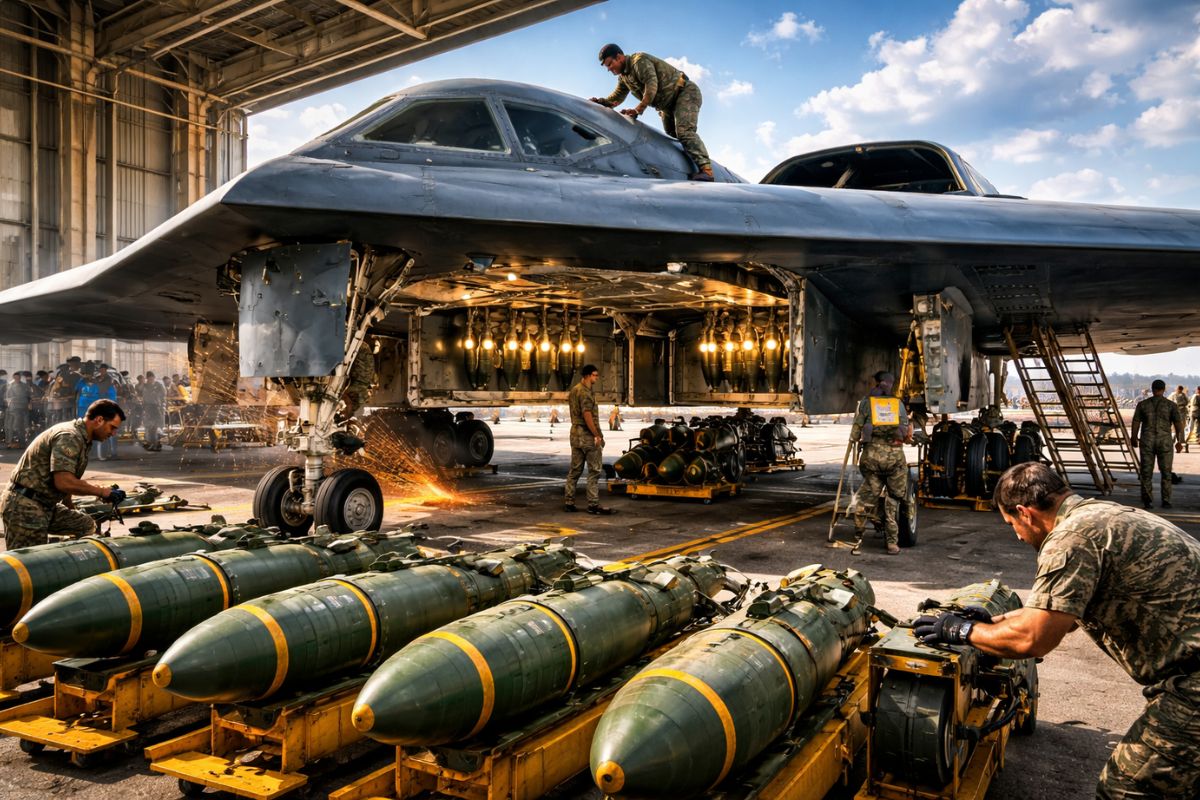
Valued at over $2 billion, the B-2 Spirit bomber requires meticulous inspection, bombs calibrated in a controlled environment, and extreme preparation to disappear from radar and launch attacks with lethal precision.
-
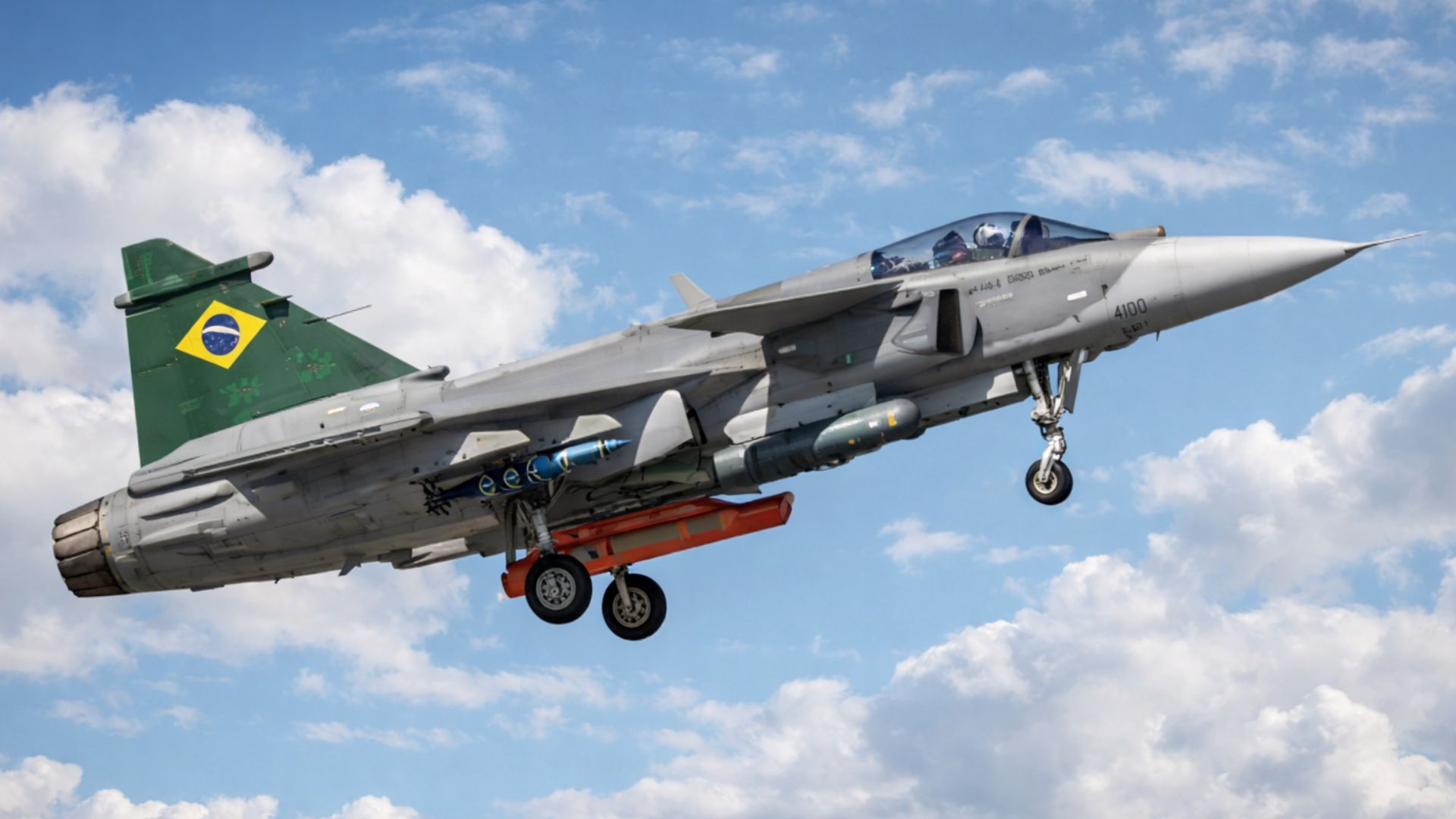
Brazil presents the first national F-39 Gripen fighter and redefines air defense with technological advancement, job creation, and strengthening of the defense industry on the global stage.
-
The construction of the Polar Ship Almirante Saldanha is progressing ahead of schedule and strengthens Brazil’s presence in Antarctica; the vessel will be 93 meters long, have a two-month autonomy, and technology to face ice.

-
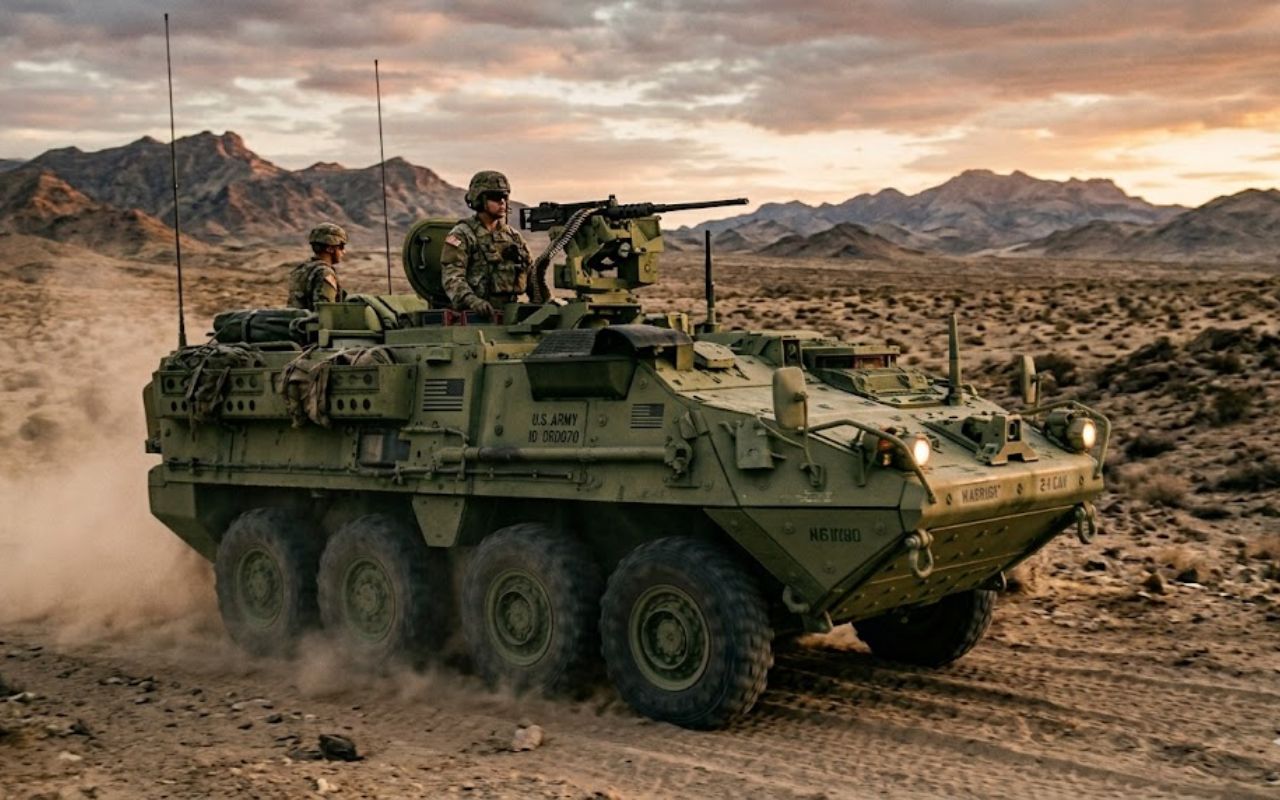
The United States Army has an armored vehicle that reaches speeds of up to 100 km/h, capable of operating normally on different types of terrain and also on asphalt without causing damage; equipped with a 350 hp engine, it can transport up to 9 soldiers — meet the Stryker.

According to Lárez in his post on social media X, formerly Twitter, a crew member was found dead next to the aircraft, along with criminal evidence such as a Mexican passport and a U.S. pilot’s license, in addition to other materials linking the aircraft to drug trafficking.
The Venezuelan Air Force shot down a Piper Seneca 2 Brazilian plane with registration PR-Rp, a common identification among Brazilian aircraft. The practice of using cloned registrations for illicit activities is common among criminal groups.
When Can a Plane Be Shot Down?
Venezuela shot down a Brazilian plane, but the situations that regulate when a plane can be shot down in Brazil are quite specific. We are talking about the downing of aircraft outside of wartime, so these situations do not apply in the event of armed conflict.
Since 1998, the Brazilian Aeronautics Code has provided for the possibility of shooting down aircraft deemed hostile. In 2004, a presidential decree, known as the Shoot-down Law, regulated the situations in which this can occur.
According to national regulations, only aircraft (such as planes and helicopters) that are considered hostile or suspected of trafficking narcotics and related drugs may be shot down. This is due to the fact that they may pose a threat to public safety, but downing is only a last resort.
What Steps Must Be Followed in These Cases?
Before this happens, a protocol is followed by the aviation authorities. Once a suspicious aircraft is identified, the following steps are generally taken:
- Verification: The aircraft is intercepted to confirm its identity and behavior. At this stage, FAB pilots may use radio signals, visual signals, or others to communicate with the target.
- Intervention: Attempts are made for the suspicious aircraft to change its course so that it can land and be checked on the ground by authorities.
- Persuasion: If the pilot still does not cooperate, more intense measures are used to ensure compliance with the orders given by the FAB. For this, warning shots with tracer ammunition, which are more visible to the naked eye, are fired to demonstrate the firepower of the aircraft making the interception.
- Destruction: If none of the previous measures yield results, the aircraft are considered hostile, and their downing is warranted. At this time, shots will be fired to cause damage and prevent the continuation of that flight.









Seja o primeiro a reagir!