





 Portuguese
  English
  Spanish
  4 min of reading
  0 comments


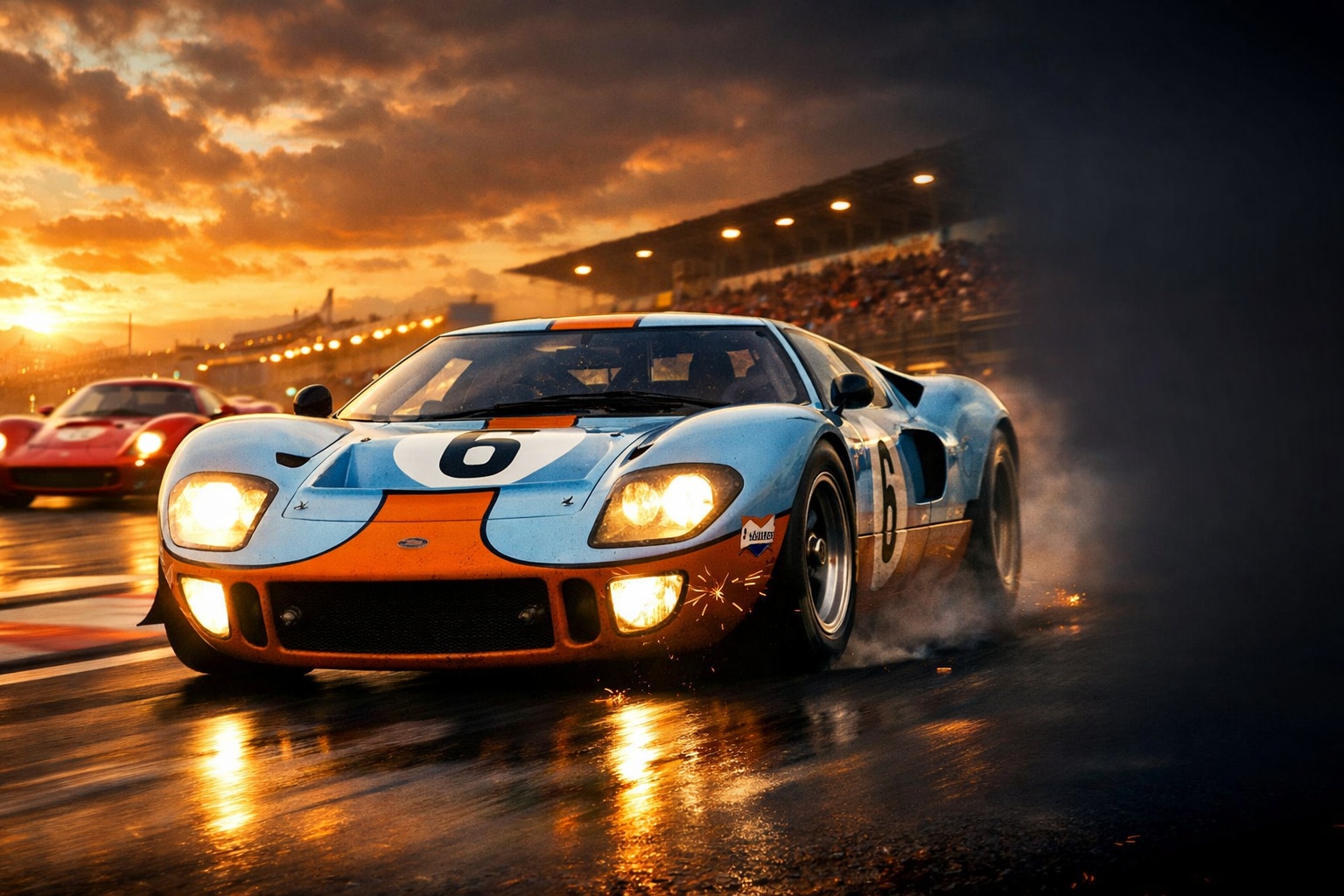
Ford GT40 Was Created to Defeat Ferrari at Le Mans, Won Four Times in a Row Between 1966 and 1969, and Revolutionized Endurance Racing Engineering.
In the early 1960s, Ford decided to go down in history not just as a manufacturer of popular cars, but as a protagonist on the biggest stage of world motorsport. After a failed attempt to buy Ferrari, the American automaker opted for something more aggressive: to beat the Italian Scuderia in the most important race on the planet, the 24 Hours of Le Mans. The answer came in the form of a radical, expensive, and unprecedented project for the American industry. Its name was Ford GT40.
Between 1966 and 1969, the GT40 won Le Mans four consecutive times, ending Ferrari’s dominance and redefining engineering standards in endurance racing.
The Industrial War Between Ford and Ferrari
In 1963, Henry Ford II tried to acquire Ferrari to strengthen his presence in European motorsport. The negotiations progressed, but were canceled by Enzo Ferrari at the last moment. The episode was not just commercial; it became personal.
-
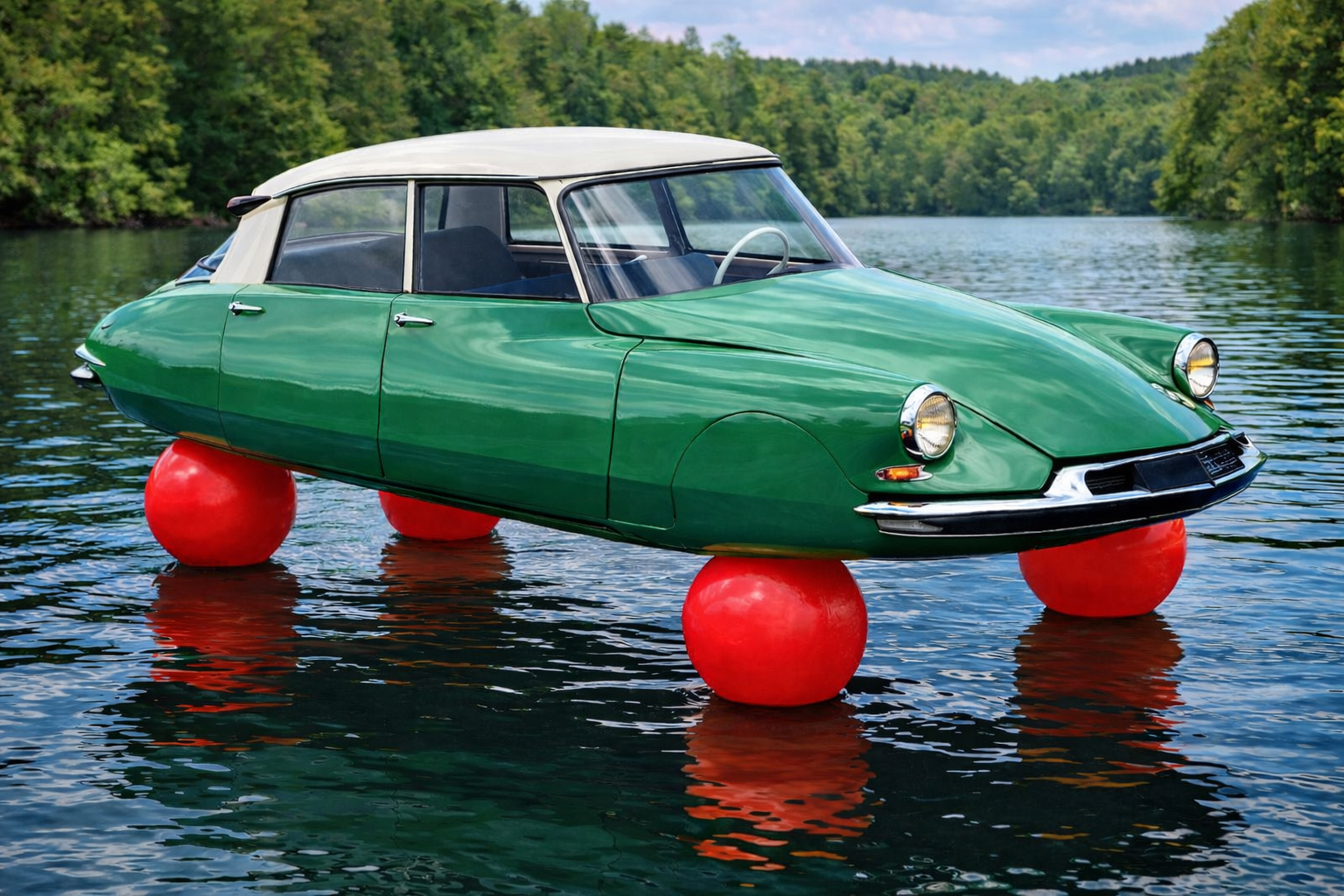
A French brand placed a car on four huge red balloons to prove that its suspension made the vehicle “float,” and the surreal scene became one of the most iconic and unusual images in automotive history.
-
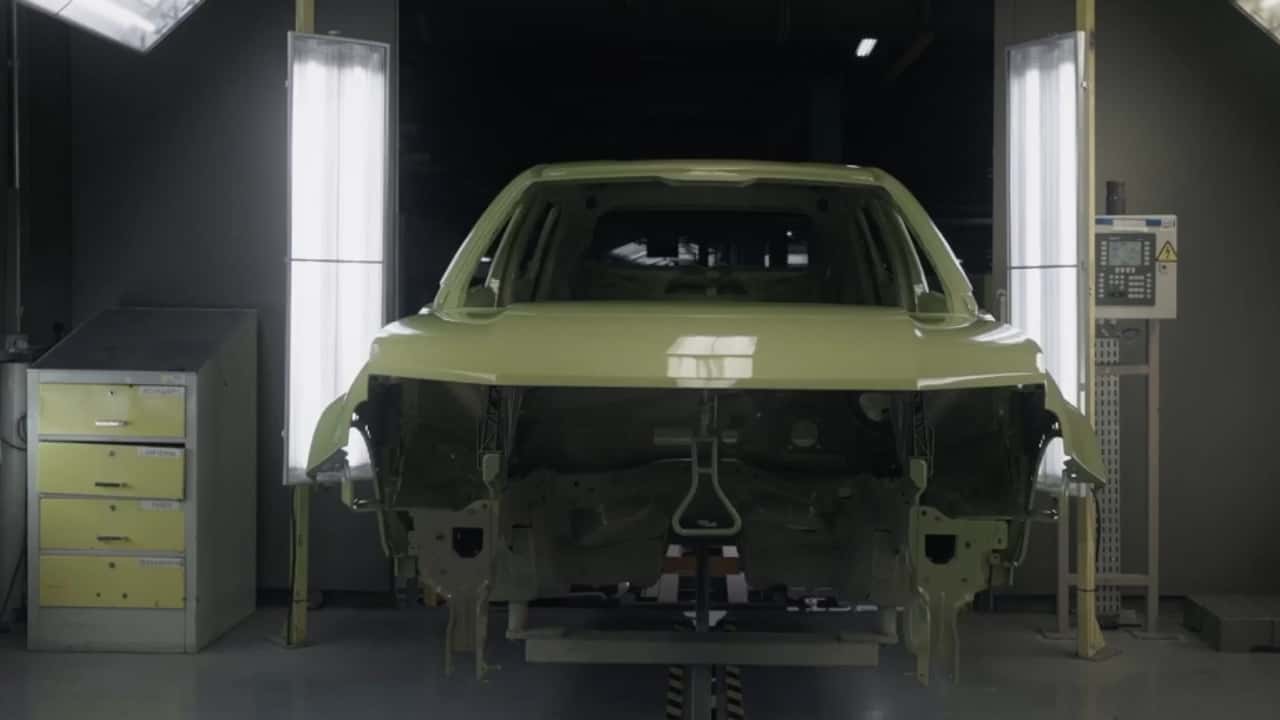
Jeep Avenger begins production in Brazil, debuting as the brand’s new entry-level SUV and inaugurating an unprecedented phase by becoming the first national Jeep manufactured outside of Goiana, as part of a R$ 3 billion plan.
-
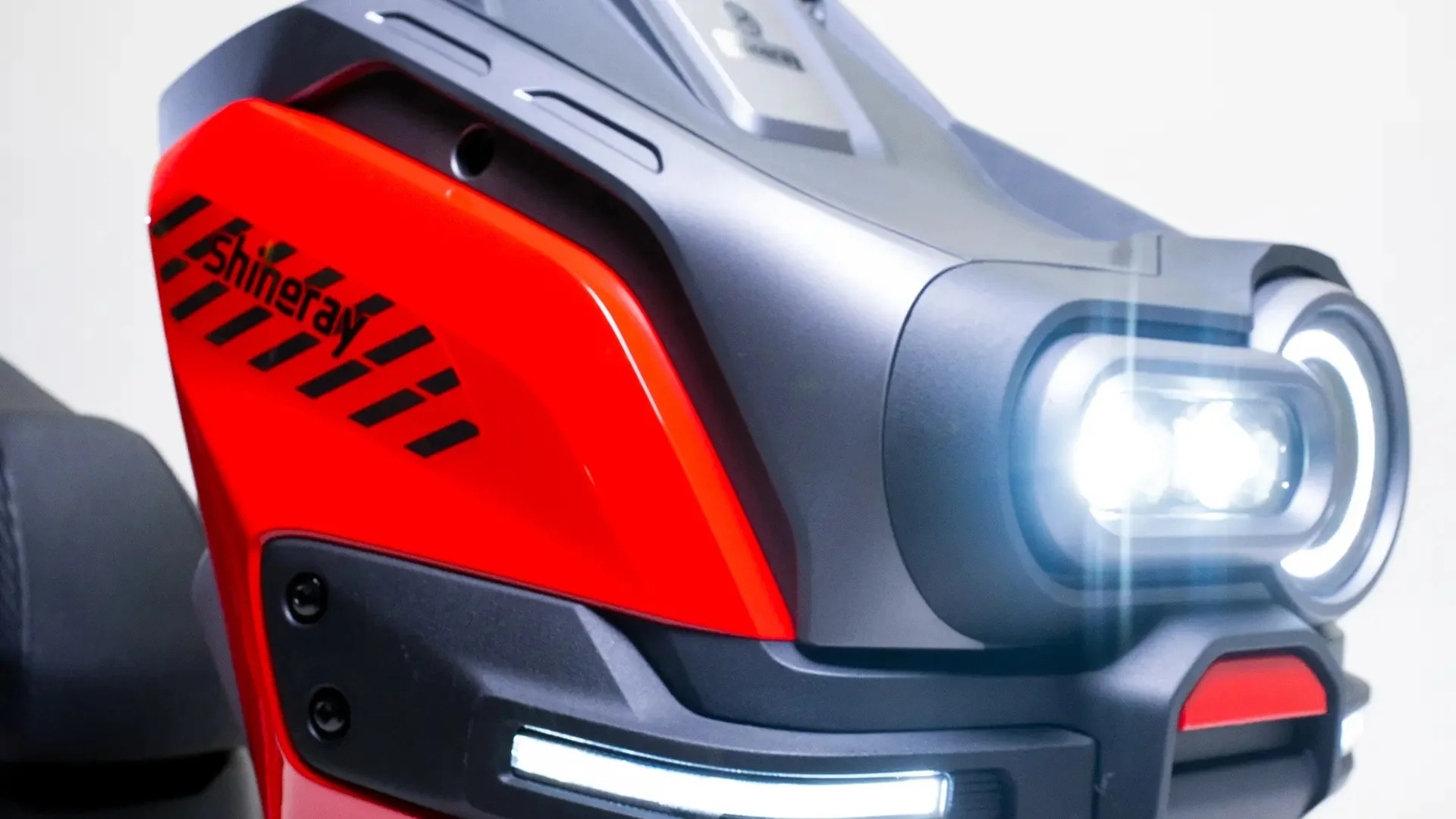
Costing R$ 12,490, the new Shineray Urban Lite 150 “cheap one” arrives in Brazil with a CVT transmission, digital dashboard, and LED lights, making it more affordable than the Biz and targeting those who want to abandon the bus.
-
Ducati brings to Brazil the Superleggera V4 Centenario: 228 hp that become 247 with a track kit, carbon fiber and carbon-ceramic brakes, estimated price between R$ 1.5 and 2 million, deliveries only in 2027.

From then on, Ford decided to invest virtually unlimited resources to create a car capable of beating Ferrari at Le Mans. It was not just about competing. The goal was to defeat Italian dominance on their own territory.
The Birth of the GT40 and the Meaning of the Name
The GT40 got its name from a simple and symbolic technical detail: its height was only 40 inches, about 1.02 meters. It was an extremely low car, with an aerodynamic profile designed for high speeds on the long Mulsanne straight at Le Mans.


The first prototypes emerged in partnership with the British Lola Cars, but faced reliability and stability issues at high speeds. The solution required a complete redesign of the project.
The V8 7.0 Liters: American Power to Face Europe
The turning point came with the use of the V8 7.0 liters engine derived from the Ford 427, originally used in stock car racing in the United States. In the GT40 Mk II, this engine delivered over 480 horsepower, a brutal number for the time.
In endurance racing, power alone is not enough. It was necessary to maintain this performance for 24 uninterrupted hours. This required improvements in:
- cooling
- lubrication
- structural reinforcement
- transmission reliability
The setup had to operate under extreme conditions for hours on end, something that few engines could sustain during that period.
1966: The Victory That Changed Motorsport
After years of testing, failures, and million-dollar investments, Ford finally won the 24 Hours of Le Mans in 1966. The result was historic: the GT40s finished in the top three positions.

It was the first American victory in the race with a car developed specifically to defeat Ferrari. Italian dominance had been broken.
Four Consecutive Victories and Technical Evolution
The success did not stop in 1966. The GT40 won again in 1967, 1968, and 1969, consolidating four consecutive victories. During this period, the car evolved.
The Mk IV, developed entirely in the United States, brought significant aerodynamic and structural improvements. In subsequent editions, versions adapted to the new regulations maintained competitiveness even with displacement limitations.
Endurance engineering began to prioritize:
- balance between power and durability
- aerodynamic efficiency for long straights
- stability at high speeds
- component durability under continuous stress
These concepts became standard in the following decades.
Impact on Endurance Racing Engineering
The GT40 did not just win races. It changed the way automakers approach long-duration events. Until then, many brands treated Le Mans as an extension of conventional sports programs.
Ford showed that winning required:
- heavy industrial investment
- integration between production engineering and competition
- specific development for endurance
- extensive testing on track
This project model influenced future generations of prototypes and supercars.
Legacy and Historical Valuation
Decades later, the GT40 became one of the most valuable race cars in history. Original specimens are sold for tens of millions of dollars at international auctions.
Beyond its financial value, the model remains a symbol of an era where motorsport served as an industrial battlefield between global giants.
The Ford GT40 was born from a business confrontation that turned into a technical war. By winning Le Mans four times in a row, it proved that American power combined with endurance-focused engineering could surpass European tradition.
More than a race car, the GT40 represented a structural change in the way to develop machines for extreme events. Its legacy remains a reference when discussing endurance, reliability, and design aimed at the absolute limit.










-

Uma pessoa reagiu a isso.