





 English
  Francês
  Alemão
  Italiano
  Japonês
  Norueguês
  Portuguese
  Spanish
  5 min of reading
  0 comments


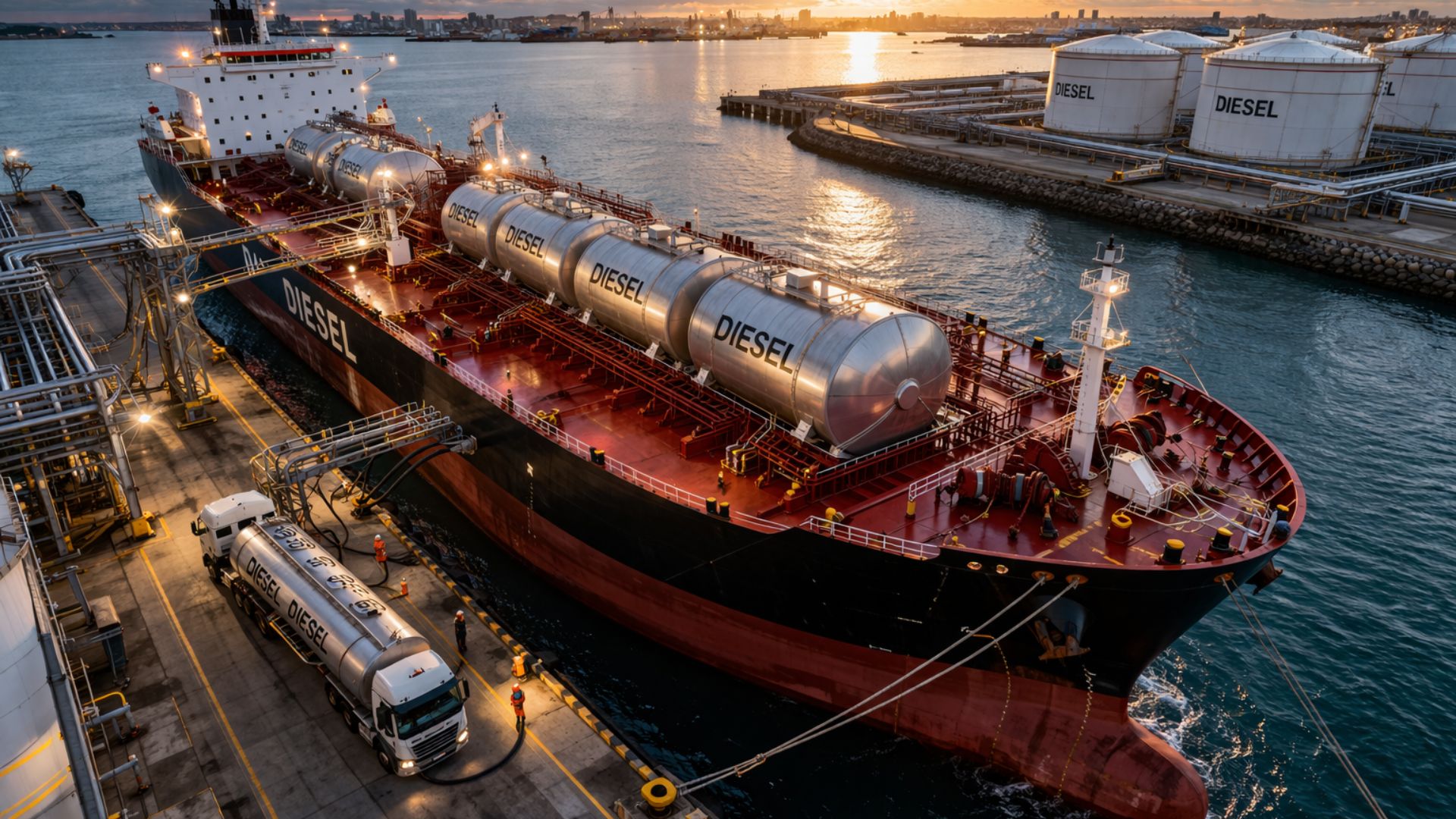
Understand how dependence on diesel imports affects fuel prices in Brazil, according to analysis by the former president of IBP, and why the country faces greater vulnerability in the face of global crises and energy challenges.
The dependence on diesel imports in Brazil has returned to the center of discussions following statements from the former president of IBP, Eberaldo de Almeida Neto, who highlighted the structural vulnerability of the country in the face of international fluctuations. According to him, during an interview with Agora CNN on March 22, about 25% to 30% of the diesel consumed in Brazil comes from abroad, which directly impacts the fuel prices and increases risks during times of global crisis.
This scenario becomes even more critical during periods of higher demand, such as during the agricultural harvest, when diesel consumption increases significantly. At the same time, geopolitical factors and internal logistical limitations exacerbate the situation, highlighting the need for structural changes in the energy sector.
Structural dependence: former president of IBP details diesel imports in Brazil
The former president of IBP emphasized that Brazil has not yet achieved self-sufficiency in diesel production, which forces the country to constantly rely on imports. This structural factor directly affects the balance of the domestic market and makes the country more exposed to external variations.
-
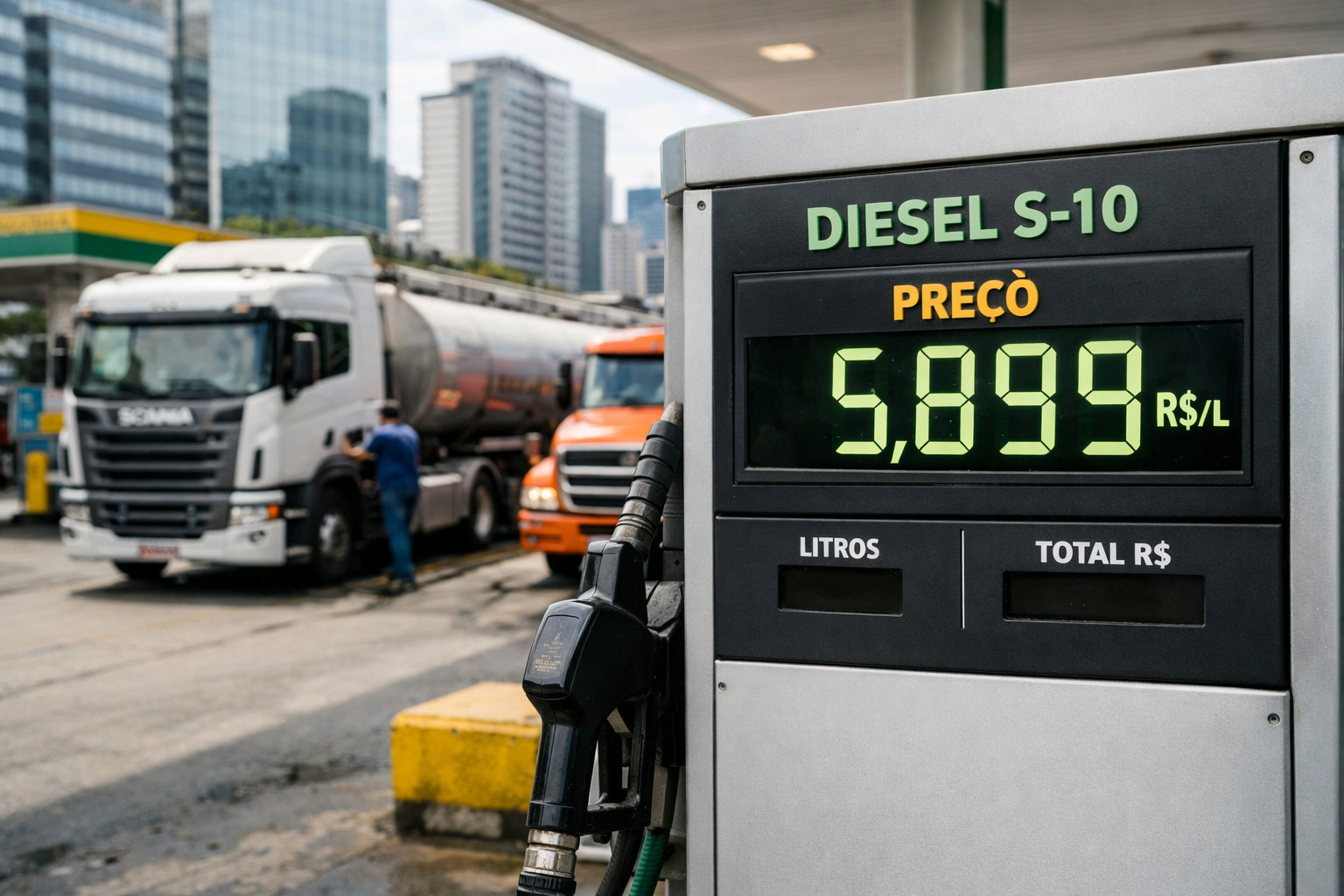
Middle East War Drives Up Oil Prices, And Petrobras Increases Diesel: Fuel Reaches R$ 3.65 Per Liter At Distributors
-
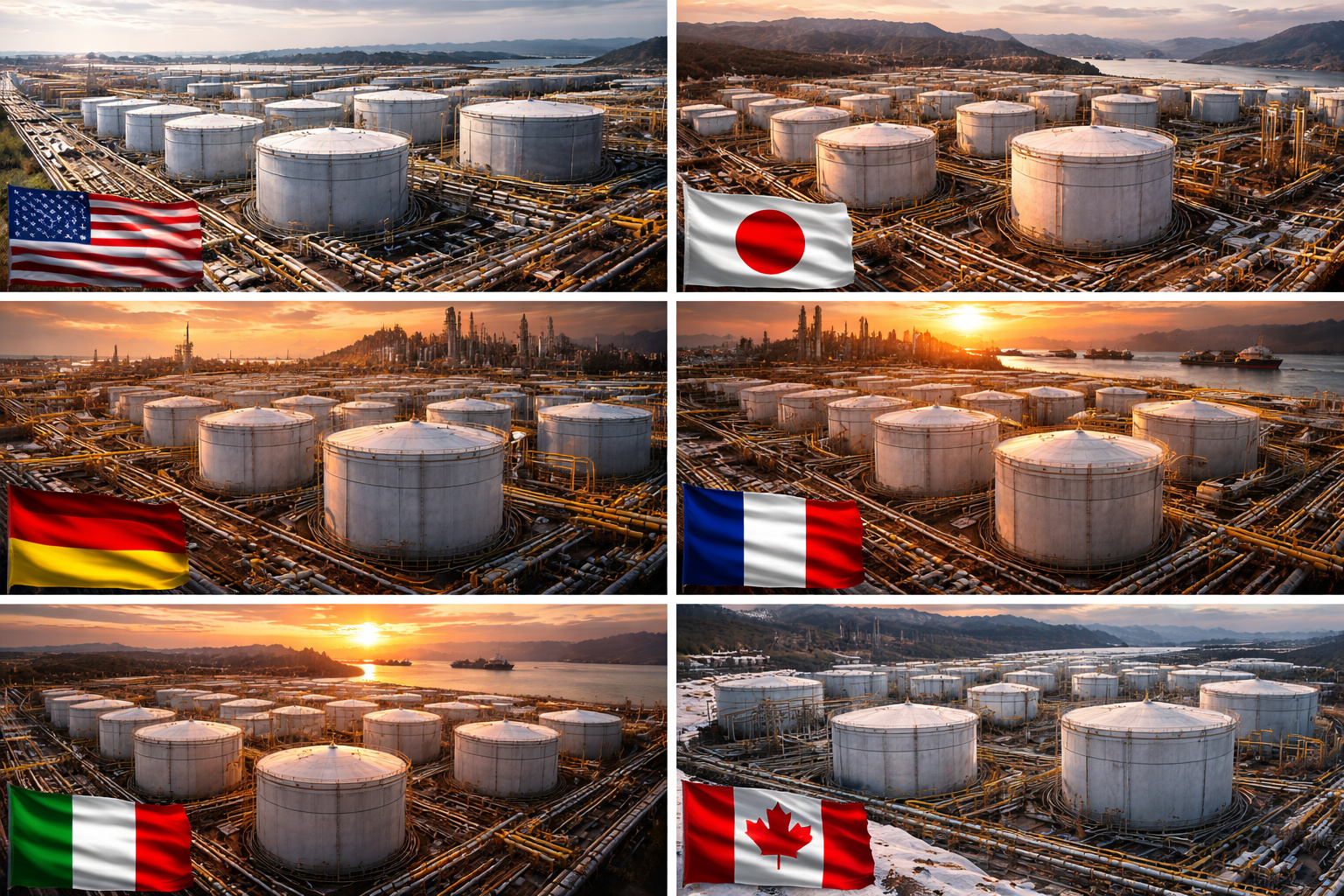
Oil Soars to Nearly $120, Middle East Tensions Shake Global Market, and a Little-Known Detail Returns to Energy Debate: The Gigantic Strategic Reserves Hidden by G7 Countries — See How Many Millions of Barrels Each Nation Holds in Reserve to Face a Global Crisis
-
Gasoline And Diesel May Change Course In Brazil: International Oil Pressure Renews Debate On Prices And Direct Impact On Drivers’ Wallets

-
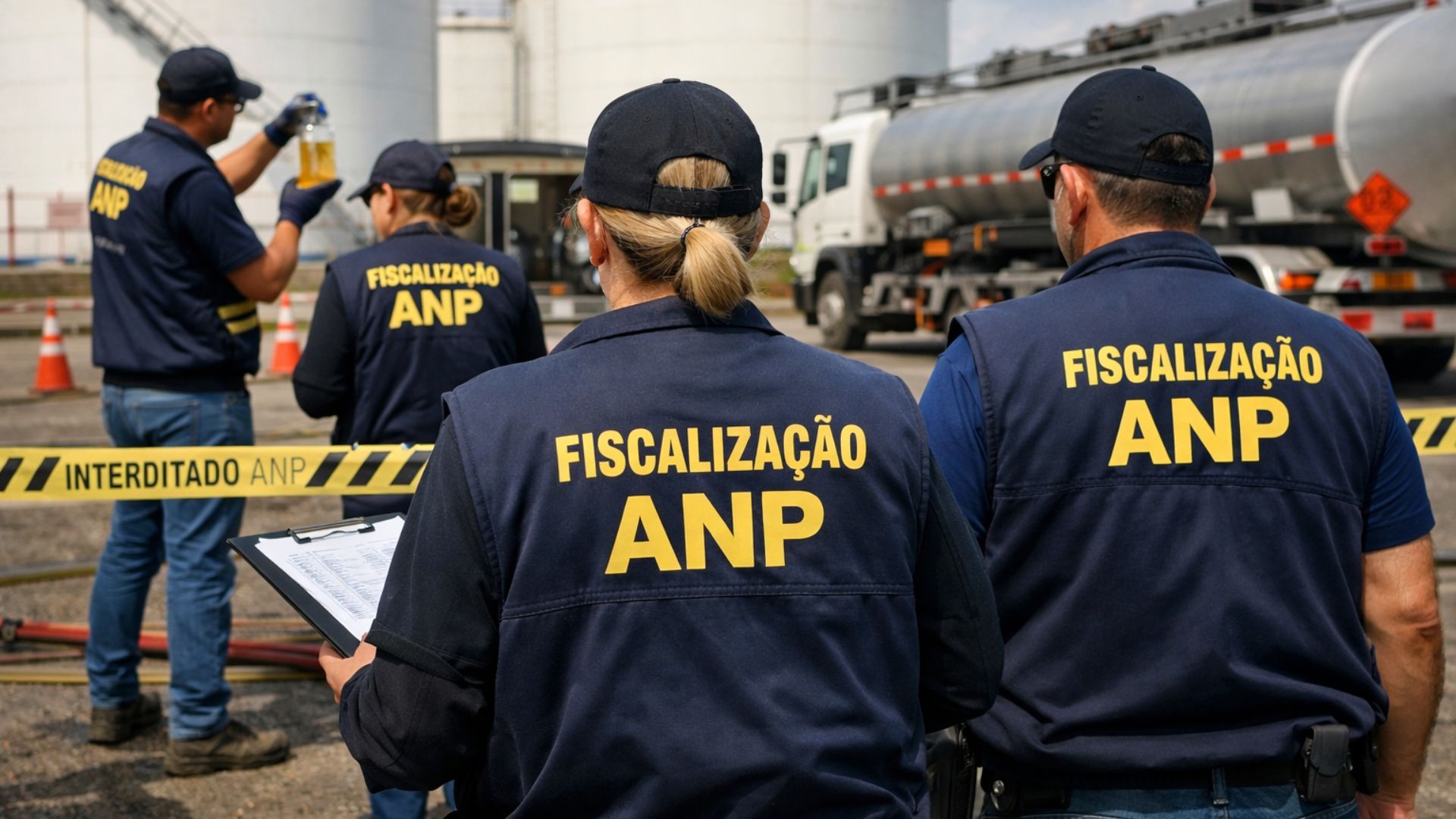
ANP and IPEM-MG Intensify Inspections at Fuel Stations in Uberaba to Ensure Product Quality and Greater Safety for Local Consumers


Currently, Brazil imports about 25% to 30% of the diesel consumed. This dependence on diesel imports creates a scenario of instability, especially when there are fluctuations in the international market or unexpected events that affect global supply.
In addition, the specialist highlighted a significant lag in fuel prices. While diesel A is sold at Brazilian refineries for about R$ 3.65 per liter, the price in the international market exceeds R$ 5.00. This difference of over R$ 2.00 per liter highlights a latent pressure for adjustments.
Agricultural harvest intensifies diesel consumption and pressures fuel prices
The harvest period in Brazil is one of the main times of increased demand for diesel. Agricultural machinery, such as harvesters, and the transportation of production directly depend on this fuel.
According to the former president of IBP, this increase in consumption occurs precisely when the country needs to intensify imports, which amplifies the impact on fuel prices. The result is a cascading effect that affects the entire economy.
The agribusiness sector, one of Brazil’s economic pillars, heavily depends on diesel to maintain its efficiency. Any increase in fuel costs directly impacts food prices, transportation, and inflation.
This direct relationship between agricultural production, diesel consumption, and fuel prices shows how dependence on diesel imports affects not only the energy sector but society as a whole.


Logistical bottlenecks increase dependence on diesel and imports in the country
Another point highlighted by the former president of IBP is the strong dependence on road transport in Brazil. A large part of the cargo is transported by trucks, which significantly increases diesel consumption.
This logistical model intensifies the need for diesel imports, especially in a country of continental dimensions. In addition, it contributes to the constant pressure on fuel prices.
In comparison, other countries use more railways and waterways, which are more efficient modes and less dependent on fossil fuels. In Brazil, this diversification is still limited, which keeps the current structure highly dependent on diesel.
The lack of investment in more efficient logistical infrastructure perpetuates a cycle of high demand and continuous need for imports, reinforcing the system’s vulnerability.

International crises impact diesel imports and fuel prices
The diesel market is directly influenced by global factors, as it is a commodity. The former president of IBP highlighted that international conflicts have a significant impact on supply and demand.
During the war in Ukraine, for example, the reduction of Russian gas supply led European countries to use more diesel for energy generation. This increased global demand and raised fuel prices, even with relative stability in oil prices.
Currently, tensions in the Middle East are also causing concern. The Strait of Hormuz, one of the main oil transport routes, is facing restrictions. According to the specialist, more than 3,000 ships are waiting to pass, while the flow has dropped from about 100 ships weekly to only 5 to 7. This scenario directly impacts diesel imports and increases costs, reflecting again on fuel prices in Brazil.
Pricing policy and its effects on diesel and the domestic market
The pricing policy adopted in Brazil also plays a central role in this context. Petrobras sets prices that do not always immediately follow the international market.
This lag can create significant distortions. When the domestic price is below the external price, diesel imports by private agents become less attractive, which can affect supply.
On the other hand, when there are adjustments to align prices, the impact on consumers is direct. The fuel prices rise rapidly, affecting transportation, logistics, and the cost of living.
The former president of IBP emphasizes that this dynamic reinforces external dependence and highlights the need for a more balanced and predictable strategy for the sector.
Biofuels emerge as an alternative to diesel imports
One of the main solutions pointed out by the former president of IBP is the strengthening of biofuels. In Brazil, the diesel sold already contains about 15% biodiesel, forming what is called diesel B.
There is a mandate to increase this proportion, potentially reaching up to 25%. This measure can reduce the need for imports and help stabilize fuel prices.
Brazilian biodiesel is primarily produced from the esterification of soybean oil and animal fat. Although it has specific characteristics, such as the possibility of forming residues when stored for long periods, its continuous use does not present significant problems.
The advancement of biofuels represents a strategic opportunity to reduce dependence on diesel imports and make the system more sustainable.
Paths to reduce vulnerability and stabilize fuel prices
The scenario presented by the former president of IBP highlights the need for structural changes in Brazil. The dependence on diesel imports and the constant pressure on fuel prices are symptoms of a system that needs to evolve.
Among the main solutions are the expansion of national refining capacity, diversification of the energy matrix, and investment in more efficient logistical modes. Railways and waterways can significantly reduce diesel consumption.
In addition, public policies aimed at promoting biofuels can decrease external dependence and increase energy security.
Another fundamental point is the creation of strategies that reduce the country’s exposure to international fluctuations. This includes long-term planning and greater predictability in pricing policies.
The analysis by the former president of IBP reinforces that Brazil has the potential to overcome these challenges. However, this requires strategic decisions and consistent investments.
Without these changes, the dependence on imports, high consumption of diesel, and volatility in fuel prices will continue to be risk factors for the Brazilian economy.








Seja o primeiro a reagir!