





 Portuguese
  English
  Spanish
  5 min of reading
  0 comments


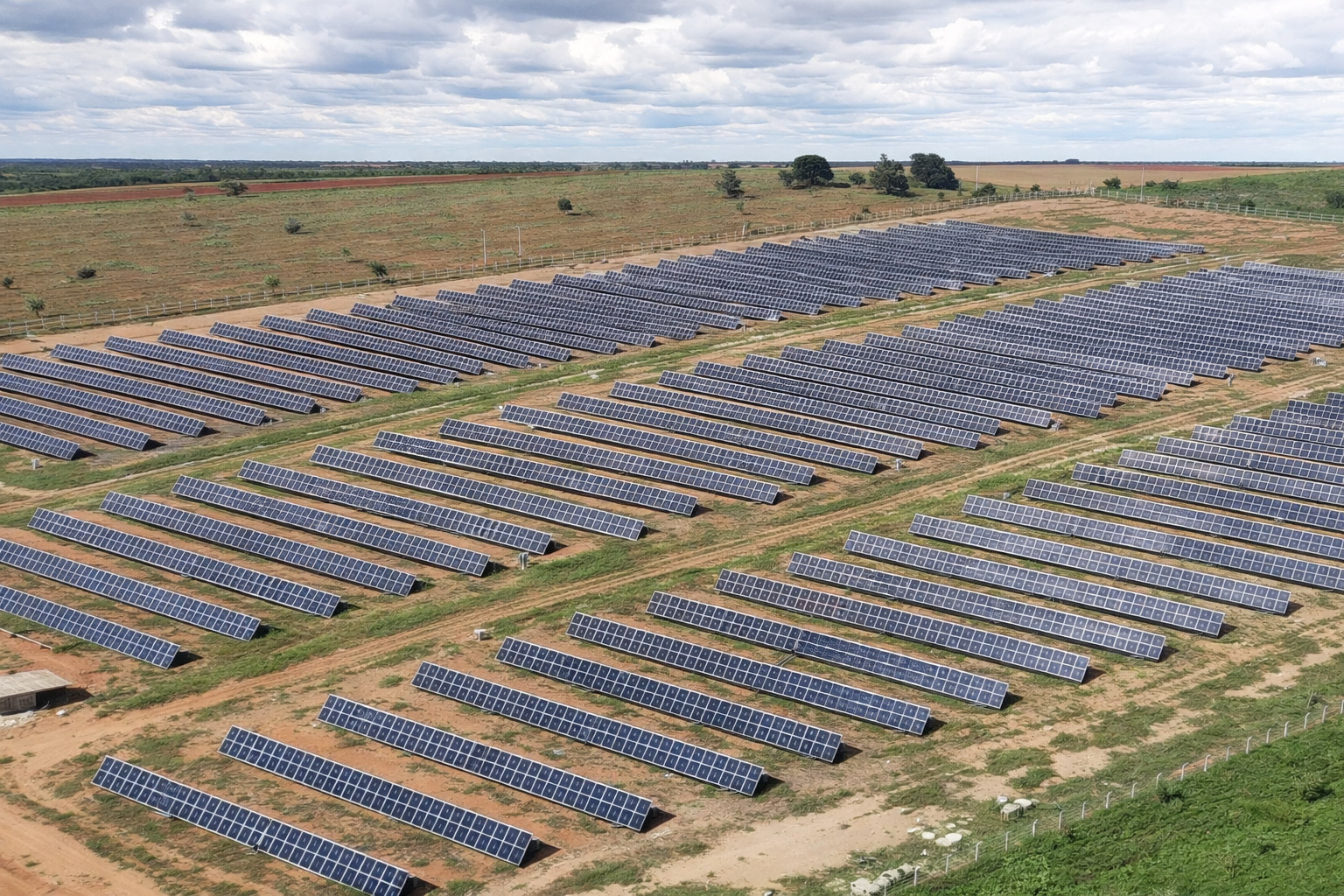
Solar Energy Supply Grows in Brazil and Gains Strength with Advancement of Distributed Generation
The solar energy supply grows in Brazil at an accelerated pace and consolidates one of the best moments for the sector in recent years. Recent data reinforces the expansion of photovoltaic generation both in large plants and in systems installed in homes, businesses, and industries.
ClickLivre, a company operating in the energy solutions sector, highlights the positive scenario and confirms that the market remains heated. Moreover, the increase in demand for solar systems indicates a structural change in electricity consumption in the country.
In this context, the solar energy supply grows in Brazil driven by economic, environmental, and technological factors. The combination of these elements enhances the interest of consumers and investors.
-
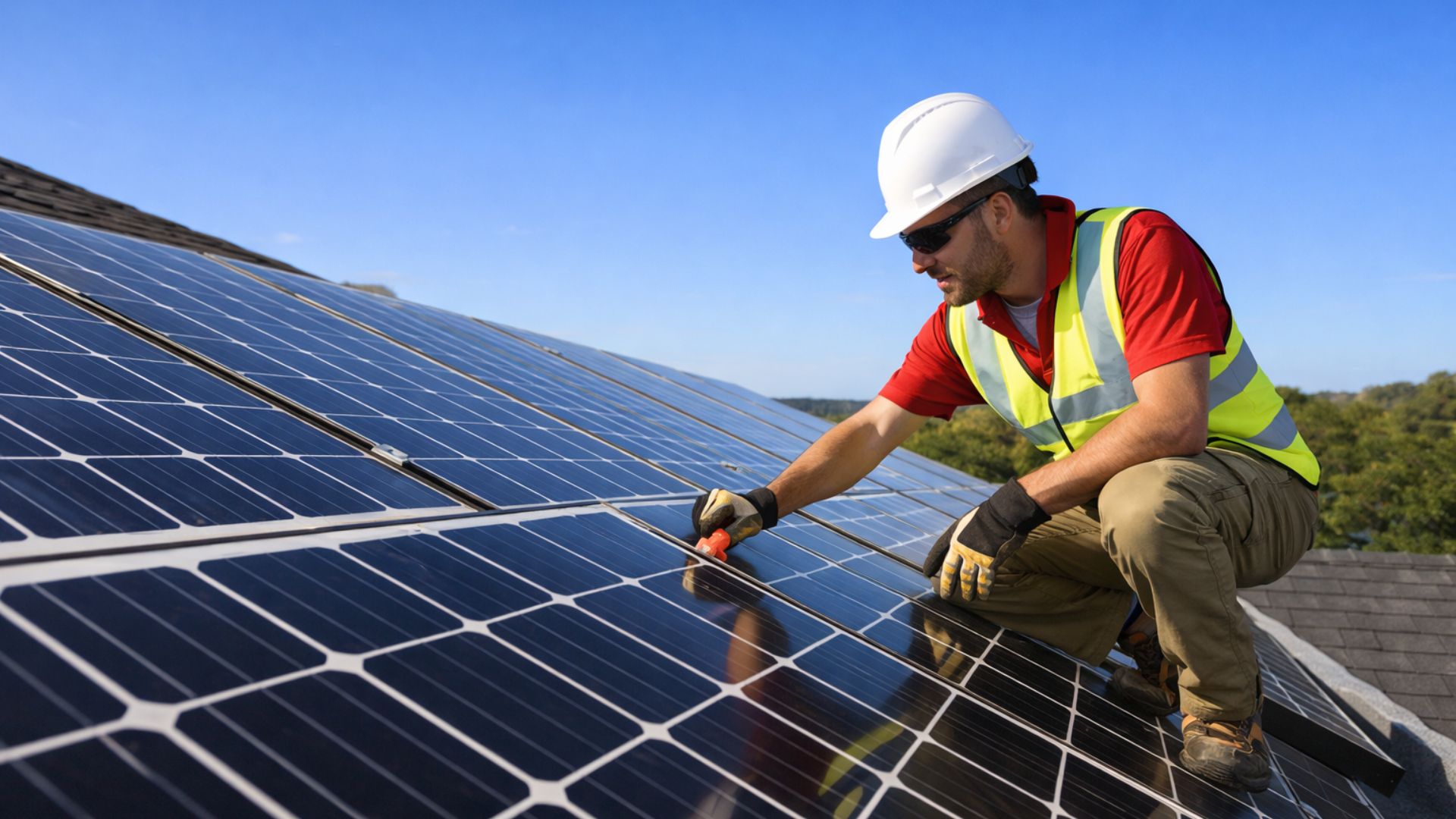
Seagri’s headquarters invests in solar energy with Neoenergia Coelba and promises to cut electricity costs, highlighting a strategic advance in sustainability and energy efficiency within state public administration.
-
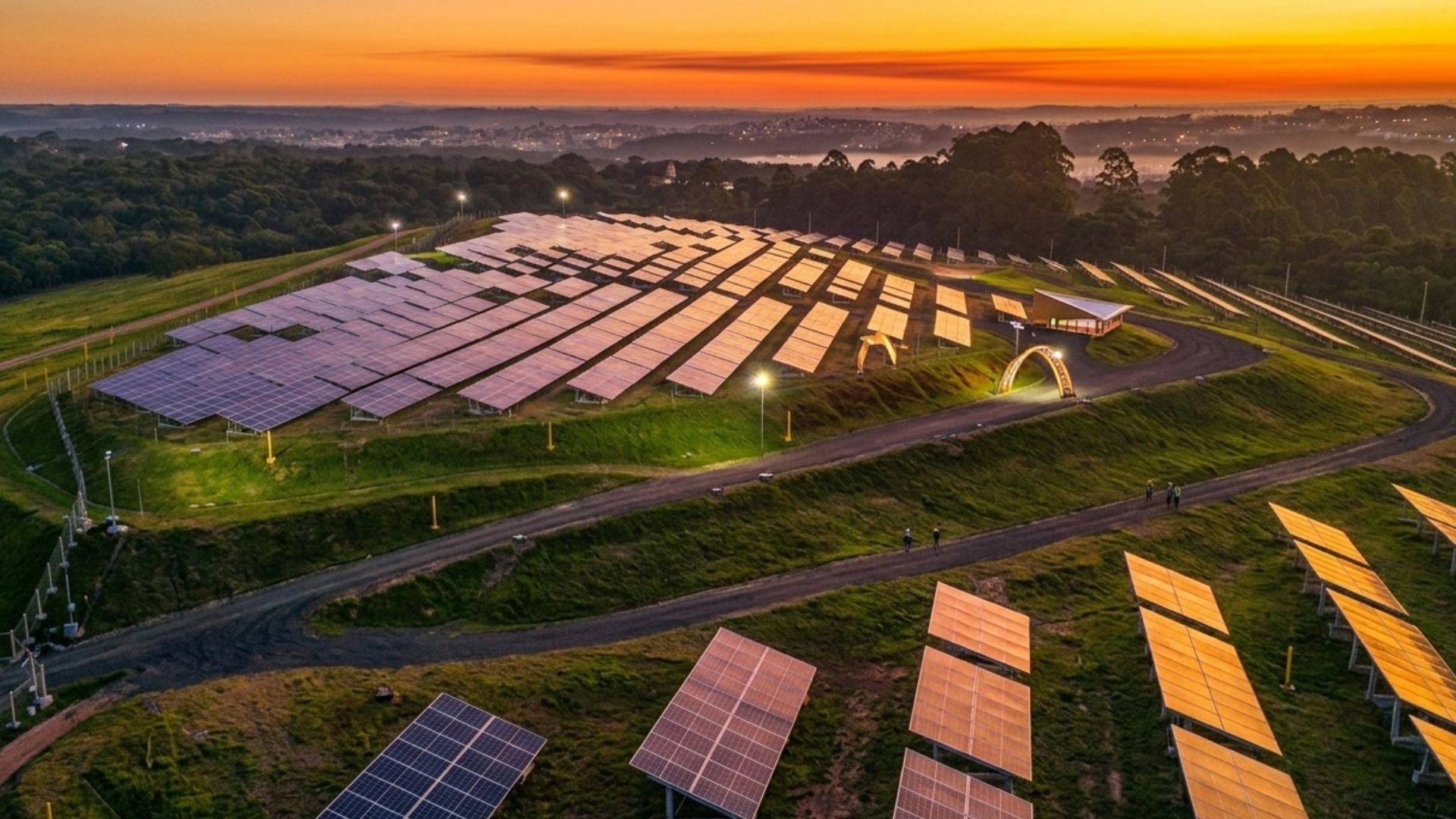
Solar Pyramid draws attention by converting solar energy into million-dollar savings and repositioning the City Hall of Curitiba as an example of innovation, sustainability, and intelligent use of public resources.
-
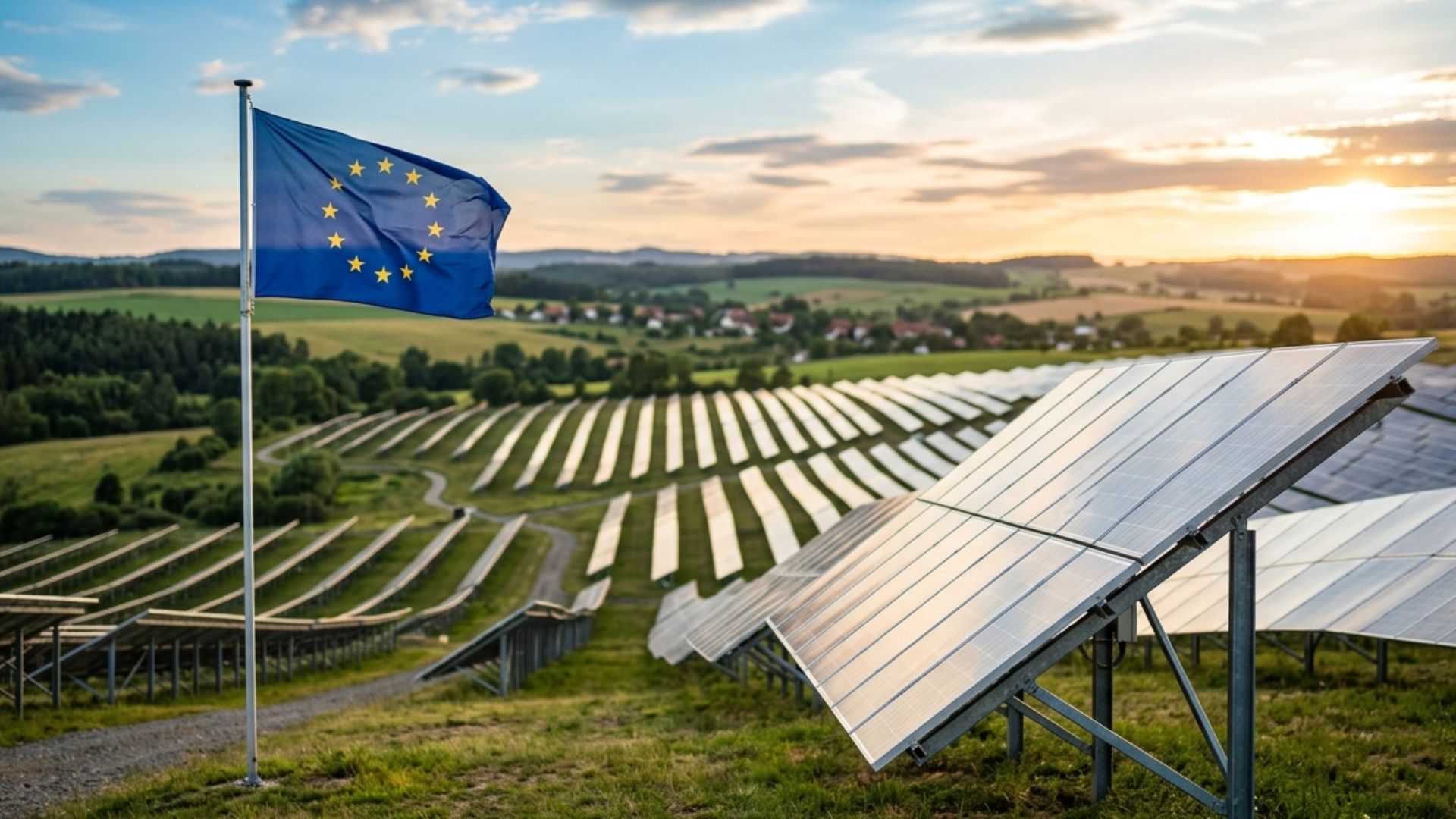
Europe records strong euro economy with solar energy in March and sparks curiosity about which country leads growth that redefines the energy market and reduces costs.
-
Piauí reaches a historic milestone in energy transition: State records nearly 160,000 households powered by solar energy and leads growth in the Northeast.

Growth Boosts Distributed Generation and Large Plants
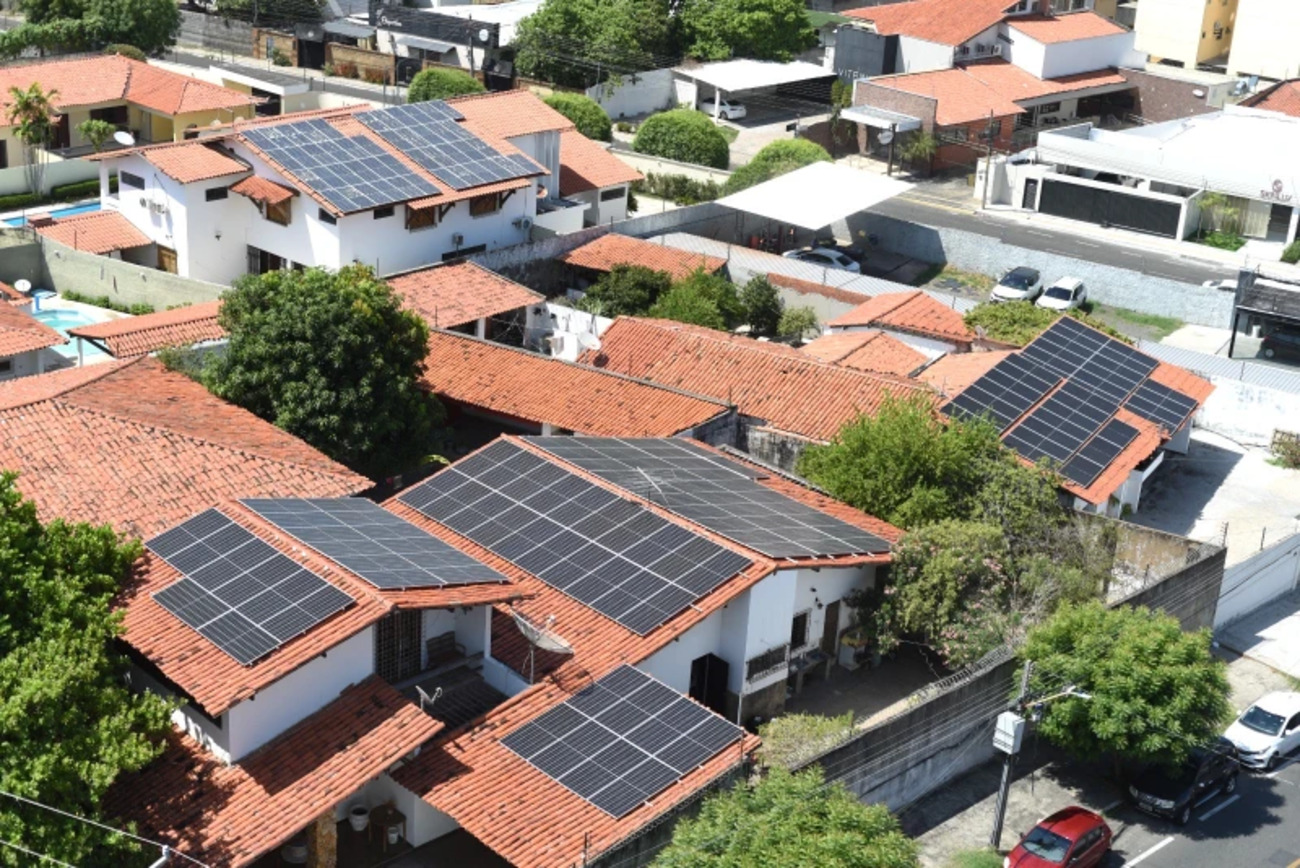
The advancement of solar energy occurs on two main fronts: distributed generation and centralized generation. Distributed generation includes systems installed on rooftops of houses, businesses, and rural properties. In contrast, centralized generation involves large solar parks connected to the National Interconnected System.
The solar energy supply grows in Brazil especially in distributed generation. Small and medium consumers invest in photovoltaic panels to reduce their electricity bills and gain greater energy autonomy.
Additionally, large solar plants expand the installed capacity in the country. National and foreign investors direct resources to medium and large-scale projects.
Meanwhile, the sector records an increase in the commercialization of equipment, inverters, and metal structures.
Cost Reduction Stimulates Adoption
The drop in prices of photovoltaic equipment directly contributes to the sector’s growth. Solar panels have become more accessible in recent years, making the purchase decision easier.
Moreover, specific financing options expand access to the technology. Public and private banks offer credit aimed at the installation of solar systems.
In this scenario, the solar energy supply grows in Brazil because the initial investment becomes more feasible. Consumers assess the financial return and identify significant savings over time.
At the same time, the rise in conventional energy tariffs encourages the search for renewable alternatives.
Savings on Electricity Bills Attract Consumers
The main motivation for those investing in solar energy is the reduction of electricity bills. Photovoltaic systems allow for energy compensation with the local utility.
Thus, the consumer generates electricity during the day and uses credits to offset nighttime consumption or during periods of lower generation.
The solar energy supply grows in Brazil because families and businesses seek financial predictability. Solar energy provides stability against tariff adjustments.
Additionally, the system requires simple maintenance and has a long useful life, typically over 20 years.
Environmental concerns also drive the sector. Solar generation does not emit polluting gases during operation.
In this context, the solar energy supply grows in Brazil aligned with the global energy transition.
Companies adopt renewable energy to strengthen environmental commitments and improve market positioning. Furthermore, consumers value sustainable practices.
Meanwhile, the country expands the participation of clean sources in the electricity matrix, which already ranks among the most renewable in the world.
ClickLivre Highlights Favorable Scenario
ClickLivre closely monitors market performance and confirms the strong moment for the solar sector in the country. The company observes a constant increase in demand for photovoltaic solutions.
In addition, the company points out that interest is not limited to large urban centers. Rural cities also report significant growth in solar system installations.
In this context, the solar energy supply grows in Brazil with a solid foundation and diverse demand.
At the same time, digitalization facilitates access to information, savings simulations, and proposal comparisons.
Sector Generates Jobs and Drives Economy
The advancement of solar energy creates job opportunities in different areas. Engineers, electricians, technicians, and salespeople participate in the production chain.
Moreover, manufacturers of structures, cables, and equipment increase production to meet rising demand.
The solar energy supply grows in Brazil and mobilizes billions of reais in investments.
In this context, the sector contributes to regional development and income generation in various locations.
Meanwhile, technical courses and specializations emerge to train professionals focused on the installation and maintenance of photovoltaic systems.
Technology Increases Efficiency of Systems and Solar Energy Supply Grows in Brazil
Solar panels have evolved in recent years. New models offer greater energy efficiency and better performance under varied lighting conditions.
In addition, smart inverters allow for remote monitoring of generation. Consumers track production in real time through apps.
The solar energy supply grows in Brazil also due to this technological modernization.
Thus, users gain more control and transparency over their energy consumption.
Regulatory Framework Brings Predictability
The regulation of distributed generation has brought greater legal security to the sector. The rules define criteria for energy compensation and transition periods.
This regulatory environment strengthens the confidence of investors and consumers.
The solar energy supply grows in Brazil because the market operates with clearer rules.
Furthermore, long-term planning becomes possible, enhancing project stability.
Solar Energy in the Field and Industry
Rural producers adopt solar energy to reduce operational costs. Photovoltaic systems power irrigation pumps, refrigeration systems, and agricultural equipment.
In industry, companies use solar energy to reduce fixed expenses and strengthen environmental goals.
In this context, the solar energy supply grows in Brazil across different economic segments.
At the same time, cooperatives and associations evaluate collective projects for shared generation.
Experts project the continued growth of the solar sector. The demand for electricity is expected to increase with economic expansion and digitalization.
Additionally, the search for clean sources intensifies in the face of climate change.
The solar energy supply grows in Brazil with a perspective for sustained expansion.
Meanwhile, innovations such as battery storage and integration with electric mobility could further expand the market.
Solar Energy Supply Grows in Brazil and Consolidates Structural Transformation
The advancement of photovoltaic energy represents a structural transformation in the way Brazil produces and consumes energy.
Consumers cease to act solely as users and start generating part of their own electricity.
The solar energy supply grows in Brazil because it offers savings, sustainability, and autonomy.
Moreover, the sector demonstrates resilience even in the face of economic fluctuations.
In this context, the country consolidates a prominent position in renewable generation and expands opportunities for sustainable development.
The continuous expansion confirms that solar energy has ceased to be a future trend and has become a present reality on millions of rooftops and dozens of plants spread across the national territory.








Seja o primeiro a reagir!