





 English
  Francês
  Alemão
  Italiano
  Japonês
  Norueguês
  Portuguese
  Spanish
 5 min of reading
  0 comments


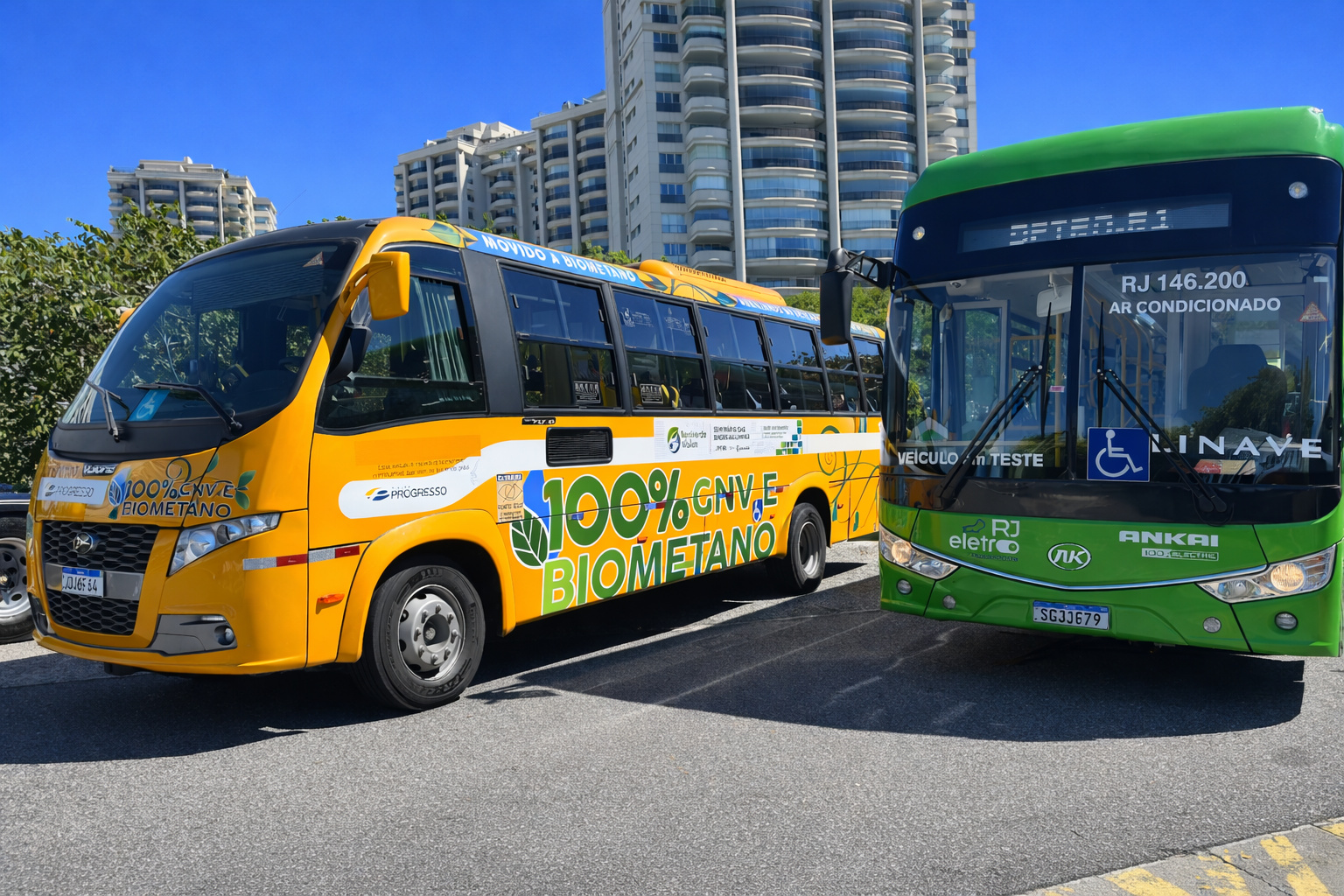
The Zero Emission Forum in RJ Brings Together Government, Companies, and Experts to Discuss the Energy Transition, Fleet Electrification, and Above All, the Future of Sustainable Public Transport in Brazil.
The Zero Emission Forum in RJ, first and foremost, emerges as a relevant milestone in the debate on urban mobility and sustainability. In a global scenario increasingly pressured by climate change and, at the same time, by the urgency to reduce dependence on fossil fuels, initiatives discussing long-term solutions gain prominence in the local, national, and international context. Thus, by bringing together government, companies, experts, and international organizations, the event strengthens a continuous agenda and consequently consolidates itself as a reference for the future of public transport.
Historically, public transport has always played a central role in the organization of Brazilian cities. Since the expansion of urban buses in the 1960s and 1970s, fleet growth accompanied accelerated urbanization and the concentration of economic activities in urban centers. Thus, little by little, the road model became the main means of transportation for the population, transforming the bus into an essential element of daily life.
However, over time, this model began to generate increasingly evident impacts on air quality and on the health of the urban population, especially in large centers like Rio de Janeiro. Additionally, the increase in respiratory diseases, the rise in greenhouse gas emissions, and the excess urban noise progressively reinforced the need to rethink public transport and its energy bases.
-
Brazil accelerates decarbonization in the South: International forum in Foz do Iguaçu gathers leaders to discuss the advancement of biomethane in the energy matrix and the potential of “caipira pre-salt.”
-
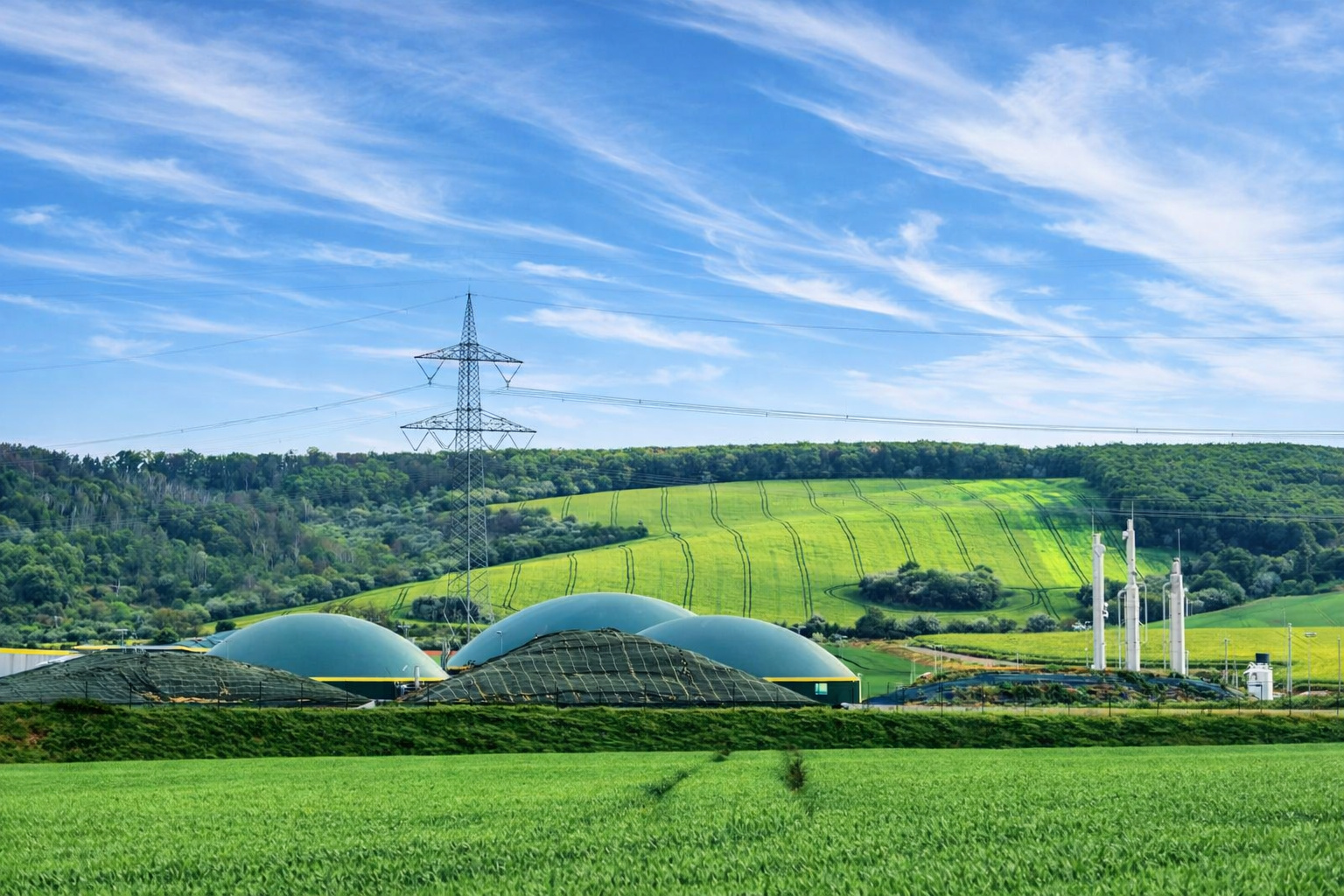
As diesel prices soar due to conflicts in the Middle East, a Brazilian city decides to test a little-known biofuel that promises to completely replace fossil fuel without adaptation and could change the future of energy in the country.

-
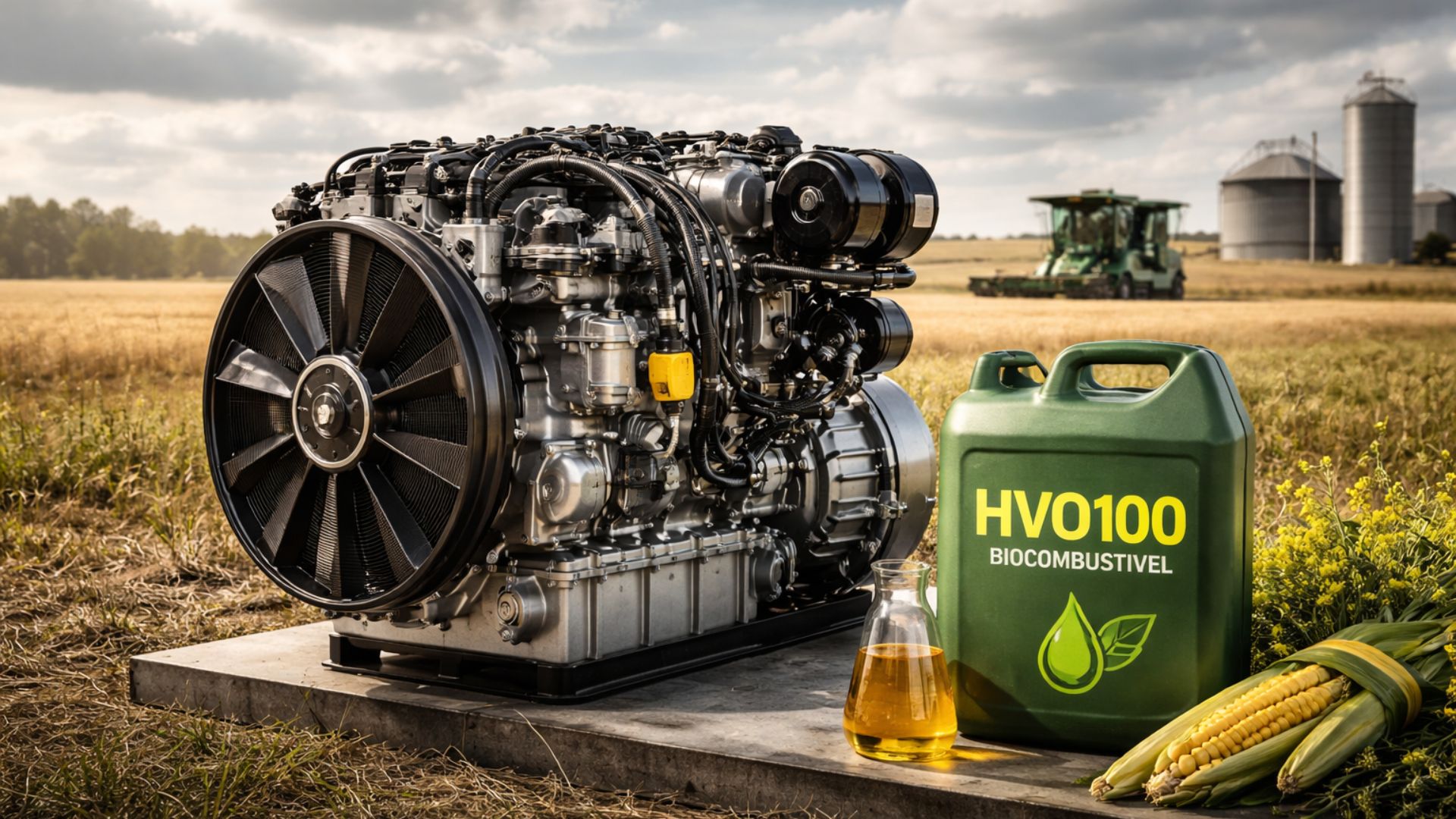
Innovation with biofuel engines transforms agribusiness by replacing diesel without the need for major adaptations, ensuring energy efficiency and helping to reduce dependence on oil.
-
Used Cooking Oil Transforms Into Kerosene: How 1 Million Tons of Used Fat Are at the Center of an Aviation Fuel Market That Could Attract Over $1 Trillion in Investments, Already Fuels Planes with Up to 80% Lower Emissions, and Triggered a Global Competition for This Waste


The Historical Context of Energy Transition in Transport
In this scenario, therefore, the Zero Emission Forum in RJ connects directly to a paradigm shift. The energy transition in public transport ceases to represent merely a technological trend and begins to assume the role of strategic necessity for governments and operators. At the same time, fleet electrification, the use of renewable sources, and the creation of new financing models face historical challenges in the sector, such as high costs and difficulties in modernizing infrastructure.
Over the last few decades, cities from different regions of the world have started testing alternatives to diesel-powered buses. In this sense, experiences in Europe, Asia, and, more recently, Latin America demonstrate that electric buses reduce emissions, decrease noise pollution, and, moreover, increase user comfort. Consequently, these results prove the technical and environmental viability of electrification.
In Brazil, although progress is still occurring gradually, the debate is gaining strength. Thus, the Zero Emission Forum in RJ reflects this moment of maturation, in which the country observes successful experiences and seeks to adapt them to its economic, social, and regulatory reality, respecting regional differences.
The Role of Rio de Janeiro in Sustainable Mobility
The city of Rio de Janeiro occupies a strategic position in this discussion due to its economic, tourist, and symbolic relevance. By hosting an event focused on decarbonizing public transport, the state reinforces its role as a laboratory for public policies and innovation in sustainable urban mobility. In this way, decisions debated locally can subsequently influence other Brazilian cities.
Moreover, the capital of Rio has been living with historical mobility challenges for decades, such as frequent congestion, aging fleets, and inequality in access to quality transport. For this reason, it becomes increasingly urgent to adopt solutions that combine operational efficiency, cost reduction, and long-term environmental benefits.
Another central point of the Zero Emission Forum in RJ involves the integration among different actors. Throughout the history of public transport in Brazil, the lack of coordination among government, operators, and the private sector has compromised various initiatives. Thus, the forum arises to stimulate continuous dialogue and encourage the joint construction of sustainable solutions.
Challenges and Opportunities of Bus Electrification
The electrification of buses, however, demands much more than a simple vehicle swap. First of all, the process requires charging infrastructure planning, evaluation of the electrical grid capacity, defining the source of the energy used, and, furthermore, investment in technical training for drivers and maintenance teams. In this way, these elements show that the energy transition depends on an integrated vision.
By addressing these topics in depth, the Zero Emission Forum in RJ makes it clear that the energy transition occurs in a gradual and structured manner. That is, the sector needs consistent planning, regulatory security, and continuous investments. Additionally, stable public policies become fundamental to provide predictability for operators and investors.
From an environmental point of view, on the other hand, sustainable transport generates widely recognized benefits. The reduction of carbon dioxide emissions and local pollutants directly improves urban quality of life. And, consequently, contributes to quieter, healthier, and more resilient cities.
Economic Impacts and Alignment with the Global Agenda
From an economic perspective, the transition to electric buses creates relevant opportunities. Although the initial investment is higher, operational costs tend to decrease over the vehicle’s lifespan, mainly due to reductions in fuel and maintenance expenses. Thus, the efficiency in the use of public resources increases.
When discussing financing models and public-private partnerships, the Zero Emission Forum in RJ helps to dismantle the idea that electrification does not fit into the Brazilian reality. National and international experiences indicate that, with adequate planning and economies of scale, the economic and social benefits outweigh the initial costs.
Furthermore, the discussion on sustainable transport directly engages with the global climate and development agenda. International commitments made by Brazil reinforce the need to reduce emissions in strategic sectors like transport. In this context, the forum acts as a space for aligning local policies and global goals.
A Timeless Debate on the Future of Cities
Finally, the timeless nature of the topic emphasizes the importance of the Zero Emission Forum in RJ. Even with the constant evolution of technologies, the pursuit of a cleaner, more efficient, and accessible public transport will remain central in the coming decades. Therefore, the event consolidates itself as an evergreen initiative, addressing structural challenges of modern cities.
Looking to the future, it is clear that sustainable transport is not an optional choice, but an unavoidable path. The combination of technological innovation, well-structured public policies, and active participation from the private sector creates the necessary conditions for this transformation.
In summary, the Zero Emission Forum in RJ goes beyond being an event about electric buses. It symbolizes a change in mindset regarding public transport, places sustainability at the center of decision-making, and contributes to the construction of more human, efficient cities aligned with the demands of the 21st century.










-

Uma pessoa reagiu a isso.