





 Portuguese
  English
  Spanish
  5 min of reading
  0 comments


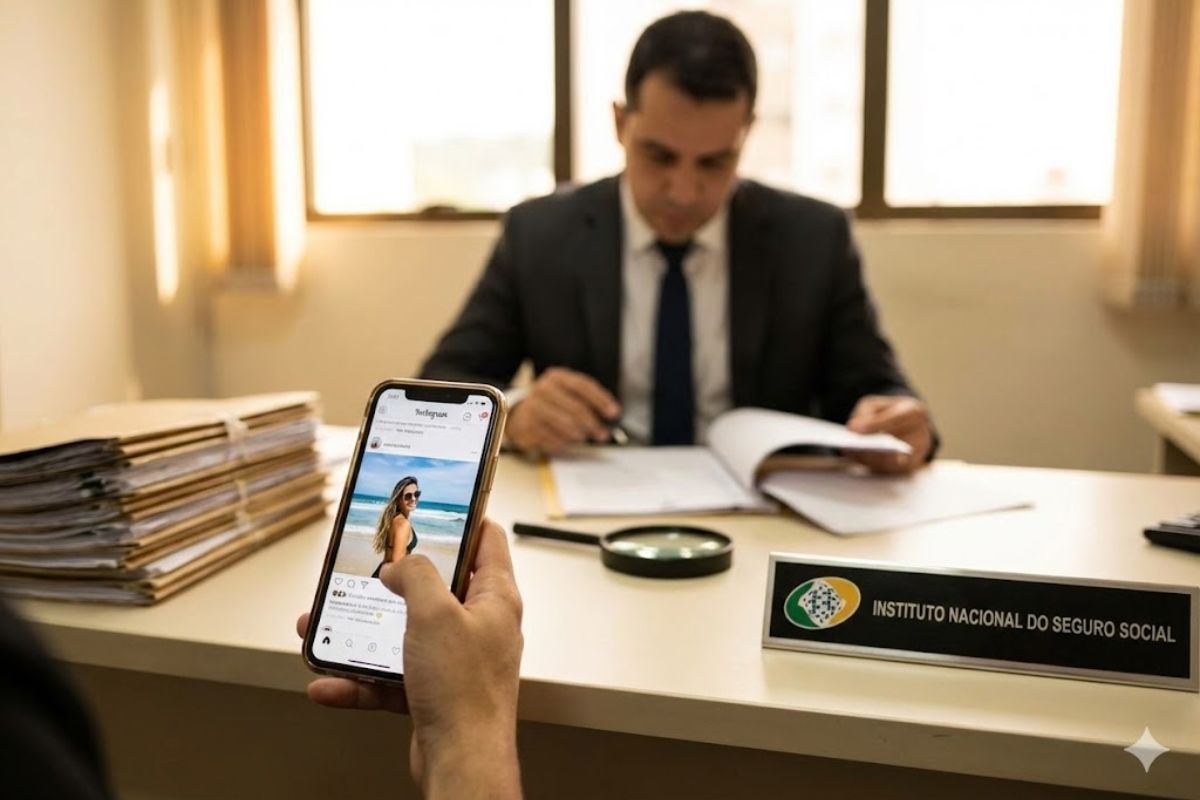
Experts Explain That A Photo On Instagram Can Put An INSS Benefit Under Scrutiny, Trigger INSS Robots And Generate A Revisionary Expert Examination, But Any Cut Requires Medical Reports, Formal Summons And Respect For The Legal Stages Of The Insured’s Defense Before Suspending Or Cancelling Payment
In recent years, as the INSS started to use automated monitoring and data cross-referencing systems, the photo on Instagram has definitely entered the radar of the INSS scrutiny. An image of a barbecue, a trip, or a family gathering can now function as a warning for a new analysis of the INSS benefit, especially during mass review periods.
At the same time, lawyers and experts in social security law emphasize that the photo on Instagram alone does not have legal force to directly cut the INSS benefit. The legislation imposes mandatory steps, formal revisionary examination and analysis of medical documents before any suspension, except in cases of proven fraud, which limits the use of social networks as the only “evidence” against the insured.
How The Instagram Photo Enters The Radar Of The INSS Benefit
In practice, the INSS can access public profiles and view photos, videos, and posts of the insured.
-
The Senate approves a bill that criminalizes misogyny, hatred, or aversion towards women, and includes the crime in the Racism Law with a penalty of up to 5 years.

-
Chamber Approves Bill That Allows Pepper Spray for Women Over 16 and Imposes Strict Rules for Purchase, Possession, and Use as Self-Defense

-
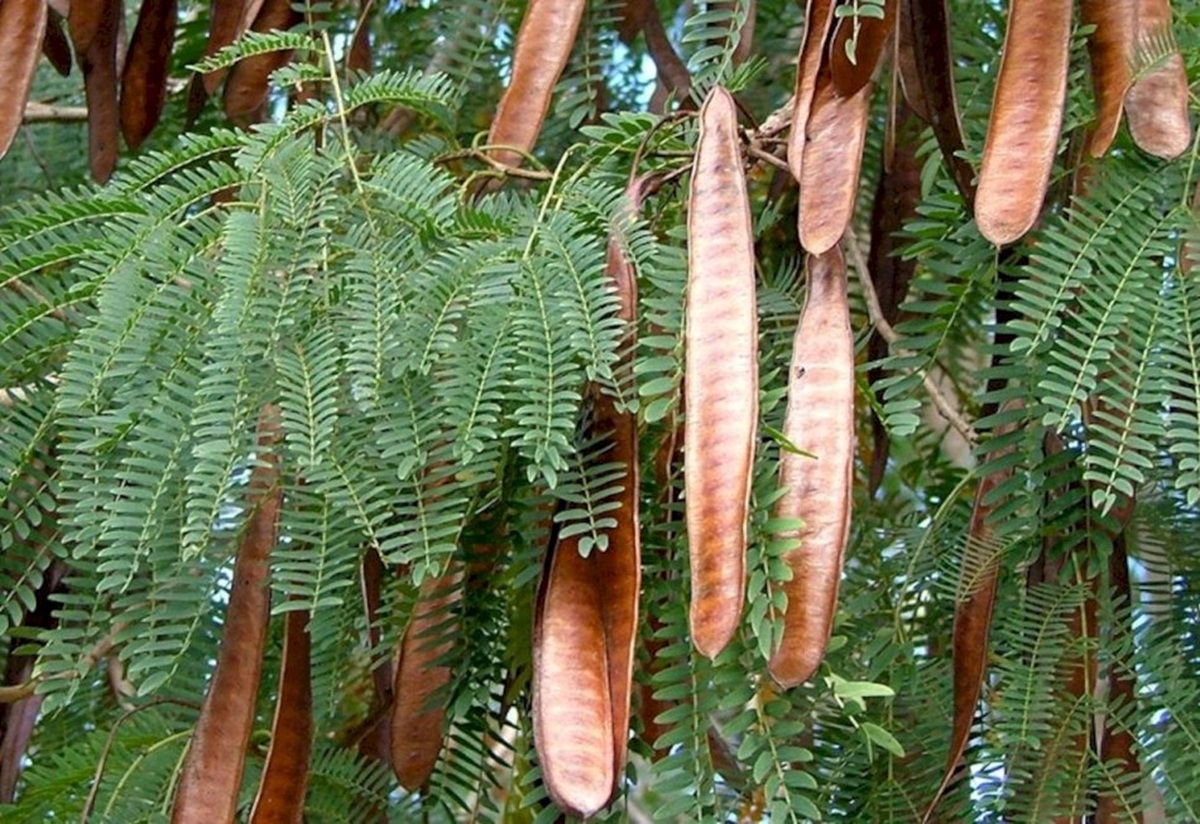
Chamber Approves Law to Combat Leucaena, Fast-Growing Plant That Dominates Land and Threatens Native Species in Various Regions of the Country
-
Asset Division: Know What Cannot Be Divided in Case of Divorce


Experts and analysis teams use these images as a starting point to question the consistency between the displayed routine and the condition of incapacity that justified the INSS benefit.
An Instagram photo at a party, on a trip, or engaging in a particular activity is not treated as a diagnosis, but as a trigger for suspicion.
The expert’s reasoning is simple: if the person claims severe incapacity and appears in a context that, at first glance, seems incompatible with the report, the system understands that there may be something to investigate.
This does not mean that the INSS benefit is automatically lost.
It means that the insured may be called to explain the situation in a future revisionary examination, especially if that Instagram photo comes accompanied by other indications of inconsistency in the medical record or financial information.
From Visual Trigger To INSS Scrutiny With Robots
The core of the investigation is not in the image, but in the data cross-referencing.
The INSS robots have been programmed to scour information 24 hours a day, integrating bases such as the Federal Revenue Service, transactions in public banks, SUS records, social registrations, and notary offices.
These INSS robots look for patterns and inconsistencies: reports indicating total incapacity but high bank transactions; diagnosis of a serious illness without recent records of medical monitoring; or even contradictions between certificates and formal work records.
The Instagram photo comes in as an additional piece in this puzzle, reinforcing or weakening suspicions already raised by artificial intelligence.
When automated filters find relevant discrepancies, the INSS benefit can be directed to the INSS scrutiny.
At that moment, the process stops being solely digital and moves to human analysis, especially if there is a risk of suspension or cancellation.
What really matters is the whole: diagnosis, exams, reports, consultation history, financial transactions, and, in some cases, the context of that Instagram photo.
What The Law Requires Before Cutting An INSS Benefit
Despite the increased use of INSS robots and the INSS scrutiny, the legislation does not authorize that a social media post be used as the sole basis for terminating the INSS benefit.
A single image does not replace medical expertise, technical reports, or clinical evaluation, precisely because it does not show pain, functional limitation, nor the reality of the other days of the month.
In practical terms, before any cut, the INSS must:
Notify the insured about the need for a new evaluation.
Summon for a revisionary examination, in which a medical expert analyzes documents, history, and current condition.
Review medical reports, exams, and other evidence, confronting what is in the records with the information collected by the systems.
If the INSS benefit is cut without prior summons or without adequate revisionary examination, the decision tends to be considered irregular and can be contested in court.
The law seeks to prevent the automatic judgment of an Instagram photo from overshadowing the technical evaluation, precisely to avoid abuses and hasty decisions against those who continue to be genuinely incapable.
Photos, Coherence And The Limit Of Exposure On Social Networks
From a legal standpoint, what sustains or undermines an INSS benefit is the coherence between diagnosis, reports, exams, and the insured’s real life, not the existence of a single Instagram photo.
The image can be interpreted in various ways: a quick snapshot on a “better” day, a brief outing after weeks of restriction, or even an old photo re-shared.
For this reason, experts recommend caution regarding what is published on open profiles.
It is not about prohibiting any leisure activities, but understanding that the narrative constructed on social networks can be used as input in a future INSS scrutiny, especially when it seems to completely deny the limitations described in the medical expertise.
The recurring guideline is to keep reports up to date, record treatment regularly in the SUS or in health services, and keep documents that demonstrate the continuity of incapacity.
This way, even if the INSS robots identify a photo on Instagram and forward the case for revisionary examination, the insured will have a solid basis to prove that the clinical reality remains the same.
How To Protect Yourself Without Living Hidden From The INSS Benefit
Social security lawyers often emphasize that the insured is not required to disappear from social media to preserve the INSS benefit, but needs to be aware that everything public can be used as a trigger for investigation.
Closed profiles, with access restricted to friends and family, reduce exposure but do not eliminate the need for coherence.
In practice, the focus should be less on “never posting” and more on ensuring that the life displayed online does not entirely deny the condition described in previous reports and examinations.
If a person claims incapacity for moderate efforts and frequently posts videos suggesting otherwise, the chance of falling under INSS scrutiny increases, and a revisionary examination may be scheduled to clarify the situation.
In the end, the central point is not the Instagram photo, but the consistency of the information.
The INSS robots and experts look for contradictions, and it is this lack of coherence that truly weighs in decisions for maintenance or cut.
The defense of the insured begins before the investigation, with well-prepared documentation, regular medical follow-up, and careful consideration of how their routine is presented to the public.
In your opinion, is the use of Instagram photos and INSS robots in the INSS scrutiny a legitimate way to combat fraud, or does it put at risk the INSS benefit of those who truly cannot return to work?









-

Uma pessoa reagiu a isso.