





 Portuguese
  English
  Spanish
  3 min of reading
  0 comments


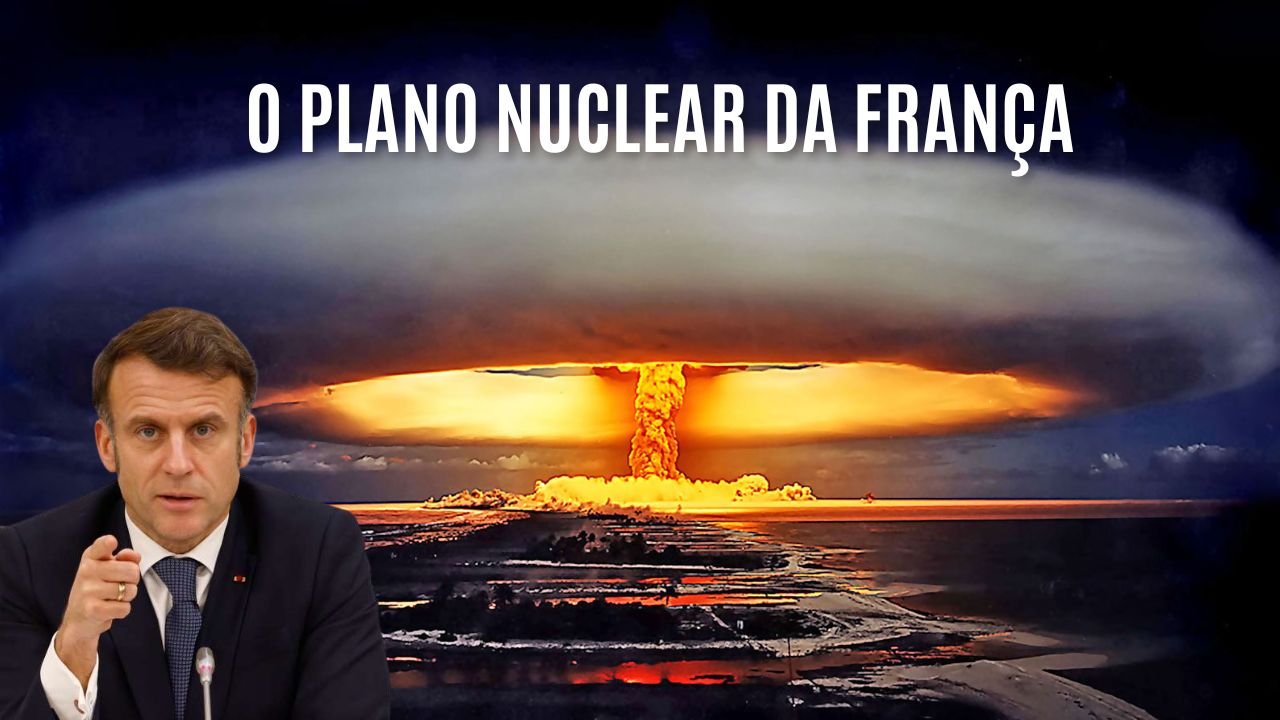
Since 1958, France has adopted a strategic posture of nuclear independence, ensuring that its security does not depend on the United States or NATO. Today, in light of growing threats and uncertainty regarding American commitment to European defense, the country reassesses its role and discusses extending its nuclear shield to allies on the continent.
The President of France, Emmanuel Macron, recently suggested the possibility of integrating French nuclear deterrence into Europe’s security.
The idea sparked heated debates, but it also brought a new perspective to countries like Germany and Poland, which previously relied exclusively on U.S. protection.
France’s Nuclear Plan Began in 1958 with Charles de Gaulle
France’s independent nuclear policy began with General Charles de Gaulle, who believed that the country’s security could not depend entirely on the U.S. and NATO. He argued that, despite the alliance with Washington, American interests did not always align with those of Europe.
-
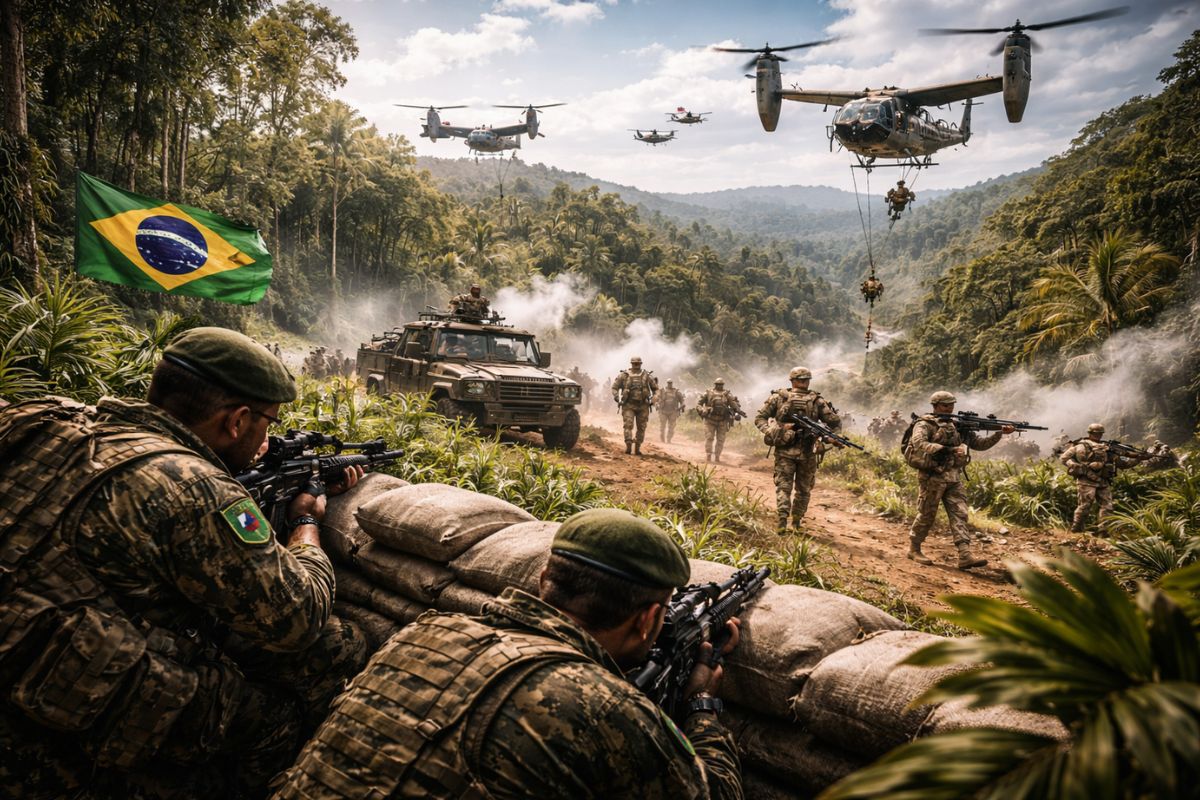
If the USA were to go to war with Brazil, Washington’s greatest fear would not be the attack itself, but facing a vast territory, prolonged resistance, and a costly, chaotic, and unpredictable occupation.
-
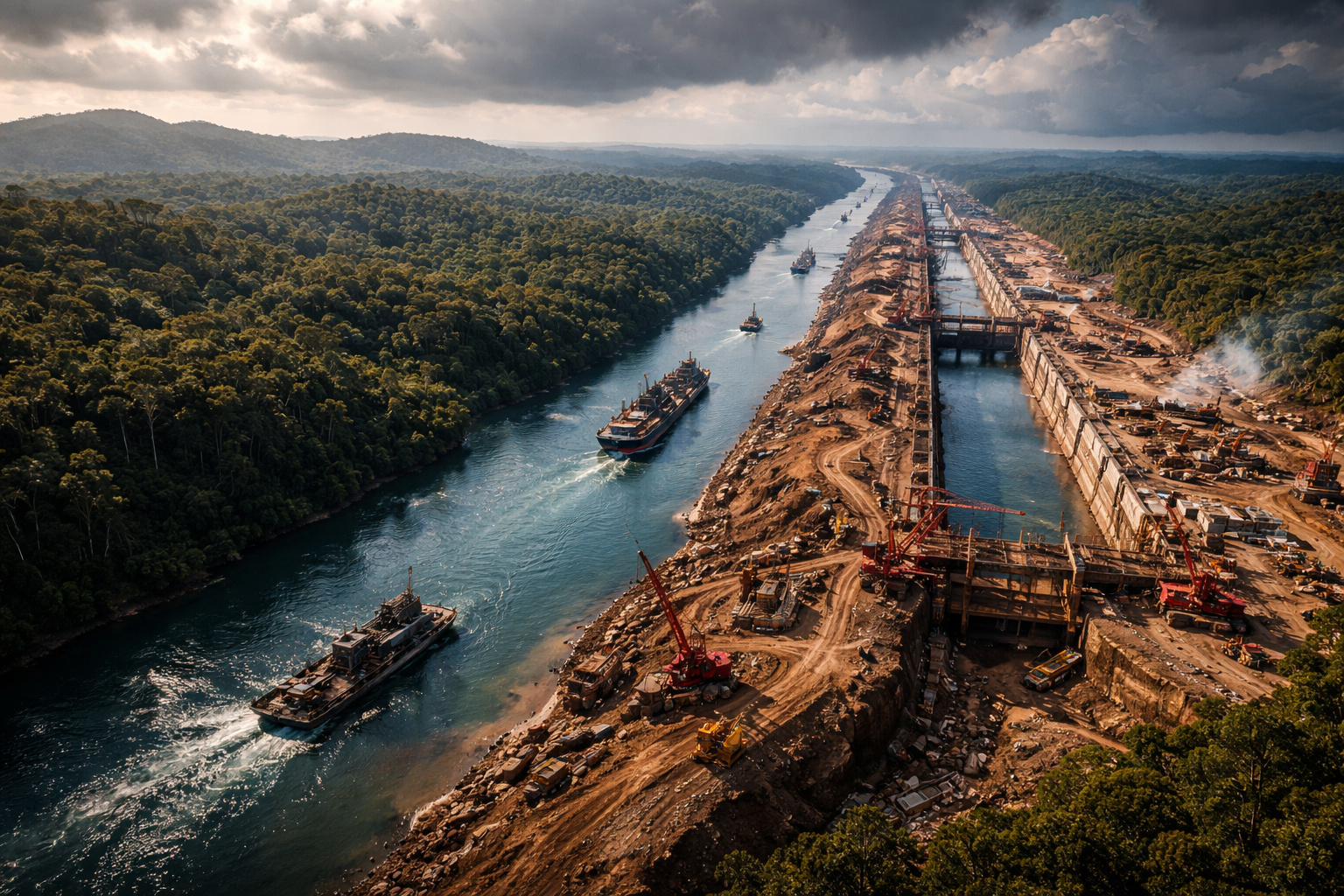
In 2013, Nicaragua sold the concession for a canal to rival Panama to a Chinese billionaire who lost 85% of his fortune, disappeared, and was declared bankrupt. Now the project resurfaces with a new route, a new Chinese partner, and a cost of $64.5 billion.
-
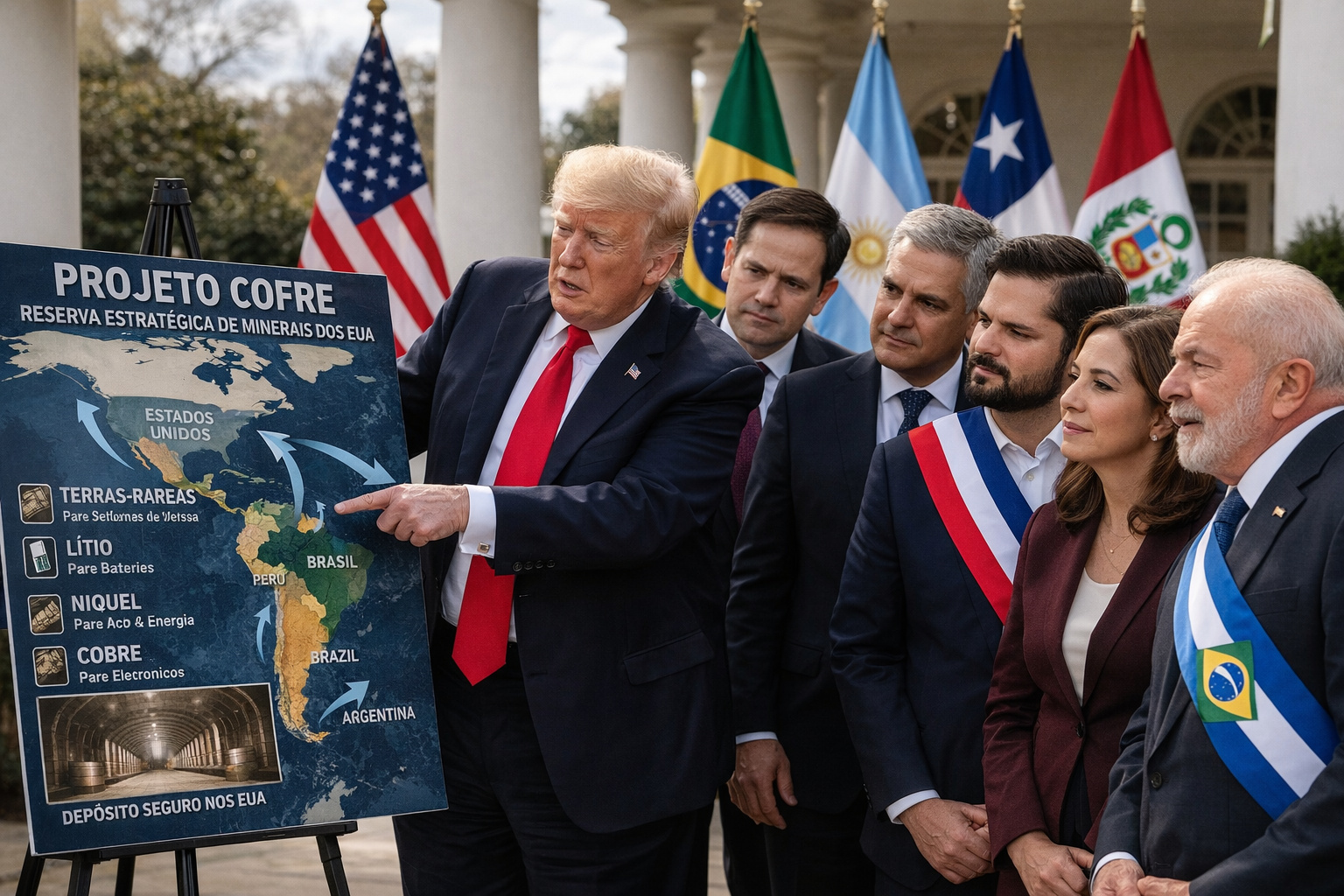
The USA announces a mysterious billion-dollar vault project to store critical minerals, but what intrigues experts is not just the plan itself, but why Latin America, including Brazil, has entered the center of this global dispute against China.
-
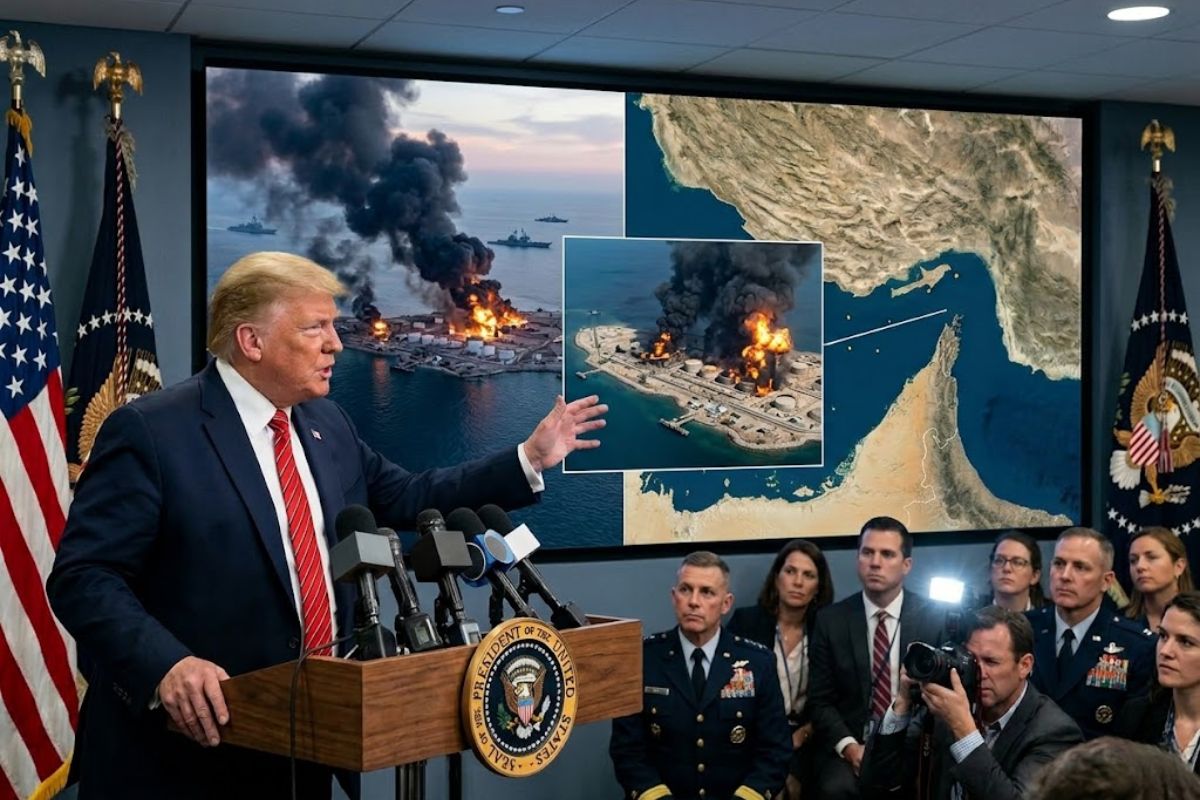
Trump Announces Bombing of U.S. Military Targets on Iranian Island Responsible for About 90% of Iran’s Oil Exports, Warns of Further Attacks if Navigation in Strategic Strait of Hormuz Is Threatened

Thus, France invested in developing its own nuclear warheads, creating a sovereign defense capability. Unlike the United Kingdom, which maintains its nuclear deterrence with American technology, France fully controls its arsenal, without depending on anyone.
Today, with 300 nuclear warheads, France has become one of the world’s major military powers, capable of launching strategic attacks via both aircraft and nuclear submarines.
Macron Proposes to Expand French Nuclear Shield to Europe
In light of the new global scenario, Emmanuel Macron raised a delicate debate: could France protect other European countries with its nuclear shield?
The French government clarified that this is not about sharing nuclear weapons, but rather assessing how France’s protection could be extended to European allies. This would mean:
- Patrolling French nuclear bombers over allied countries.
- Stationing nuclear fighters in bases of other European countries.
- Defense agreements for possible use of the arsenal in case of threats.
This proposal, however, faces political resistance within France itself. Sectors from both the far right and far left criticize the idea, arguing that the country should maintain its deterrence solely for national defense.
The Growing Uncertainty About U.S. Support Strengthens the Idea
Until recently, most European countries did not consider the French option, as they relied on the U.S. and NATO’s nuclear umbrella. However, this view began to change with Donald Trump’s policy, which, during his presidency, threatened to reduce military support to Europe.
In light of this uncertainty, Germany and Poland began to consider French nuclear protection as a viable alternative. German Chancellor Friedrich Merz surprised allies by suggesting a dialogue with France and the United Kingdom to strengthen European nuclear deterrence.
This shift in security perception indicates that Europe may be moving toward a new defense model, less dependent on the United States.
Russia, The United Kingdom and The Nuclear Balance of Power in Europe


Even if France and the United Kingdom combined their nuclear forces, totaling 550 warheads, this number would still be far less than Russia’s arsenal, which has around 6,000 warheads (although most are in reserve).
Despite the numerical difference, experts argue that nuclear deterrence does not depend solely on the quantity of weapons, but rather on the ability to respond quickly and effectively. France, for instance, possesses M51 missiles installed on nuclear submarines capable of reaching Moscow and other Russian cities.
Still, there is a major strategic challenge:
- Russia, due to its geographical size, could withstand a prolonged nuclear conflict.
- France, on the other hand, does not have this advantage, making its defense reliant on the capacity for an immediate counterattack.
With that, the main question is whether France should alter its nuclear doctrine to make it clear that it would protect other countries in the European Union. Some analysts believe that maintaining ambiguity is part of the deterrence strategy, while others argue that an explicit commitment would provide greater security to allies.









Seja o primeiro a reagir!