





 Portuguese
  English
  Spanish
  6 min of reading
  1 comment


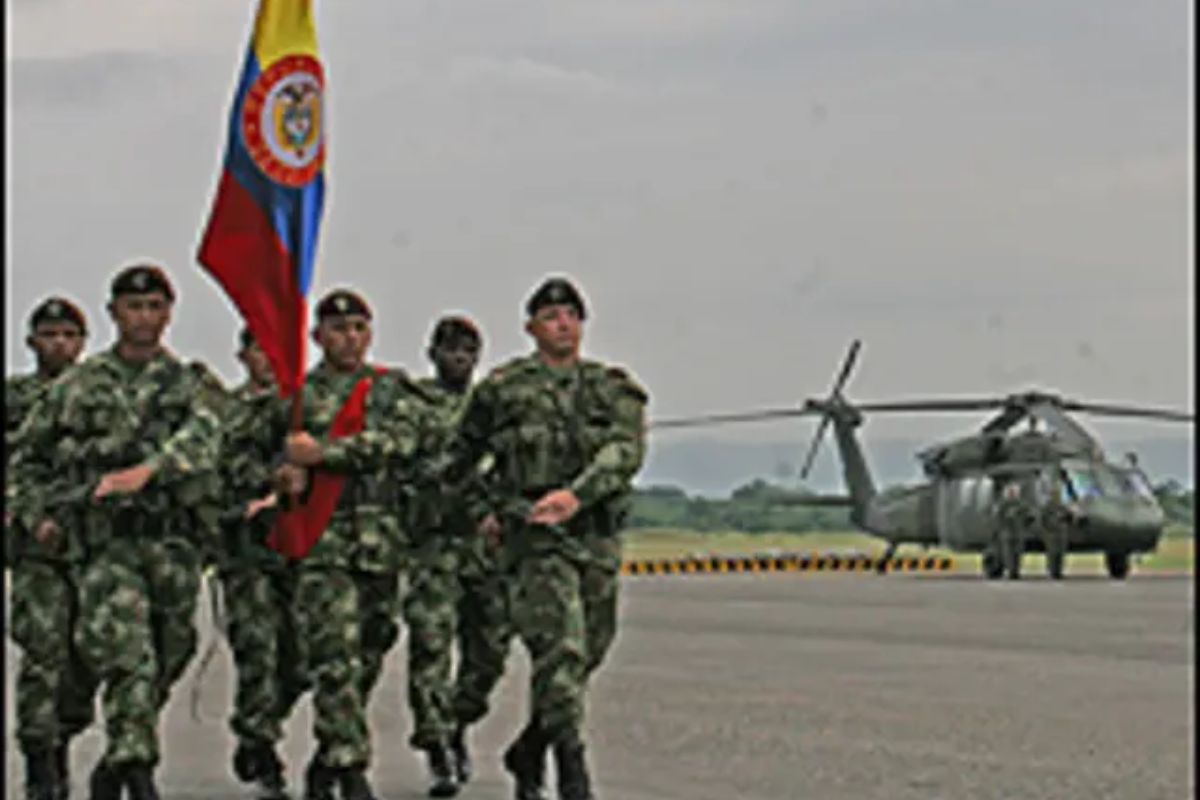

With the Crisis in Venezuela Escalating After US Bombardments in Caracas and Maduro’s Capture Announced by Trump, Colombia Mobilizes Military Defense, Humanitarian Assistance, Security Council, and Organizes Urgent Debate at the UN
Colombia entered a state of maximum alert and reinforced military defense on the border with Venezuela following the escalation described by the government: bombings by American forces in Caracas and other Venezuelan cities, in addition to the capture of Nicolás Maduro announced by Donald Trump, a situation that triggered fears of mass displacement of civilians.
On Saturday (3), Colombian President Gustavo Petro stated that the government has called an extraordinary meeting of the National Security Council to address the scenario and ordered the deployment of security forces to the border. The goal, according to the presidential message itself, is to prepare the country for a possible wave of refugees and organize immediate assistance.
What Petro Officially Announced and Why Colombia Raised the Alert Level
The core of the decision, according to the government, was the combination of three factors that occurred in the same context and increased regional risk: the US bombings in Venezuela, the claim that Maduro was captured, and the possibility that Venezuela will enter a phase of instability with direct effects on the border.
-
If the USA were to go to war with Brazil, Washington’s greatest fear would not be the attack itself, but facing a vast territory, prolonged resistance, and a costly, chaotic, and unpredictable occupation.
-
In 2013, Nicaragua sold the concession for a canal to rival Panama to a Chinese billionaire who lost 85% of his fortune, disappeared, and was declared bankrupt. Now the project resurfaces with a new route, a new Chinese partner, and a cost of $64.5 billion.
-
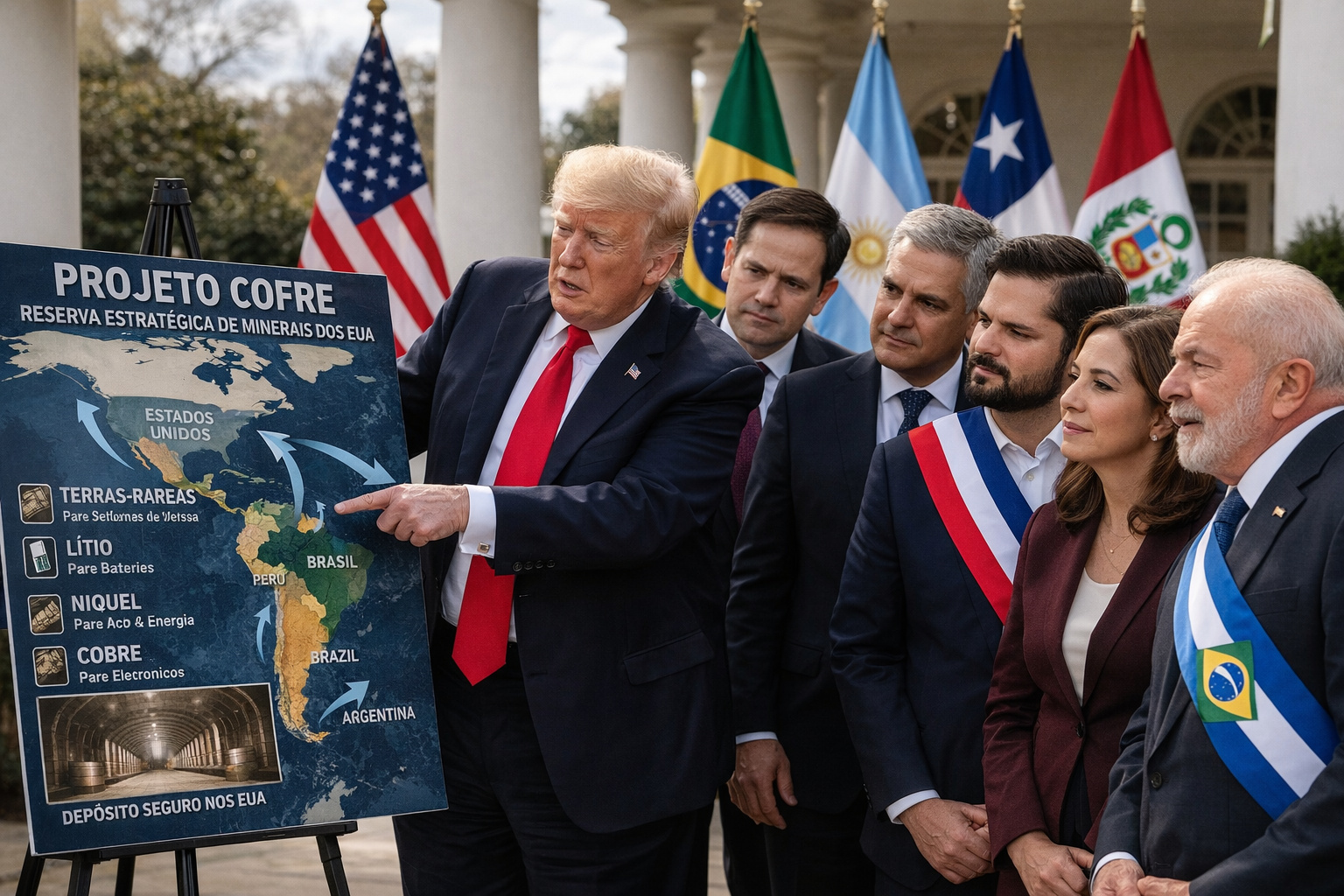
The USA announces a mysterious billion-dollar vault project to store critical minerals, but what intrigues experts is not just the plan itself, but why Latin America, including Brazil, has entered the center of this global dispute against China.
-
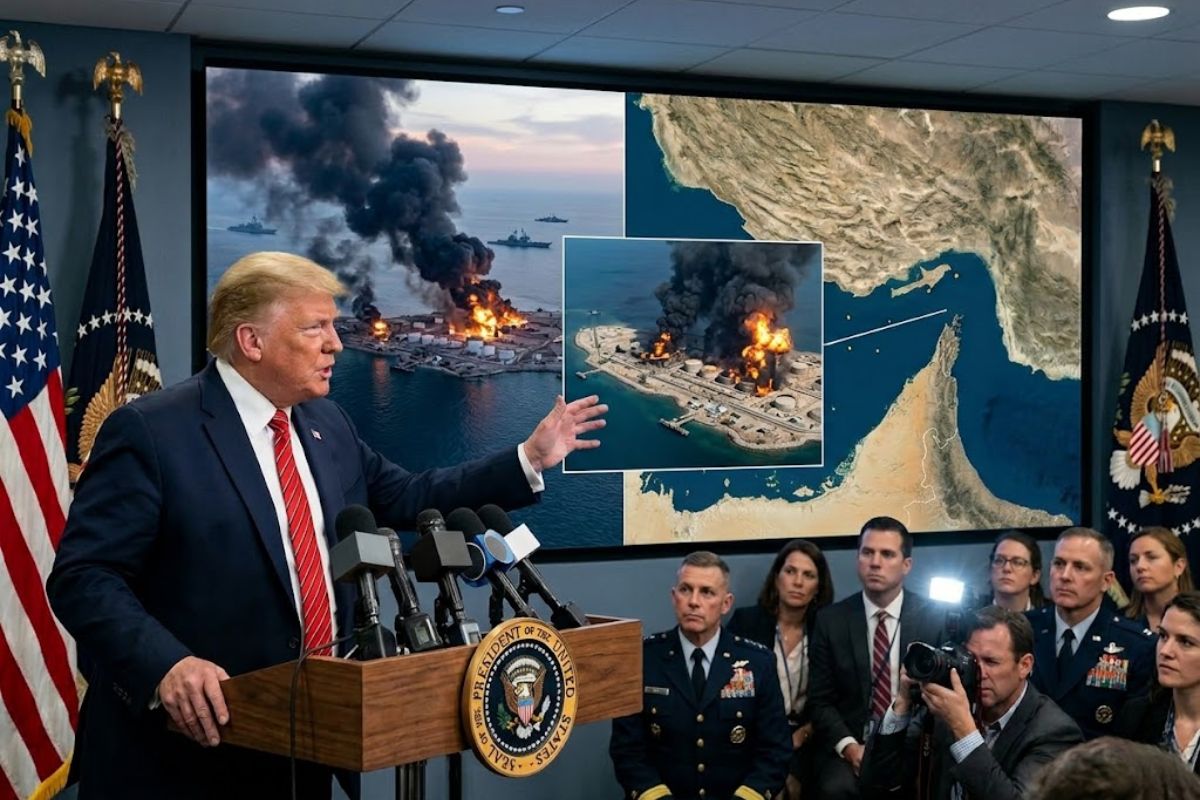
Trump Announces Bombing of U.S. Military Targets on Iranian Island Responsible for About 90% of Iran’s Oil Exports, Warns of Further Attacks if Navigation in Strategic Strait of Hormuz Is Threatened
Petro communicated that Colombia would not treat the episode as a distant crisis. On the contrary: it placed the border at the center of the State’s response, activating security structures and simultaneously preparing assistance support for a possible massive influx of people seeking protection on Colombian territory.
Extraordinary Meeting of the National Security Council
The president reported that he has called an extraordinary meeting of the National Security Council to assess immediate risks and align response decisions.
The key point of the council, in this type of scenario, is to integrate the areas that need to act together, such as border security, logistics for assistance, consular support, and diplomatic coordination.
The Colombian government treated the situation as an escalation on multiple fronts at the same time. It is not just about patrolling.
The decision also involves anticipating pressures on public services, travel routes, the need for shelter, and possible impacts on the internal stability of Colombia itself.
Deployment of Security Forces to the Border
In the message published by the president, Colombia has determined the deployment of security forces to the border between the two countries. The explicit objective is to increase the capacity for control and response in the face of a scenario where people may cross in large numbers over a short period, seeking shelter.
This reinforcement has two dimensions that go hand in hand. The first is to ensure order and security in the border area.
The second is to allow the State to have sufficient presence to organize entry and assistance corridors, reducing risks of chaos and vulnerability for civilians in transit.
Mobilization of the Assistance Structure for Refugees
Petro also stated that he has ordered the mobilization of all available assistance structures. The focus, according to the government, is the possibility of a massive influx of refugees into Colombian territory, which requires preparation before pressure begins.
In practice, this mobilization means putting the public machinery on standby for screening and support. The priority indicated by the government is to treat the crisis as an event that could rapidly affect Colombia, demanding organization of assistance, routes, and support structures.
Colombia’s Embassy in Venezuela Prepared for Assistance
Another point highlighted by Petro is the role of the Colombian Embassy in Venezuela, which would be prepared to respond to assistance calls from Colombian citizens living in the neighboring country. This includes consular support and emergency response for those who need guidance, protection, or referral.
In a scenario of instability, this type of consular readiness tends to be crucial, as people may need documentation, guidance on displacement, and support for contacting family, especially if there are service interruptions and increased risk in certain areas.
Colombia Wants to Take the Topic to the UN and International Debate
Petro stated that, as a member of the Security Council of the United Nations (UN), Colombia will seek to convene the body to discuss the current scenario. This means that the government is trying to push the crisis into a formal diplomatic arena, aiming for international debate and pressure for stabilization.
By reinforcing this intention, Colombia signals two messages at the same time: that it considers the episode a regional threat and that it rejects the normalization of actions that affect the sovereignty of Latin American countries, while also seeking to channel the crisis through institutional avenues and not just military responses.
Rejection of Aggressions and Defense of Regional Sovereignty
In the same message, the president reiterated the official position of rejecting any aggression against the sovereignty of Venezuela and, more broadly, against the sovereignty of Latin America.
This section is central to understanding the political framing chosen by the Colombian government: it is not just a humanitarian crisis; it is also a crisis of sovereignty and regional stability.
By using this argument, Petro positions Colombia as an actor seeking to discourage an escalation that spills over into neighboring countries. It is an attempt to prevent the border from becoming a point of military and social tension at the same time.
Direct Appeal to the Venezuelan People for Dialogue and Peaceful Resolution
At the end of the statement, Petro made an appeal for the Venezuelan population to seek paths of civil dialogue, national unity, and peaceful resolution of tensions.
The president stated that there is no nation without sovereignty and that peace can only be achieved through continuous dialogue between peoples, which would serve as the basis for national and regional unity.
This type of appeal usually has a short-term objective: to reduce the likelihood of internal violence and decrease the risk of an escalation that provokes larger and more disorganized displacements towards Colombia.
Why the Border is the Immediate Epicenter of the Crisis
In political and military crises, the quickest effect for neighboring countries is often human displacement.
The government of Colombia has made it clear that it fears a wave of refugees towards national territory. This explains why the response combines two axes: defense and assistance.
Colombia is trying to act before the pressure materializes into uncontrollable numbers. By reinforcing the border and assistance, the government seeks to prevent a collapse of local organization and provide predictability to the flow, should it occur.
What Has Yet to be Detailed and Why It Matters
Despite the seriousness of the described scenario, the government also points out relevant gaps: there are claims about capture, bombings, and trials, but without operational details of what happened, how it was coordinated, and what the next steps will be.
For Colombia, the lack of clarity increases uncertainty and worsens the ability to predict the magnitude of the impact.
Quick question for comment: do you think that Colombia should prioritize military reinforcement at the border or first expand the humanitarian reception structure for those attempting to enter the country?







El unico riesgo en la frontera es que los venezolanos quieran regresar a su pais a juntarse con sus familias y crear una venezuela libre y prospera