





 English
  Francês
  Alemão
  Italiano
  Japonês
  Norueguês
  Portuguese
  Spanish
  4 min of reading
  0 comments


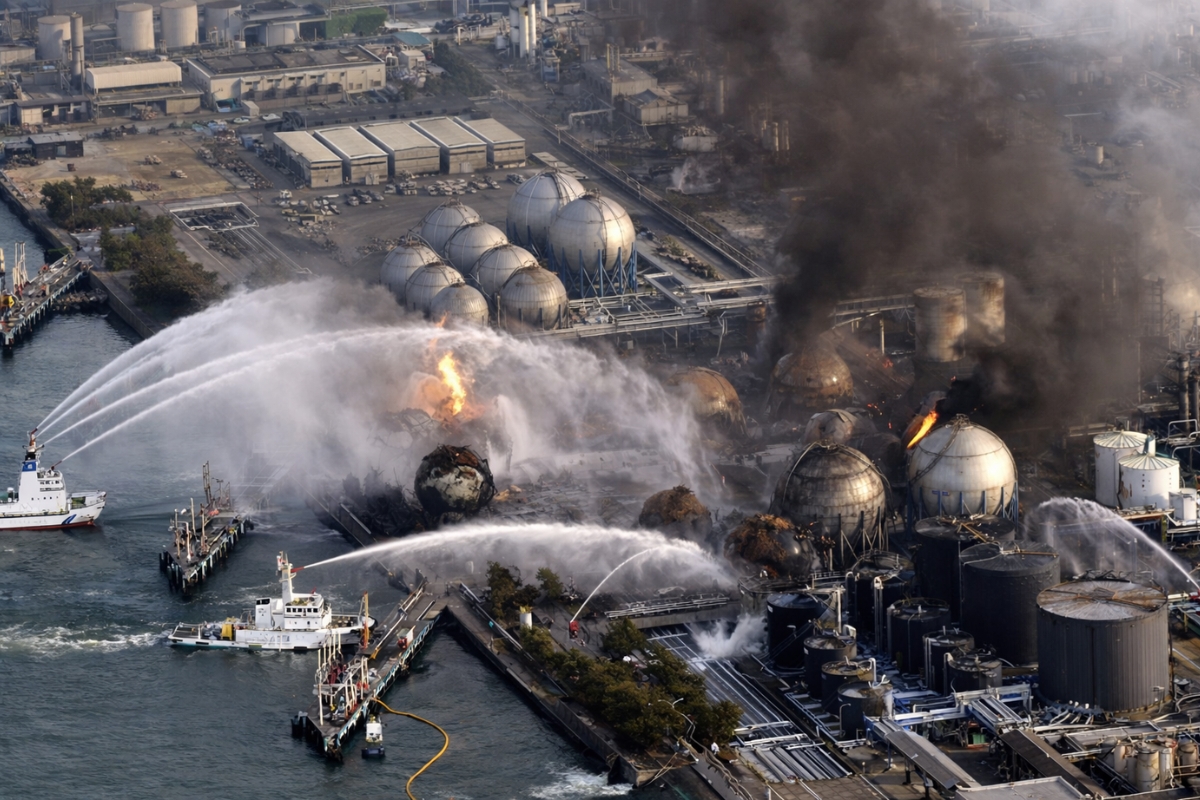
Japanese Government Reactivated 15 Reactors in Japan to Increase Electricity Supply by 2040 and Reduce External Dependency, But Faces Local and Technical Resistance.
The Japan has once again placed nuclear energy at the center of its planning, 15 years after the Fukushima disaster. The restart, however, advances slowly and is surrounded by caution.
Of the 54 reactors that the country had before the 2011 accident, only 15 have been reconnected so far. The movement helps to restore the electrical matrix, but still encounters social fear, strict regulations, and strong local pressure.
From 54 Reactors to Only 15 in Operation
After the earthquake and tsunami that hit Fukushima Daiichi on March 11, 2011, the country shut down all its reactors and tightened oversight. The new regulation raised safety requirements and slowed down the return significantly.
-
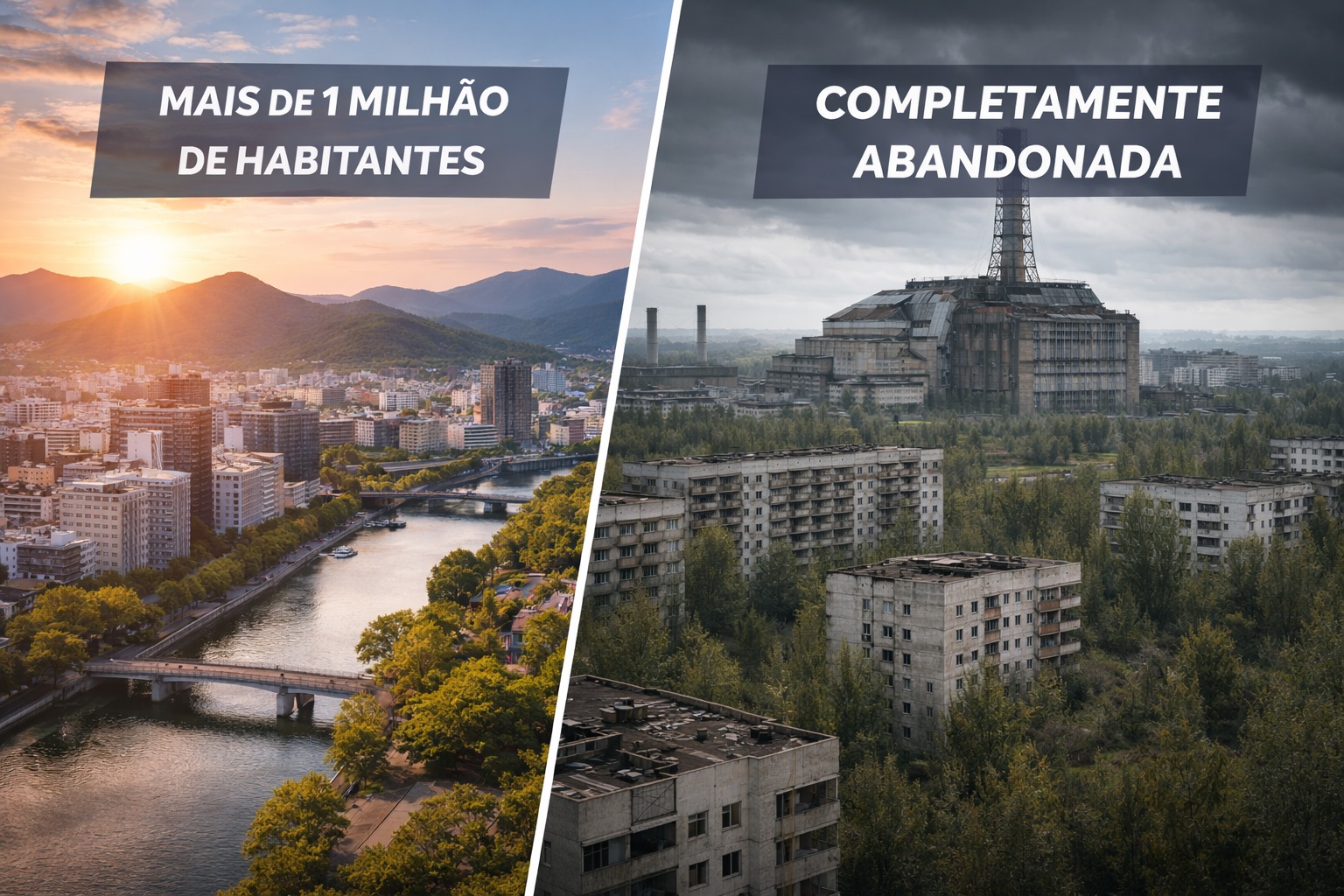
How Japan Overcame The Nuclear Bomb And Now Houses Millions In Hiroshima, While Ukraine Lost Chernobyl?
-
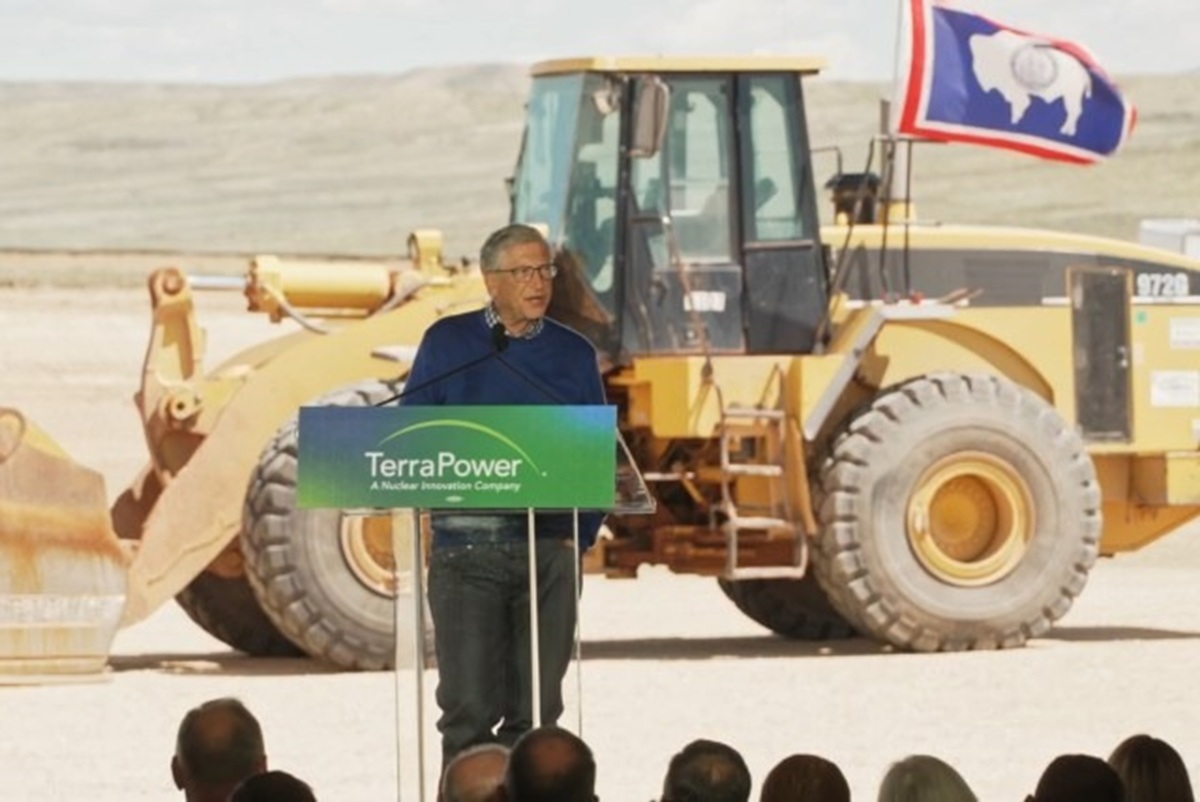
Bill Gates Receives Historic Approval to Build Giant 345 MW Nuclear Plant in the U.S. and Promises to Generate Up to 500 MW of Energy with Innovative Technology
-
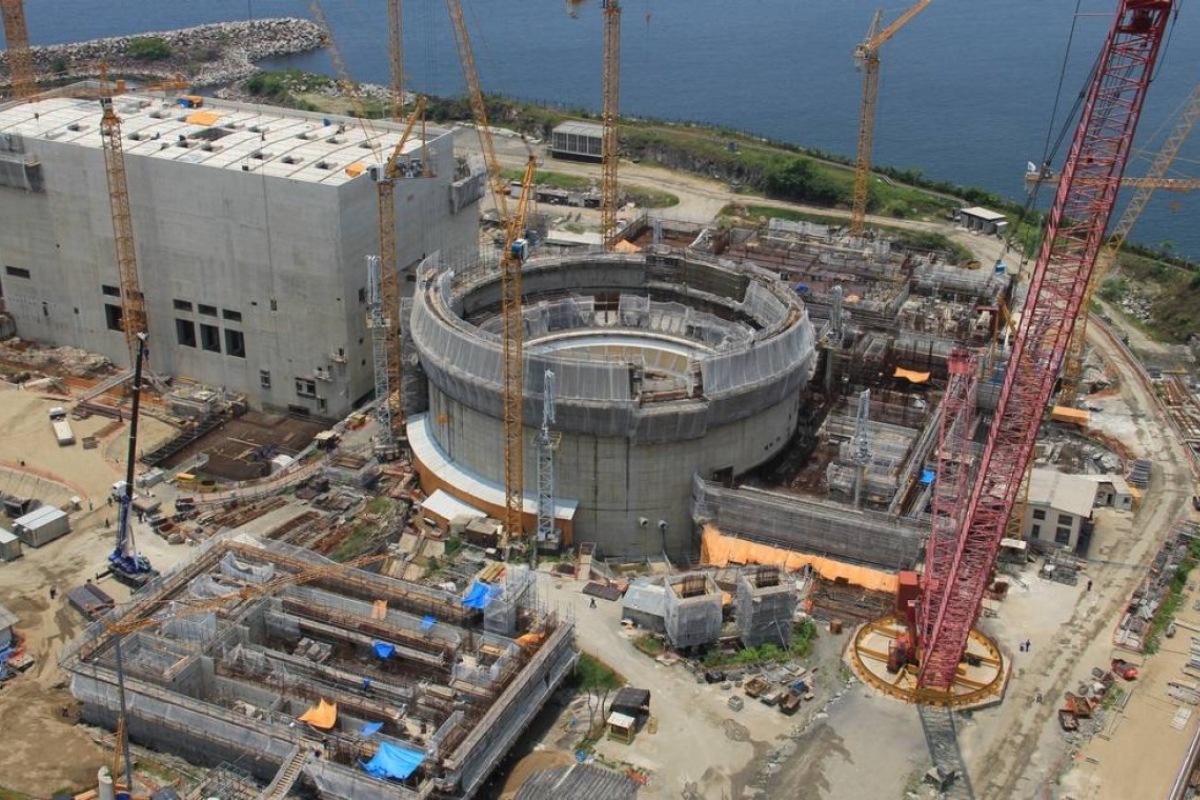
India Opens Nuclear Energy to Private Capital to Accelerate Projects and Attract Billions, While Brazil Remains Stalled at Angra 3 and Discusses Who Will Foot the Bill for Completion
-
Startup Received $10 Million in Grants and Raised $90 Million to Develop Nuclear Energy, but Molten Salt Mini-Reactors Plan Collapsed After Estimating $2 Billion Need and Facing Financial Crisis

In this process, 24 reactors were permanently removed from the system and are currently being dismantled. Of the 30 remaining, only 15 received authorization to resume operation, currently accounting for almost 9 percent of Japan’s electricity.
Kashiwazaki Kariwa Took Three Years to Become Operational
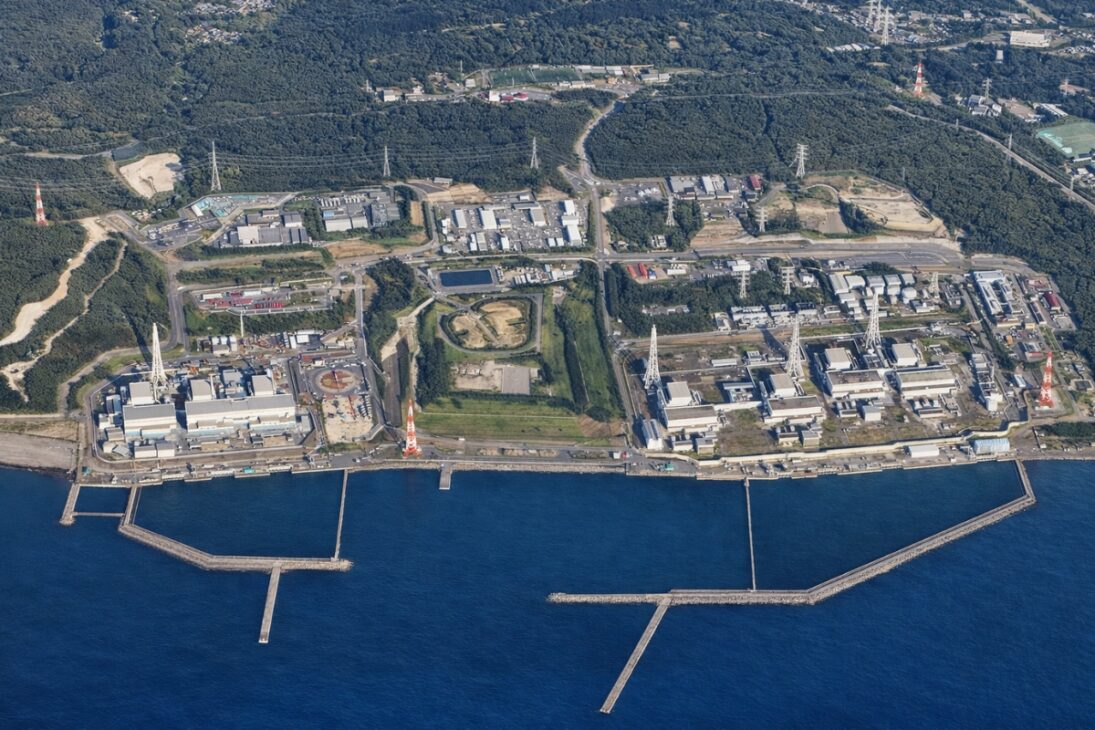
The most symbolic case of this restart is in Niigata, at the Kashiwazaki Kariwa plant. The technical authorization was granted in 2022, but the effective operation only advanced after three years of political and social resistance.
The plant is operated by Tepco, the owner of Fukushima Daiichi. The company’s history weighed against the project and fueled local residents’ rejection, who saw risks in handing over such a large facility again to a company marked by serious failures.
Target for 2040 Includes Nuclear, Renewables, and Thermal
The Japanese energy plan aims for 2040 with a clear division among sources. The goal envisions 40 to 50 percent from renewables, 20 percent from nuclear, and 30 to 40 percent from thermal sources.
The government has also started linking this restart to advancements in artificial intelligence, data centers, and semiconductor factories. All require a large volume of electricity and increase the pressure for stable supply in the country.
Source Points Out That Trauma Still Shapes Energy Policy
According to Gonzalo Robledo, a journalist who covers the story from Tokyo, the nuclear return has also gained momentum with the pursuit of energy autonomy and the promise of carbon neutrality by 2050.
At the same time, the past continues to weigh heavily. Japan carries the trauma of Hiroshima and Nagasaki, along with the recent memory of Fukushima, making any decision about new plants much more sensitive than in other markets.
Fukushima Still Costs Dearly and Will Take Decades
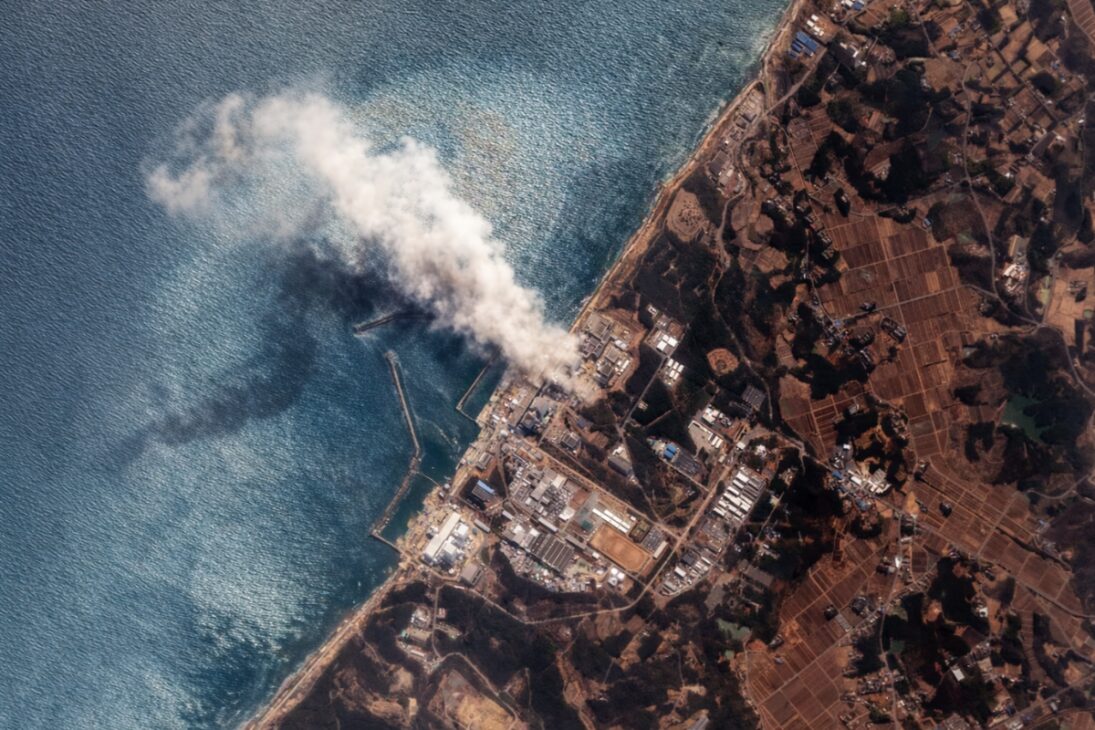
The financial impact of the disaster remains enormous. Tepco estimates a total cost of about €103 billion, including the dismantling of the plant and compensations paid or still anticipated for those affected.
The complete dismantling of Fukushima Daiichi has been organized into two final phases, with milestones in 2041 and 2051. Meanwhile, miniaturized drones and tests with robots help access areas that still have extreme radiation.
Evacuation, Stigma, and Indirect Deaths Remain at the Center of the Debate
The accident did not cause direct deaths from radiation, but the mass evacuation and panic had lasting effects. The isolated area around the plant reached about 1,150 square kilometers.
As of 2023, a local base recorded 2,339 deaths somehow linked to the nuclear disaster, including 119 suicides and cases associated with interrupted treatments, hypothermia, and stress among the elderly. The human toll still weighs on the discussion about safety.
Experts Criticize Waste and Question the Need for Expansion
Some experts see significant flaws in this strategy. The first point is the absence of a consolidated solution for long-term storage of nuclear waste.
The second is the demand itself. Some argue that, even with digital growth, consumption would only rise by 10 to 15 percent, which would not justify accelerating the return of this energy source. This debate keeps the restart under pressure.
The Japanese nuclear advance reintroduces a source that seemed politically paralyzed since 2011, but the reactivation is still far from complete. The country seeks to balance safety, electricity supply, and climate goals in a landscape still contaminated by the memory of the disaster.
With only 15 reactors operating and decades of dismantling ahead, the decision to expand nuclear presence does not solve the issue alone. It alters the strategic landscape of Asia and exerts pressure on the region.









Seja o primeiro a reagir!