





 Portuguese
  English
  Spanish
  4 min of reading
  0 comments



The Verdict Confirmed That Pool Agreements Are Legally Binding and Ordered The Winner To Pay Five Work Colleagues With Whom He Had Been Playing For Years, After Denying The Division Of The Prize And Trying To Conceal The Winning Ticket
A construction worker in the United States won US$ 38.5 million in the lottery and tried to keep it all. The story ended up in court, where a judge forced the winner to share the amount with five work colleagues who had participated in the same pool for six years. The case exposed how verbal agreements can have legal strength when there is evidence of the agreement and the ongoing participation of the group.
The Portuguese-American Americo Lopes was ordered in 2012 to make payments to the former partners of the pool. According to the lawsuit, he concealed the winning bet, invented an illness to leave work, and was only exposed after the news of the prize went public. The court found that the commitment to share was clear and longstanding, recognizing the rights of the other members.
Who Was In The Pool And What Was The Deal
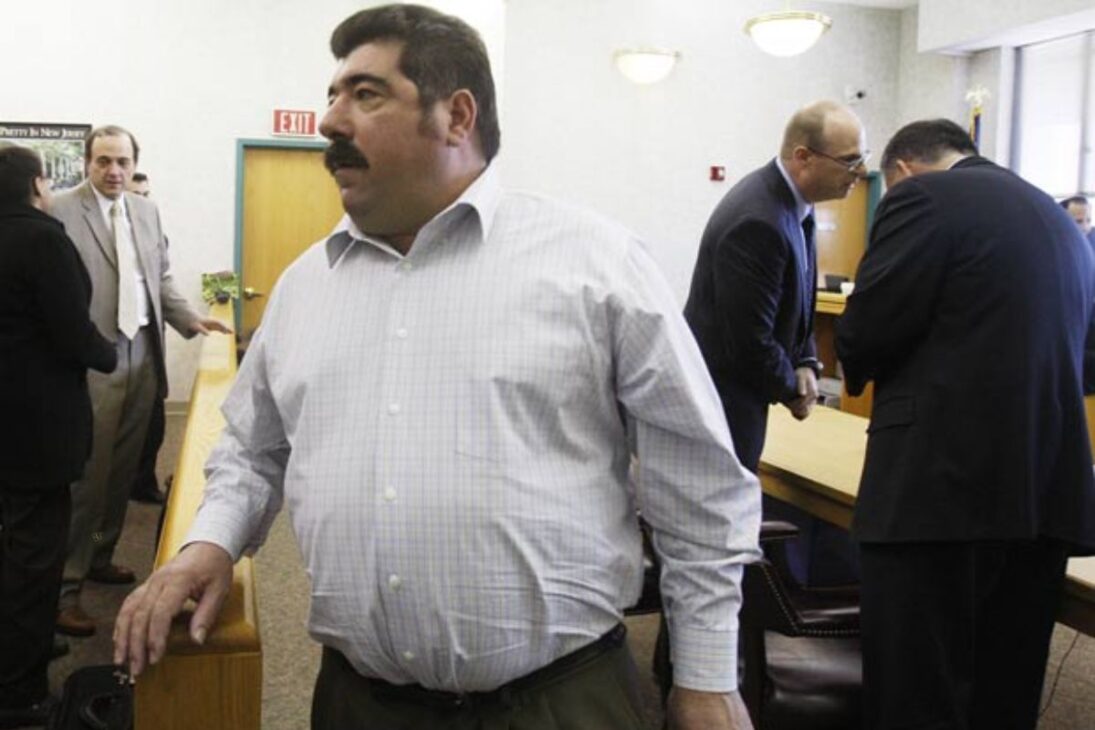
The pool consisted of six work colleagues from the same construction company.
-
The Senate approves a bill that criminalizes misogyny, hatred, or aversion towards women, and includes the crime in the Racism Law with a penalty of up to 5 years.

-
Chamber Approves Bill That Allows Pepper Spray for Women Over 16 and Imposes Strict Rules for Purchase, Possession, and Use as Self-Defense

-
Chamber Approves Law to Combat Leucaena, Fast-Growing Plant That Dominates Land and Threatens Native Species in Various Regions of the Country

-
Asset Division: Know What Cannot Be Divided in Case of Divorce


The rule was simple: everyone contributed, and if the ticket won, the prize would be shared equally.
The historical participation, reported by those involved, showed regularity in the bets and mutual knowledge of the rules.
The trust among work colleagues sustained the agreement.
Even without a written contract, the group maintained the habit of recording purchases and sharing numbers, which helped in reconstructing the facts during the trial.
In litigations of this kind, the Justice analyzes testimonies and evidence of routine and intent of the parties.
How The Fraud Came To Light
In 2009, Lopes won the prize and pretended that nothing had happened, even informing the company that he was sick to stay away.
The farce unraveled when a relative of one of the members read a report about the million-dollar gain and connected the winner to the former colleague from the pool.
From then on, the work colleagues filed a lawsuit.
During the trial, the defendant claimed to have left the pool before the bet, but did not present consistent evidence.
The version did not convince the jury, which accepted the argument that the ticket had been purchased under the usual practice of playing together.
Why The Justice Decided For The Division
The judge acknowledged the existence of a verbal agreement and understood that the behavior of all for years demonstrated clear intent to share.
In civil law, agreements without written form can be valid when there is evidence of their existence and execution, especially in ongoing relationships like recurring pools.
The decision also took into account the duty of good faith among partners in an agreement.
Concealing the winning ticket and unilaterally breaking the sharing was seen as a violation of that duty.
Result: in March 2012, the court of Elizabeth, New Jersey, ordered the payment of US$ 2 million to each of the five plaintiffs.
How Much Each One Received And The Financial Impact
The announced prize was US$ 38.5 million before taxes.
The lawsuit indicated that, after taxes, the net amount dropped significantly, as is standard in U.S. lotteries.
Within this scenario, the judge established individual compensation of US$ 2 million for each non-winning member.
For the work colleagues, the sentence meant recognition of right and life-changing.
For the defendant, it represented substantial loss of expected gain, as well as public exposure and legal costs that could have been avoided with transparency and immediate division.
Practical Lessons For Those Participating In Pools
The main lesson is to formalize the agreement, even if simply.
Writing down who participates, how much they contributed, and how the division will be made reduces conflicts and facilitates proof in case of dispute.
In work environments, keeping records of purchases and transfers helps demonstrate continuity and consensus.
Another lesson is about ticket management.
Designate a guardian, create copies or photos of the bets, and share them with everyone.
In case of a prize, transparent communication is the best protection for those involved.
Good faith preserves relationships and avoids lengthy and costly litigations.
What This Case Teaches About Verbal Agreements
The episode shows that the Justice can recognize and enforce unwritten agreements, as long as there is evidence of habit, contributions, and common expectations.
Messages, testimonies, and historical participation serve as evidence.
For work colleagues organizing pools, predictability is essential.
Clear rules, minimum record-keeping, and communication are sufficient to provide security to the group and prevent a million-dollar prize from becoming a legal problem.










-

-

-

-

-

-

795 pessoas reagiram a isso.