





 Português
  Inglês
  Espanhol
  4 min de leitura
  0 comentários



Petrobras Faces Maximum Tension: Oil Workers Threaten STRIKE Against the End of Home Office! The 24-Hour Strike Scheduled for March 26 Could Cause Impacts. Unions Reject Changes and Demand Labor Improvements. Will This Be the Beginning of a Major Crisis at the State-Owned Company? Find Out Everything Now!
The end of home office for Petrobras employees is generating great dissatisfaction among workers.
The Unique Federation of Oil Workers (FUP) has called for a 24-hour warning strike on March 26, in protest against the state company’s decision and for other improvements in working conditions.
The strike still needs to be approved by the category in assemblies by March 23, according to a statement released by the entity.
-
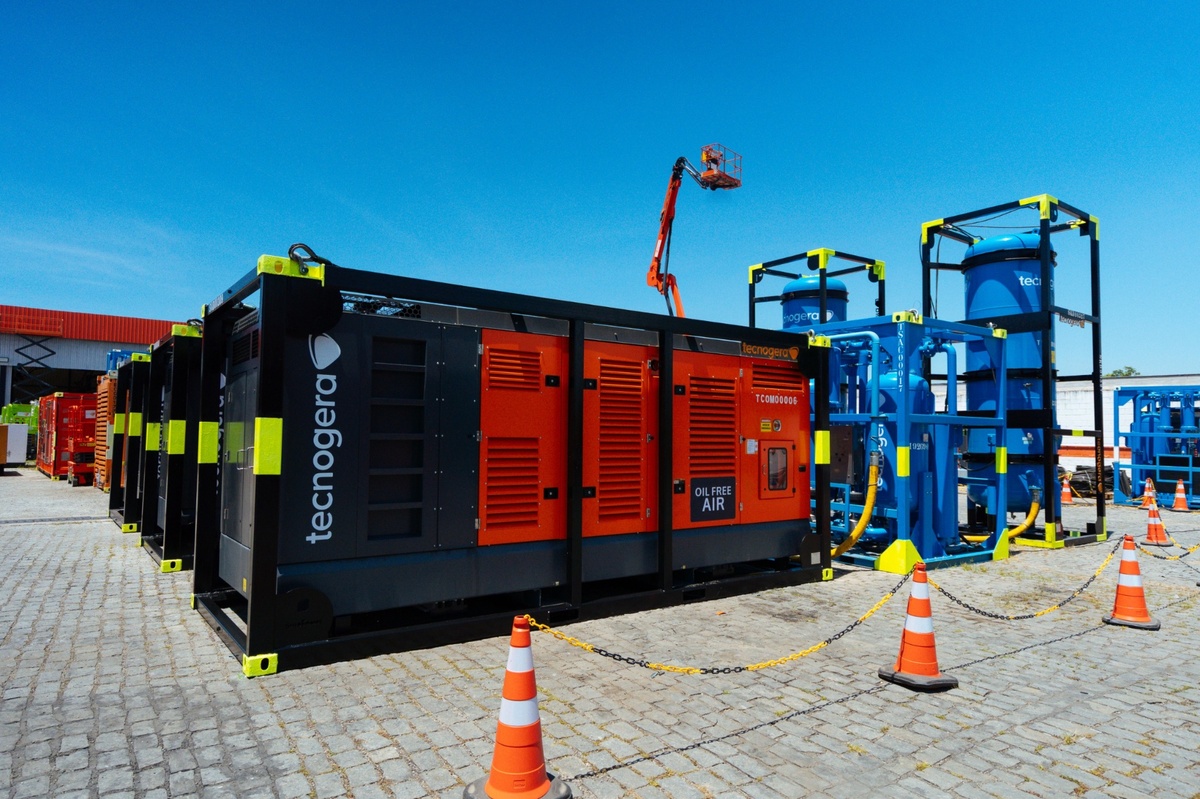
Offshore industrial demand in Macaé skyrockets with the recovery of oil and gas and could grow by up to 396% by 2026 in the Campos Basin.
-
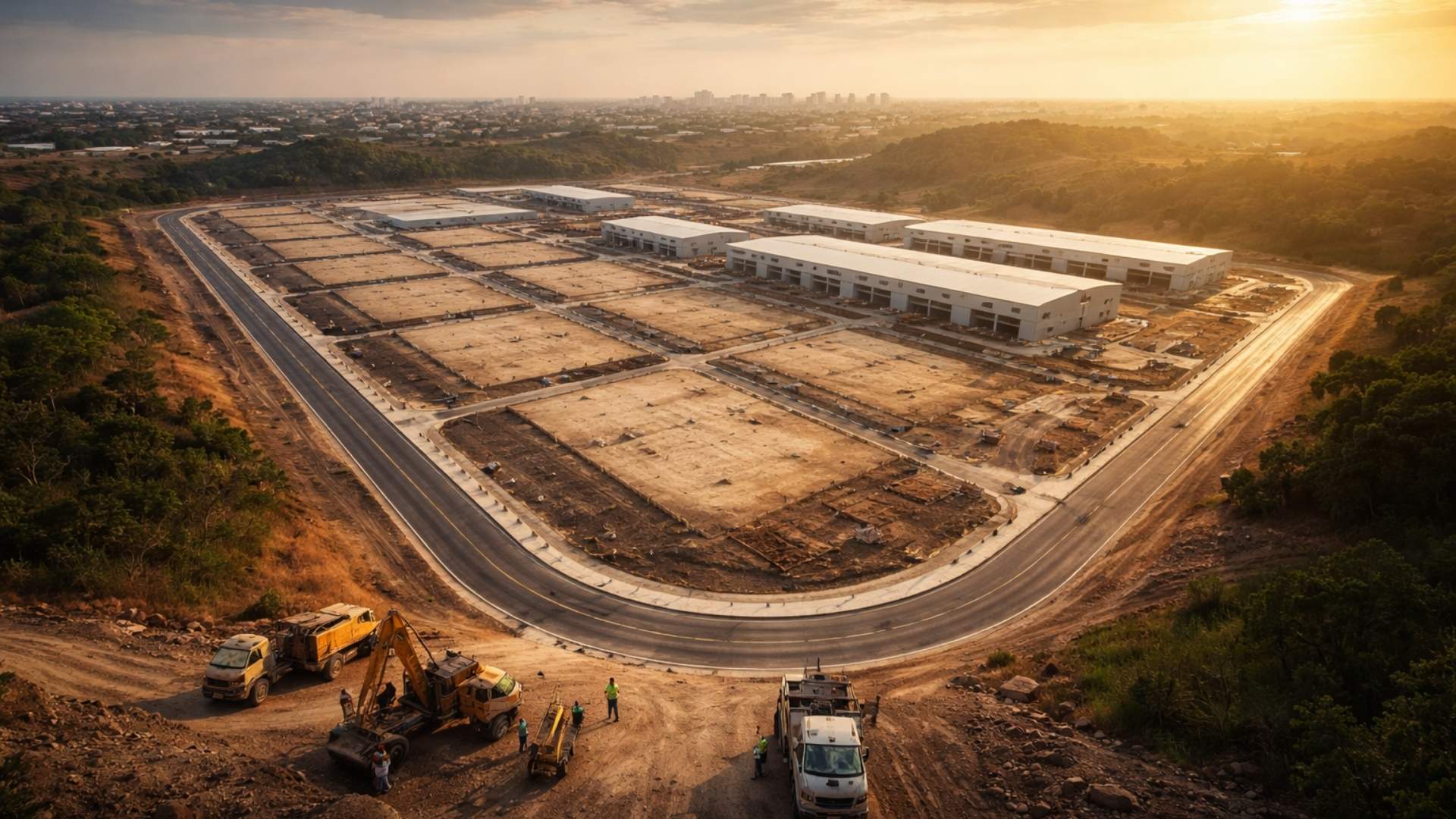
Brazilian city gains industrial hub for 85 companies that is equivalent to 55 football fields.
-
Peugeot and Citroën factory in Argentina cuts production by half and opens a layoff program for more than 2,000 employees after Brazil drastically reduced purchases of Argentine vehicles.

-
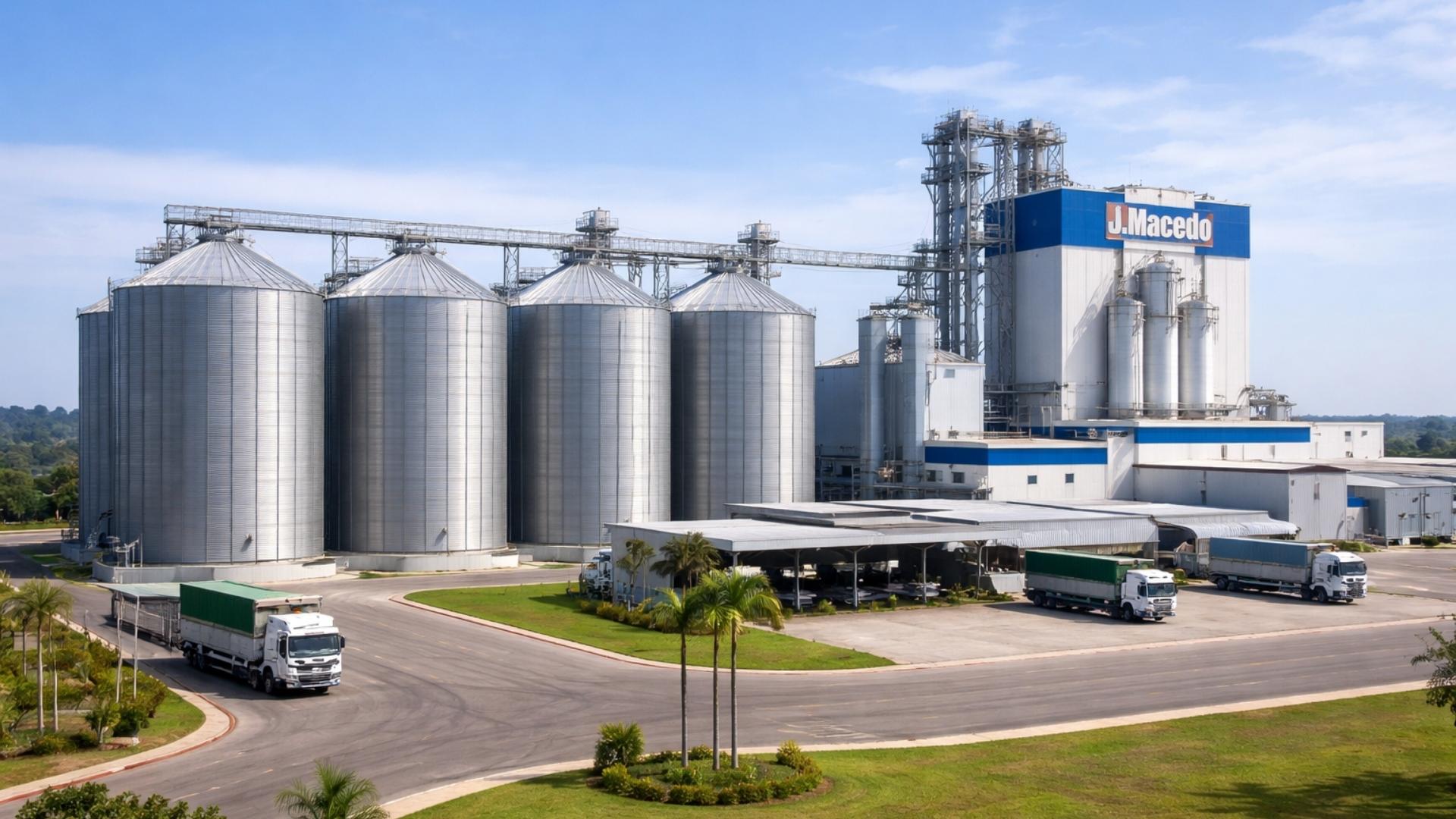
A Brazilian city gains a factory worth R$ 300 million with the capacity to process 200 thousand tons of wheat per year, a mill of 660 tons/day, silos for 42 thousand tons, and an industrial area of 276 thousand m².

Dissatisfaction with Change in Work Regime
Currently, workers in Petrobras’s administrative areas follow a hybrid work model, with two in-person days per week.
However, the company intends to expand this requirement to three in-person days starting April 7, without an agreement with the unions, according to the FUP.
The possibility of altering the work regime has raised concerns among oil workers, who argue that home office has brought various benefits, such as increased productivity, time savings on commuting, and improved quality of life.
Some experts point out that the flexibility of remote work is a global trend, and that a unilateral decision could have negative impacts for both workers and the state company itself.
The discontent of oil workers is not limited to the change in teleworking.
The category also protests against the reduction of variable compensation, the lack of personnel, and the lack of safety in various Petrobras units and service providers.
Many workers report that the lack of staff has increased workloads and could compromise the company’s operational safety, posing a risk both for employees and the environment.
Negotiation Without Agreement
In an attempt to resolve the impasse, FUP leaders and representatives from Petrobras met on March 11 at the company’s headquarters in Rio de Janeiro.
However, according to the federation, the parties did not reach a consensus, which led to the call for the warning strike.
According to the FUP, one of the main problems faced by workers is the lack of collective bargaining to define teleworking.
The entity argues that any change to this regime should be widely discussed and agreed upon with the unions, ensuring already acquired rights.
Representatives of the oil workers also state that the company has not provided concrete justifications for the change, which further increases the workers’ resistance.
Other Points of the Demands
In addition to the issue of teleworking and compensation, the strike also seeks to highlight other demands of the category, such as:
- Recomposition of Staff and better working conditions;
- Guarantee of Safety in Petrobras units and outsourced companies;
- Defense of the Nitrogen Fertilizer Factory in Paraná (Fafen-PR);
- End of the Petros Adjustments, the pension plan for oil workers;
- Creation of a fair and equal salary structure.
The FUP also emphasizes that the demands are not only economic but also involve structural issues of the company, such as better working conditions and safety in operational units.
For unionists, the lack of investments in these areas could compromise Petrobras’s long-term sustainability.
Impacts of the Strike
Even with the strike planned to last only one day, the mobilization could affect operations in some Petrobras units.
However, the company usually relies on contingency teams to minimize the effects of strikes, especially during short-duration movements.
In recent years, strikes by oil workers have had varied impacts on the energy sector in Brazil.
On some occasions, there were reflections on fuel supply, but Petrobras often implements measures to avoid supply issues.
Still, some refineries and terminals may face delays in production and distribution.
If the strike movement expands, experts assess that this could pressure the state company to reconsider its position and reopen the negotiation channel.
Some economists warn that prolonged strikes could affect fuel production, impacting everything from the industrial sector to the end consumer.
The Future of Negotiations
The final decision on the strike will be made by March 23, when the assemblies of the category will evaluate the FUP’s proposal.
If the movement is approved, the strike will send a clear message of the workers’ dissatisfaction with the changes at Petrobras.
The outcome of this conflict could influence future hybrid work policies not only at Petrobras but also in other state-owned companies and private enterprises that adopt similar regimes.
The expectation is that new rounds of negotiation will occur before the scheduled strike date, in an attempt to avoid the movement.
With a labor market increasingly adapted to the remote model, the debate about teleworking flexibility becomes even more relevant.
The outcome of this dispute could serve as a thermometer for future corporate decisions on the subject.
Petrobras, for its part, will need to balance the pursuit of greater productivity with the well-being of its employees, ensuring an appropriate work environment for all.









-

-

2 pessoas reagiram a isso.